Edycja: 2025

  • Looking for Simone

    Looking for Simone

    Looking for Simone

    reż. Nathalie Masduraud & Valérie Urréa
    France / 2024 / 91 min / polish premiere

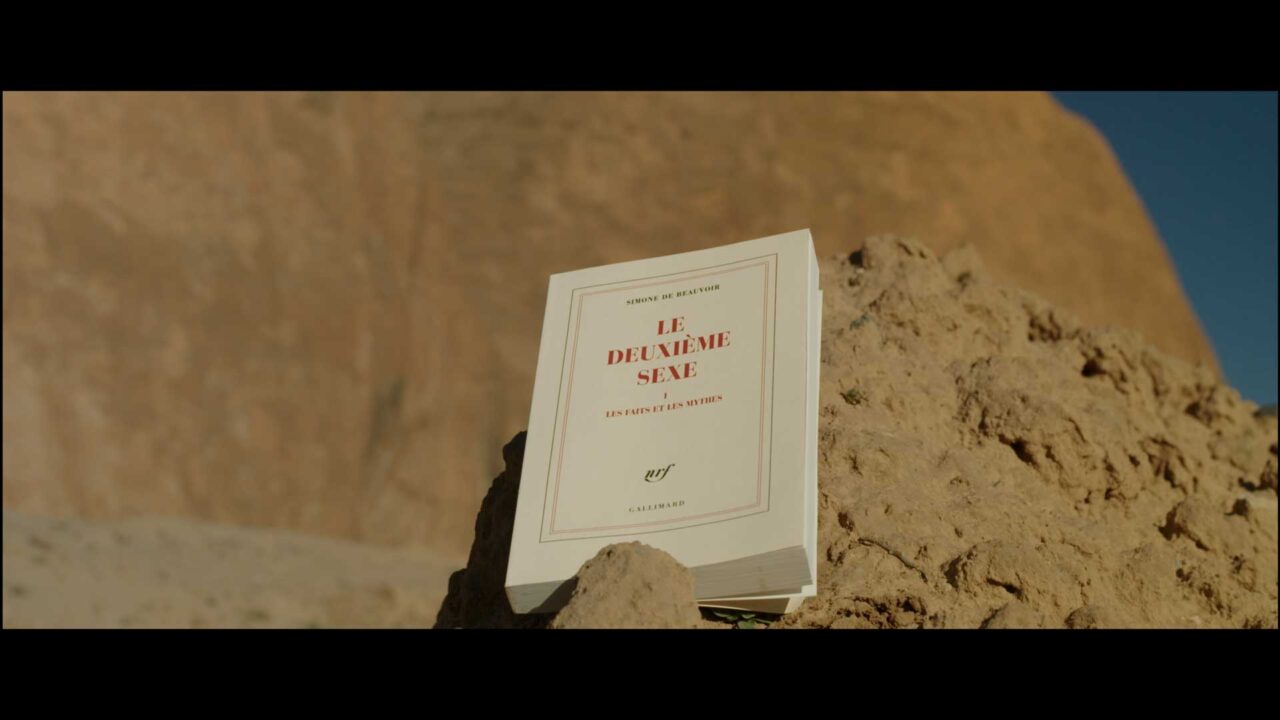
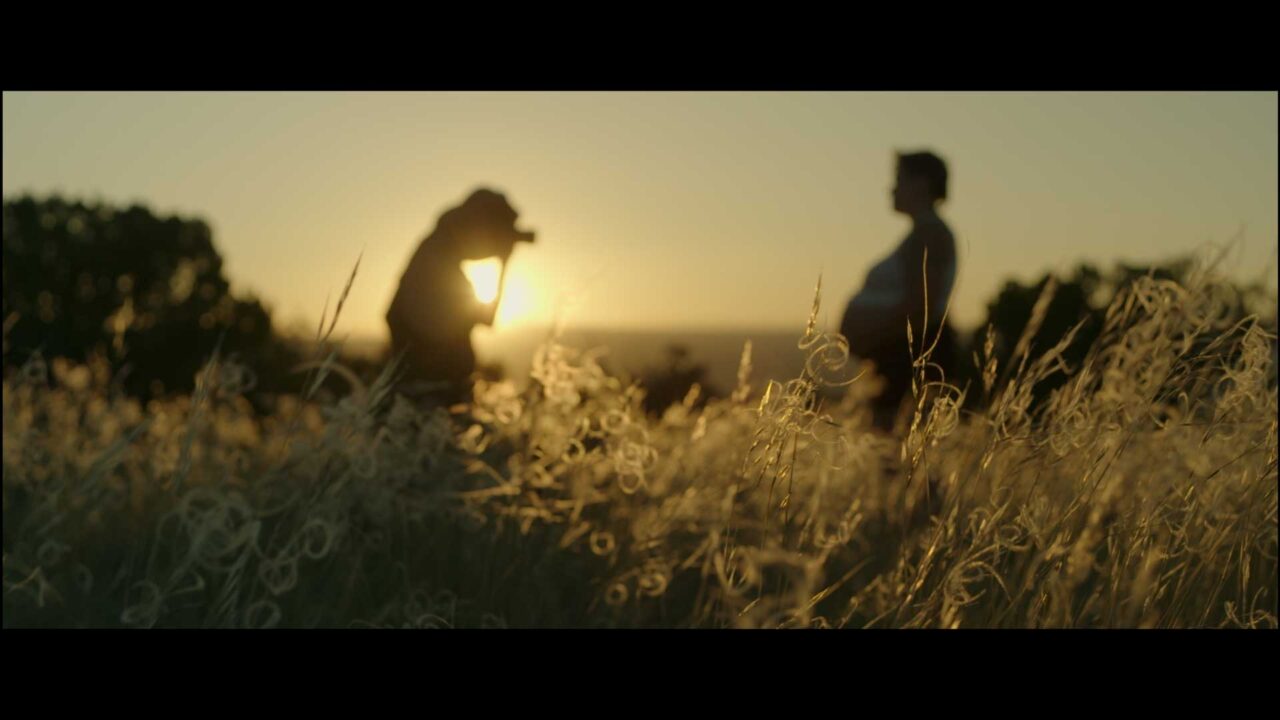
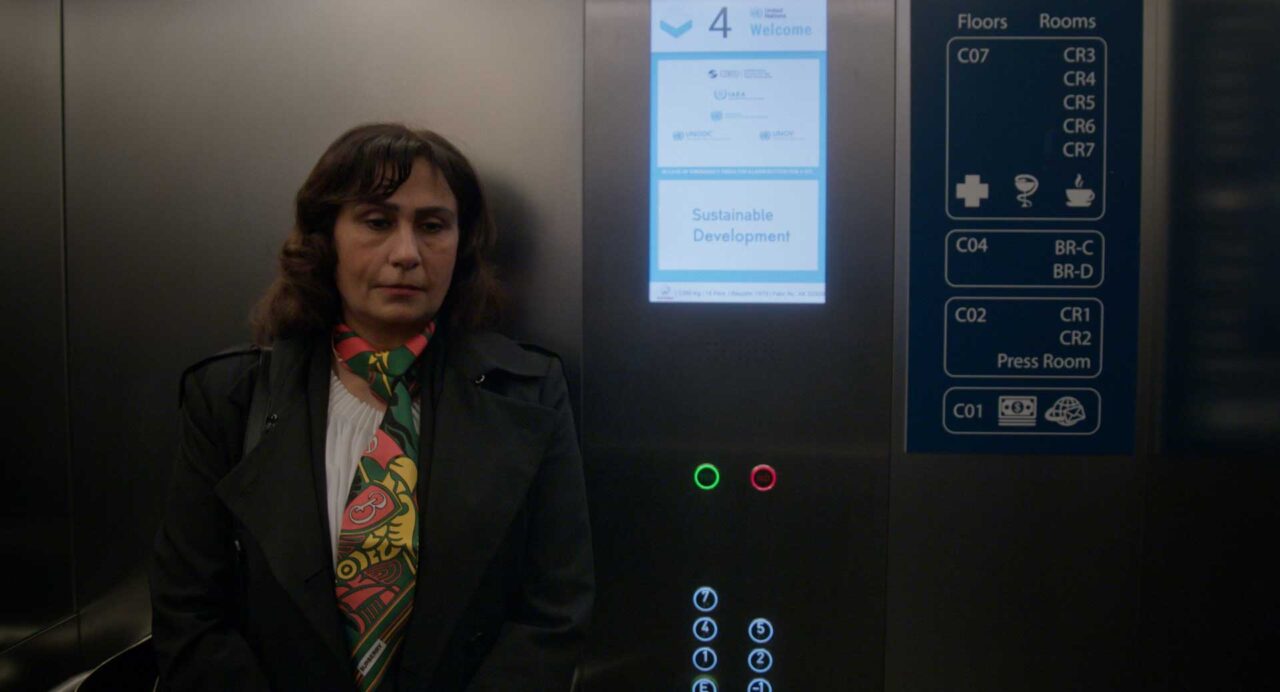
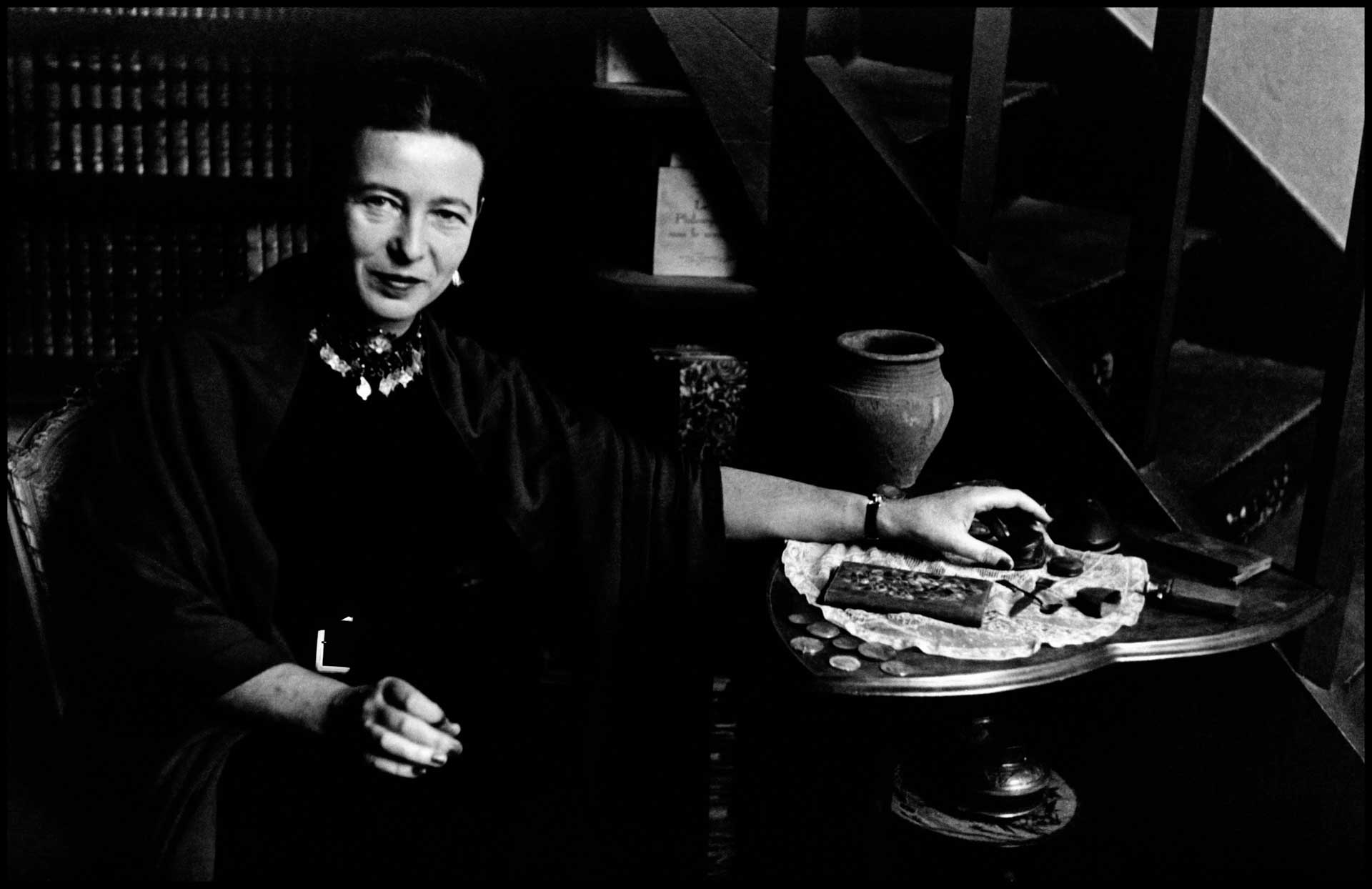
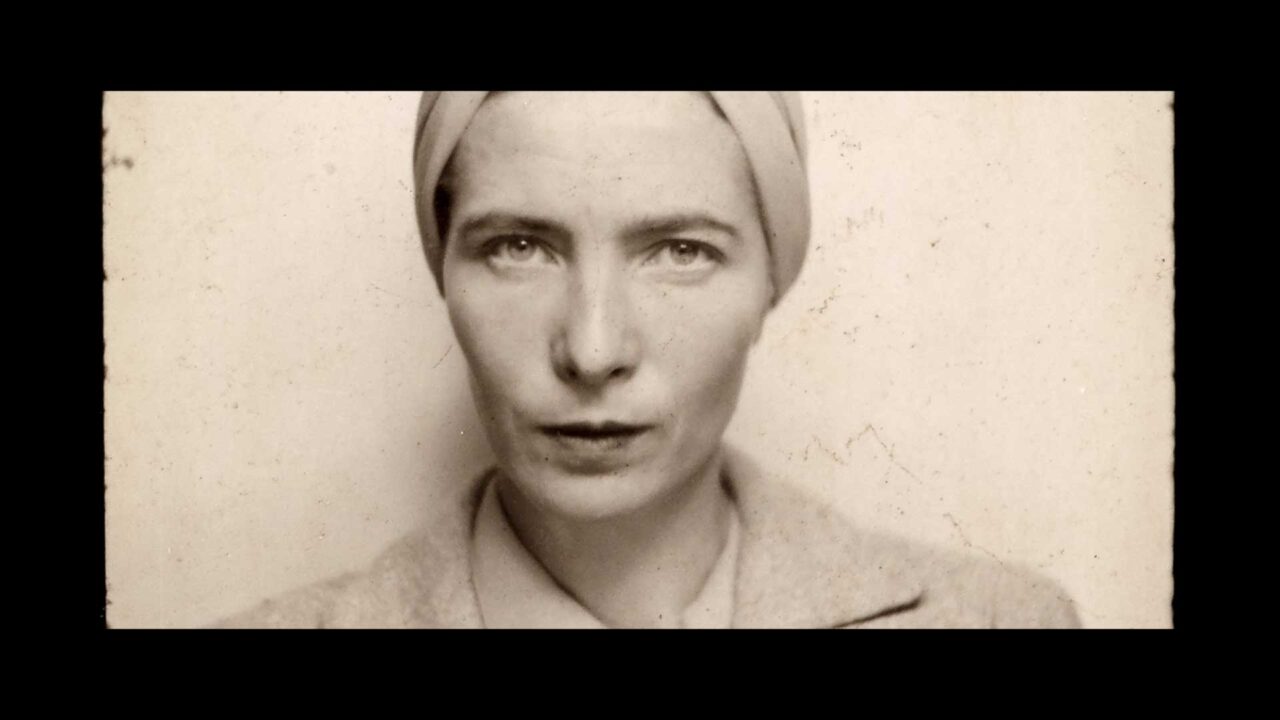
    A journey through the United States, where “The Second Sex” first took shape, becomes an opportunity to revisit Simone de Beauvoir’s groundbreaking work, illuminated by reflections from contemporary feminist theorists examining its impact and limitations.

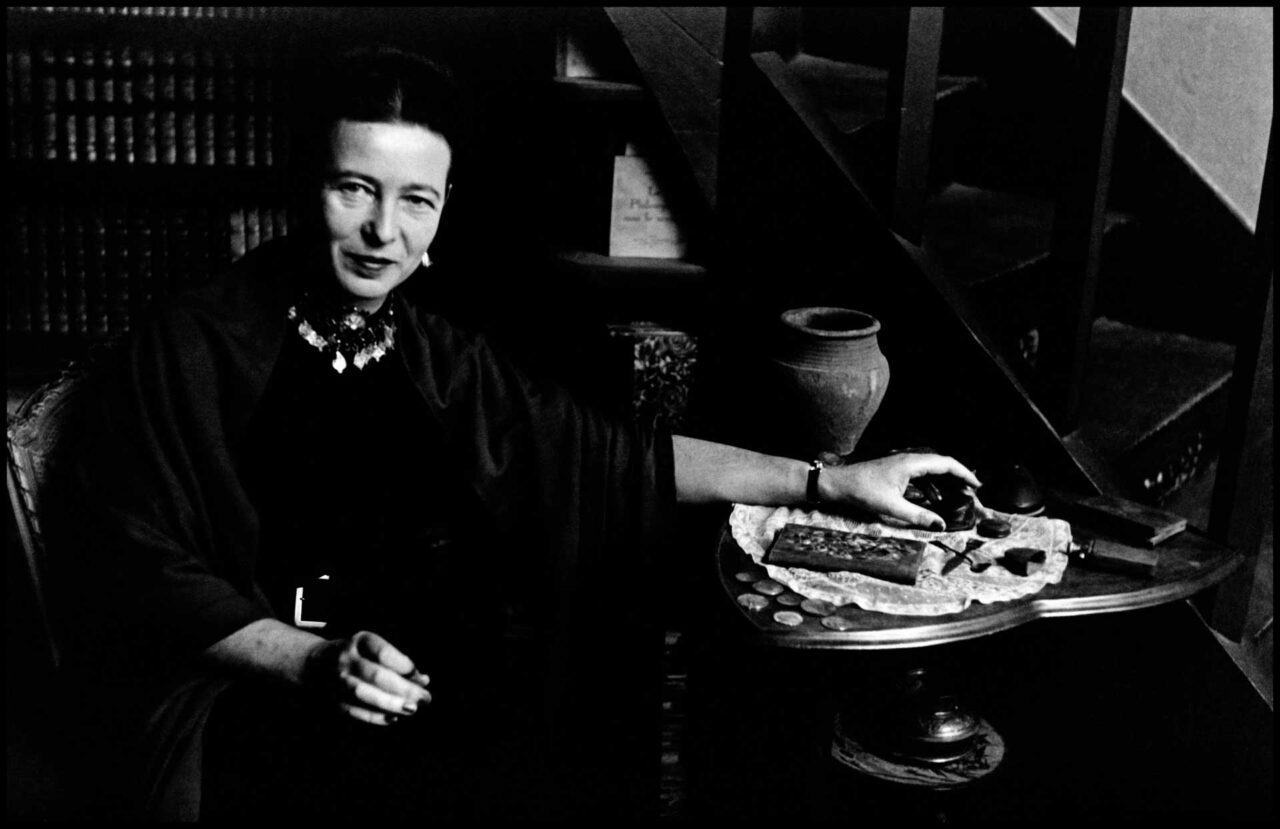
    When The Second Sex was published in 1949, it sent shockwaves through society: a thousand-page manifesto advocating gender equality, women’s independence, and liberation from rigid social norms. For the first time, a woman offered such a sharp and unprecedented analysis of the mechanisms of male domination in a postwar world that had yet to recognize the term “patriarchy.” The scandal was immense, and its success, global.

    Few people know, however, that the inspiration for The Second Sex originated in the United States, during Simone de Beauvoir’s lecture tour in 1947. Over the course of four months, she observed the country with the keen eye of an entomologist: scrutinizing the behavior of privileged young women, astonished by the rigid expectations imposed on New York women, outraged by the subjugation of wives, and shocked by the brutality of racial segregation in the South.

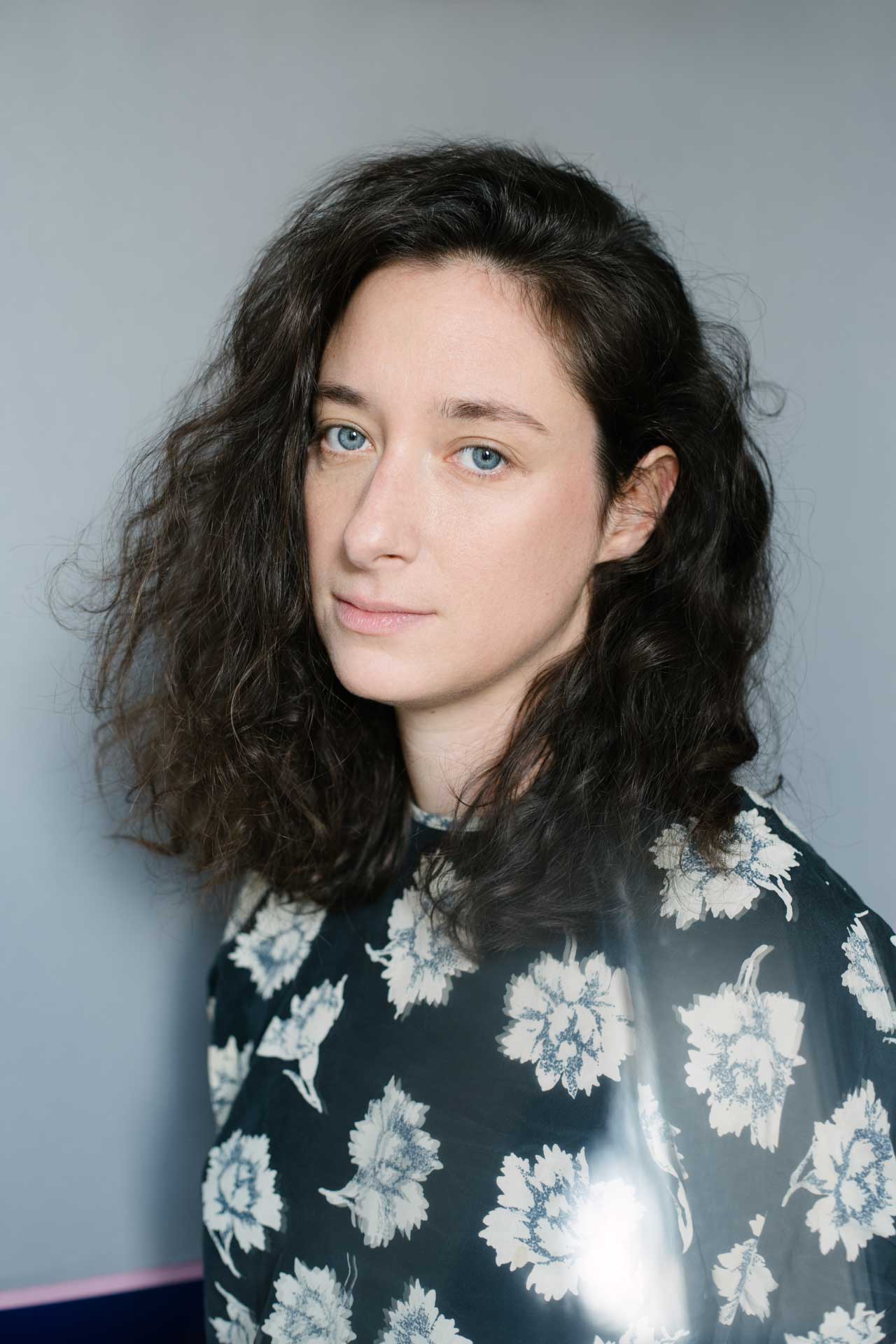
    The film by Nathalie Masduraud and Valérie Urrea is conceived as an initiatory journey into the origins of Simone de Beauvoir’s thought—an intimate and political expedition that brings her writings to life, brilliantly interpreted by French actress Noémie Merlant.

    At the same time, the film becomes a space for reflection led by some of today’s leading feminist thinkers: Judith Butler, Laure Murat, Silvia Federici, Kellie Carter Jackson, Caitlin Keliiaa, and Françoise Vergès. They examine the revolutionary ideas of The Second Sex, as well as its limitations and blind spots—making the film not only a tribute but also a critical dialogue with one of the most important texts of the twentieth century.

    20.09.2025
    20:30
    Kinoteka

    Nathalie Masduraud & Valérie Urréa

    Nathalie Masduraud, a graduate of La Fémis, has been active in the film industry since the 1990s. She directs documentaries, particularly artist portraits, including Ella Fitzgerald and Françoise Sagan. Her work also addresses social and historical issues, such as propaganda and collaboration during occupation, as well as living conditions in African communities. Valérie Urréa works in social documentary, exploring topics related to gender identity, ethnic issues, disability, and performing arts. She has also directed films focusing on choreographer Mathilde Monnier. Together, Masduraud and Urréa made their first joint film in 2014, Afrique du Sud – Portraits Chromatiques, a documentary on the South African photography scene, produced for Arte and accompanied by a mini-series. The theme of photography reappears in their next project, Focus Iran, l’audace au premier plan (2017), dedicated to the young Iranian scene and extended through the web series Iran#NoFilter. Their latest collaborative film is Looking for Simone.

    Director: Nathalie Masduraud & Valérie Urréa

    Producer(s): Julie Guesnon Amarante, Justine Henoschberg 

    Production: Les Batelières productions

    Language: English, French

    Subtitles: Polish, English
  • Girls for Tomorrow

    Girls for Tomorrow

    Girls for Tomorrow

    reż. Nora Philippe
    France, Belgium, Netherlands, Bulgaria / 2025 / 99 min / polish premiere

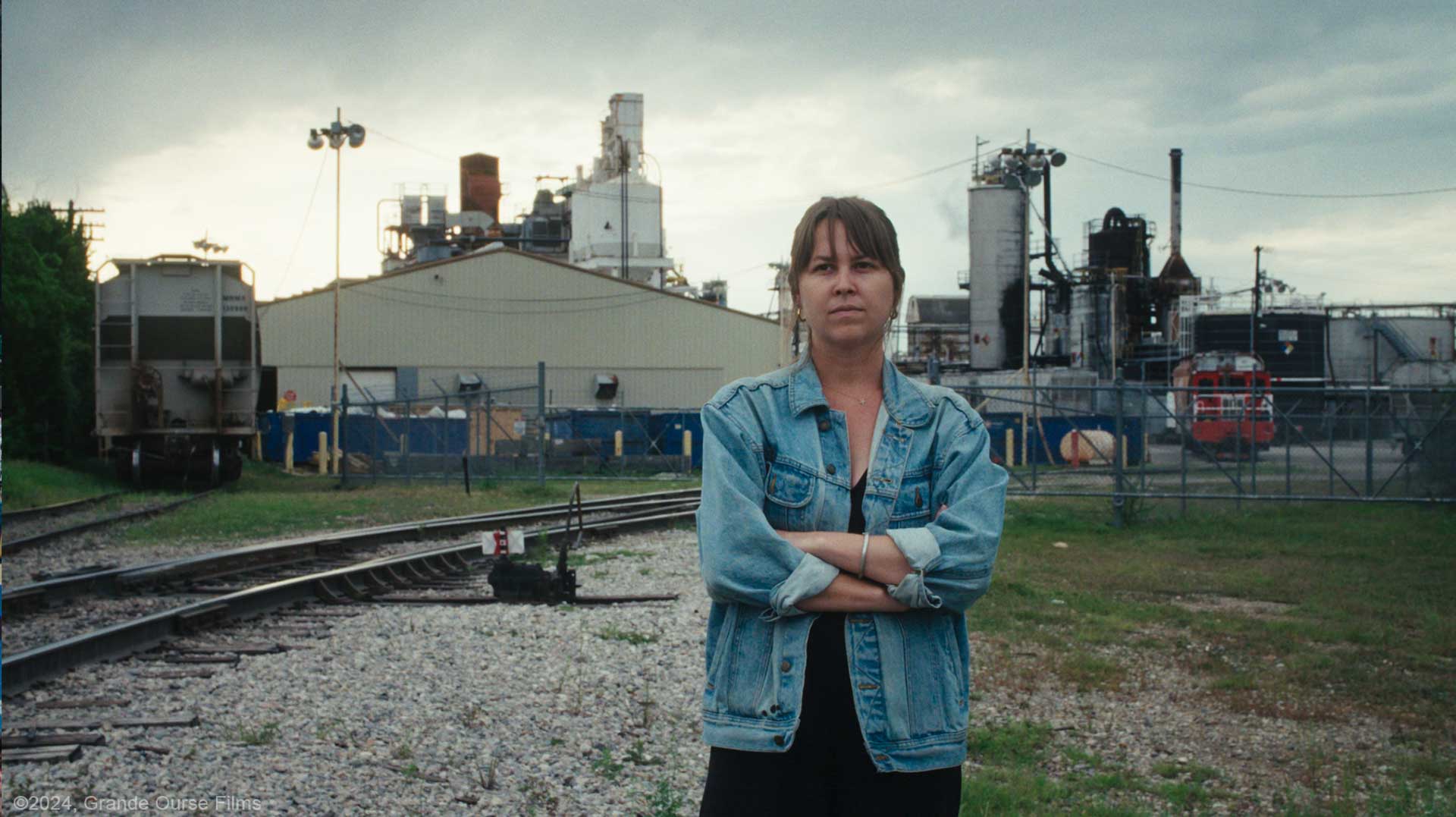
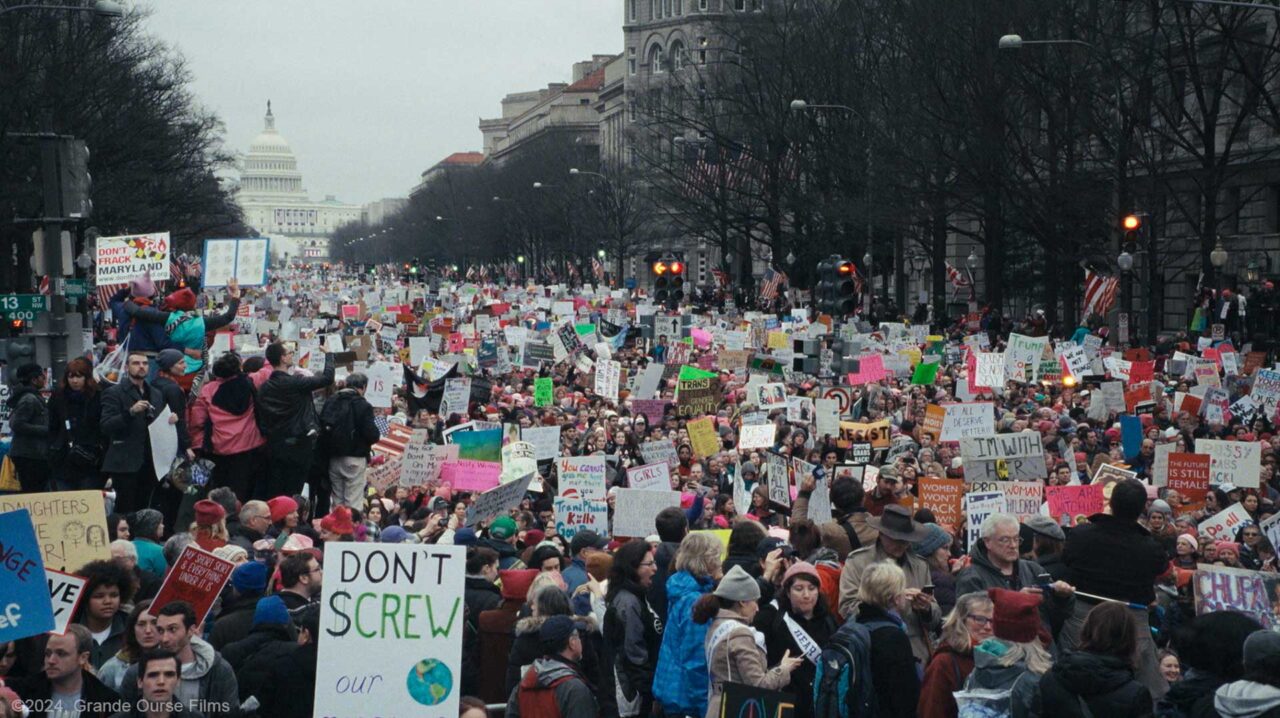
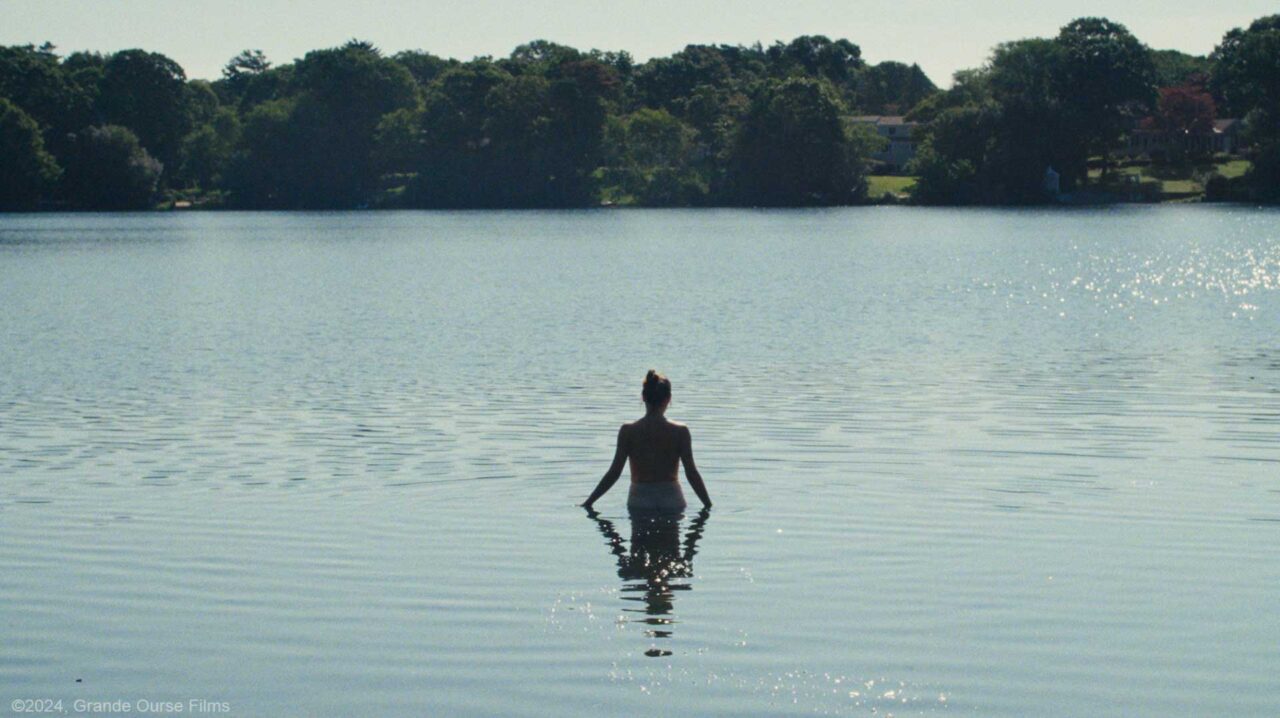
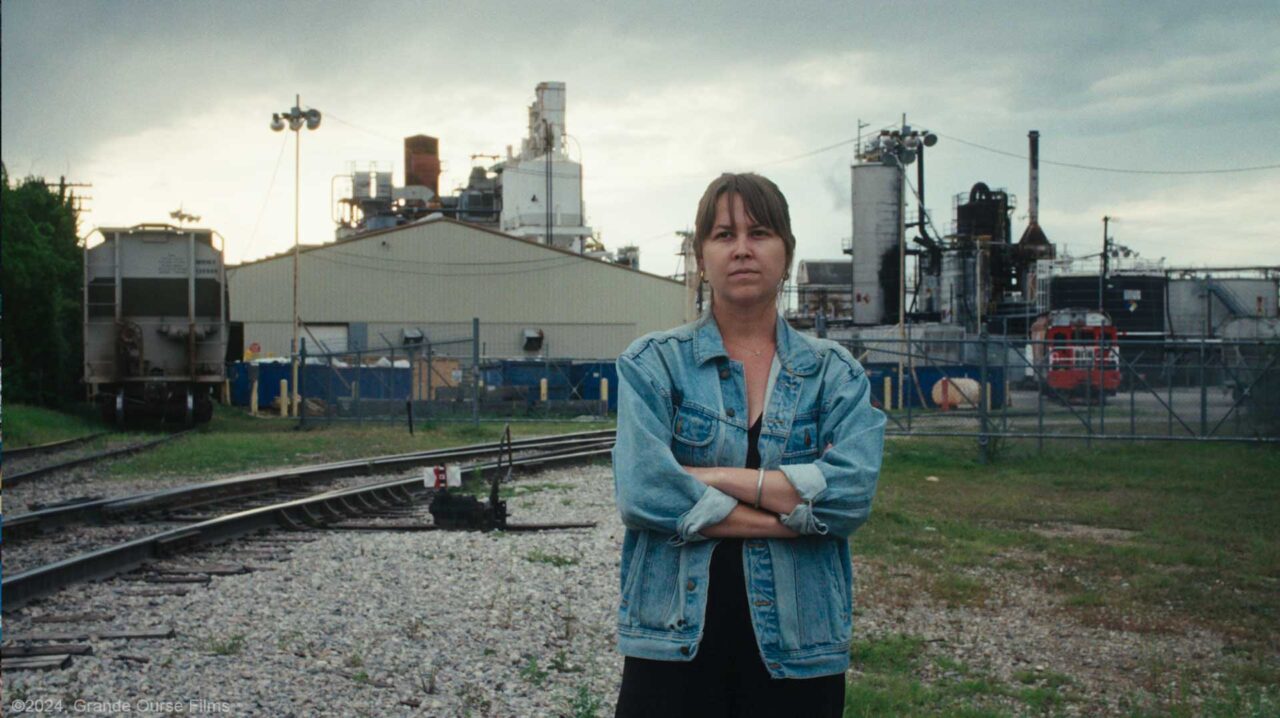
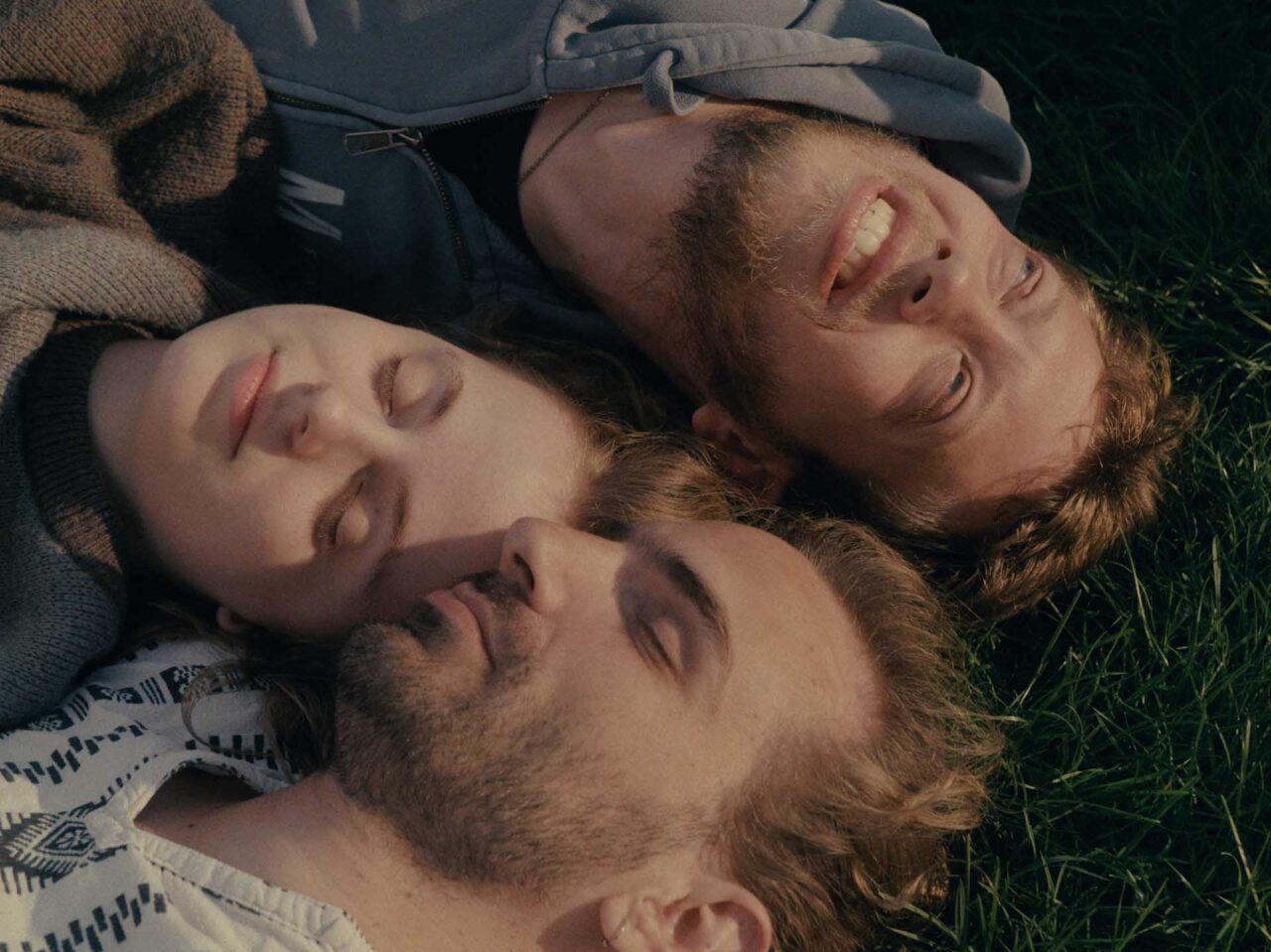
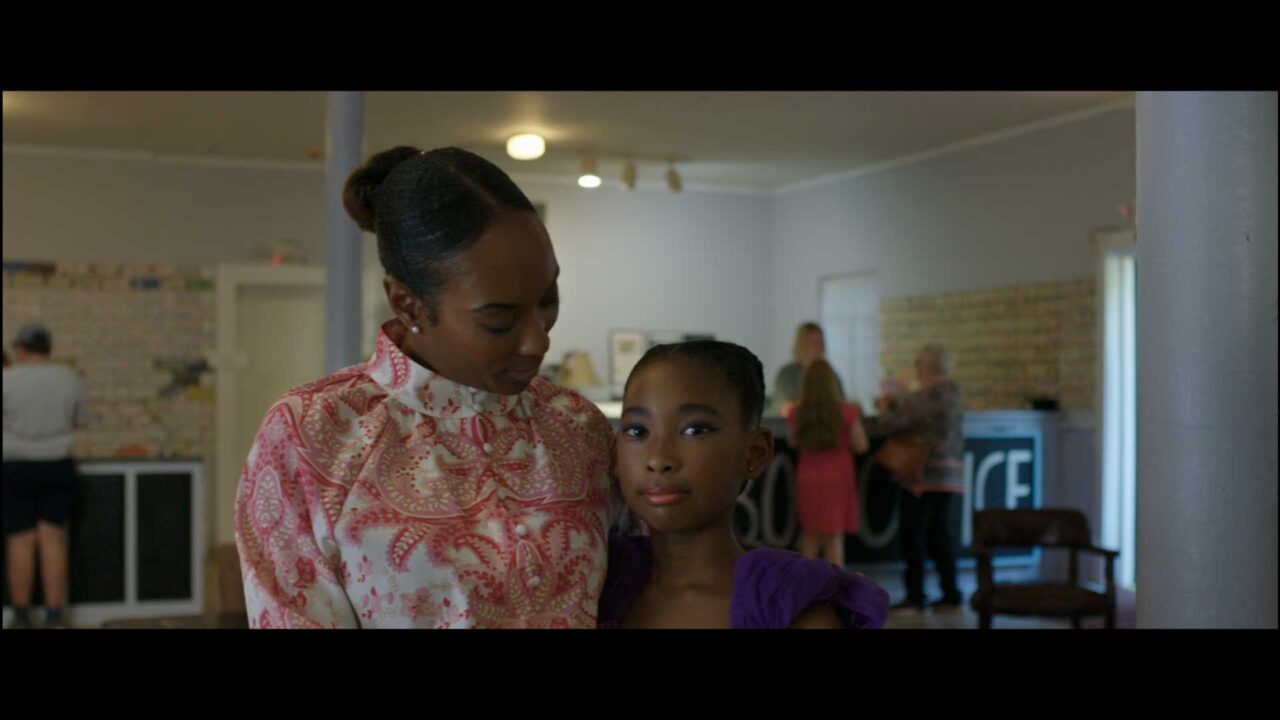
    Girl, woman, student, activist, friend, mother, daughter, traveler — four protagonists and nearly infinite identities. They studied in New York, and over the course of a decade the director captures their coming of age, crafting a hopeful portrait of sisterhood, identity, and the fight for the future.

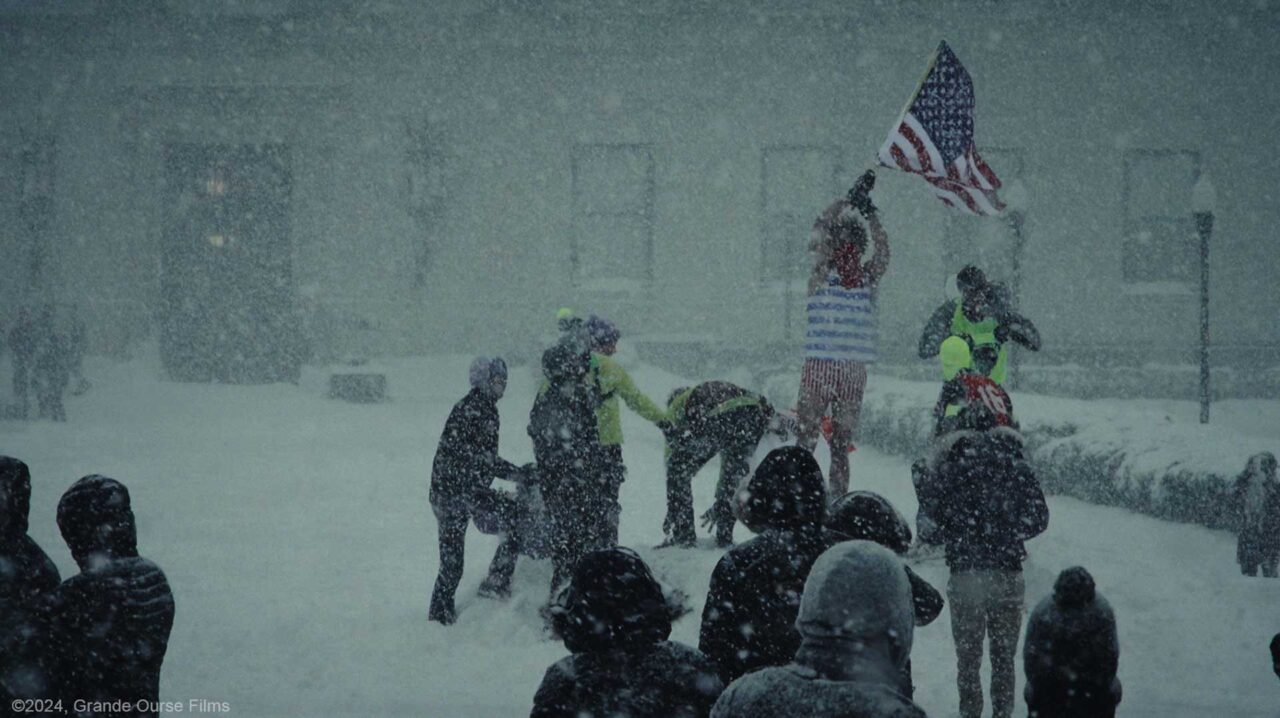
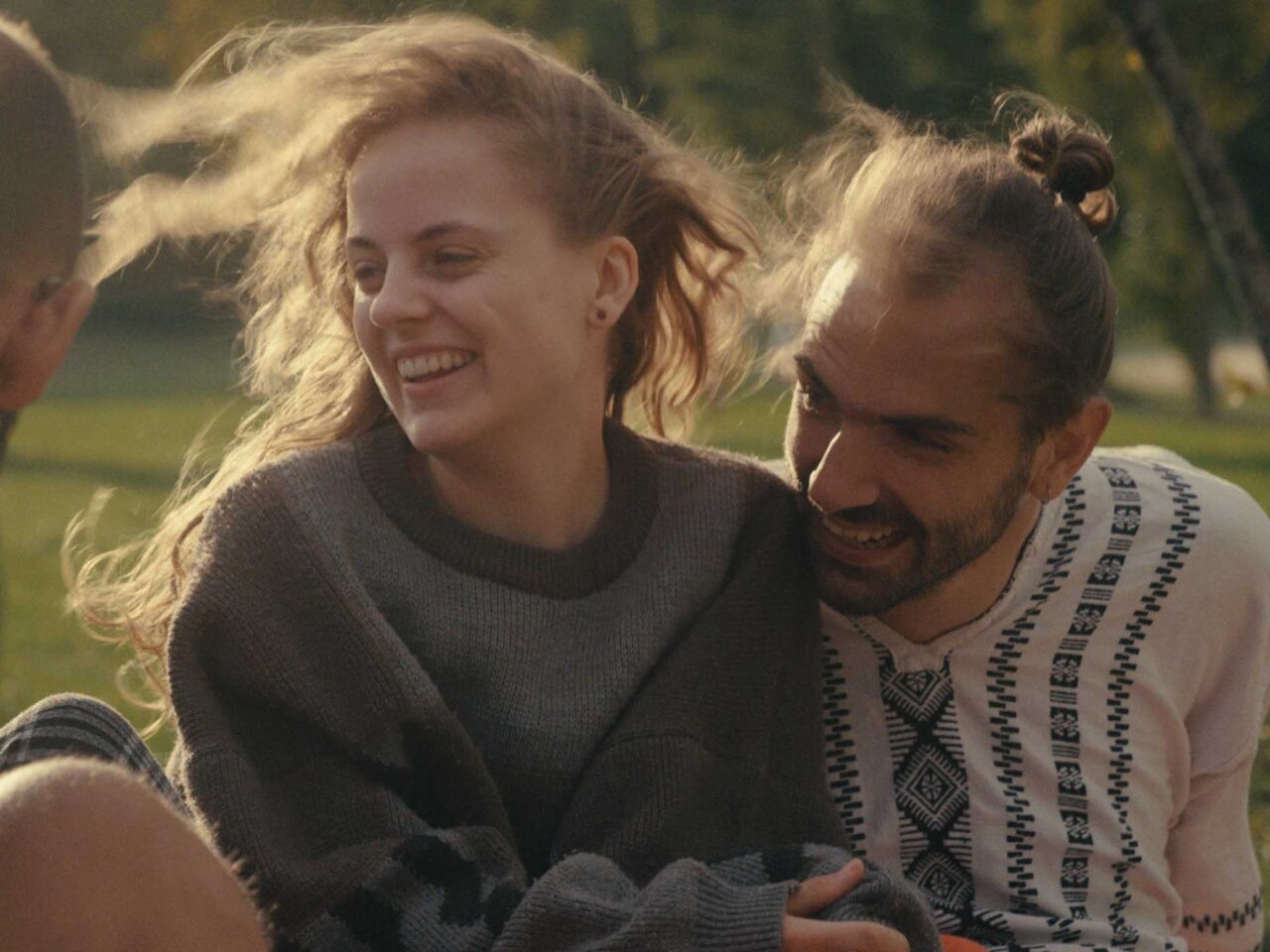
    How do young women shape their own narratives in times of political turmoil?  Evy, Lila, Anta and Talia study at Barnard College, a women’s liberal arts college in Manhattan with a history of activism. The four women, who are of diverse backgrounds, find solidarity in separate but interconnected struggles on campus, and beyond graduation as they seek their own paths to continue advocating for change.

    For ten years, director Nora Phillipe followed them with her camera. Over that time, their lives transformed many times, and these are stories in which we can see our own reflections. Personal and societal experiences intertwine: the protagonists explore their identities while navigating an uncertain world amid the deepening political darkness in the United States. Phillipe captures their intimate reflections, creating a growing cinematic archive of the future—a sisterly community of support. At the same time, she seeks new forms of expression as a mother, striving to inspire hope in the next generations.

    Screening with audio description.

    After the screening there will be a meeting with the producer Estelle Robin You.

    18.09.2025
    18:00
    Kinoteka

    Nora Philippe

    Nora Philippe is an award-winning documentary filmmaker, producer, curator, and the director of EURODOC. A graduate of prestigious École Normale Supérieure of Lyon, she holds a MA from Université Paris-1 in Art History, and a Professional Film Studies MA from Université Paris-7. She has also studied Cultural Institutions Management & Museology at NYU (Graduate School for Arts & Science) and Ecole du Louvre, and was a guest researcher at CNRS (National research Center) and a fellow at Columbia Institute for Ideas and Imagination in 2019-2020. Nora has curated from 2016 to 2021 an annual original film series for Columbia University (NYC and Paris). She has taught filmmaking at the École des arts décoratifs de Paris for a decade and Inclusion and diversity in the Film Industry at SciencesPo Lille. She runs mentoring programs and workshops for emerging directors, woman-identifying filmmakers and marginalized communities. Since March 2022, Nora serves as the Director of EURODOC, leading European training lab for documentary producers from worldwide: she sets the overall vision of the organization and oversees the pedagogical orientations of its international programs (European, French, Caribbean, BIPOC…). She has served as an expert in multiple festival jurys and fund committees (FIFDH, IDFA, RIDM, CPH:DOX, Unifrance, LaScam, CNC…).

    Director: Nora Philippe

    Producer(s): Estelle Robin You

    Production: Grande Ourse Films

    Language: English, French

    Subtitles: Polish, English
  • Forbidden Call

    Forbidden Call

    Forbidden Call

    reż. Marie Mandy
    France, Belgium / 2024 / 78 min / polish premiere

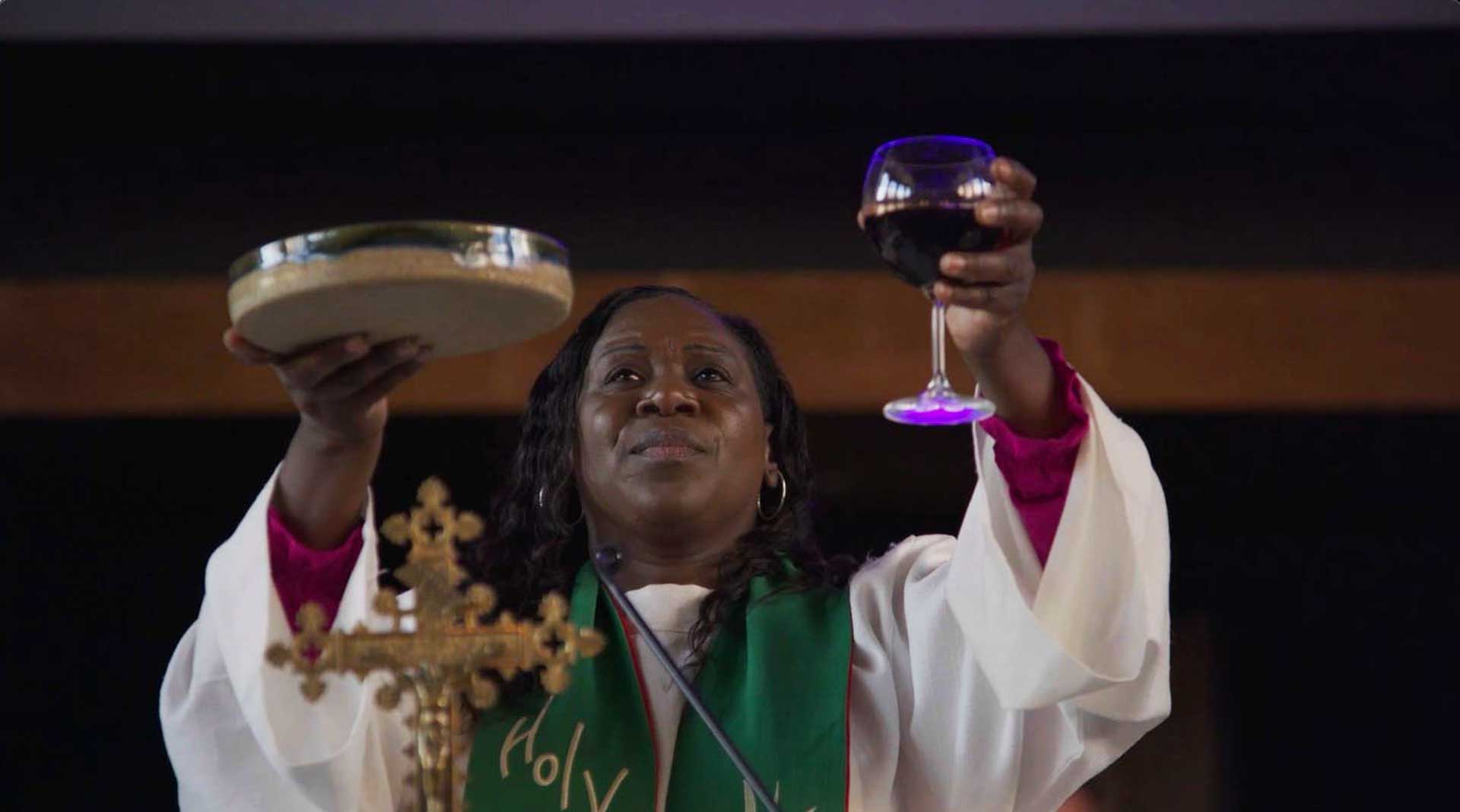
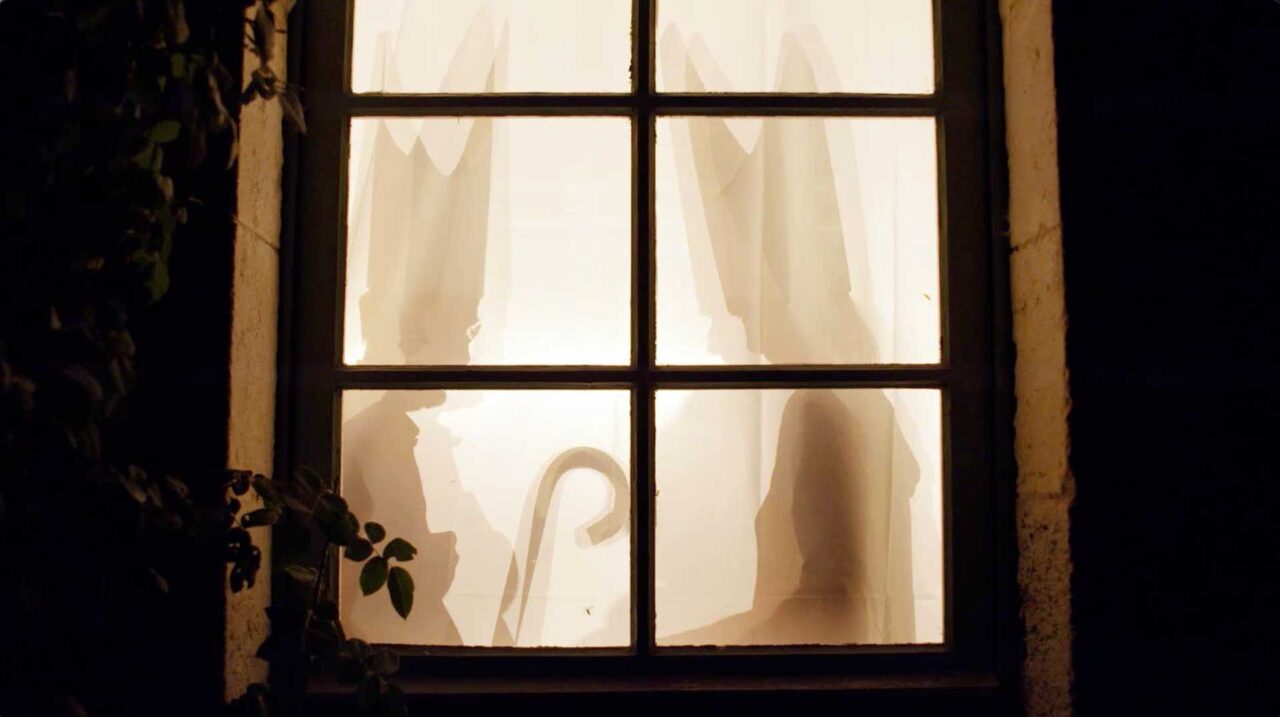
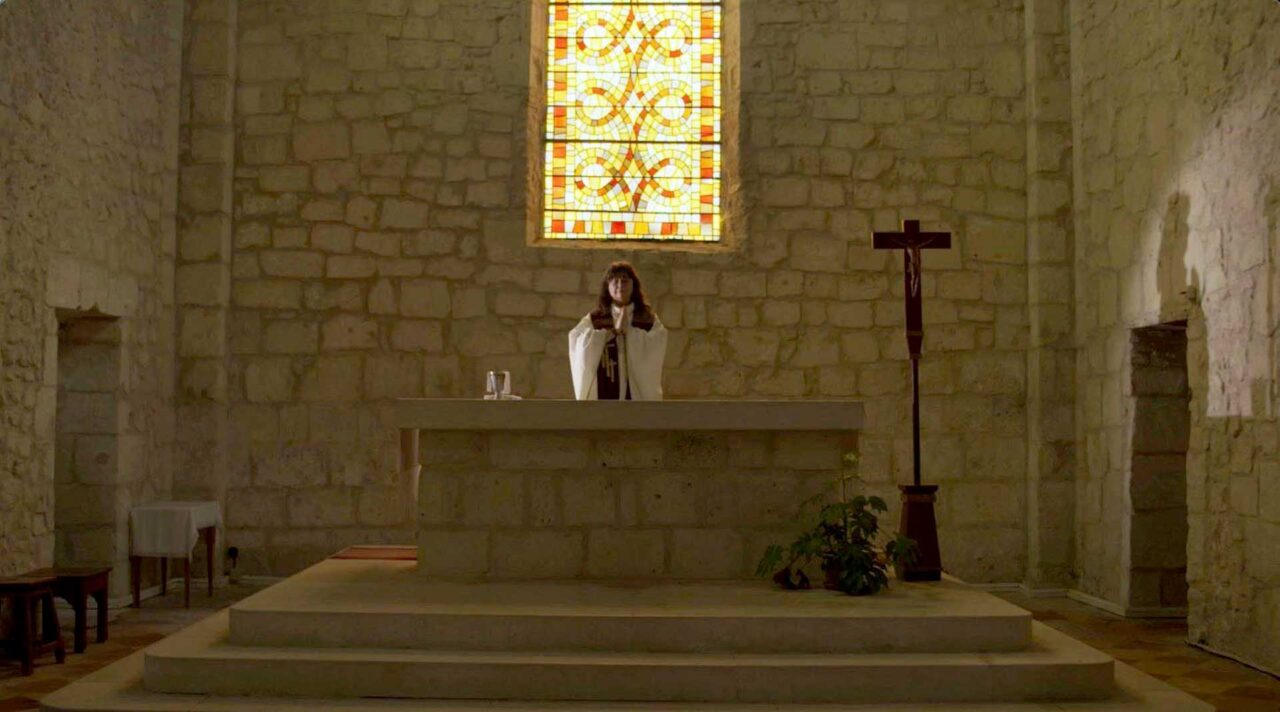
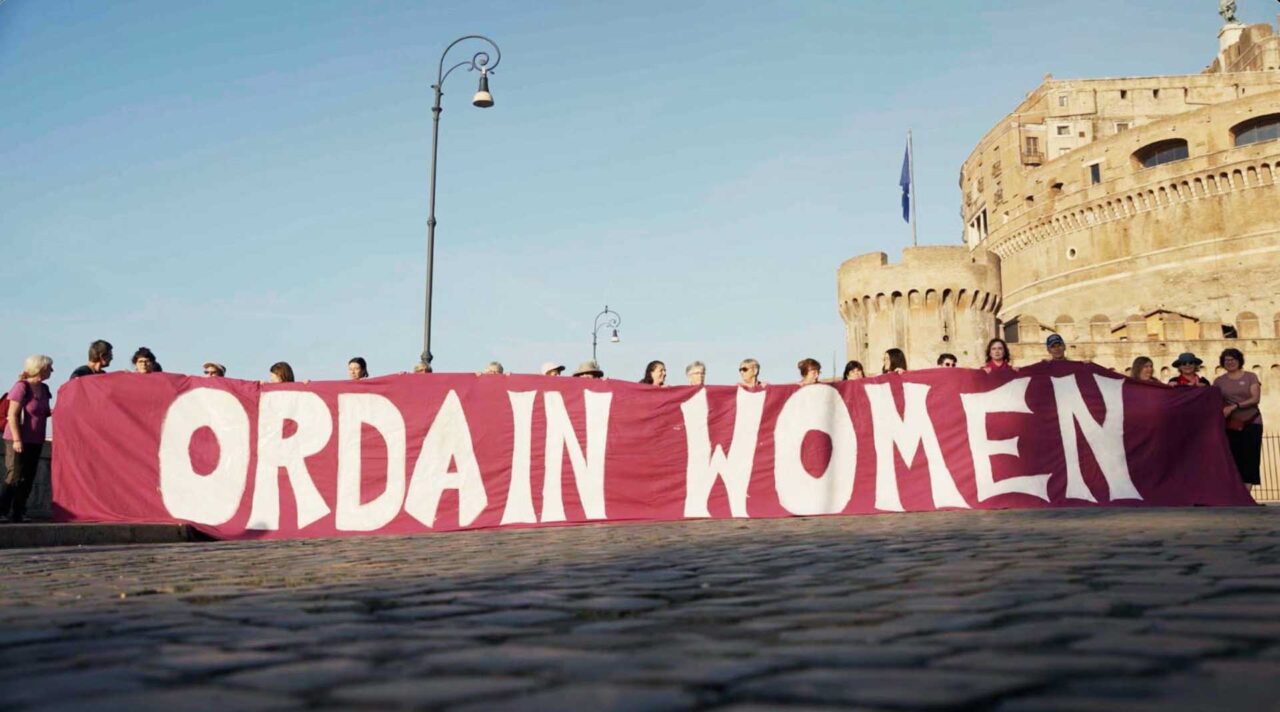
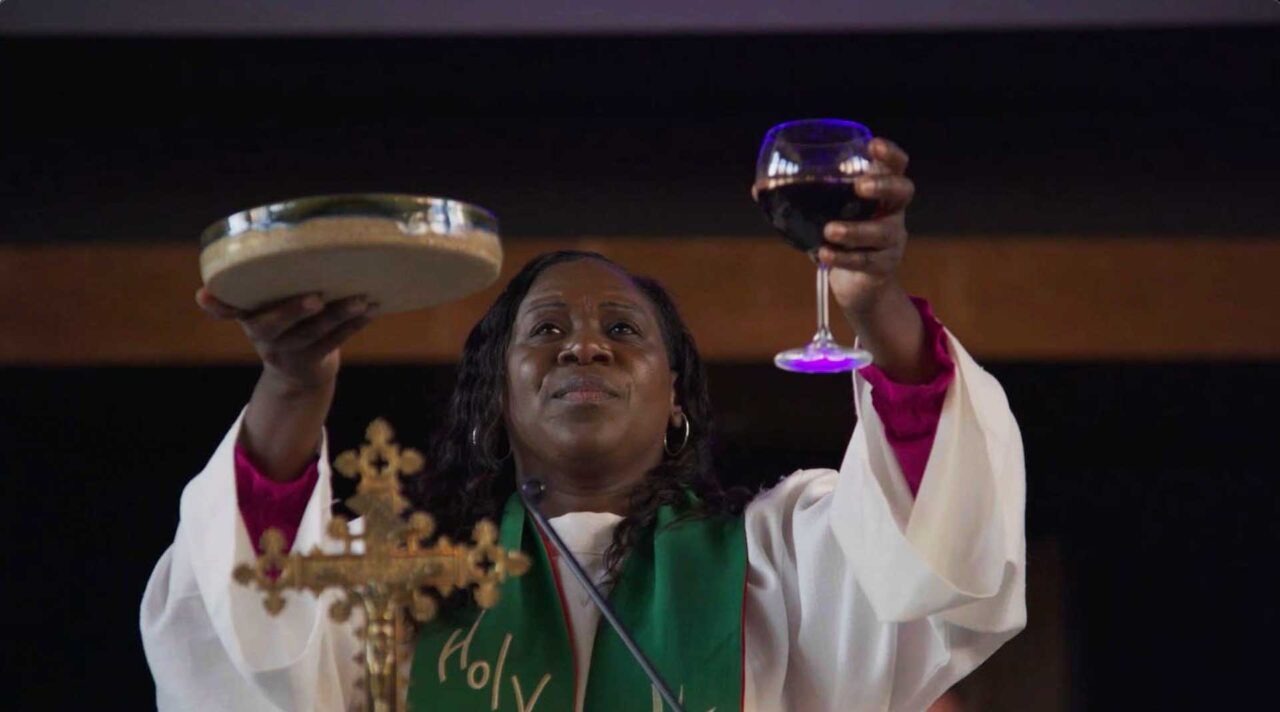
    Since their secret ordinations on the Danube in 2002, women priests in the Catholic Church have been challenging the Vatican, demanding an end to misogyny. For the first time, they succeeded in opening a dialogue with the Vatican, compelling cardinals and the pope to take a stance on the prohibited ordination of women.

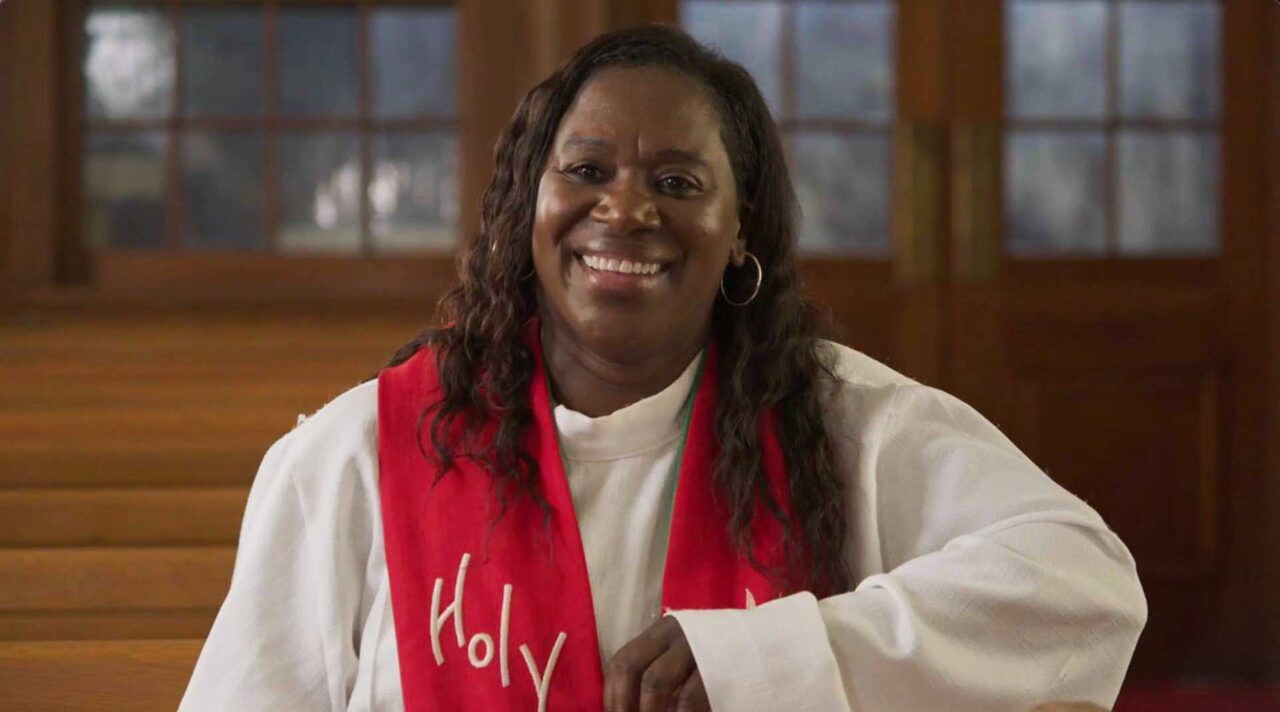
    The film follows three determined women in their quest to change Church doctrine. Jacqueline Straub, a Swiss theologian with a deep calling to the priesthood, has been writing to successive popes for fifteen years, pleading for gender equality in the Church and permission for women’s ordination. Christina Moreira, a Franco-Spanish rebel, was ordained in a catacomb, following the path of the “secret ordinations” on the Danube, which since 2002 have created over 300 women priests worldwide. Despite being excommunicated, she continues to serve her Spanish parish. Across the Atlantic, Myra Brown, a Black priest, leads a congregation of 1,500, steadfastly defying the bans.

    Together, these women undertake a probing investigation at the very heart of the Vatican, the last bastion of institutional misogyny, challenging centuries-old tradition, reinterpreting sacred texts, and dismantling the theological, political, and cultural arguments behind the unjust prohibition. For them, the ordination of women is only the first step toward broader change: allowing priests to marry, combating gender discrimination, and recognizing same-sex unions.

    After the screening there will be a meeting with the film director Marie Mandy.

    21.09.2025
    18:30
    Kinoteka

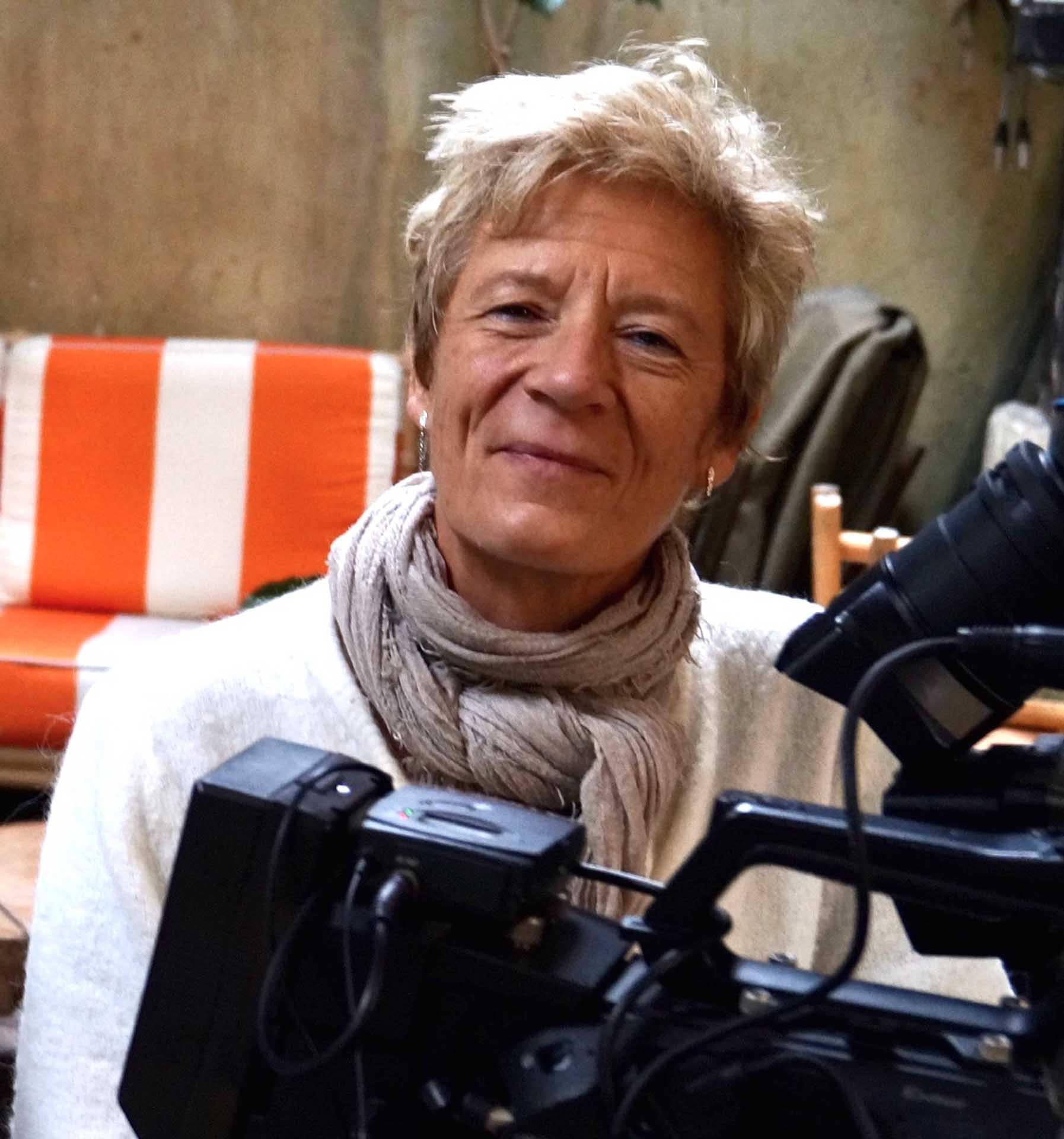
    Marie Mandy

    Belgian filmmaker and photographer whose 35 documentaries explore gender, sexuality, spirituality, and health. Trained at the London International Film School, her award-winning works include Filming Desire (2001) on the Female Gaze, Seeing (Without Sight) (2004, Prix Europa), and A Diary of Healing (2010, Scam Étoile, Prix Europa). More recent films such as Women Prefer to Laugh (2022, Critics’ Prize, FIFF Namur) and Forbidden Call : Women Priests (2024, Best Impact Award, Millenium Festival) continue her exploration of feminism and social justice. She also teaches documentary writing in Paris and Aix-Marseille.

    Director: Marie Mandy

    Producer(s): Victor Ede, Hanne Phlypo

    Production: Cinephage Productions, Clin d’oeil films

    Language: English, German, French, Italian

    Subtitles: Polish, English

  • Tender Revolution

    Tender Revolution

    Tender Revolution

    reż. Annelie Boros
    Germany / 2024 / 95 min / polish premiere

    “Is a reality full of care and tenderness possible?” asks the director, as she films the stories of four people performing invisible work for a better world. Their moving testimonies form a narrative of the “tenderness revolution,” evoked by Olga Tokarczuk in her Nobel lecture.

    “Since the death of my friend, one question has never left me: could there be a world in which she would have wanted to live? A world where no one is left alone with their problems, where we have the time and space to truly care for the needs of others? A world full of care?”

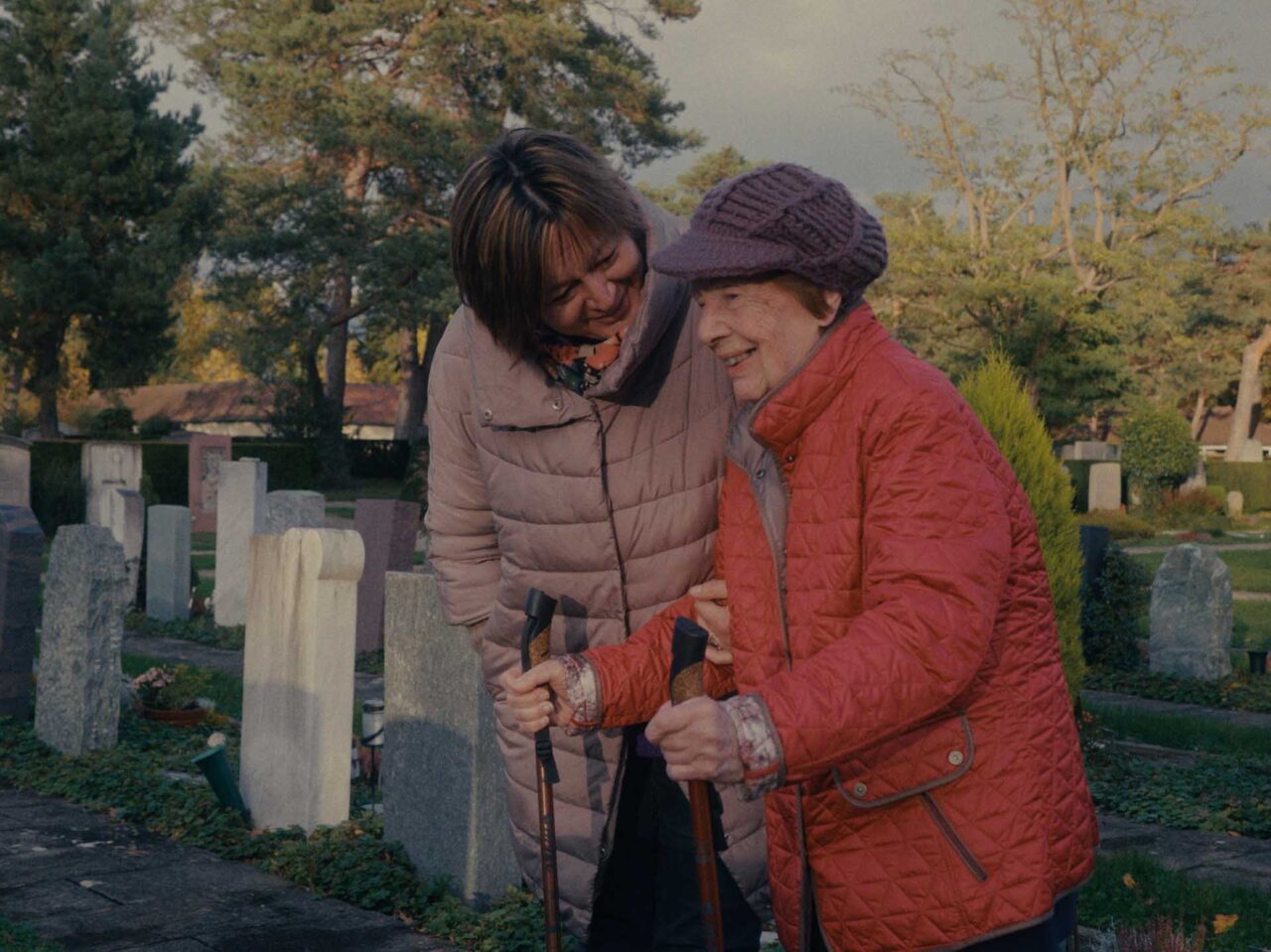
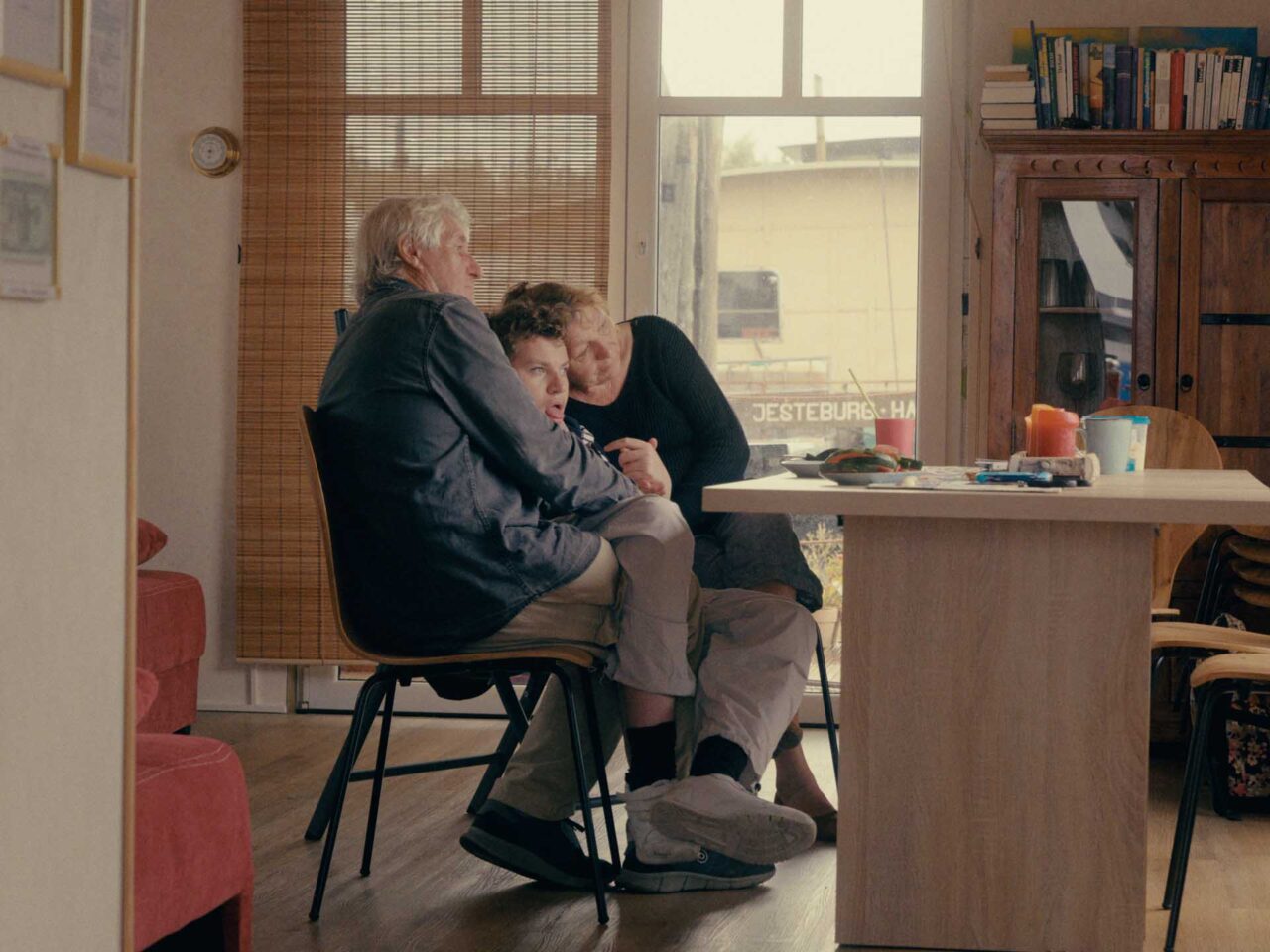
    The director tells the stories of four people who put care and compassion at the center of their lives. Arnold from Hamburg looks after his disabled son Nico 24 hours a day, yet still finds the strength to fight tirelessly for the rights of family caregivers. 

    Bożena, a Polish live-in carer whose life changed dramatically after working in Germany, now supports other carers and encourages them to stand up for their rights. Amanda, an activist from Peru, can no longer watch as the climate crisis destroys her family’s environment. She knows that human health and the health of the planet are one and the same. And Samuel, a wheelchair user who loves spending nights in the sauna with friends, is building an inclusive home.

    They all want to make the world a place of tenderness and care. But they know painfully well how difficult this is: while sustaining life every day, they themselves often live on the edge of exhaustion. Society rarely notices, and even more rarely values, their work — there is never enough time or money to care for oneself and others in a dignified and sufficient way.

    They want to change everything. But how?

    After the screening there will be a meeting with actress Bożena Domańska.

    21.09.2025
    16:00
    Kinoteka

    Annelie Boros

    Born 1991 in Munich, studied documentary film and television journalism at the HFF Munich. Her films Mars Closer and Fuck White Tears were screened at international festivals (e.g. Visions du Réel, DOK Leipzig) and awarded with numerous prizes (e.g. Starter Filmpreis, FFF-Förderpreis). Her film F32.2 was nominated for the Student Academy Award® in 2018 and won the Young Eyes Film Award at DOK Leipzig. In 2020 her fictional graduation film Kräfte premiered at the Nordische Filmtage and won the audience award at Sehsüchte Potsdam in 2021. Her documentary Die Gewichtheberin screened at the Hofer Filmtage and was broadcast on 3Sat in the “Ab 18!” program.

    Director: Annelie Boros

    Producer(s): Matthias Greving

    Production: Kinescope Film GmbH

    Language: German, Polish, Spanish

    Subtitles: Polish, English
  • The Last Ambassador

    The Last Ambassador

    The Last Ambassador

    reż. Natalie Halla
    Austria / 2025 / 80 min / polish premiere

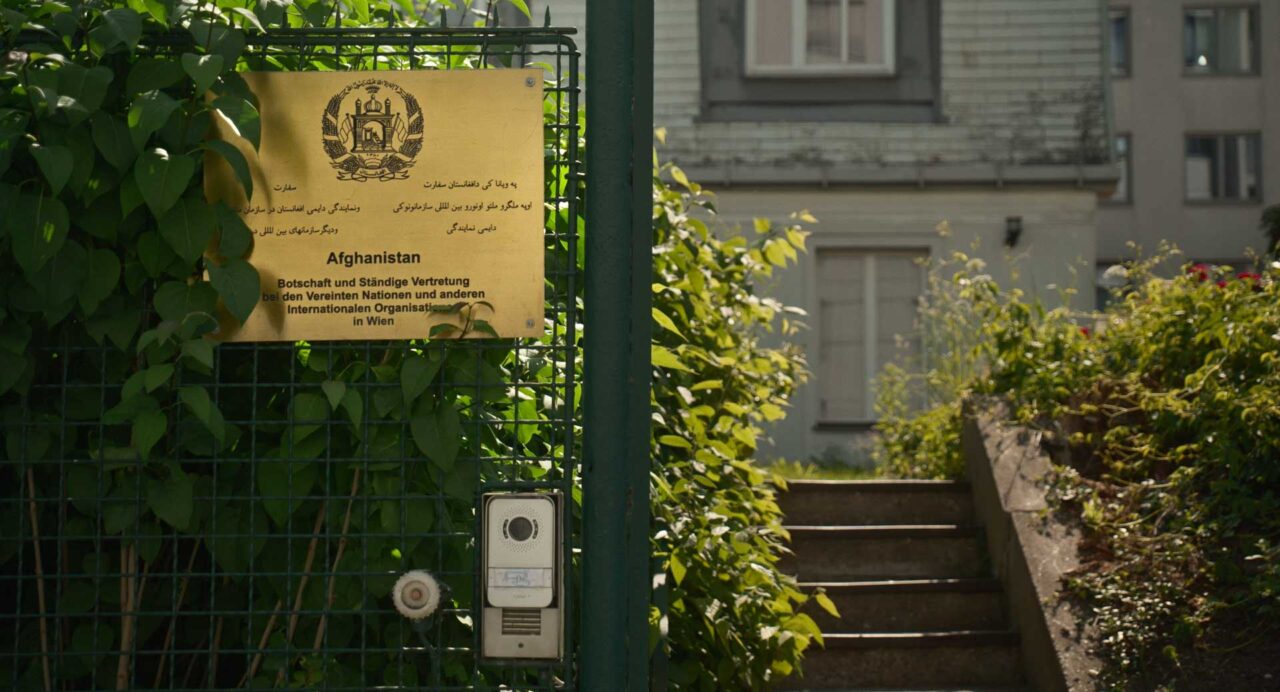
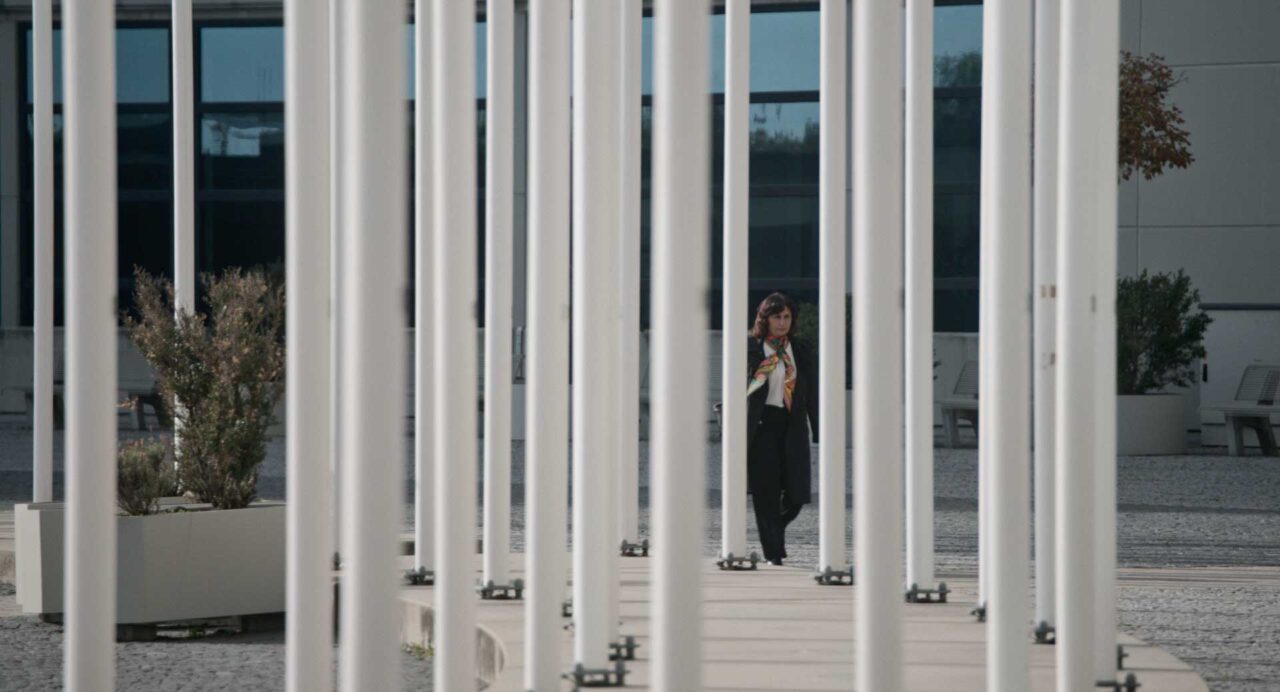
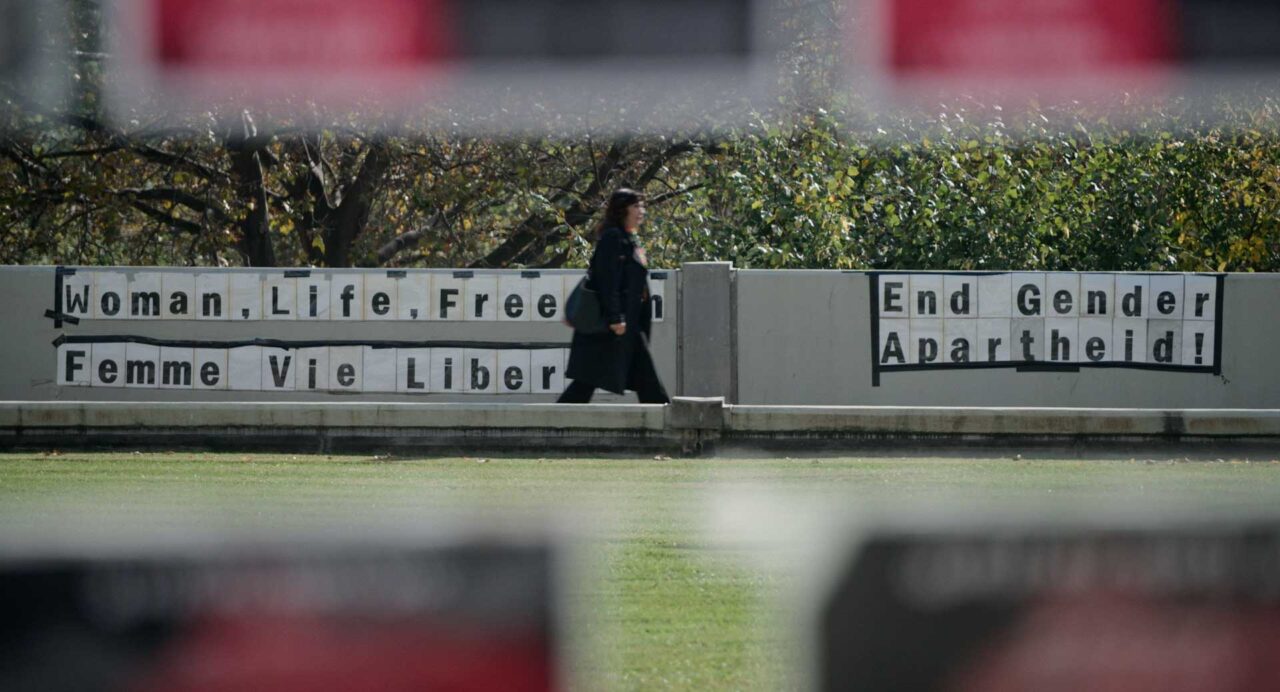
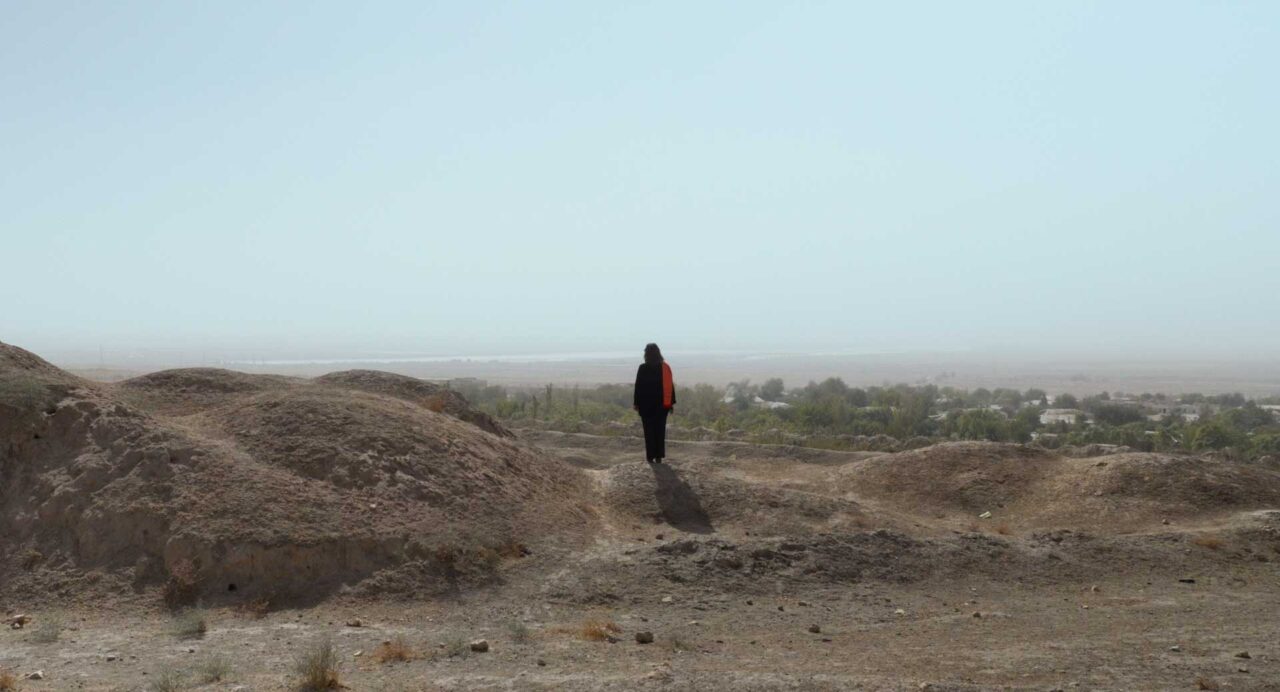
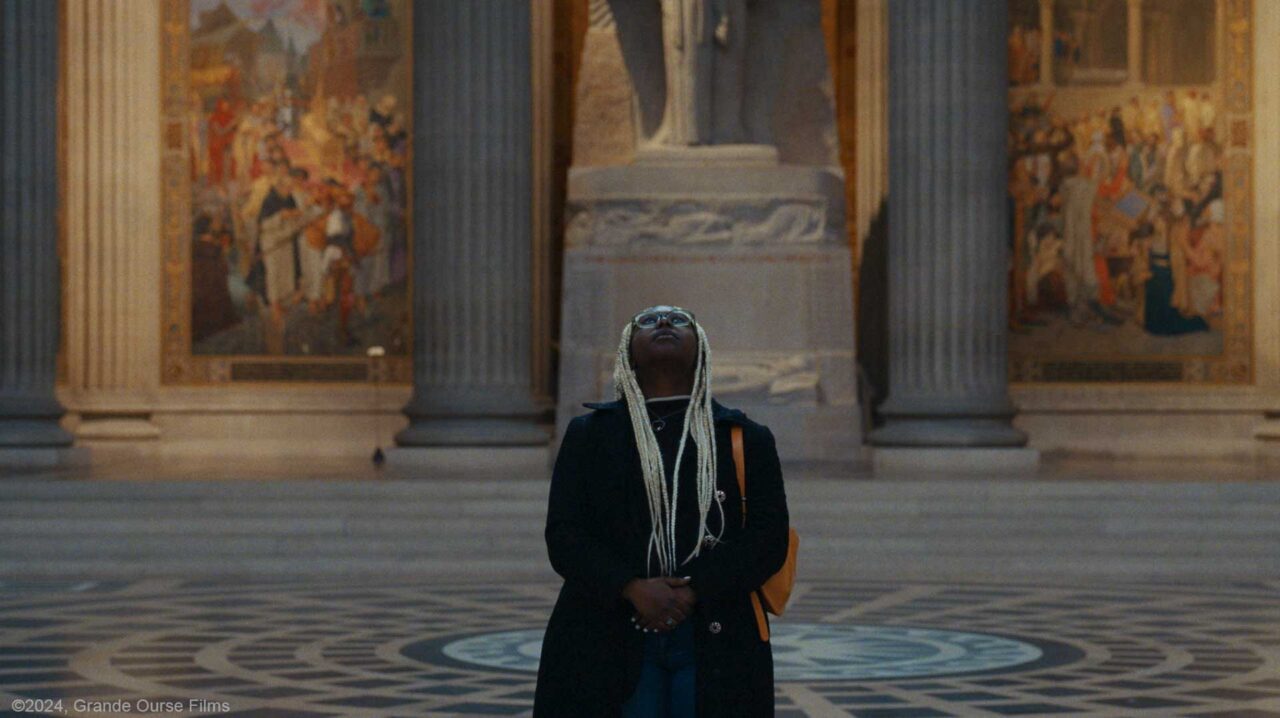
    What role does education play in the fight for equality? Since 15 August 2021, when the Taliban took power, Manizha Bakhtari, the last Afghan ambassador, has been fighting for the rights of women and girls. The film follows her covert efforts and explores courage, diplomacy, and solidarity under extreme political conditions.

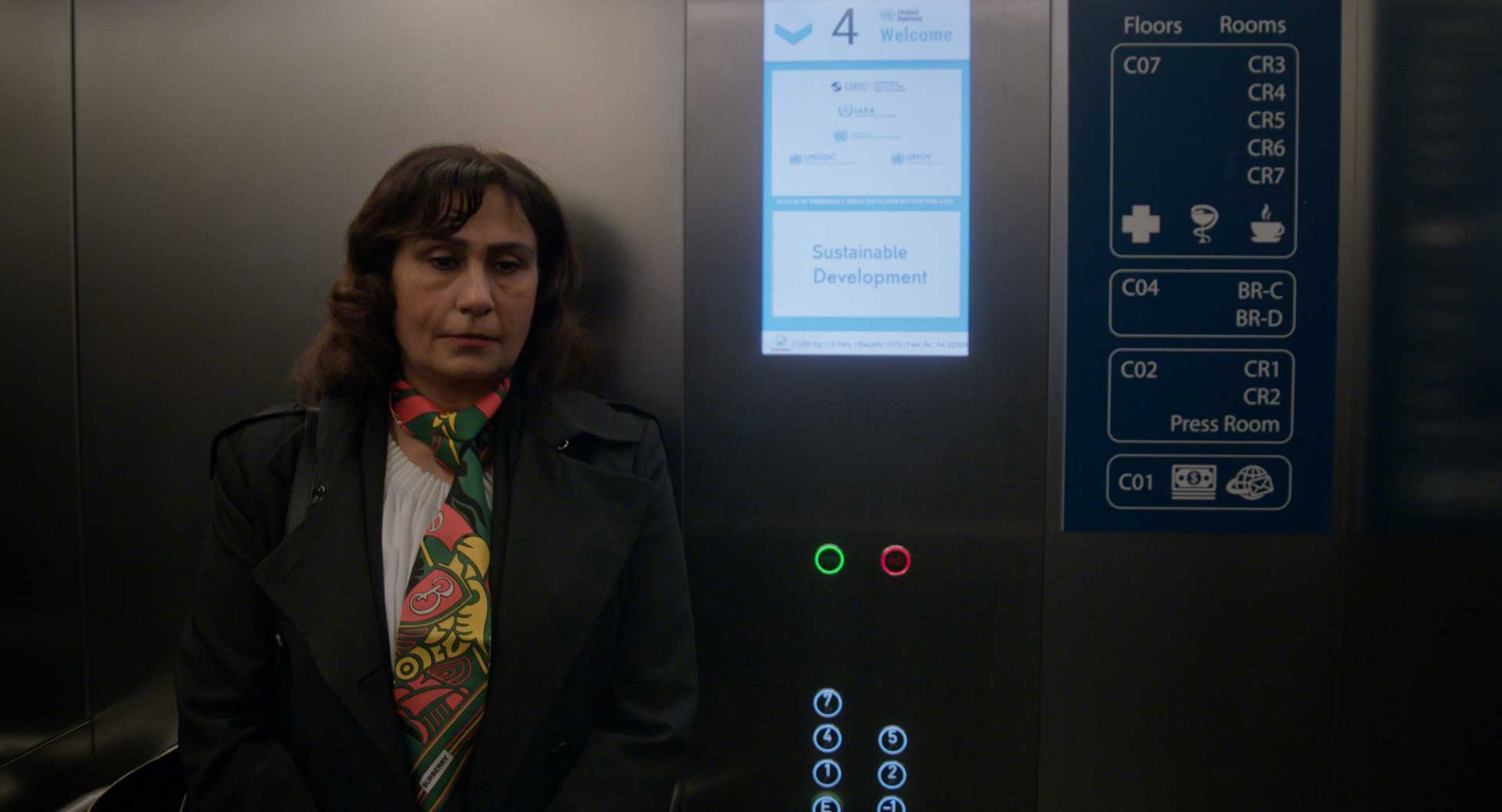
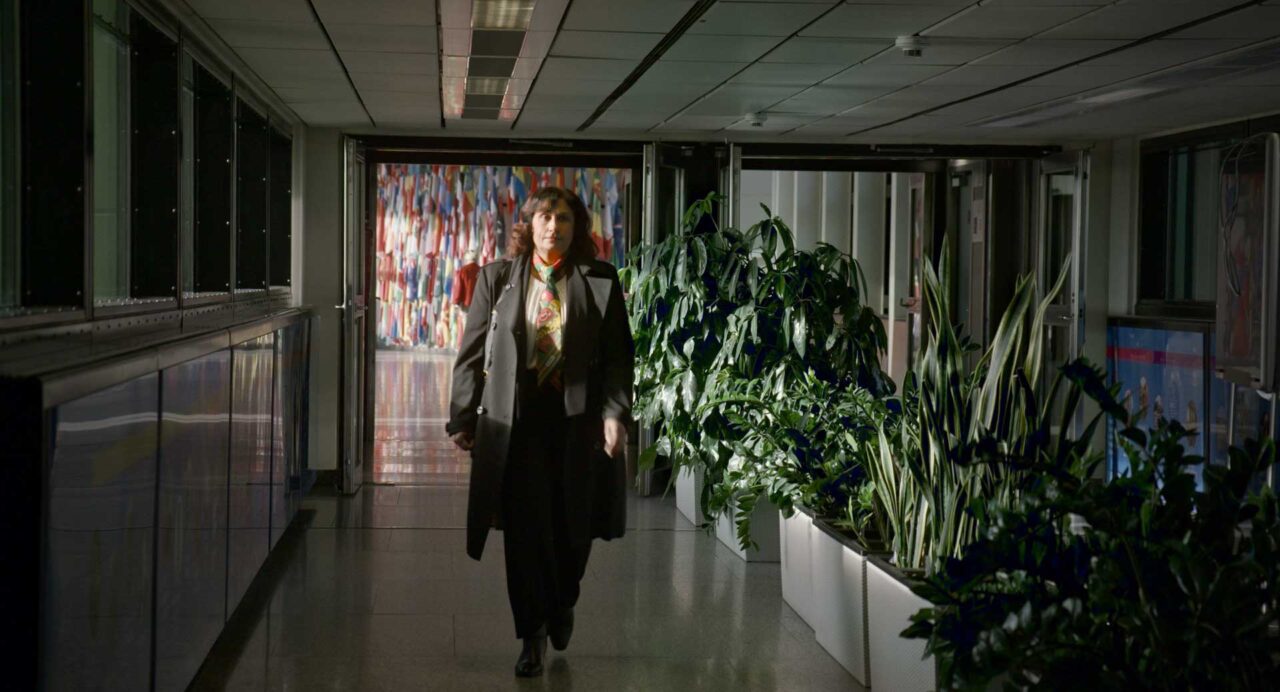
    How crucial is education in the fight for equality? “Women are a key part of society…” – these words were spoken at the first Taliban conference after they took power in Afghanistan in 2021. It was a lie aimed at the international community, while the situation for women in the country continues to deteriorate. The film follows Manizha Bakhtari, the last Afghan ambassador, who risks everything to fight for the rights of women and girls.

    As Afghanistan’s ambassador in Vienna, she finds herself in an extraordinary position: representing a country whose previous government fled, while the new Taliban regime is not recognized internationally. Despite financial and logistical isolation, Bakhtari persists, continuing her advocacy for Afghan women. Through her program Daughters, she enables secret education for girls while organizing political resistance against the Taliban. Under increasingly difficult conditions, she has become one of the most important international voices for Afghan women, calling on the world to pay attention to their tragic situation. Her mantra reflects her mission: “Peace is not the absence of war, but the presence of justice”.

    After the screening there will be a meeting with the film director Natalie Halla.

    18.09.2025
    20:30
    Kinoteka

    Natalie Halla

    Natalie Halla studied law and translation (Russian, Spanish) at Karl-Franzens University of Graz. After several years of studies and job assignments in many countries, she started her career as an independent documentary film maker, for which she gained her skills as an autodidact. Since 2010 she has directed and produced nine award winning feature-length documentaries, mainly focused on human interests stories and fundamental rights. Natalie Halla has given Masterclasses and been nominated jury member in several international film festivals.

    Director: Natalie Halla

    Producer(s): Peter Drössler, Arash T. Riahi, Sabine Gruber, Natalie Halla

    Production: Golden Girls Filmproduktion & Filmservices GmbH, Natalie Halla

    Language: Dari, English

    Subtitles: Polish, English
  • Azza

    Azza

    Azza

    reż. Stefanie Brockhaus
    Germany, Saudi Arabia / 2025 / 89 min / polish premiere

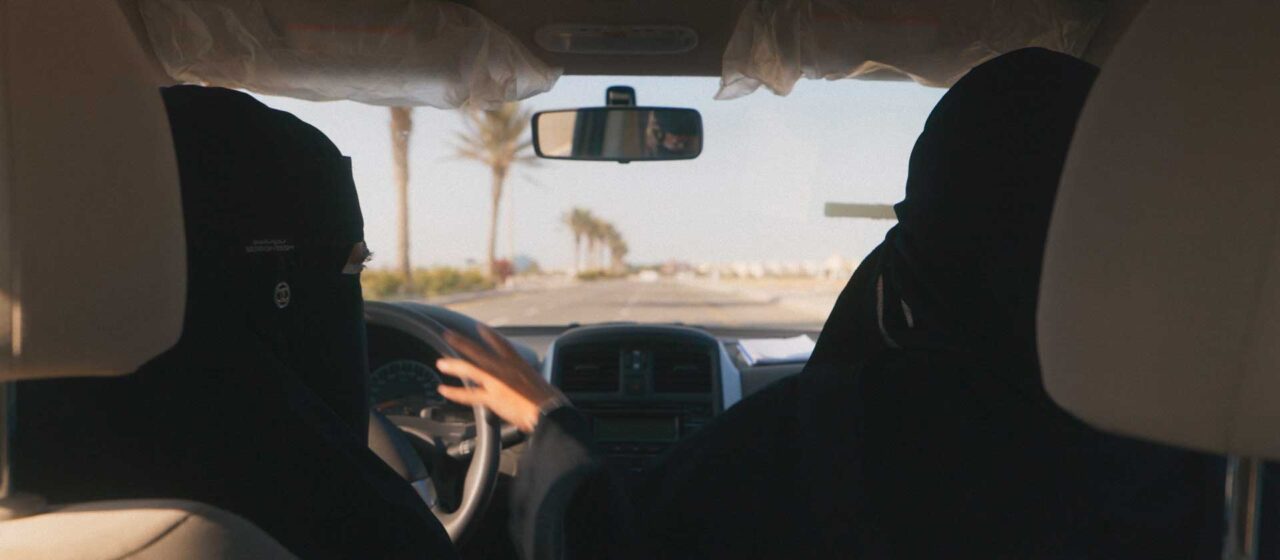
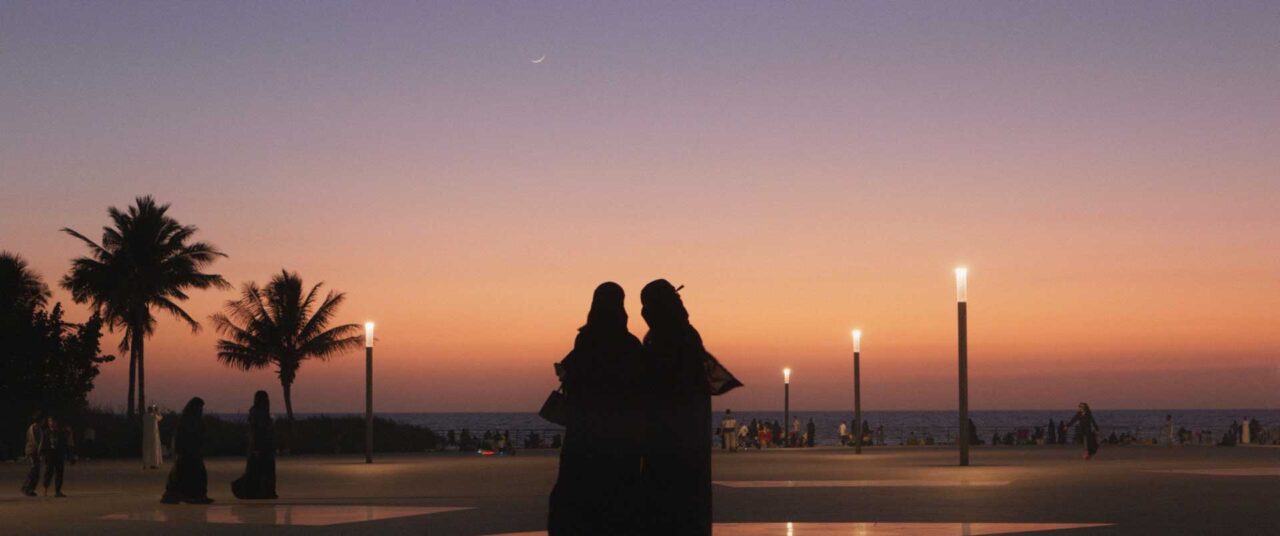
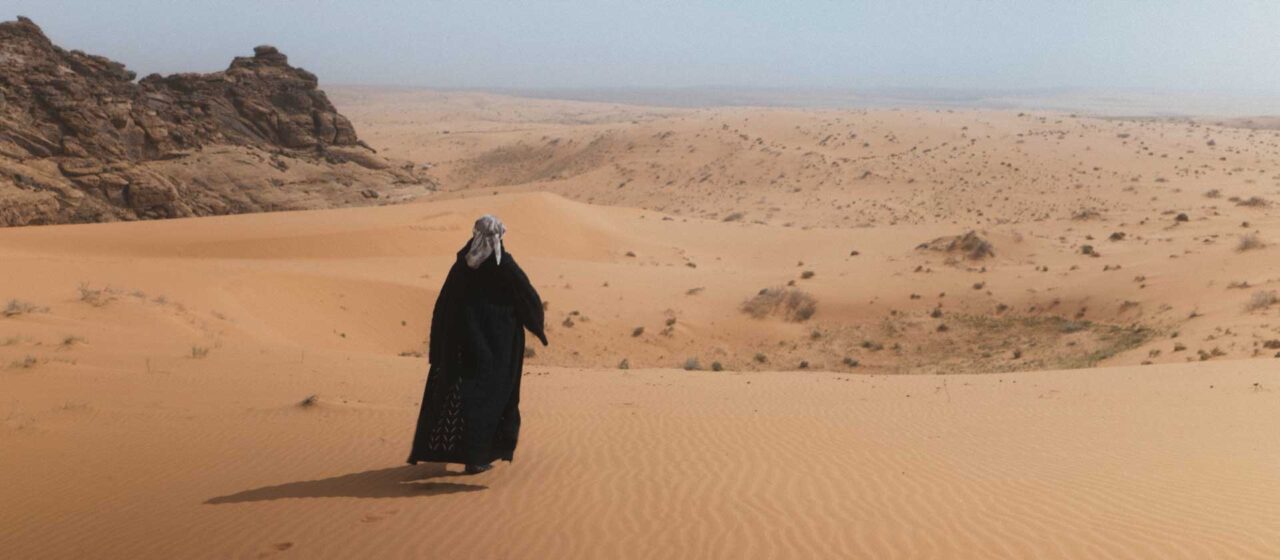
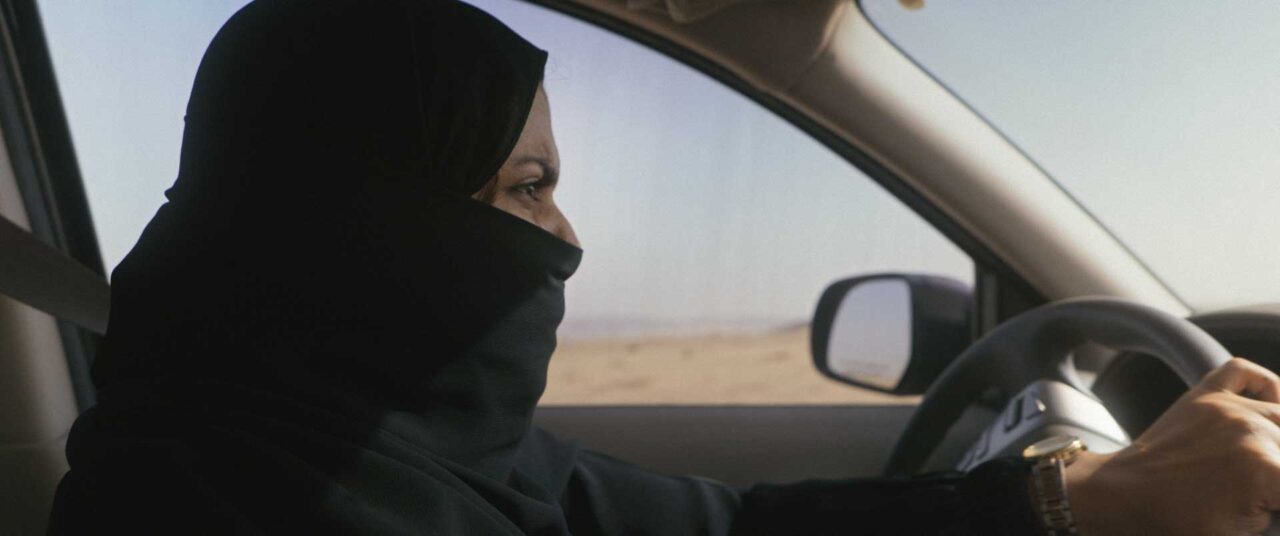
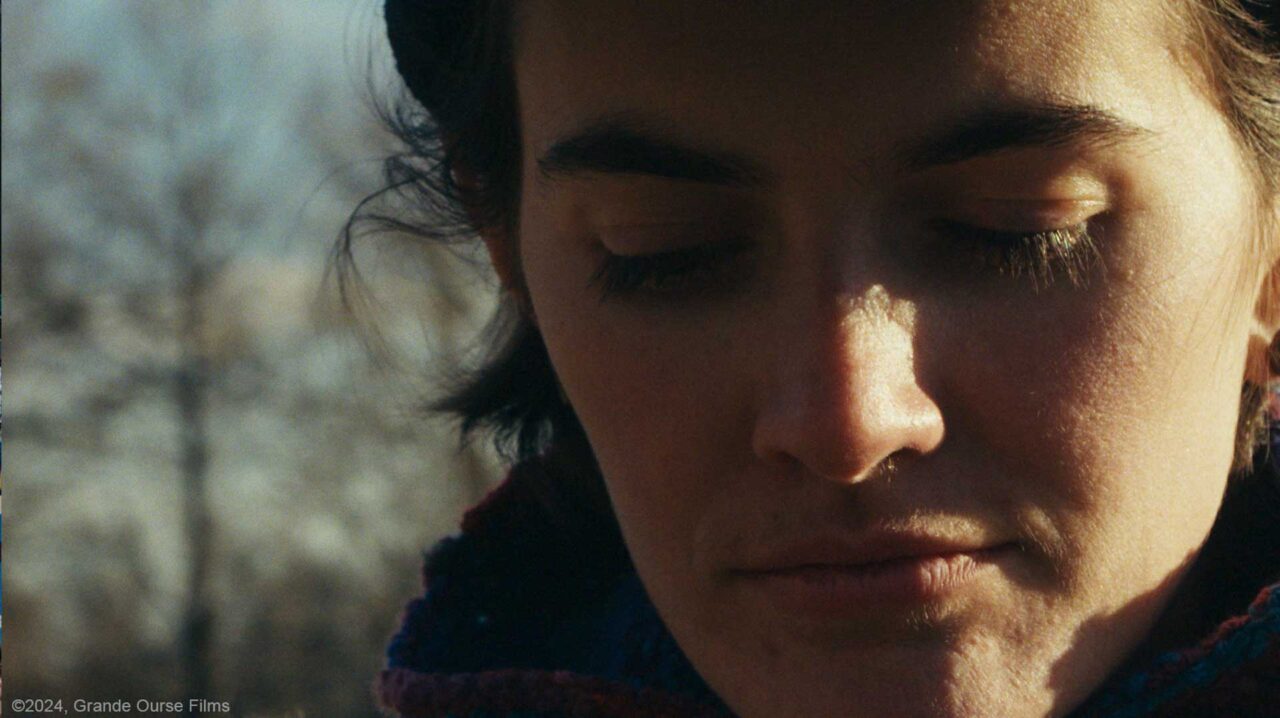
    With humor and determination, Azza fights for her independence in Saudi Arabia. She cleverly wins her divorce, teaches women to drive, and sets off into the desert—into her country and herself. A story of rebellion, self-discovery, and maternal devotion in a society that denies women freedom.

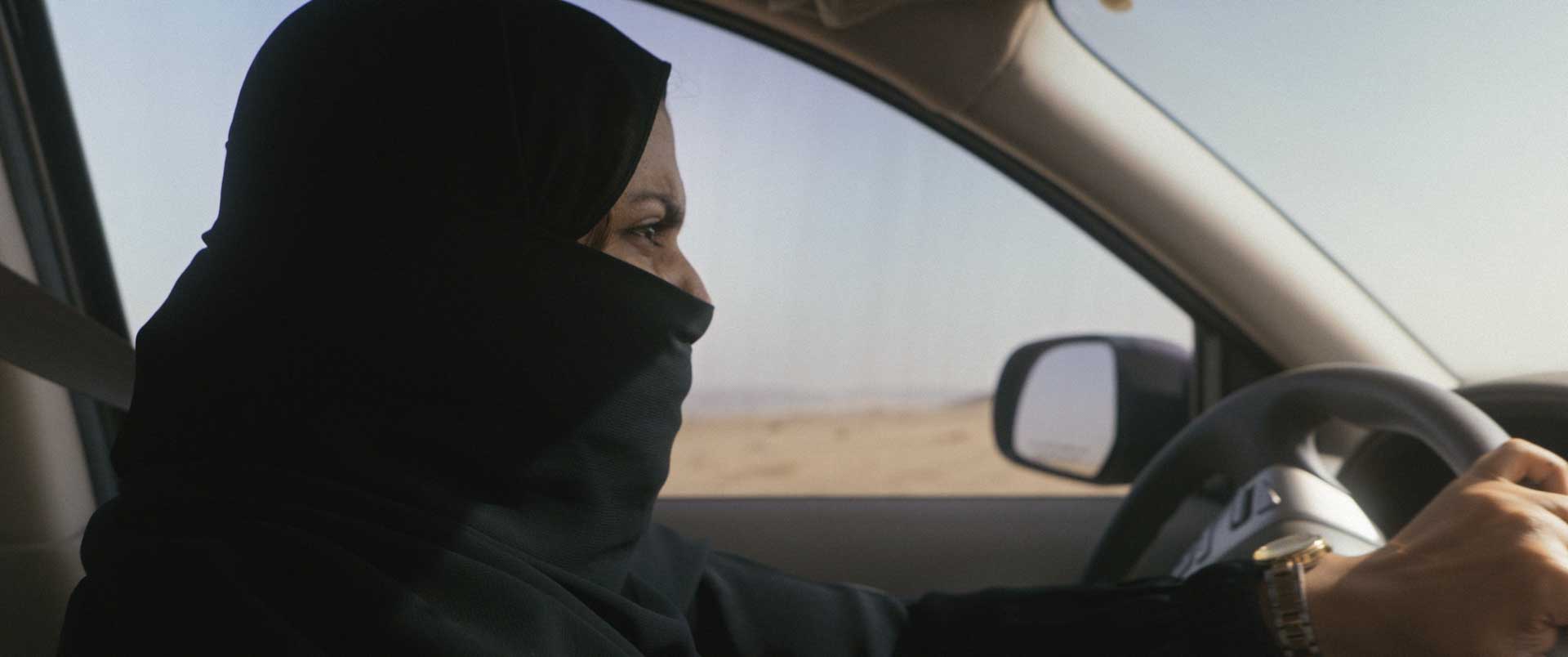
    How can one rebel and reclaim independence in Saudi Arabia? The film’s protagonist, Azza, would answer: with cunning. Married at 16 and already a mother of four teenagers, she dreams of freedom from a failed marriage. Using her wits, she secures a divorce and strives to maintain financial independence by working as a driving instructor for women. Behind the wheel of a large SUV, she feels confident and—just as on the road—navigates life’s obstacles: lack of education, unstable employment, family exclusion, and estrangement from her children. She does everything to ensure her daughters do not endure what she herself experienced. With humor, she comes up with new ideas—like embarking on a car trip across the desert without her husband. The journey becomes a way to discover both her country and herself. Driving proves to be a tool of freedom—just as it is for many women. Shot over three years, the film offers an intimate look at Azza’s life, her homeland, and a society on the cusp of change, suspended between tradition and modernity.

    Director’s words on Azza:

    “For years, I searched for women willing to let me into their lives—I lost many along the way. Saudi society is very closed. Outsiders or people outside the family are not allowed into homes. I could rely on Azza as a close friend, which gave me access to a world usually off-limits”.

    After the screening there will be a meeting with the film director Stephanie Brockhaus.

    19.09.2025
    20:00
    Kinoteka

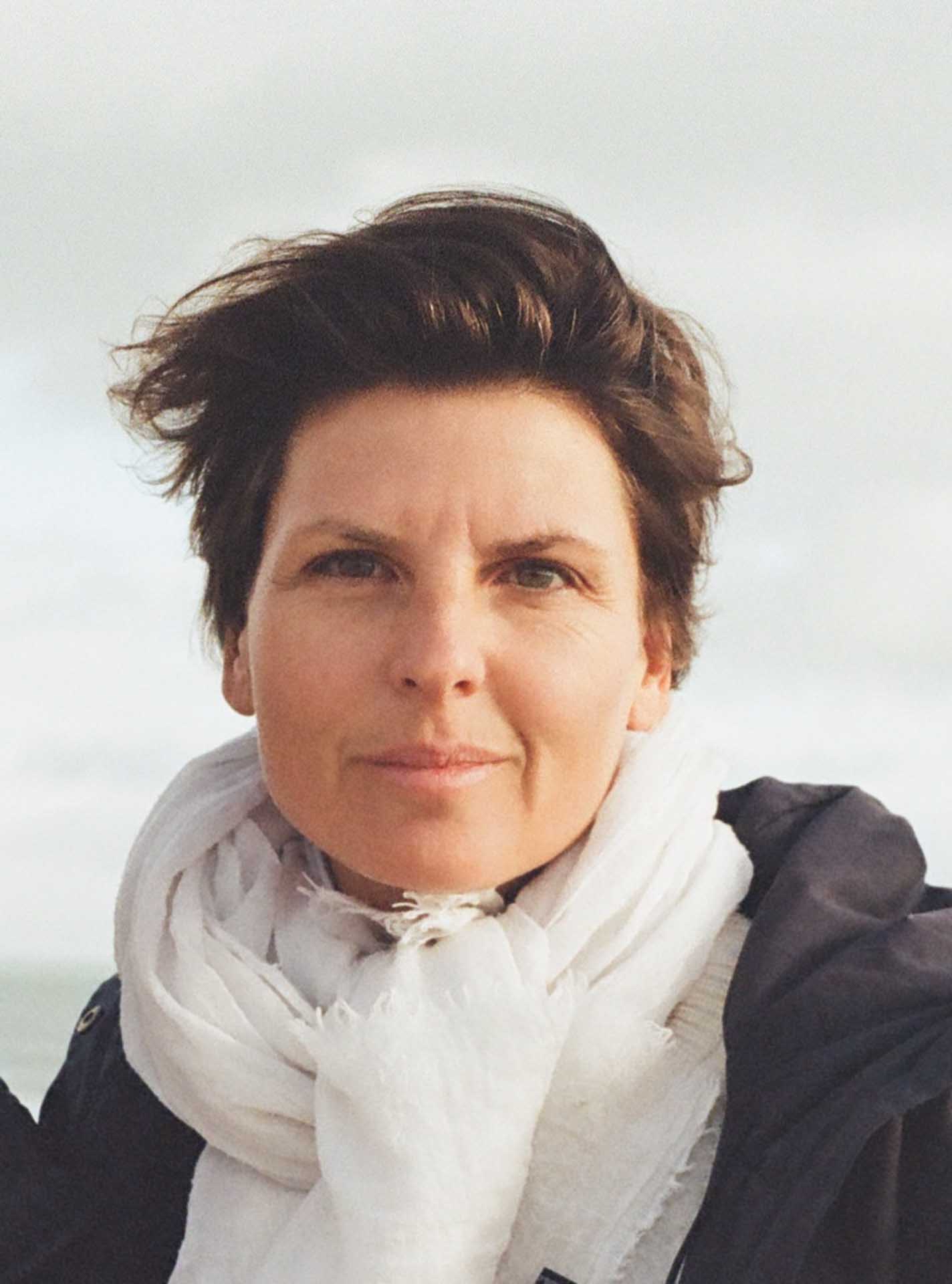
    Stefanie Brockhaus

    Stefanie Brockhaus grew up in Munich, Germany. She holds a BA from London University of the Arts in Film Directing. Her graduation film JAM won the Lux Award for Best Short Film and was shown at MOMA in New York. She graduated from the University of Television and Film Munich (HFF). Her first documentary On the Other Side of Life was followed by Some Things Are Hard to Talk About and The Poetess. Stefanie has produced and directed several documentaries. Her films have screened at international film festivals worldwide and have won numerous awards. Stefanie currently works as an independent filmmaker in Marseille. She has lived in London, Los Angeles, Cape Town and Munich.

    Director: Stefanie Brockhaus

    Producer(s): Hans Robert Eisenhauer

    Production: Ventana-Film GmbH

    Language: Arabic, English
    Subtitles: Polish, English