Edycja: 2025

  • The Unfixing

    The Unfixing

    The Unfixing

    reż. Nicole Betancourt
    USA, Spain / 2024 / 87 min / polish premiere

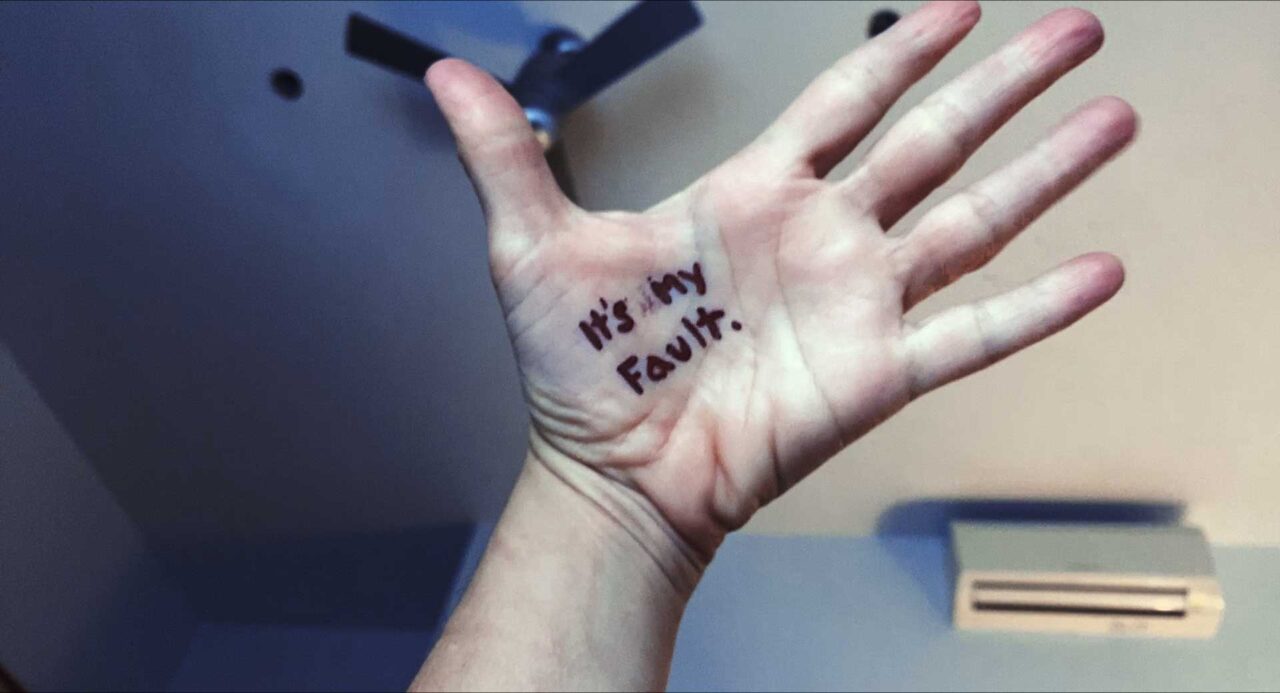
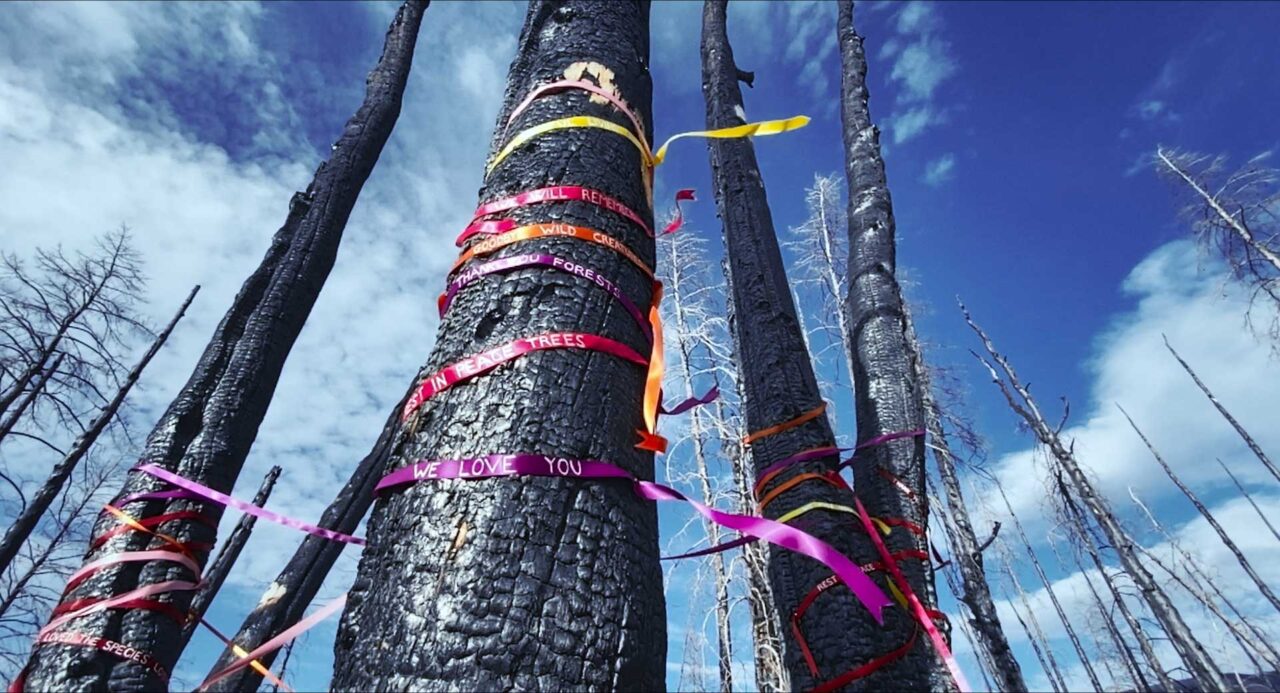
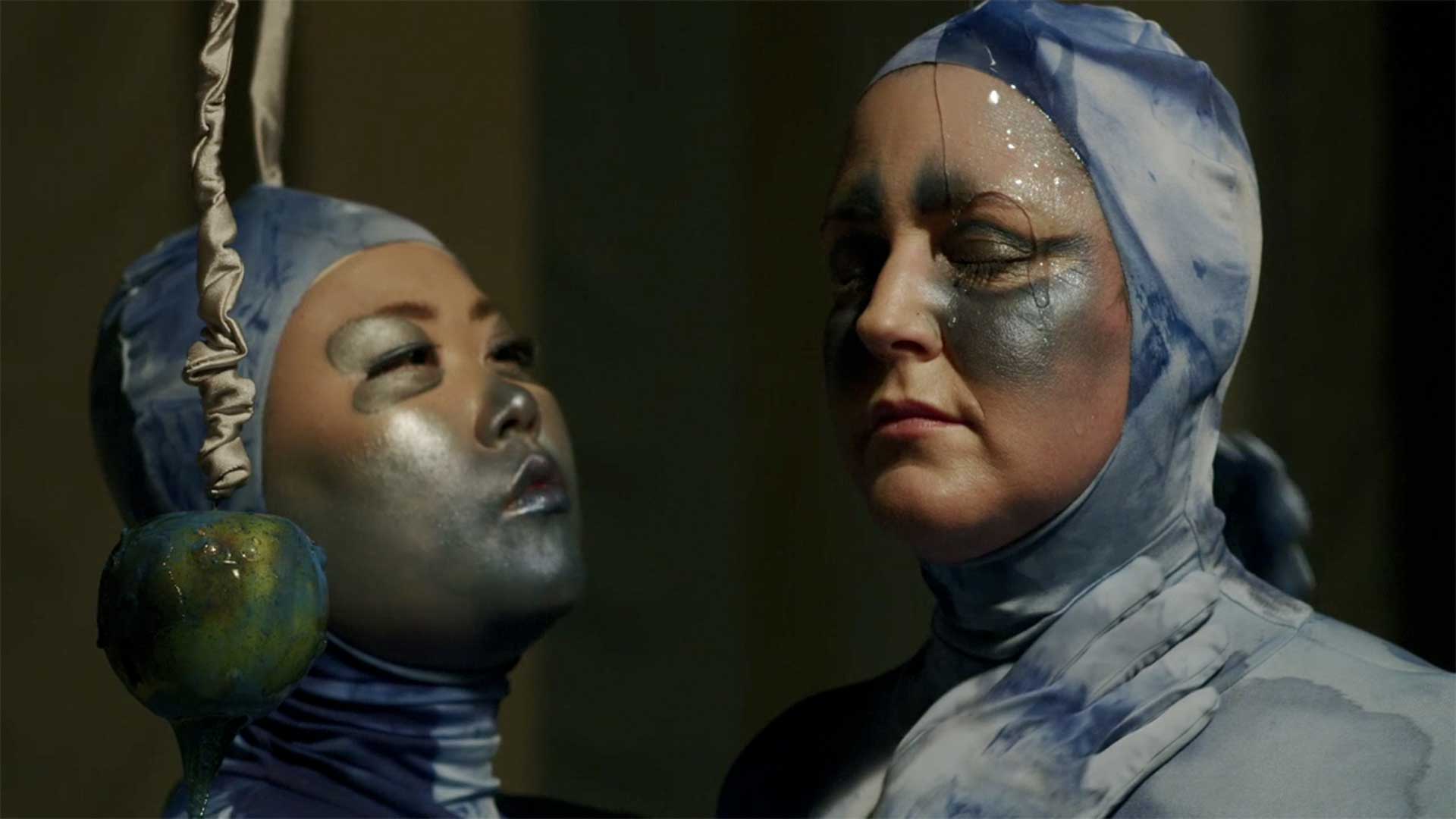
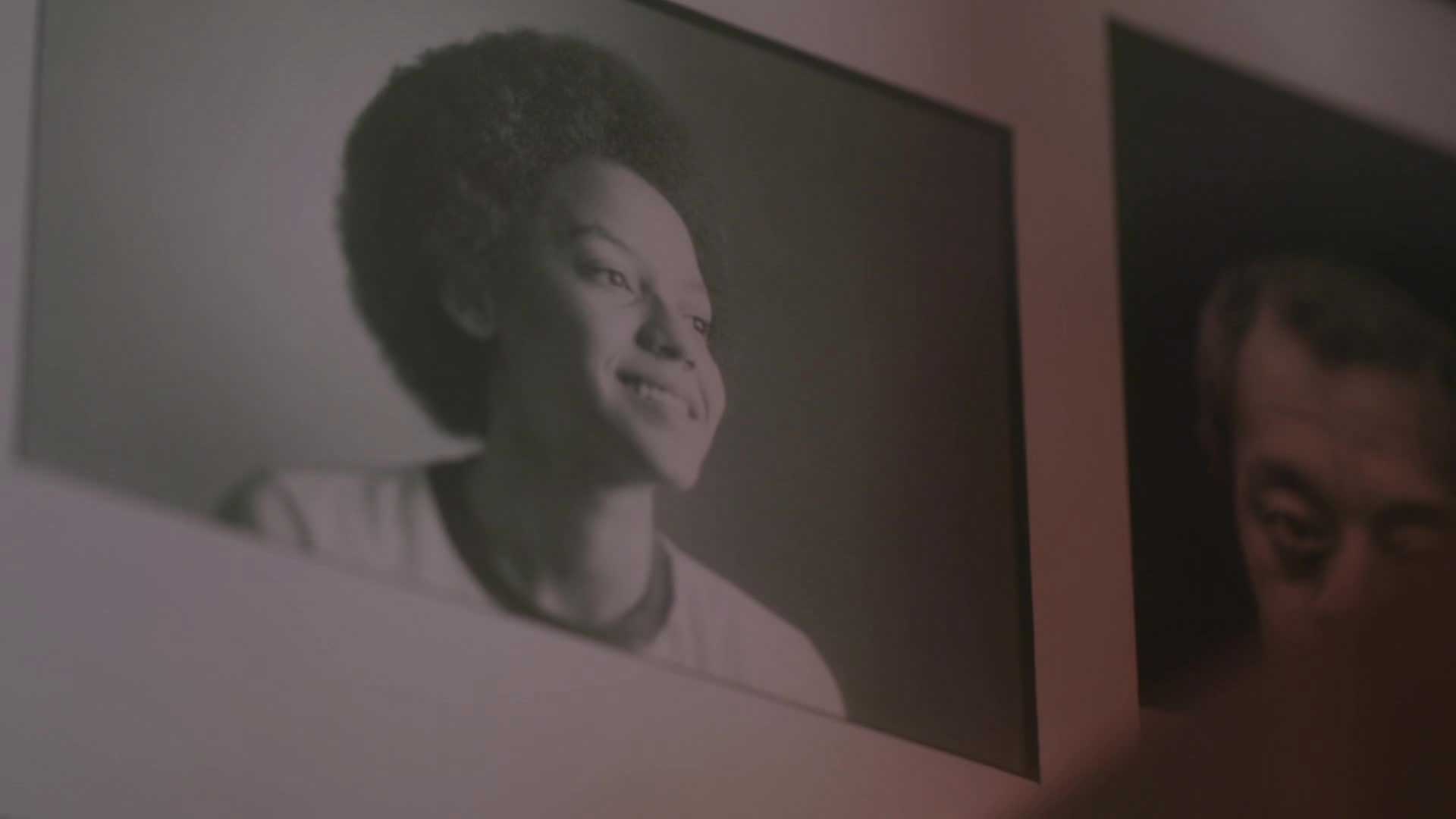
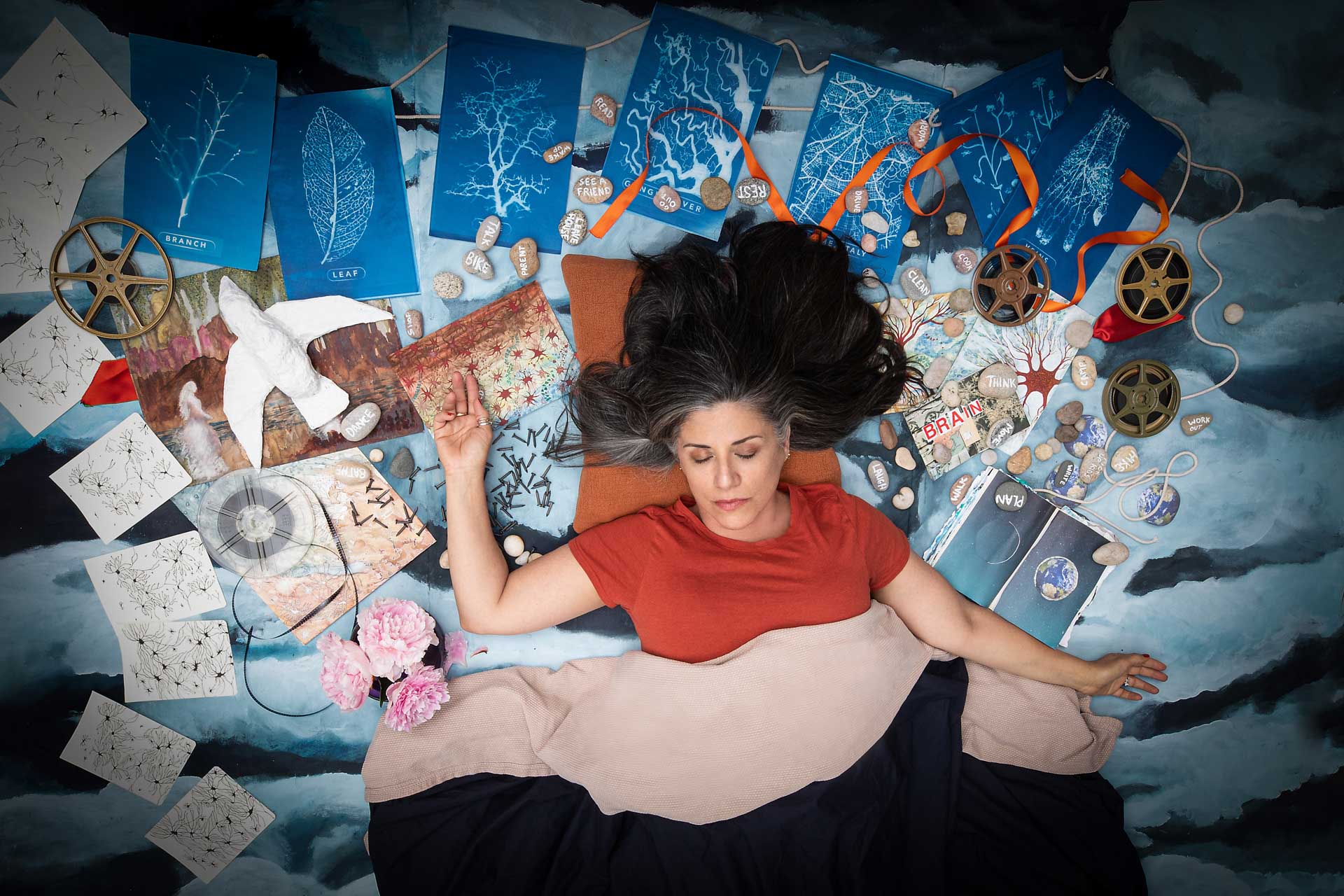
    A visual diary of illness, loss, and healing interwoven with the story of a planet in crisis. Nicole grapples with a mysterious illness that reshapes her life and that of her children. Through archival footage, animation, and the poetry of everyday moments, the film explores the connections between personal suffering and the state of the planet, uncovering new sources of hope and resilience.

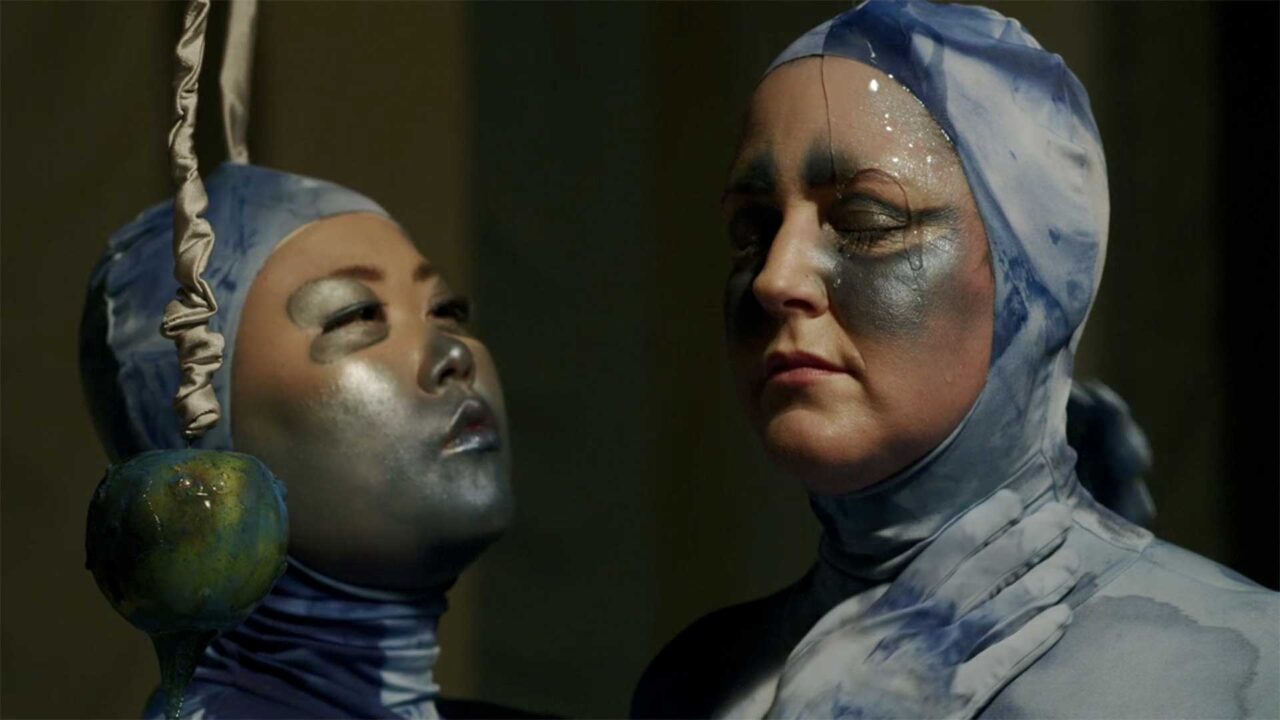
    In The Unfixing, Nicole, an Emmy-winning filmmaker and mother of two, explores the human body as part of the Earth itself. After a surfing accident triggers mysterious symptoms, she can neither work nor care for her children. What begins as personal suffering unfolds into a profound transformation, as Nicole’s own illness, her children’s climate anxiety, and reflections on the state of the planet converge into a single immersive narrative. Standing in front of the camera, Nicole listens to the rhythms of nature, discovering how grief and hope ripple across bodies, generations, and landscapes. Through intimate family archives, inventive filmmaking techniques, and animation, she examines intertwined themes: her illness, her family’s struggles, and the global environmental crisis. This journey ultimately leads to a vision of hope and possibility—by reconnecting with nature, Nicole finds healing not only for herself but for the beloved planet she inhabits.

    On her film, Nicole reflects: “The most dominant systems—both in medicine and industry—were never built with respect for the interdependence of life. Doesn’t polluted air and water affect our health? In this film, I learn to surrender, to grieve, and ultimately, to heal, in part through my relationship with nature. Healing the body means restoring our bond with the world. I owe this perspective to the wise women I have met along the way. The Unfixing is a story of motherhood in ever-widening circles—a story of daughters, mothers, and the Earth”.

    After the screening there will be a debate “Between Loss and Hope: Mental Health in the Face of the Climate Crisis” with the film director Nicole Betancourt.
    20.09.2025
    17:00
    Kinoteka

    Nicole Betancourt

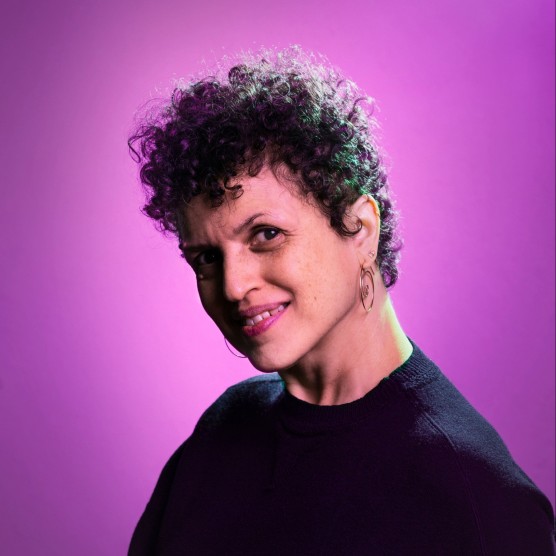
    An Emmy Award-winning filmmaker celebrated for her ability to merge the personal and the political in emotionally impactful stories. Her debut documentary, Before You Go (HBO), about her father’s death from AIDS, garnered multiple awards, including an Emmy for Outstanding Individual Achievement in Documentary and a Golden Spire at the San Francisco International Film Festival. Betancourt has continued to work at the intersection of social issues and personal stories, producing and directing films such as 90 Miles (POV/PBS), Sing the Water Song, and shorts that highlight environmental and social justice issues. She is also the former Executive Director of MediaRights, a nonprofit organisation dedicated to media for social change, where she produced the award-winning Media That Matters Film Festival and the first online outreach toolkit for filmmakers. She is a Sustainability Leaders Network Fellow, a Kellogg Food and Community Fellow, and served on the Emmy awards jury, New York State Council of the Arts panel, and the New York Women in Film & Television board.

    Director: Nicole Betancourt

    Producer(s): Rose Kowalski

    Production: Horizontal Films Media, Nota Bene Productions

    Language: English, Spanish

    Subtitles: Polish, English
  • Rosinha and the Other Wild Animals

    Rosinha and the Other Wild Animals

    Rosinha and the Other Wild Animals

    reż. Marta Pessoa
    Portugal / 2023 / 101 min / polish premiere

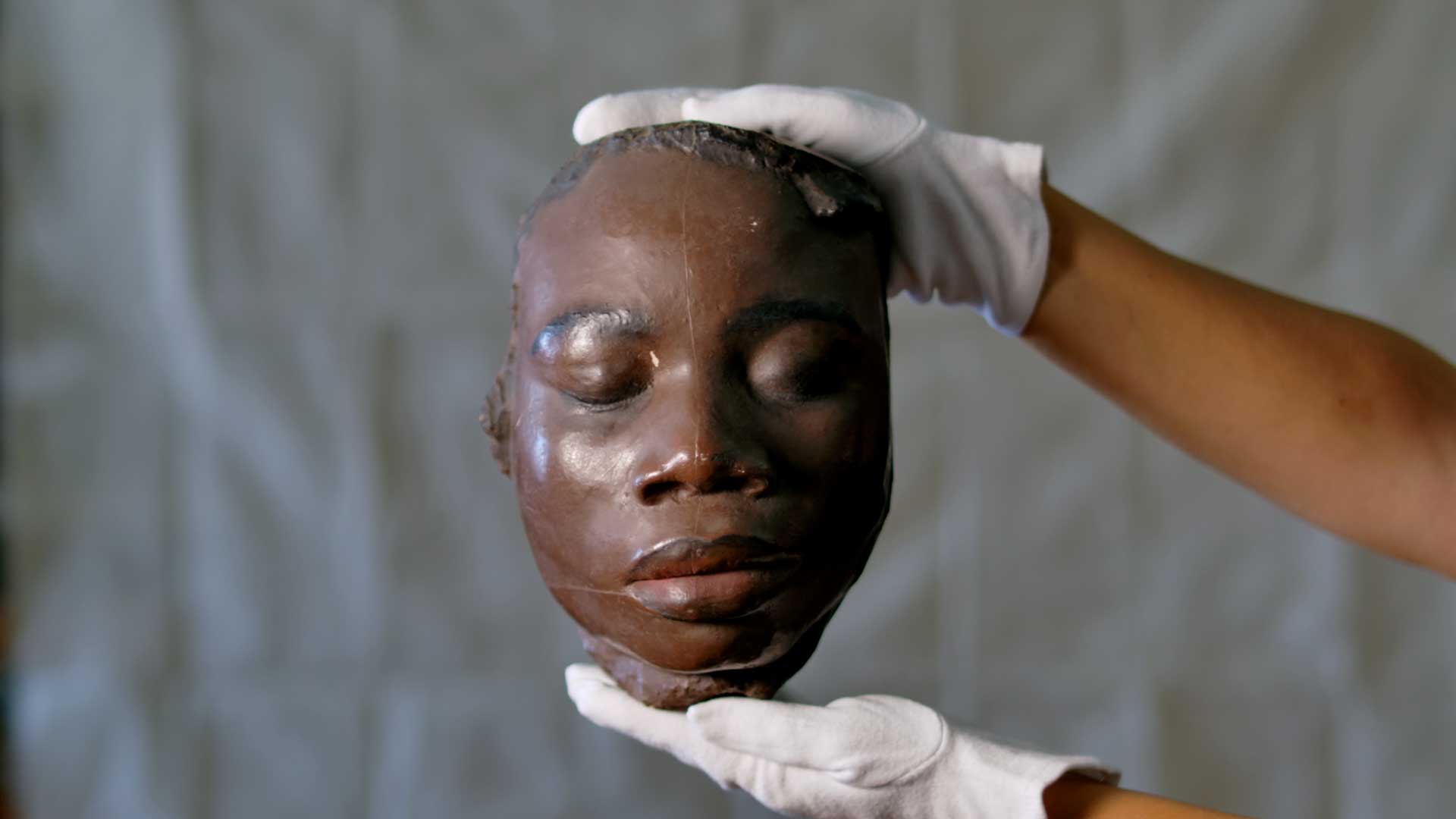
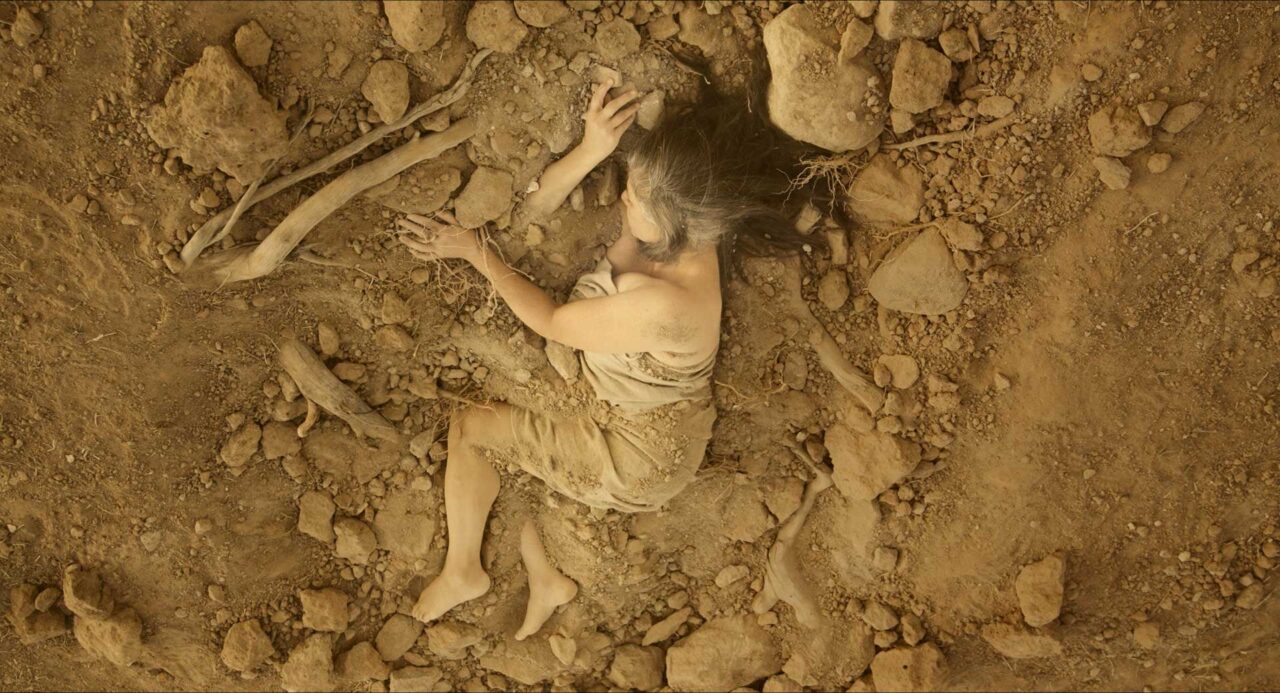
    “Portugal is not a racist country” — this film deconstructs that statement, tracing memories from the early 20th century and the life story of Rosinhia from Guinea. Piece by piece, it exposes the face of “soft racism,” restoring the protagonist’s voice, agency, and rightful place in history.

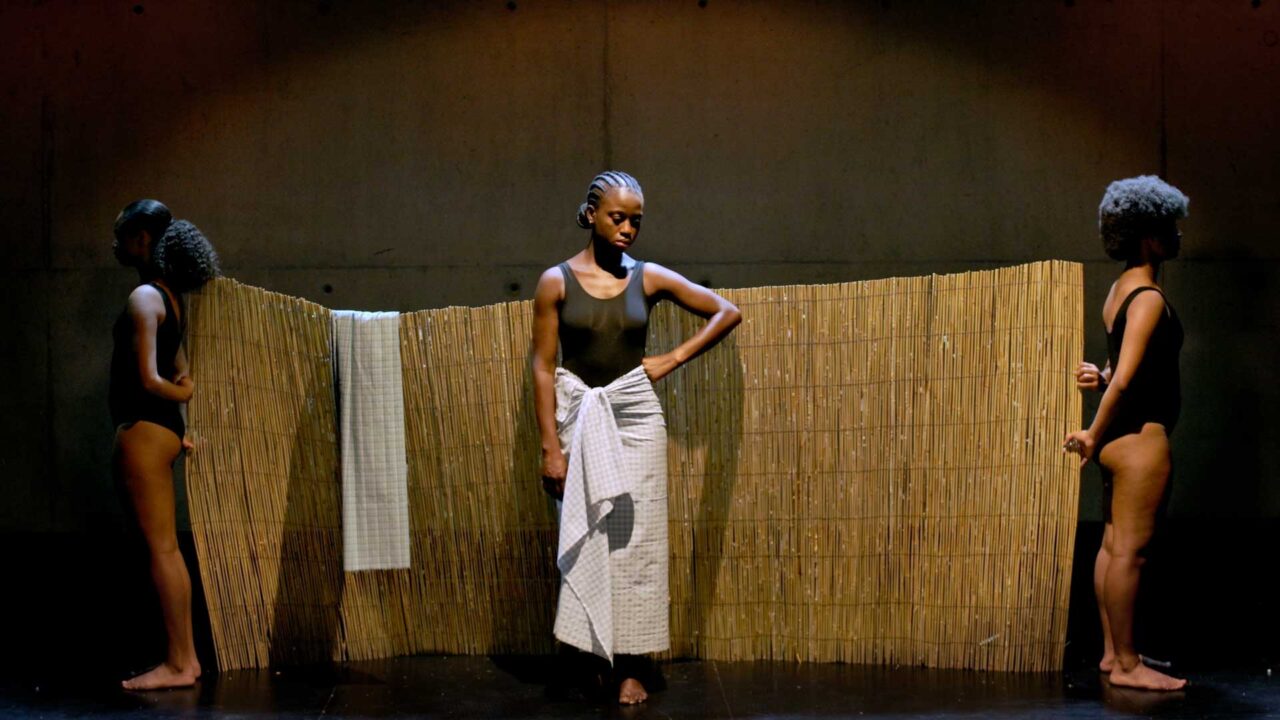
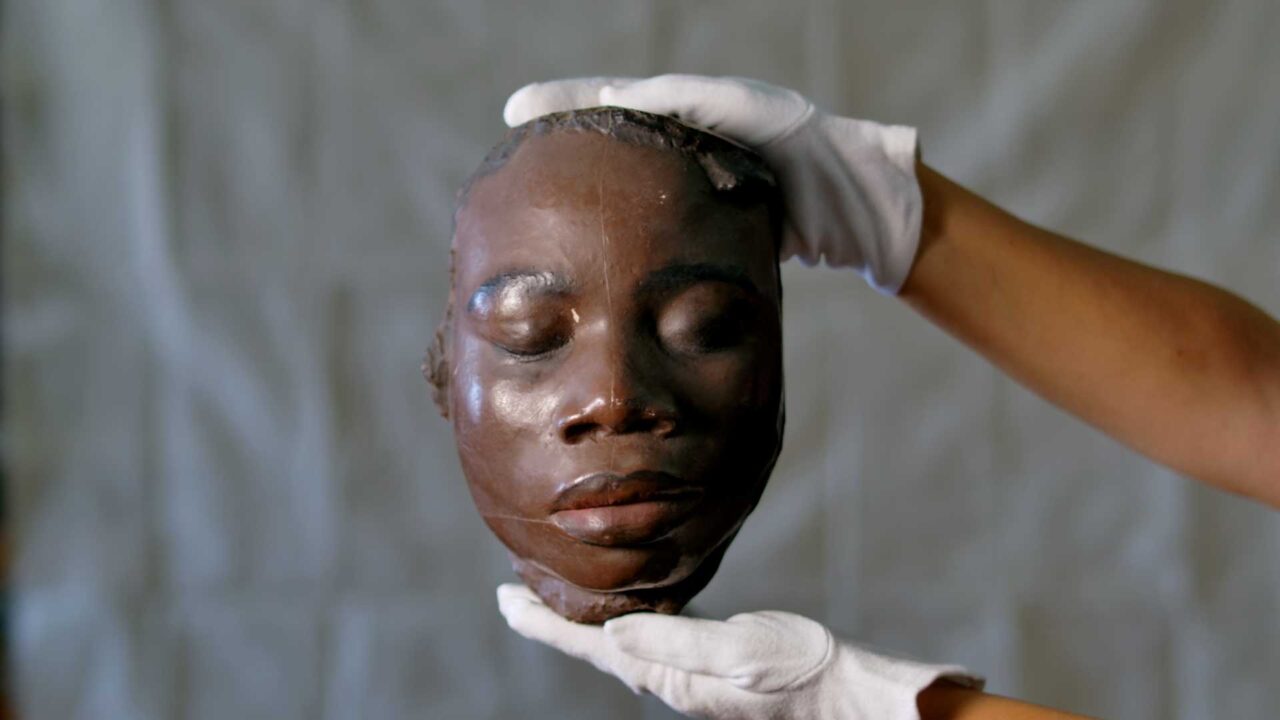
    Racism is not only a relic of the past—it is an active discourse, a way of seeing, and a history continuously being reproduced. The film’s titular Rosinha is an indigenous woman from Guinea who became a symbol of the First Portuguese Colonial Exhibition, organized by the Estado Novo. The film is a journey into the past to better understand the present.

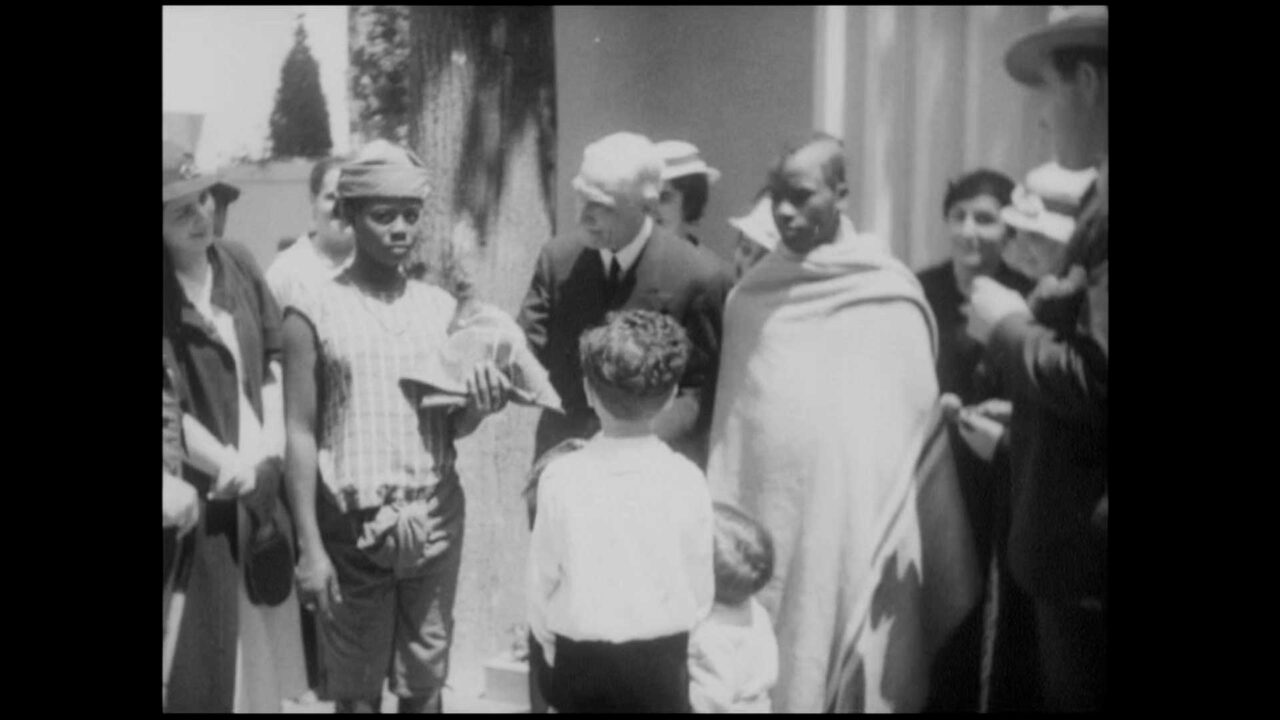
    In 1934, Porto hosted the First Portuguese Colonial Exhibition. Amidst the festive atmosphere, crowds of Portuguese left their homes not to plan life in the colonies, but to view indigenous people displayed in recreated “villages”, including, according to reports, “black women with bare breasts”. In this way, a young woman from Guinea, known as Rosinha, became the symbol of the exhibition.

    But who was Rosinha, really? Who were the historical Rosinhas that made people believe in the lesson of the Estado Novo—and perhaps explain why the belief that “Portugal is not a racist country” is still so easily accepted today? The film poses this question from the start, immediately reflecting: “does it even make sense to begin the film this way?”. Throughout the documentary, the history of fascist propaganda emerges like a dark mirror, difficult to face. Portugal is a country with an untold history, and this film is an attempt to break the silence.

    After the screening there will be a meeting with the film director Marta Pessoa.

    19.09.2025
    18:00
    Kinoteka

    Marta Pessoa

    She studied cinema at the ESTC. Has worked as Director of Photography since 1996. Among other films, directed Lisbon’s Under Arrest (2009), Warriors (2011), The Lurking Fear (2015), Damsel Warrior (2020),A Name for What I Am (2022) and Rosinha and the Other Wild Animals (2023). In 2013, she formed the production company Três Vinténs along with Rita Palma and João Pinto Nogueira.

    Director: Marta Pessoa

    Producer(s): Rita Palma, Marta Pessoa, João Pinto Nogueira

    Production: Três Vinténs

    Language: Portuguese

    Subtitles: Polish, English

  • Long Road To Director’s Chair

    Long Road To Director’s Chair

    Long Road To Director’s Chair

    reż. Vibeke Løkkeberg
    Norway / 2025 / 70 min / polish premiere

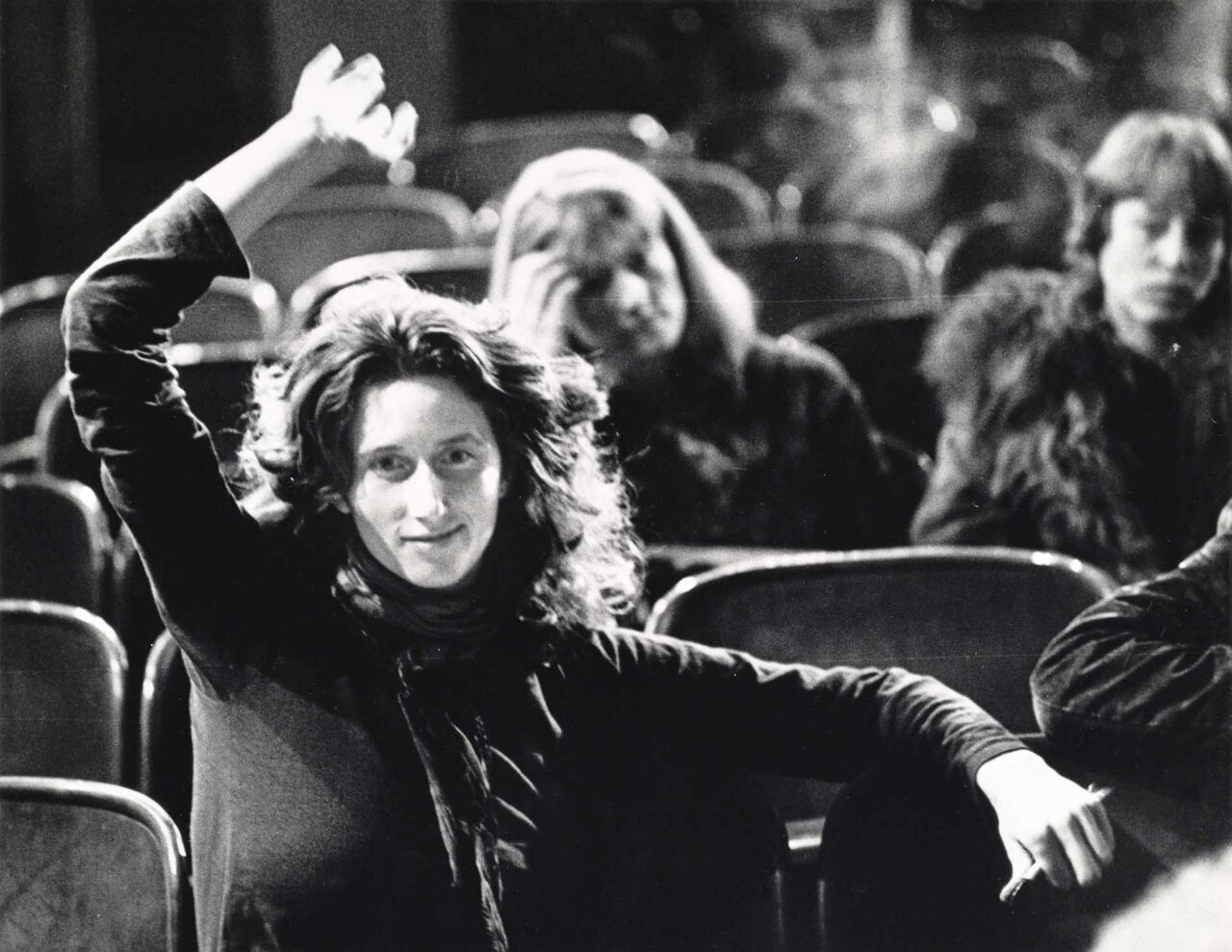
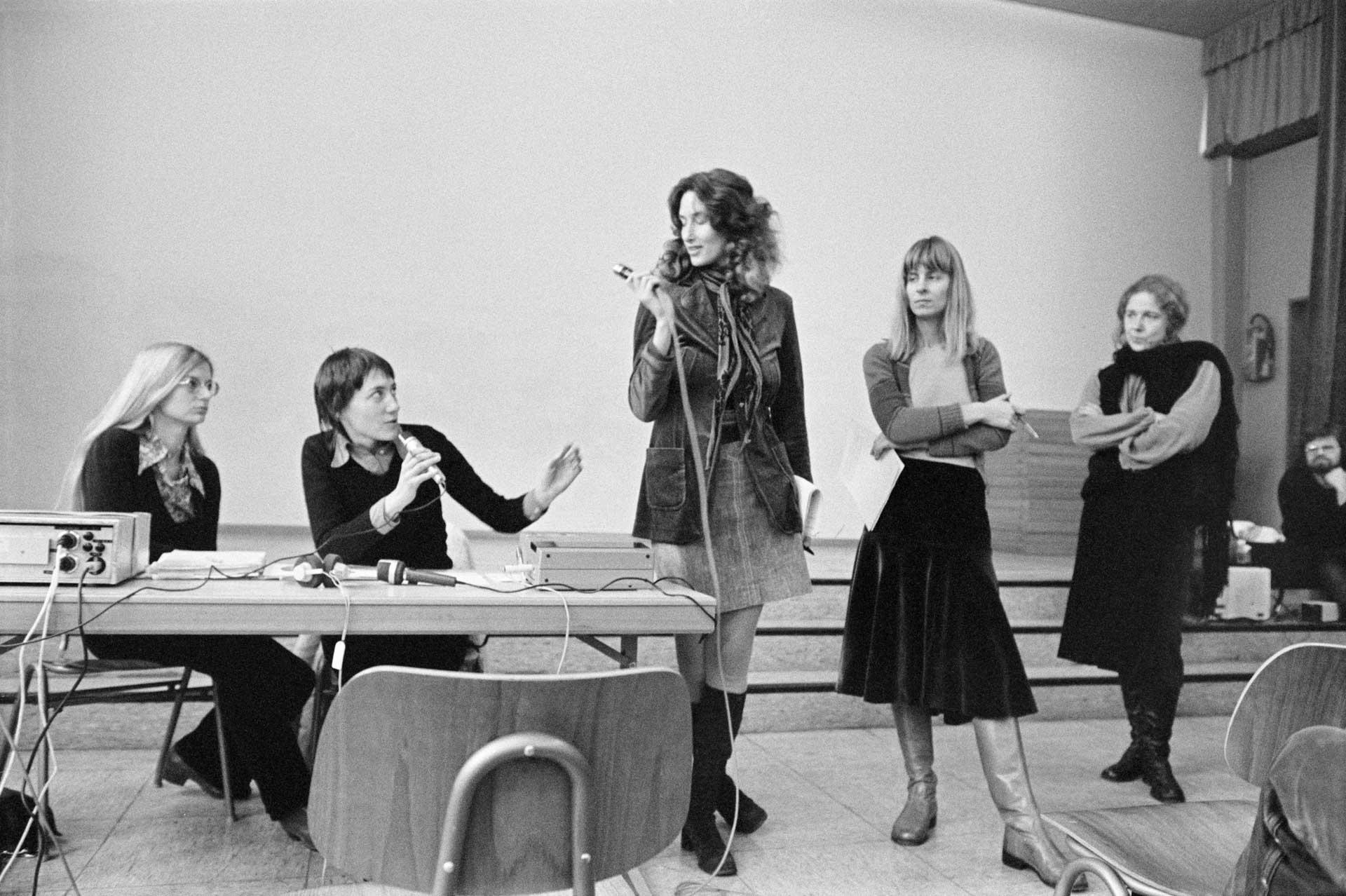
    “Women’s issues are fundamental questions that permeate everything”. Vibeke Løkkeberg’s documentary of the first International Women’s Film Seminar in 1973 retains its political urgency, offering a timeless reflection on gender equality—and its absence—and on representation.

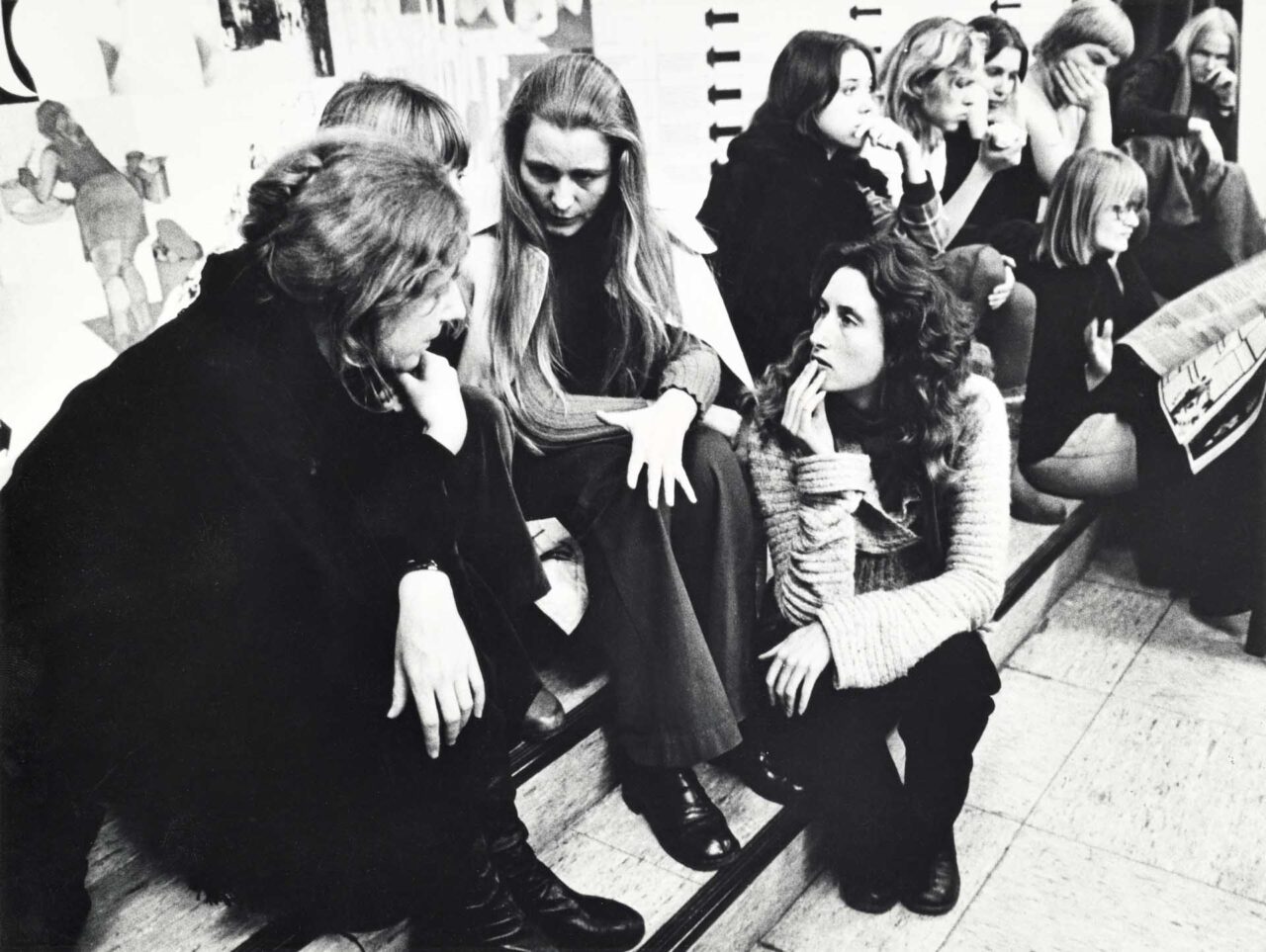
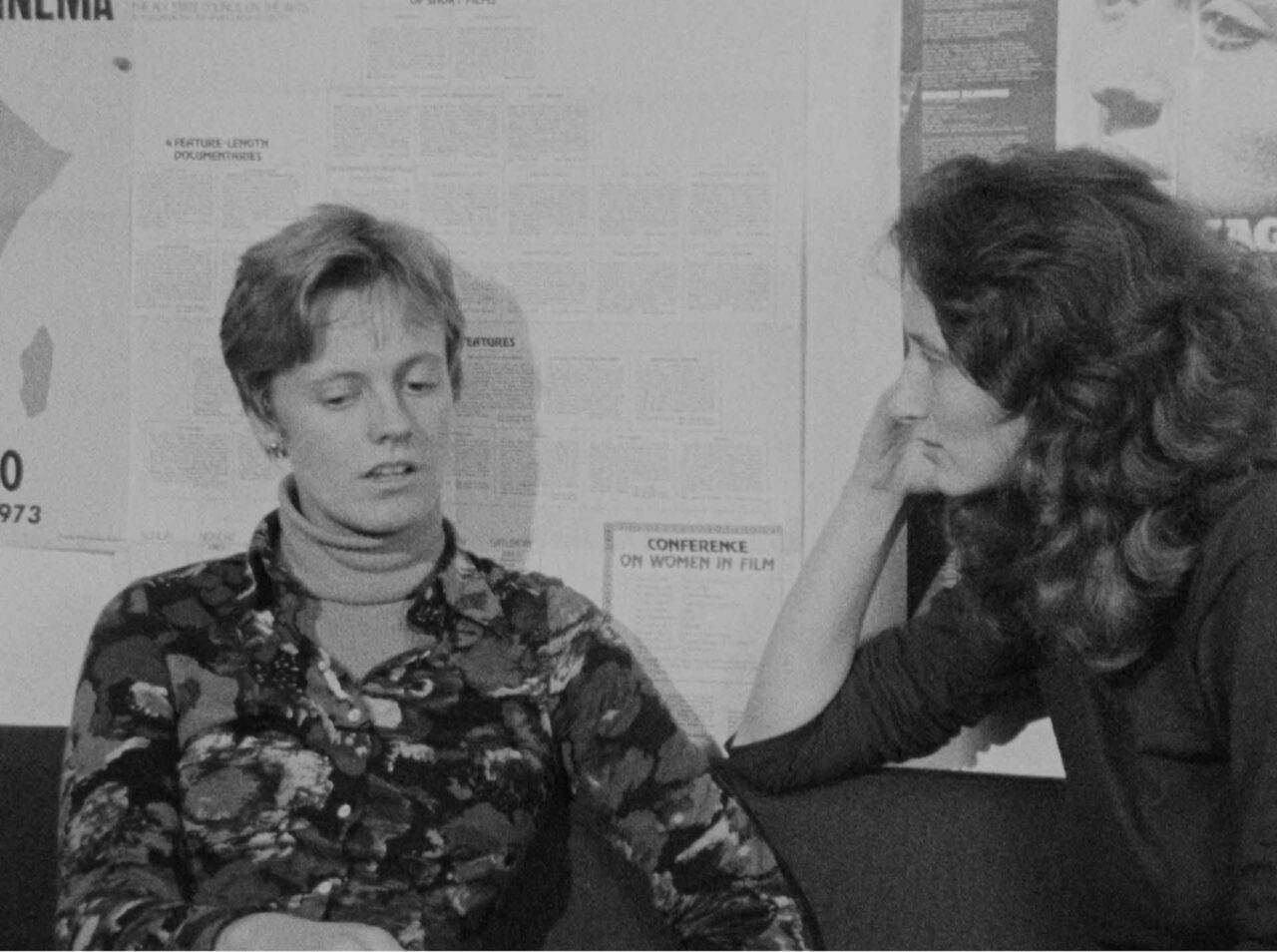
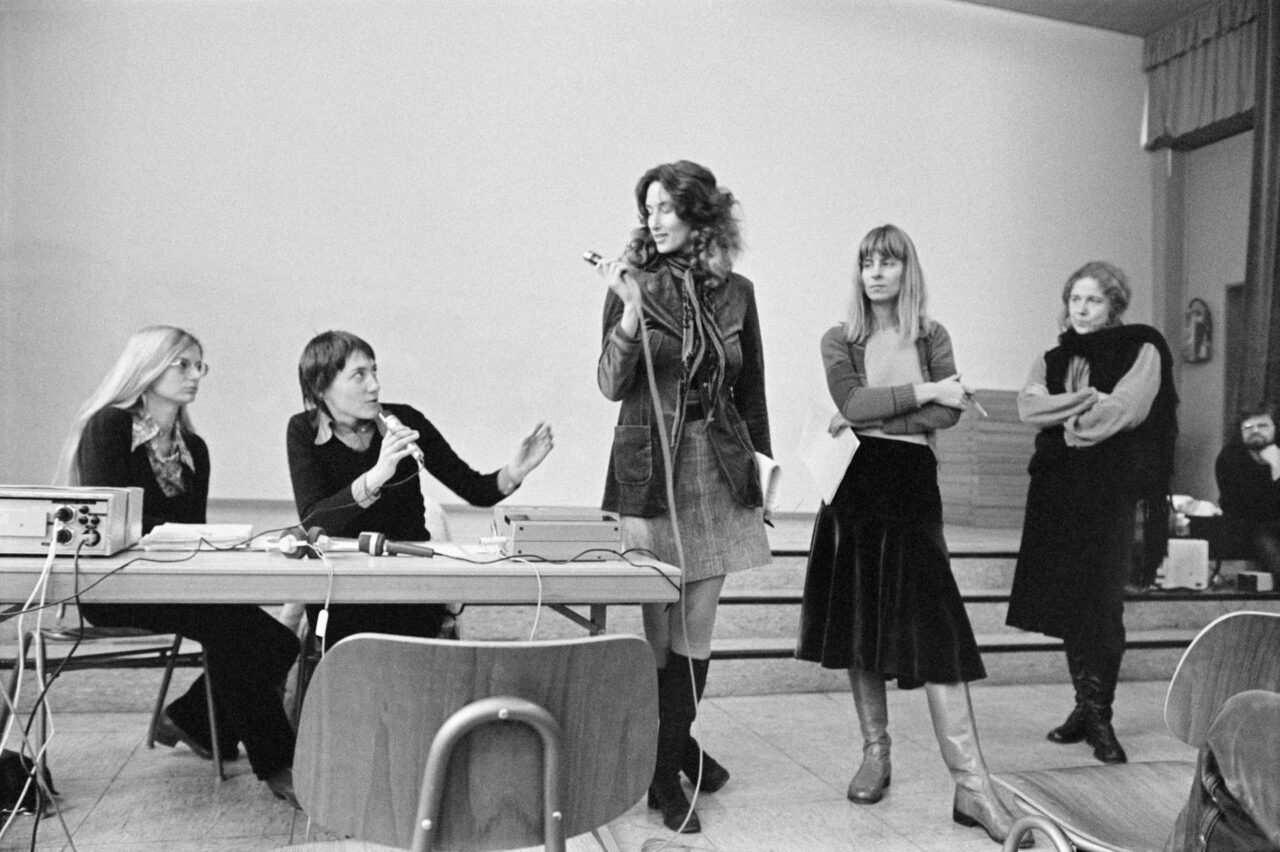
    When Vibeke Løkkeberg arrived in Berlin for the first International Women’s Film Seminar, she brought along a camera—determined to capture the voices of her fellow women filmmakers and, whenever possible, the debates themselves. The result is a vivid record of ambition, courage, and the persistent struggle for equality.

    The delegates spoke with striking candor. “If we know what we want, that alone is seen as aggression,” one participant observed of 1973. The risk of sexual exploitation was taken for granted. Women needed “a skin three times thicker” and were still expected to “remain feminine” lest they be dismissed as “too masculine”. Archival footage shows that professionalism, resilience, and ambition bound these women together. You have to be very active and determined, to insist on your point of view and fight for your rights”, said one German news editor. “To create is to have power”, added another. “And power is necessary in order to speak and to write”.

    The film captures a moment in history, yet its resonance is remarkably contemporary. As 80-year-old Løkkeberg reflects today (she was 28 when she filmed the seminar), those colorful figures from 1973 could step into 2025—and still find the glass ceiling firmly in place.

    After the screening there will be a meeting with the film director Vibeke Løkkeberg and the film editor Mina Nybakke.

    17.09.2025
    18:00
    Kinoteka

    Vibeke Løkkeberg

    Born 1945 in Bergen (Norway), Vibeke Lokkeberg is one of Norway’s most prolific filmmakers, authors and cultural icons. Married to producer Terje Kristiansen and mother to Tonje (born 1975) and Marie (born 1982), Lokkeberg created a unique concept of blending her personal life with her filmmaking, often working with her family. Known for groundbreaking and often controversial films such as Loperjenten (The Story of Camilla) and Hud (Skin), the director brings her uncompromising vision and storytelling prowess to this project. Lokkeberg is also a prolific novelist, with works including Leoparden (1989); Jordens skygge (1994); Purpur (2002); Brev til himmelen (2004); Allierte (2008); and Frokost på stupet (2018). In 2005, she was appointed Cavalieri by the Italian President and in 2015, Lokkeberg was the recipient of the Honorary Amanda Award for her contribution to Norwegian cinema.

    Director: Vibeke Løkkeberg

    Producer(s): Anders Tangen, Terje Kristiansen (1973)

    Production: The Norway Film Development

    Language: English

    Subtitles: Polish, English
  • Traces

    Traces

    Traces

    66 min

    Short films set by now-iconic feminist artists, as well as younger generations.

    Their contributions range from anarchic performances, documentary sketches and queer gems to animations or found footage films. You’ll find complex explorations of repressed political history and structural social exclusion, cinematic reflections on architecture and pointed portraits, as well as elaborate artistic challenges to new technologies, including AI, and more comic relief. 

    21.09.2025
    20:30
    Kinoteka

    Im Leo

    Miriam Bajtala

    Austria / 2003 / 2 min

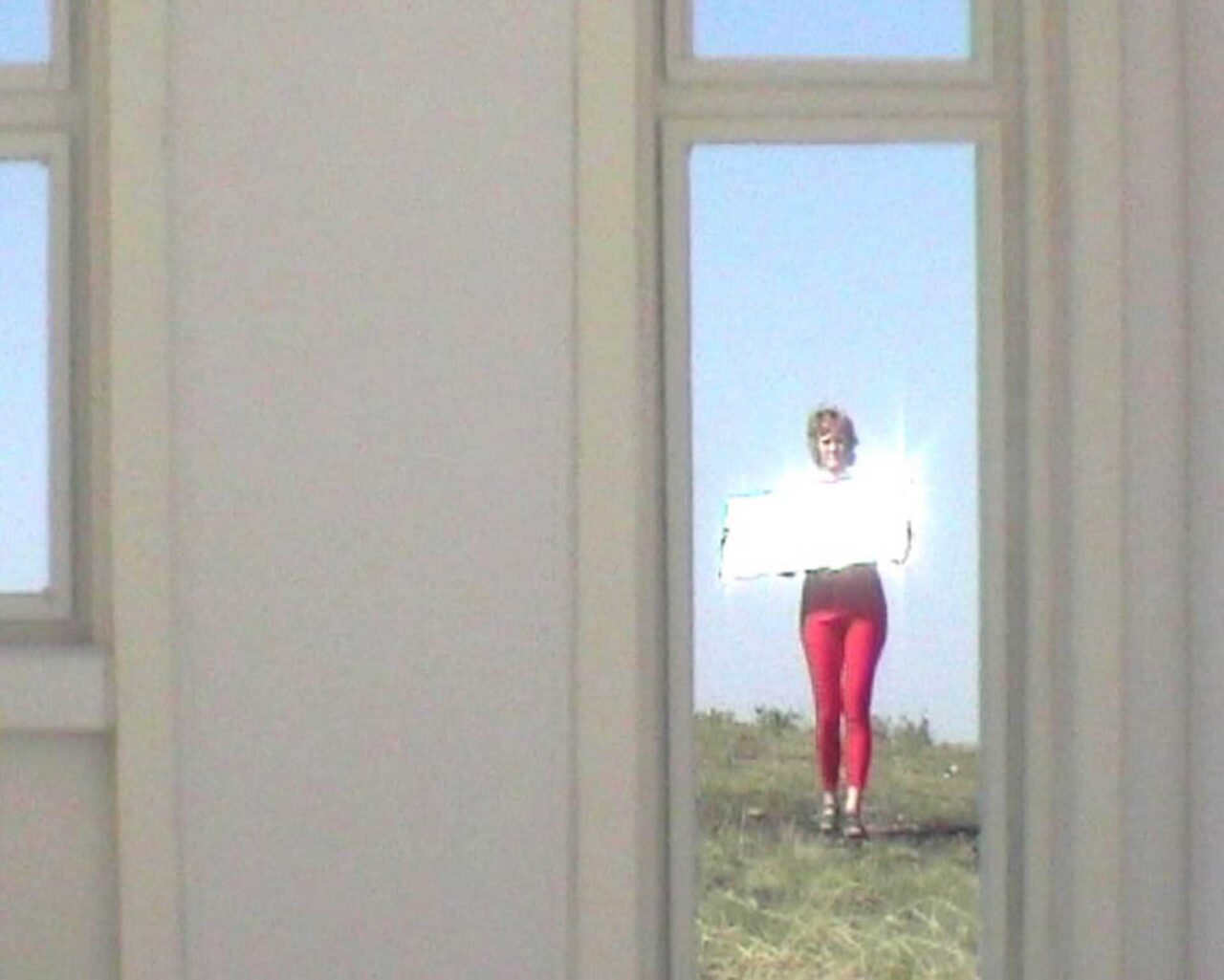
    Im Leo shows a figure dressed in red standing in the balcony doorway of the model of a white room and at the same time outside, in the open field. Using a mirror she holds in her hand, Bajtala redirects the sunlight, blinding the camera´s lens and simply obliterating the picture at rhythmic intervals.

    Unearthing. In Conversation

    Belinda Kazeem-Kamiński

    Austria / 2017 / 13 min

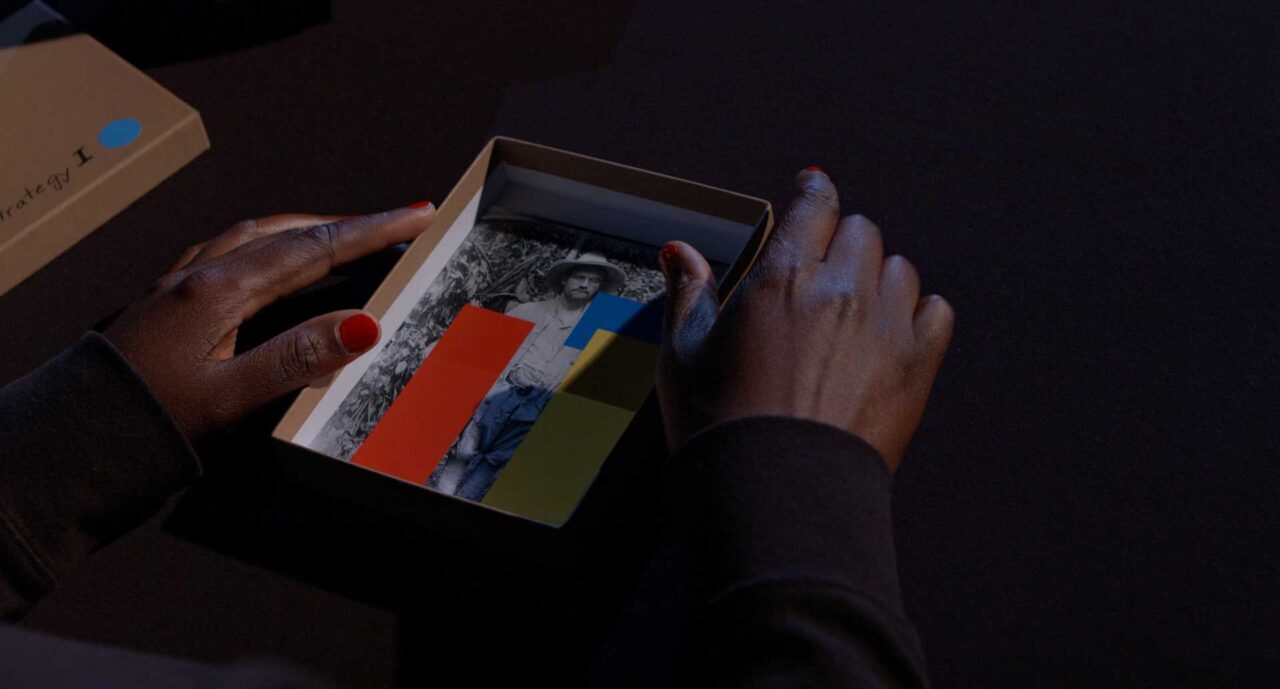
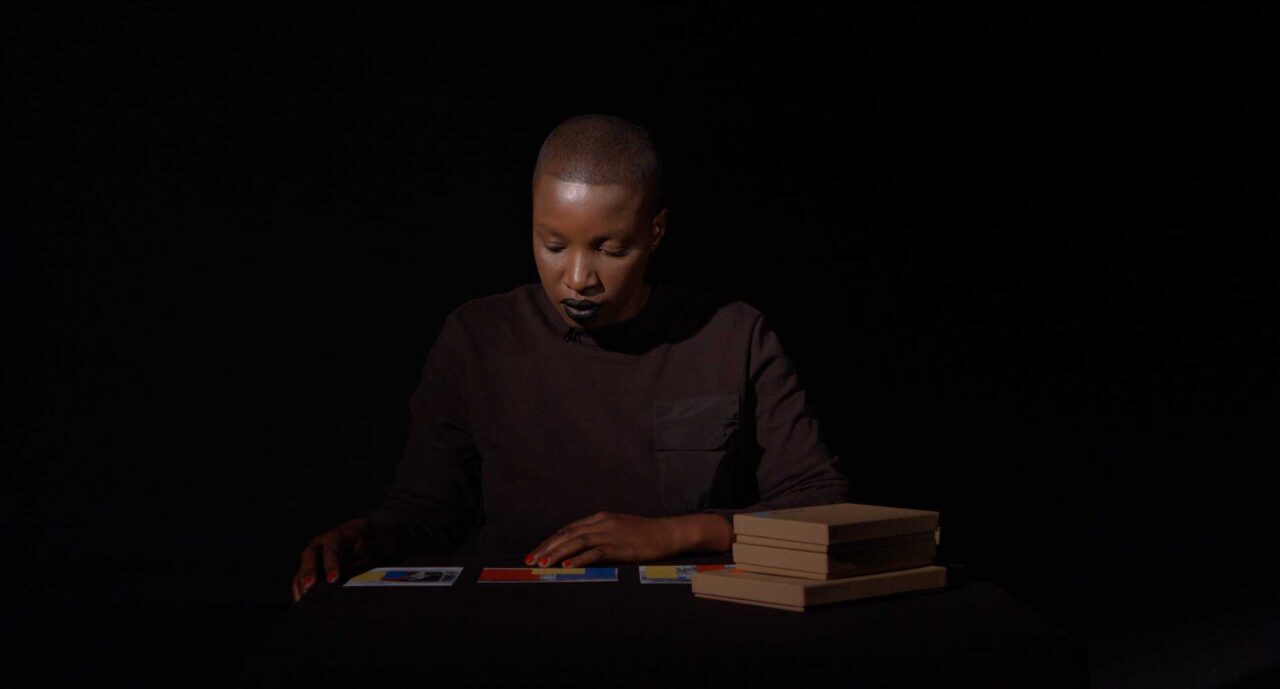
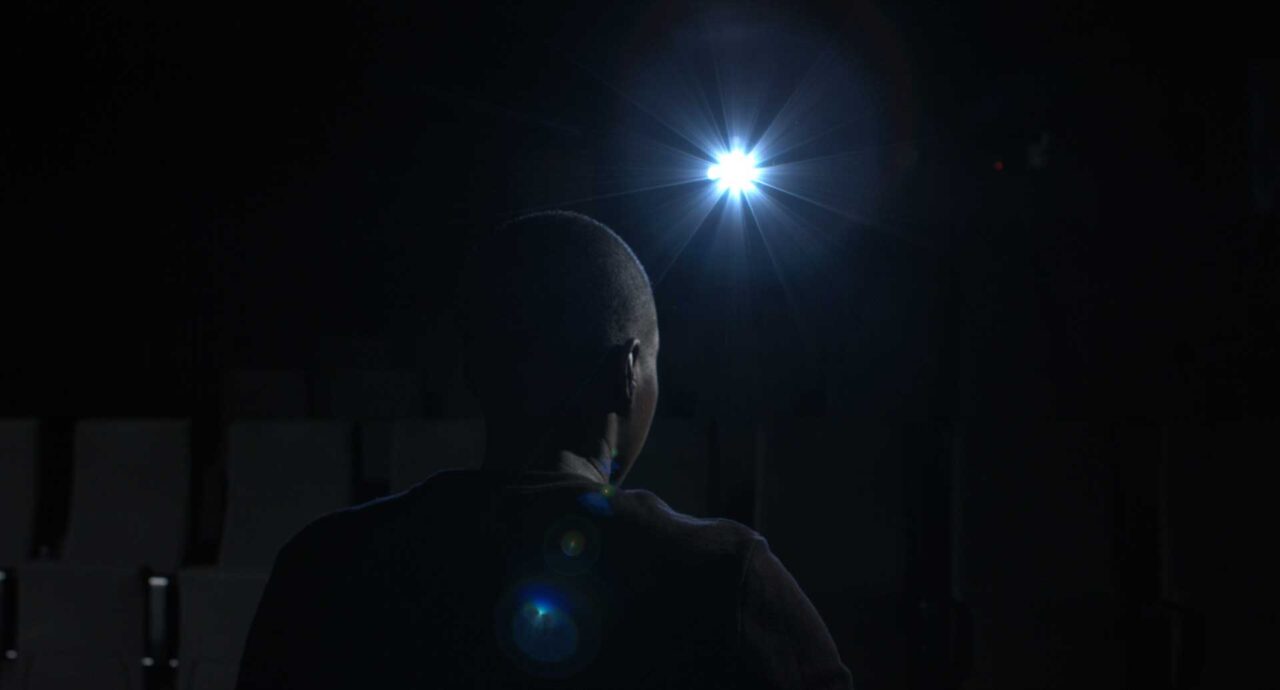
    On an empty movie hall stage, Belinda Kazeem-Kamiński uses ethnographic photos to undertake a performative search for presentation strategies capable of resisting the colonial regime of the gaze: self-empowerment via visibility and the opportunity to gaze back — “Until the lion has his or her own storyteller, the hunter will always have the best part of the story”.

    We’ll Always Have Paris

    Ella Raidel

    Austria / 2020 / 4 min

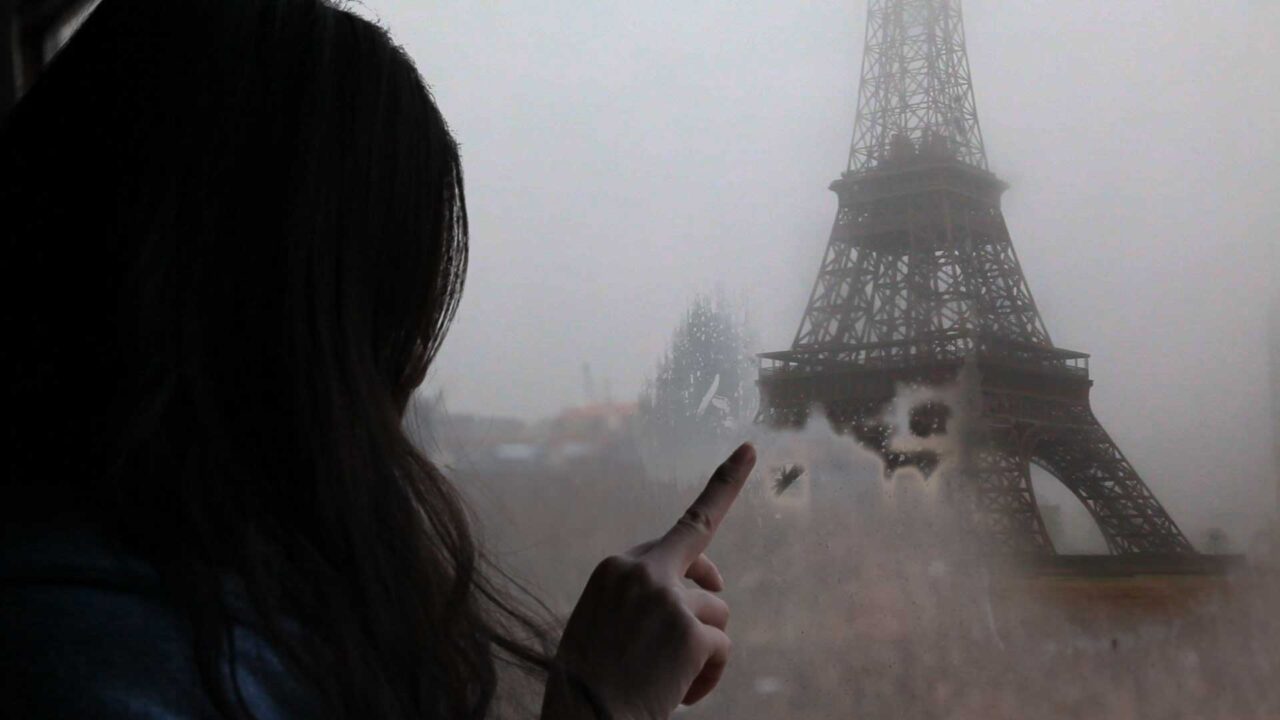
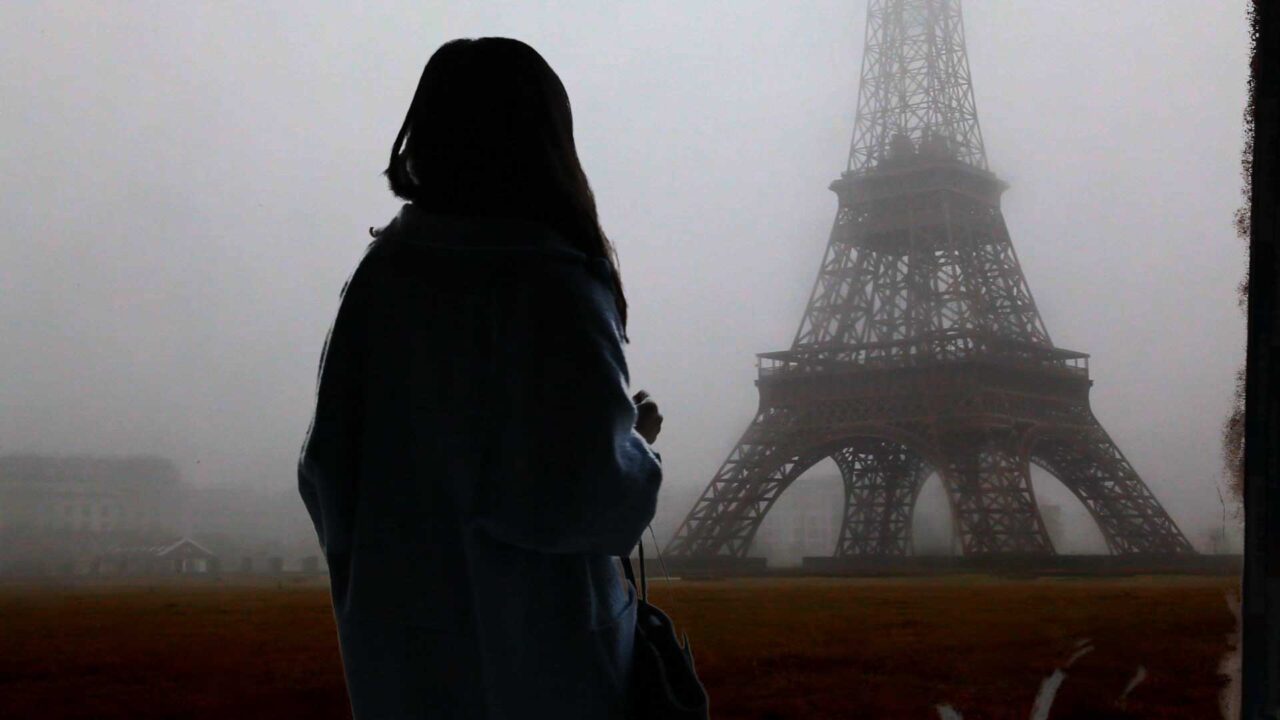
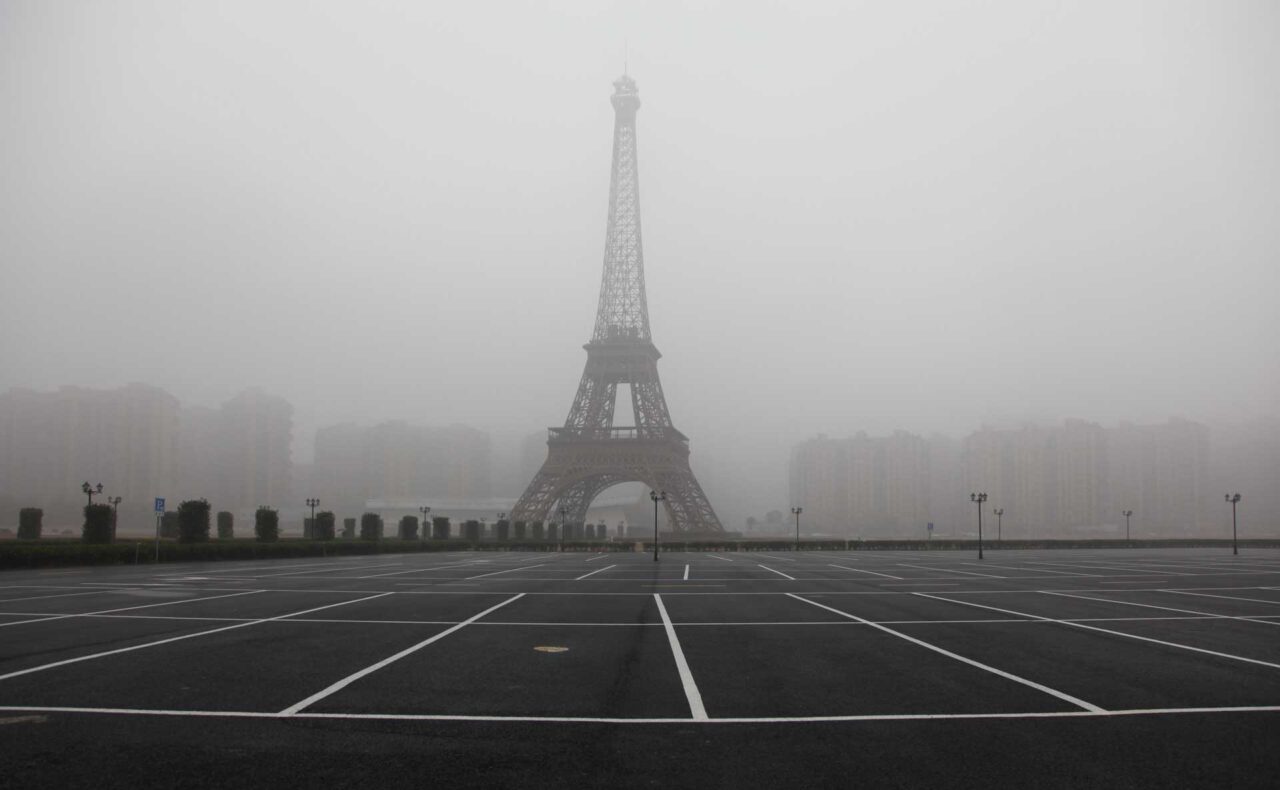
    The famous quote that lends the film its title is called into question. Paris is not the obvious choice for the setting of a ghost story. The excess of romance surrounding the French metropolis and its cultural symbols makes them seem almost unsuitable as a backdrop for horror. Not so in Ella Raidel’s work, where the Eiffel Tower, the Champs-Élysées, grand fountains, and neatly trimmed hedges appear as a false Paris, drenched in rain above the Chinese housing complex of Tianducheng. An architectural film, a critique of capitalism, a meditation on representation and simulacrum.

    Exhibition Talks

    Sasha Pirker, Lotte Schreiber

    Austria / 2014 / 9 min

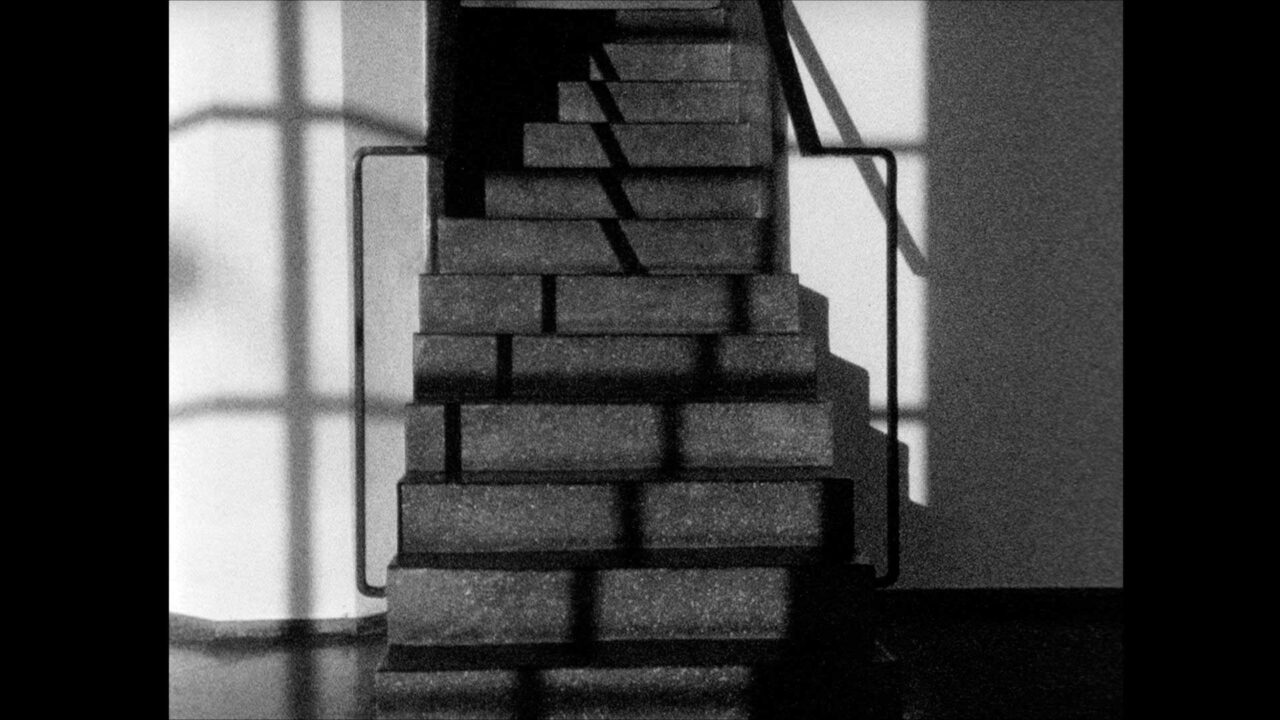
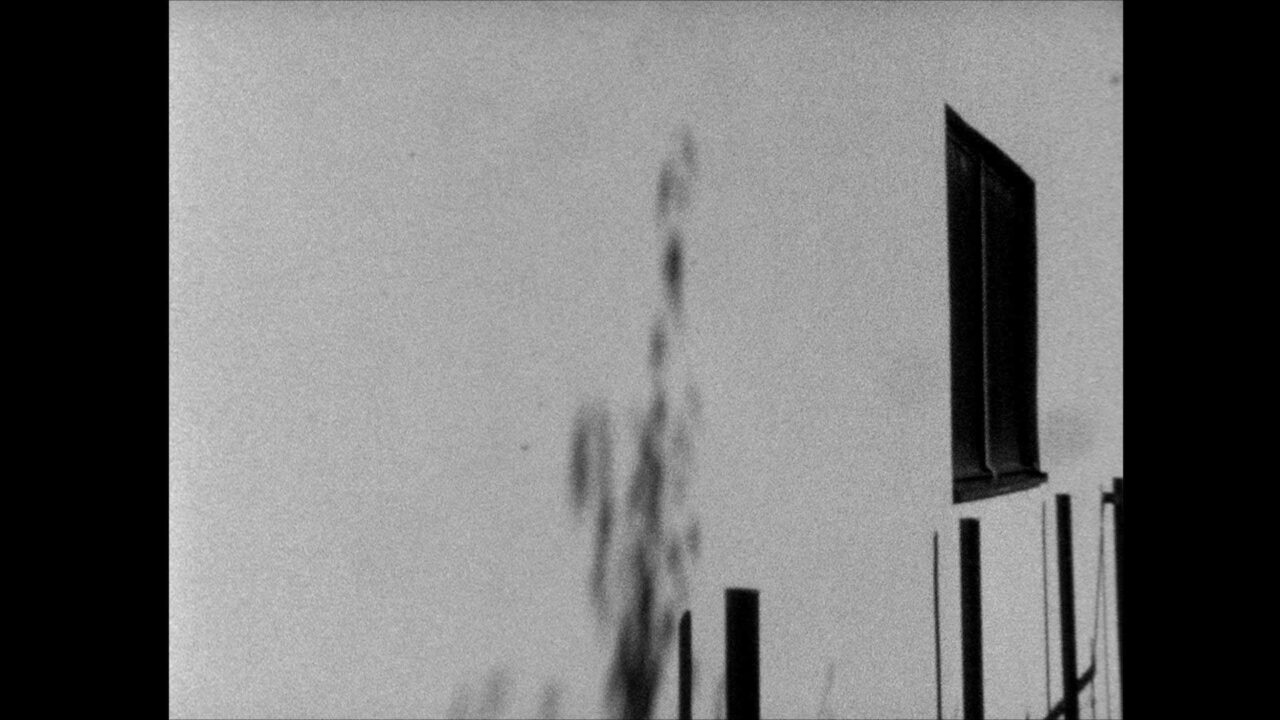
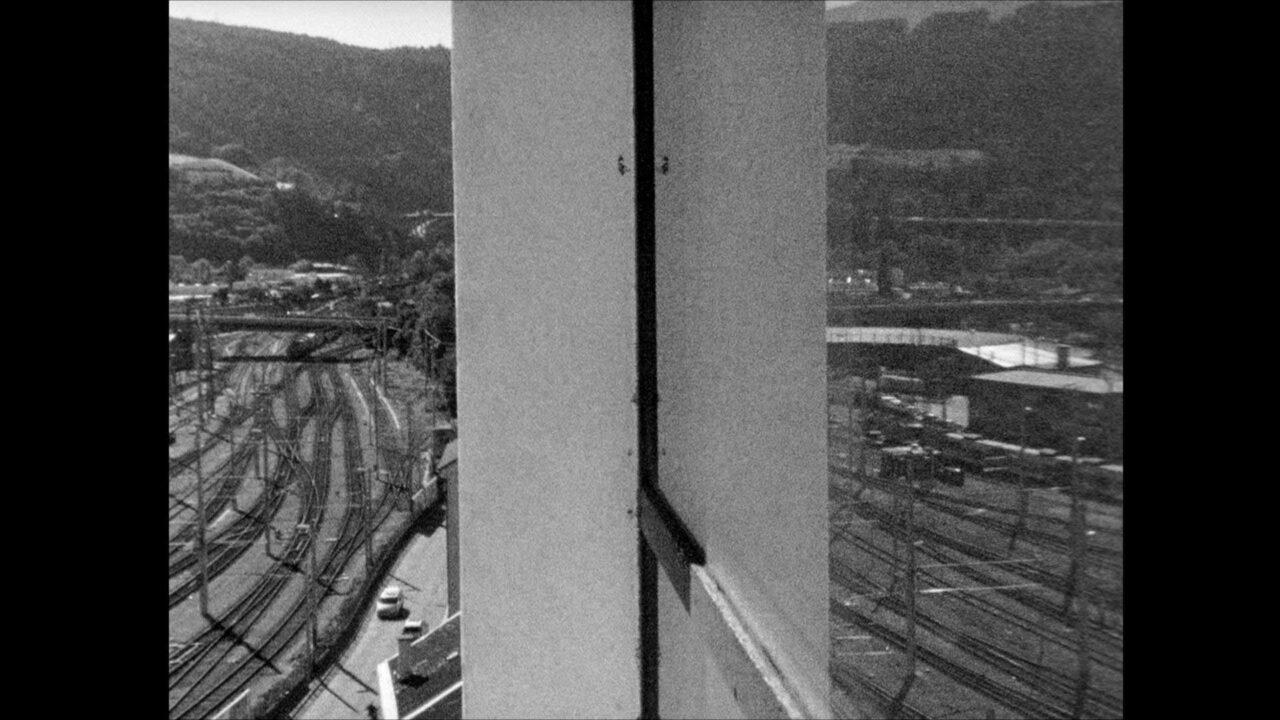
    If, as Walter Benjamin claimed, buildings are appropriated in a twofold manner through use and perception; that is, tactically and optically, then Sasha Pirker’s and Lotte Schreiber’s Exhibition Talks can be seen as an attempt to somewhat decouple this mode of reception. While the soundtrack deals with the use of aut, the Tiroler Architekturforum’s exhibition spaces, and the conditions of the individual spaces and possibilities to adapt them for one’s own purposes; the visual track offers fragmentary, static, black-and-white views of the same spaces, which stay in the visual register simply by being linked above the montage to a coherent spatial whole.

    I don´t want to be filmed but rather shoot myself

    Friedl vom Gröller

    Austria / 2023 / 3 min 40 sec

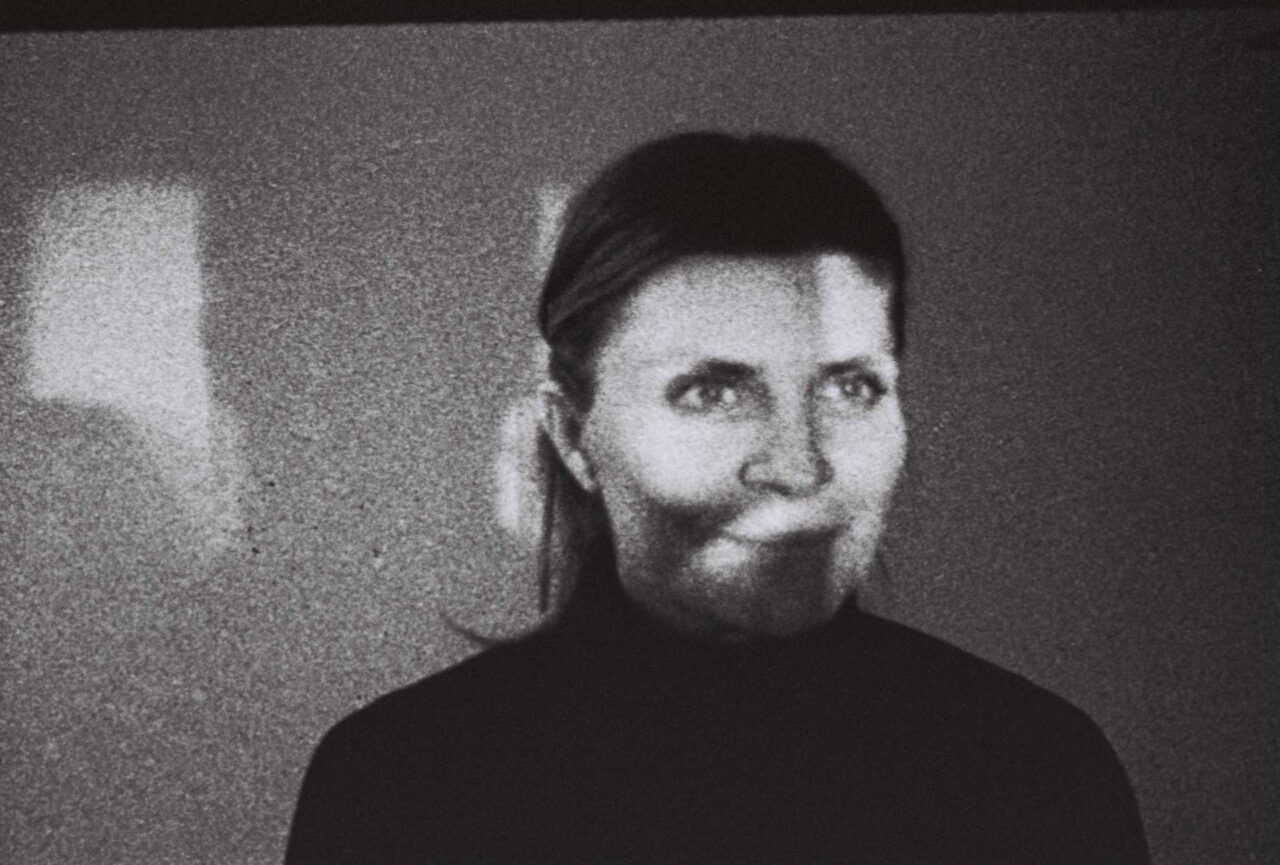
    The film is a dialogue and a record of an encounter between two filmmakers who – as becomes immediately clear – share much more than just a common medium. It reveals everything that a portrait can contain beyond the filmed face: a “film of relations” – between the filmer and the filmed, the apparatus of the analogue projector with its glaring light, and the projection of yet another film with yet another face, itself captured while watching. It is an “expanded portrait”: the mirror into which Friedl vom Gröller films and encounters herself filming – an archetypal moment of every self-portrait – opens up the space, as does the projection of her film Max Turnheim (2002–2022), which depicts a young man at different stages of his life.

    Egypt

    Kathrin Resetarits

    Austria / 1997 / 10 min

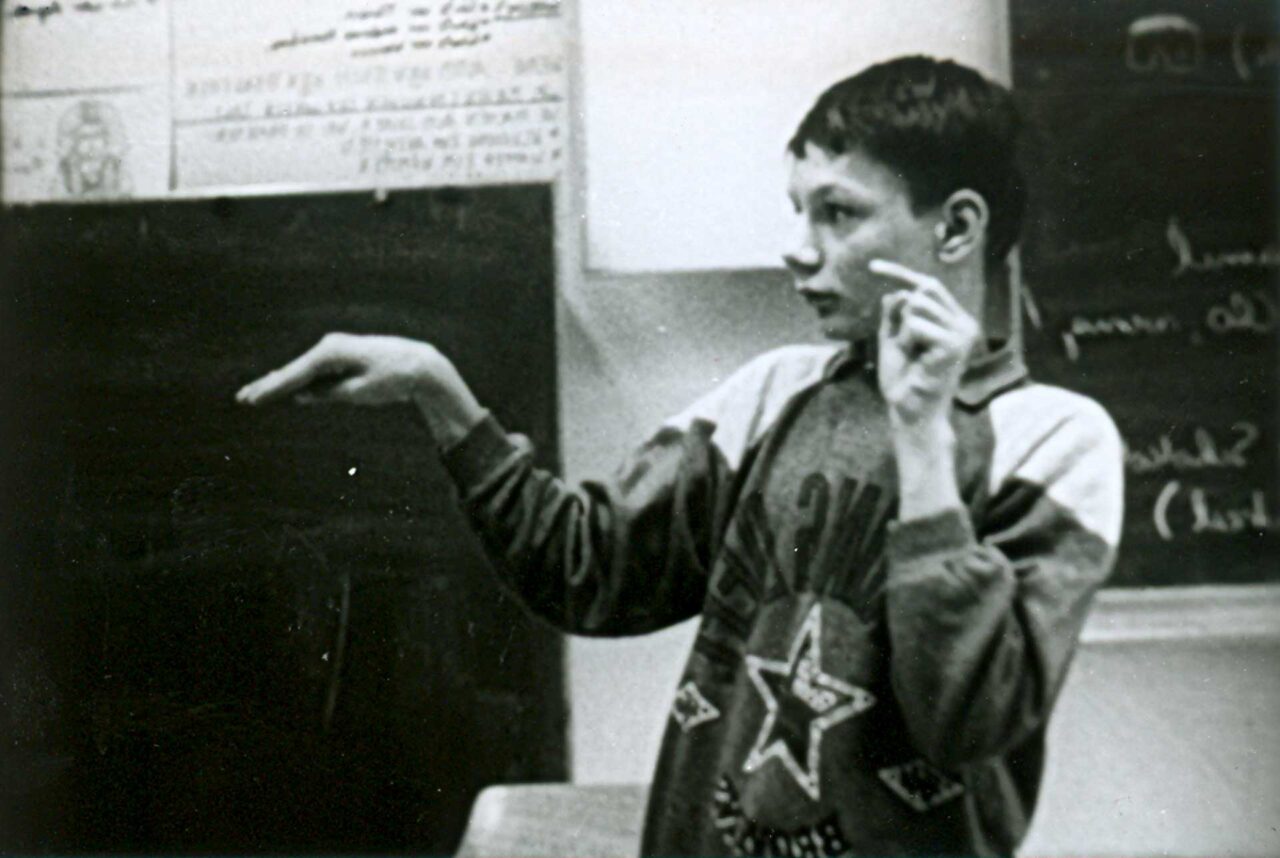
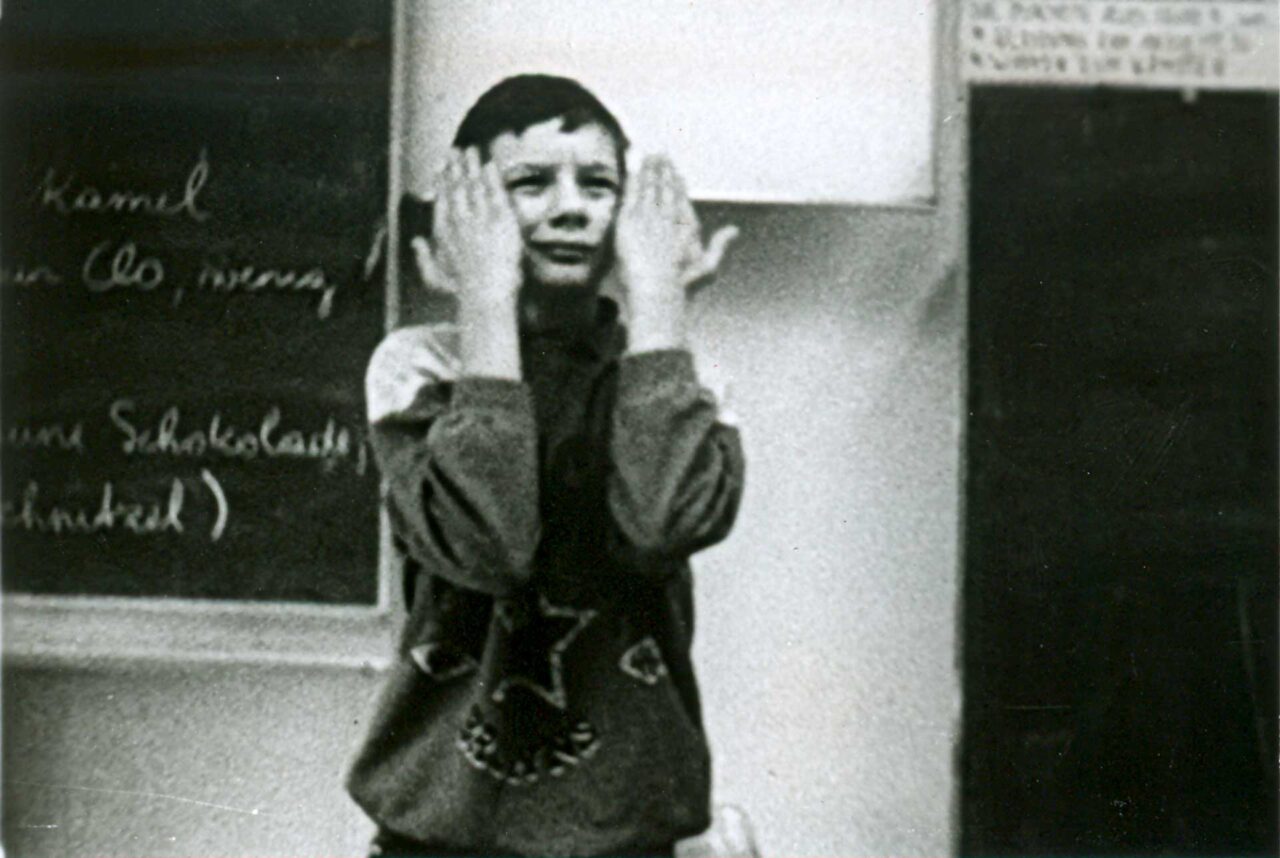
    The director has made a very special silent film which consists of rich gestured stories in the sign language. The translation is effected by written words, feature film sequences, voices in off and music. Here there are no extensive explanations, no “relevance justifications” simply something recorded, a successful reminiscence on the expressivity of early cinema. Something which is simultaneously commonplace and, for most people, foreign. Thus Resetarits relativizes the implicit agreement that documentaries are first and foremost concerned with the tristesse of human existence.

    Friedl

    Christiana Perschon

    Austria / 2023 / 2 min 38 sec

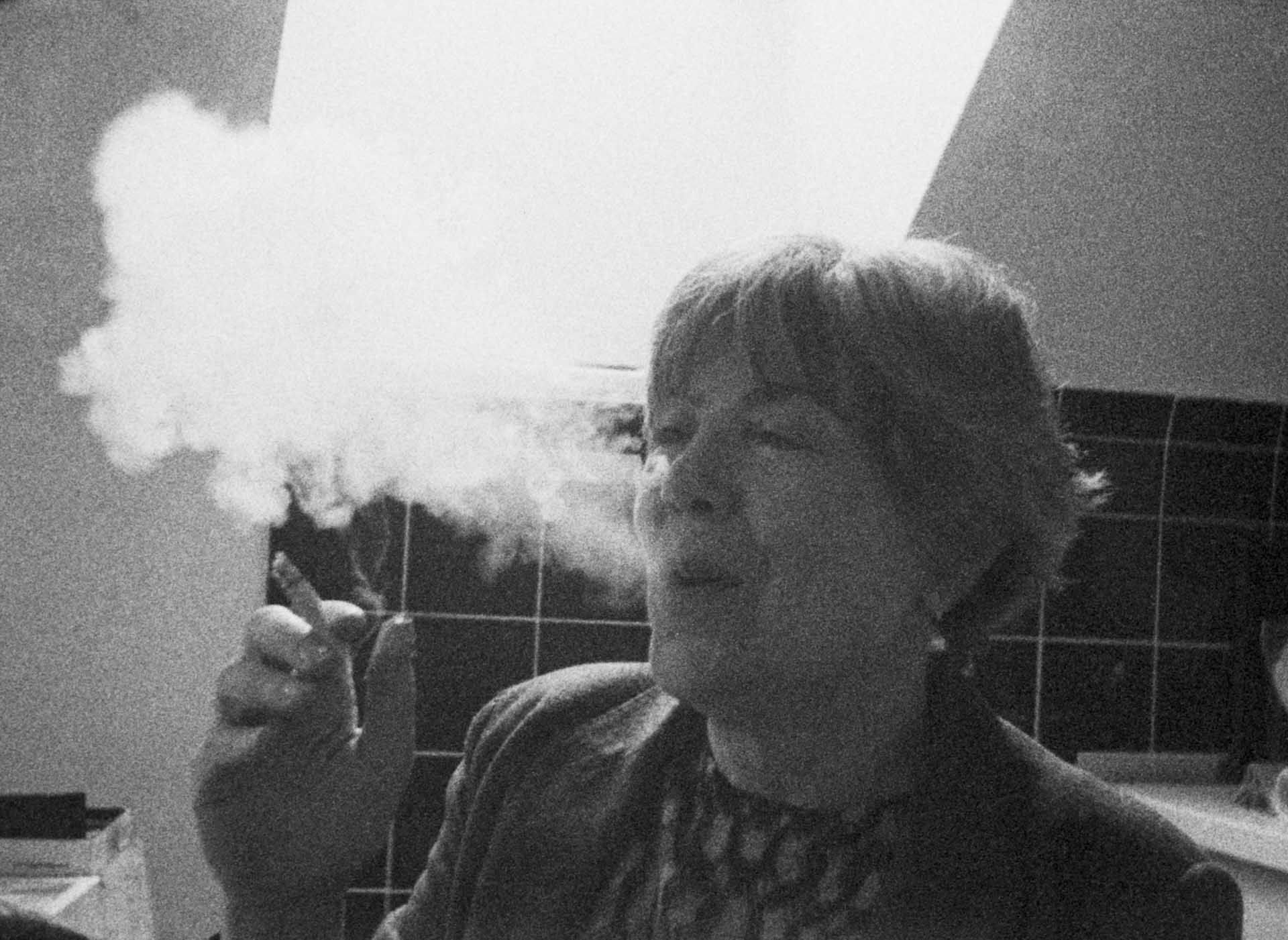
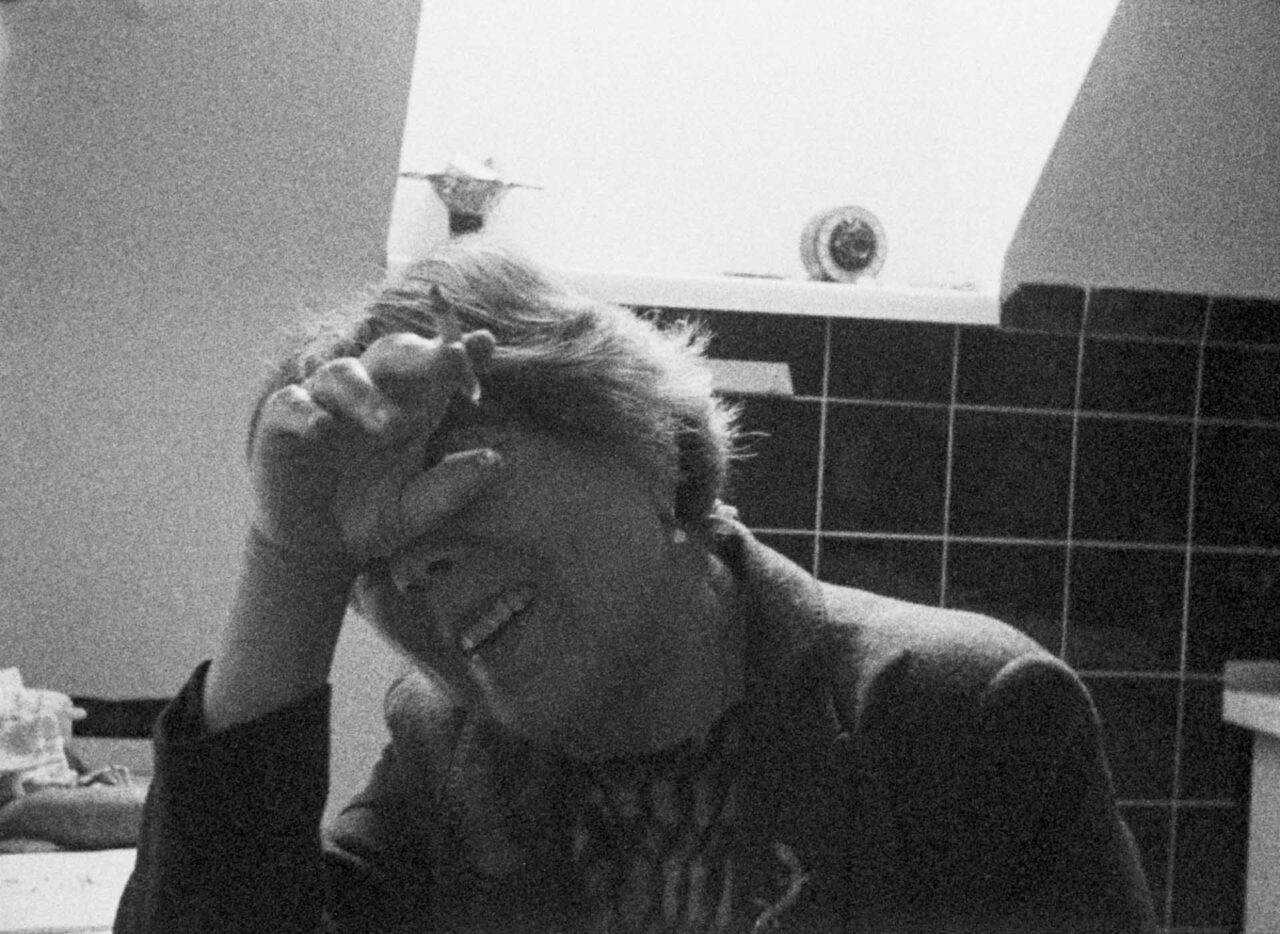
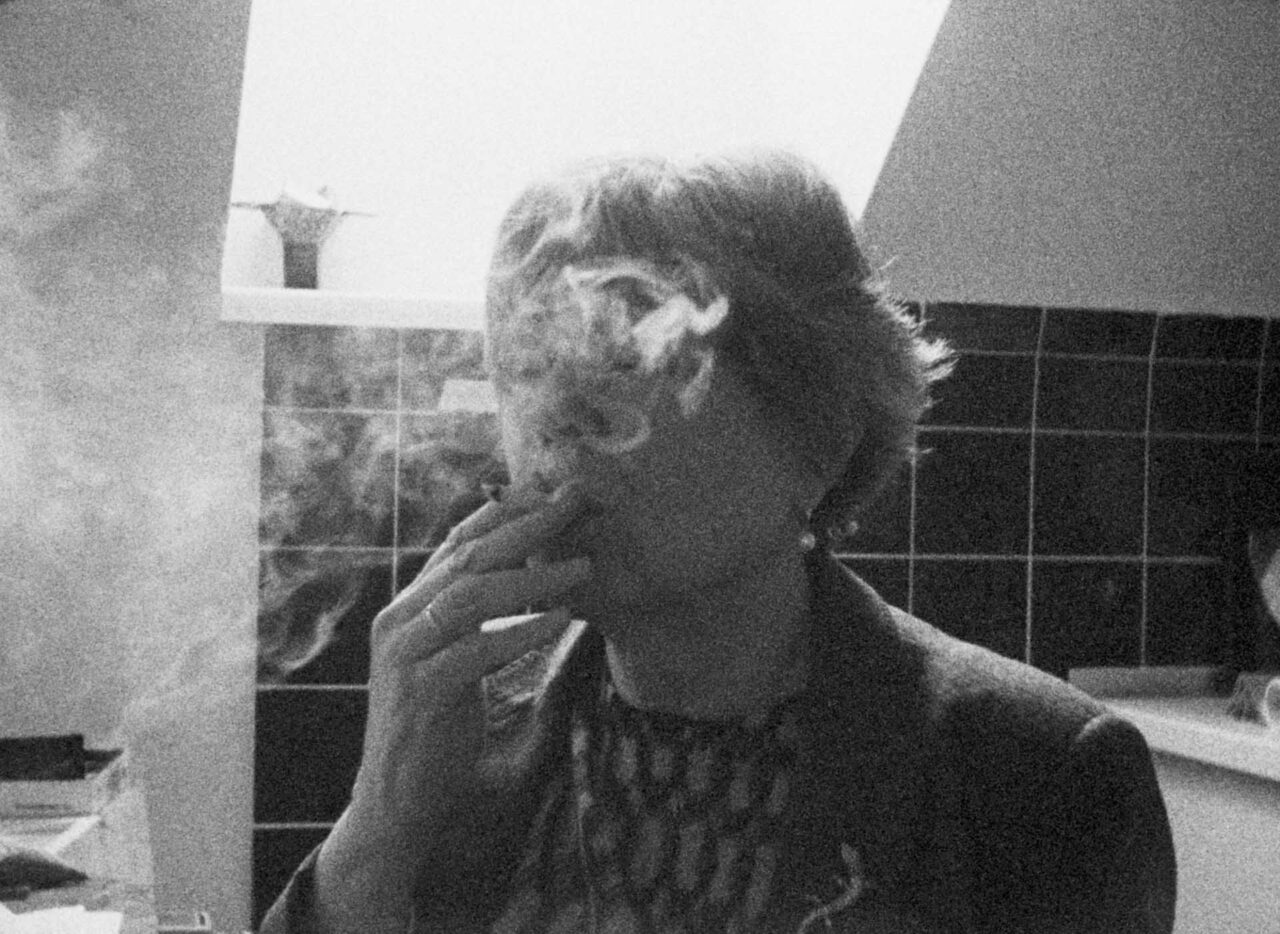
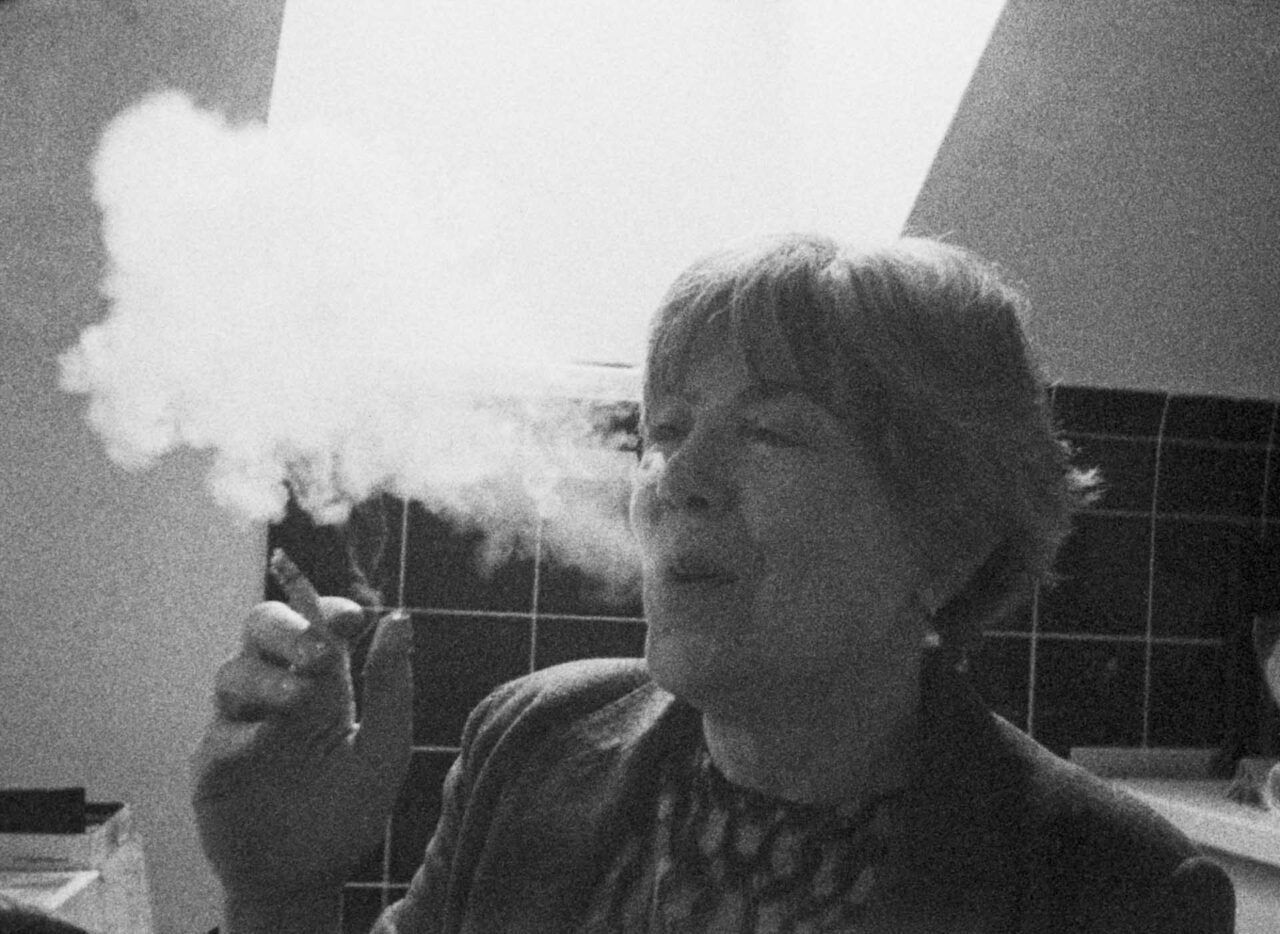
    Friedl vom Gröller is the next artist Christiana Perschon films as part of her portrait series. Here, however, it is less about the act of portraiture itself and more about the encounter between two generations of Austrian female filmmakers. The performative exploration of being together animates the seconds captured on film as Gröller smokes a cigarette. It is striking that vom Gröller, who in many of her own films unabashedly places herself at the center of attention, this time seeks to escape the camera’s gaze. Gradually, we perceive how consciously she shapes her own image. This characteristic affirmation of the “I” seen through the eye of another gives Perschon’s film its power and expressiveness.

    Passages

    Lisl Ponger

    Austria / 1996 / 12 min

    The director creates an imaginary map of the 20th century on which stories of emigration are engraved like worn traces of Western memory. Photographs taken by attentive tourists appear, in their tense relationship with the soundtrack, as a postcolonial journey. Finally, the magnificent neon signs of “Hotel Edison” and “Radio City” evoke the origins of this form of world appropriation, the era of great expeditions, and the time when technical apparatus and means of transportation fundamentally transformed the perception of modern man. This attentive film demonstrates that, when it comes to images, neither hermetic memory nor immutable innocence exists, and found footage art requires no artificial manipulation to reveal the boundary between privacy and hidden political agendas.

    Beaches

    Astrid Ofner

    Austria / 2019 / 10 min

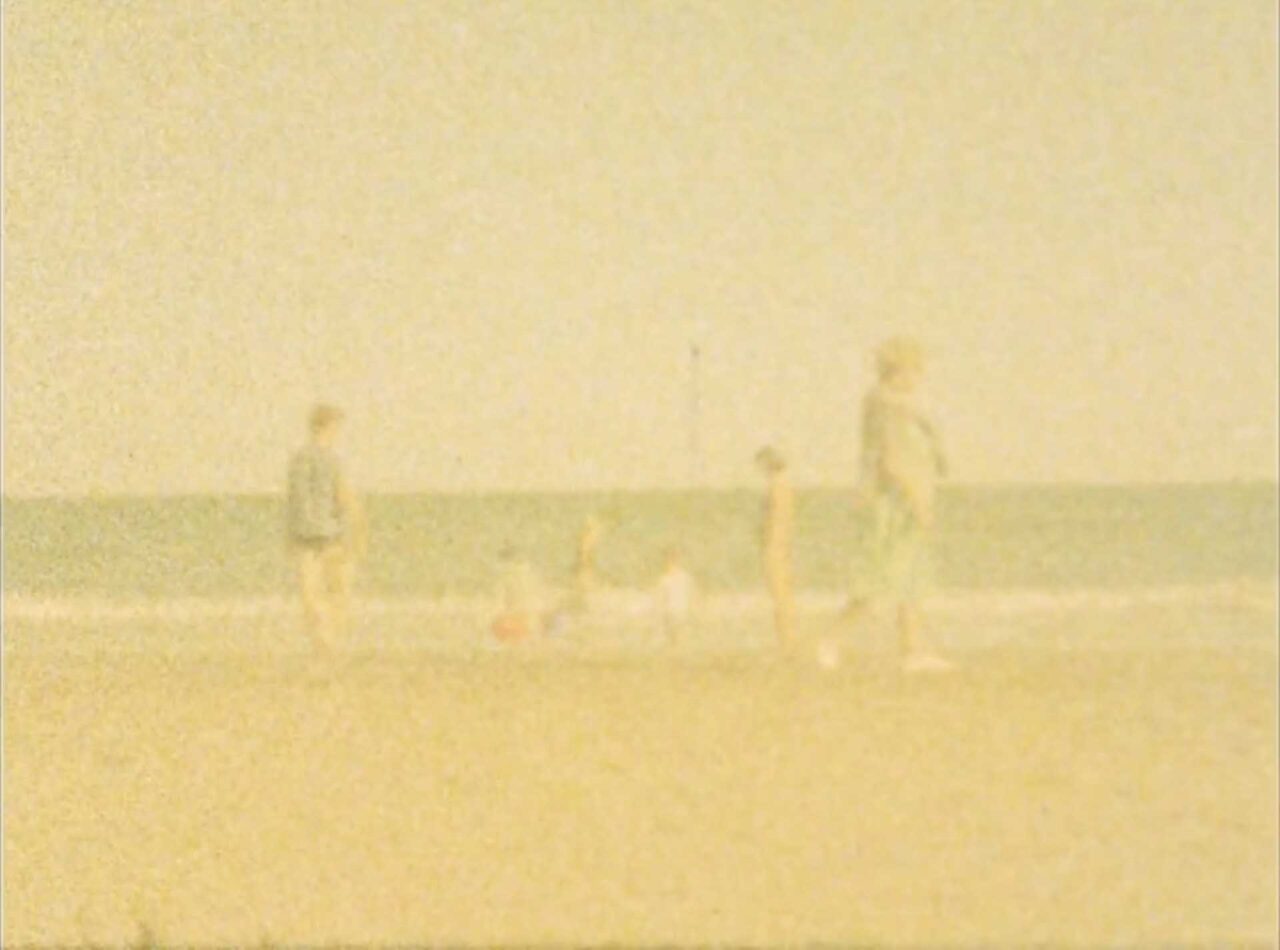
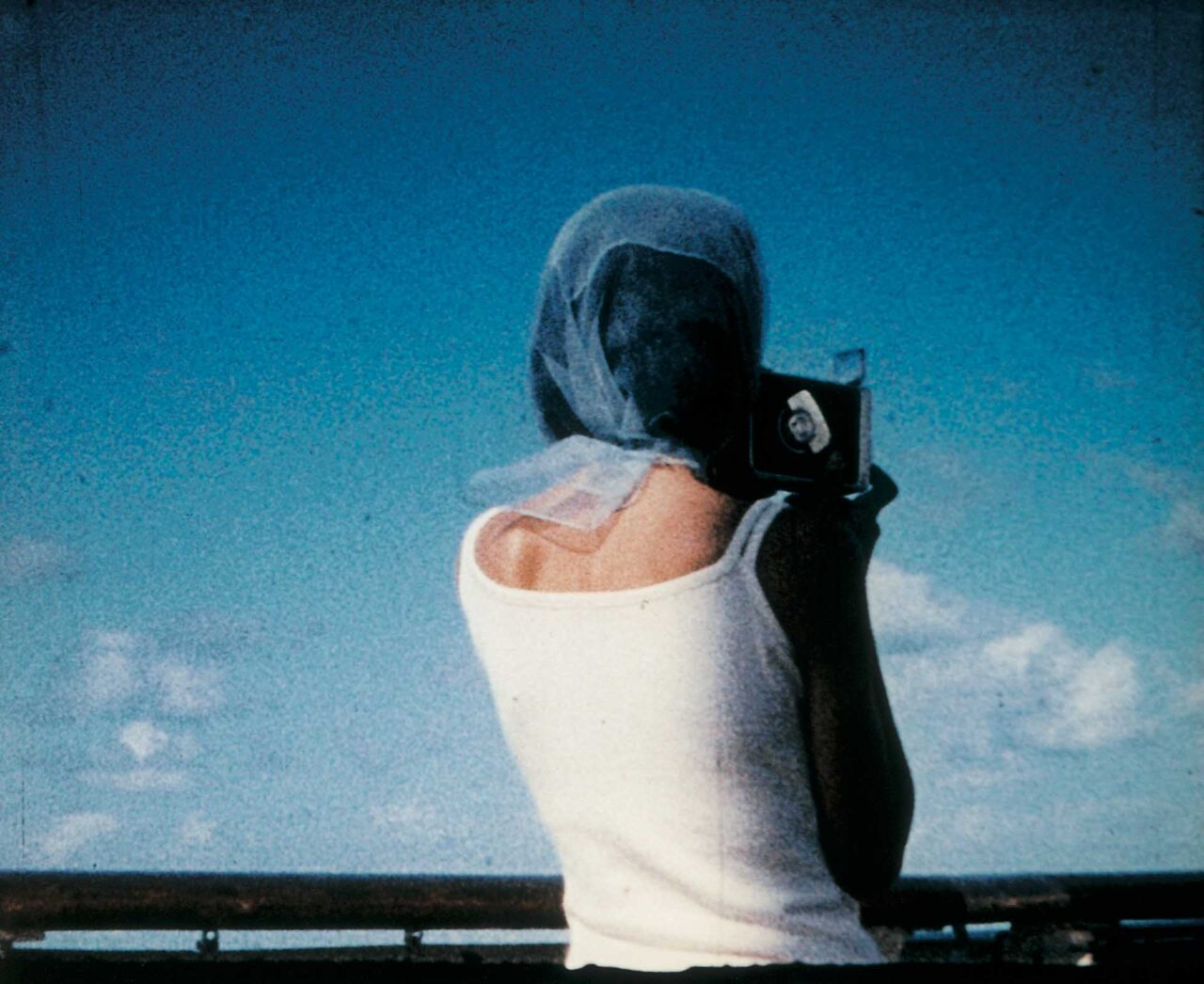
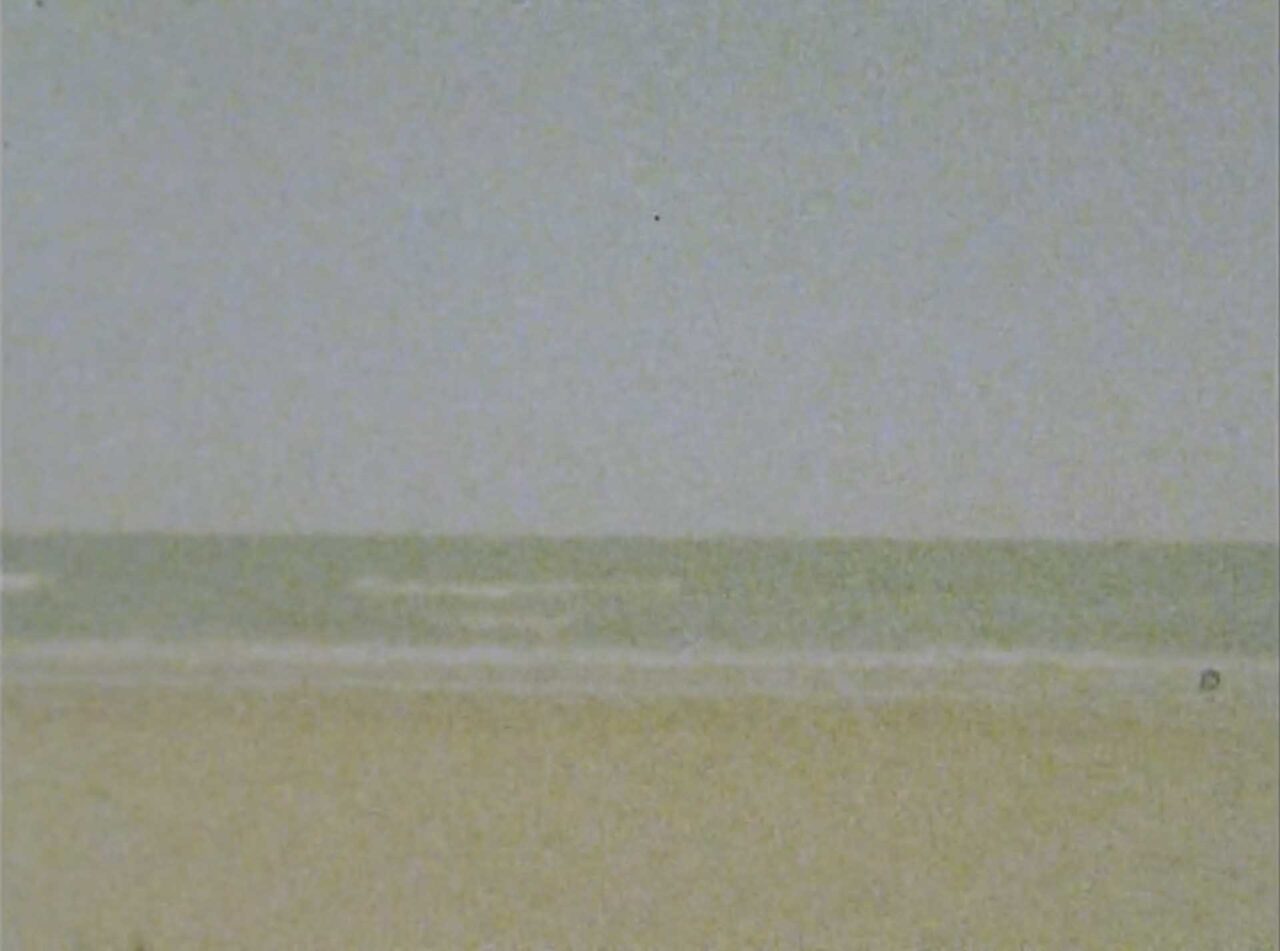
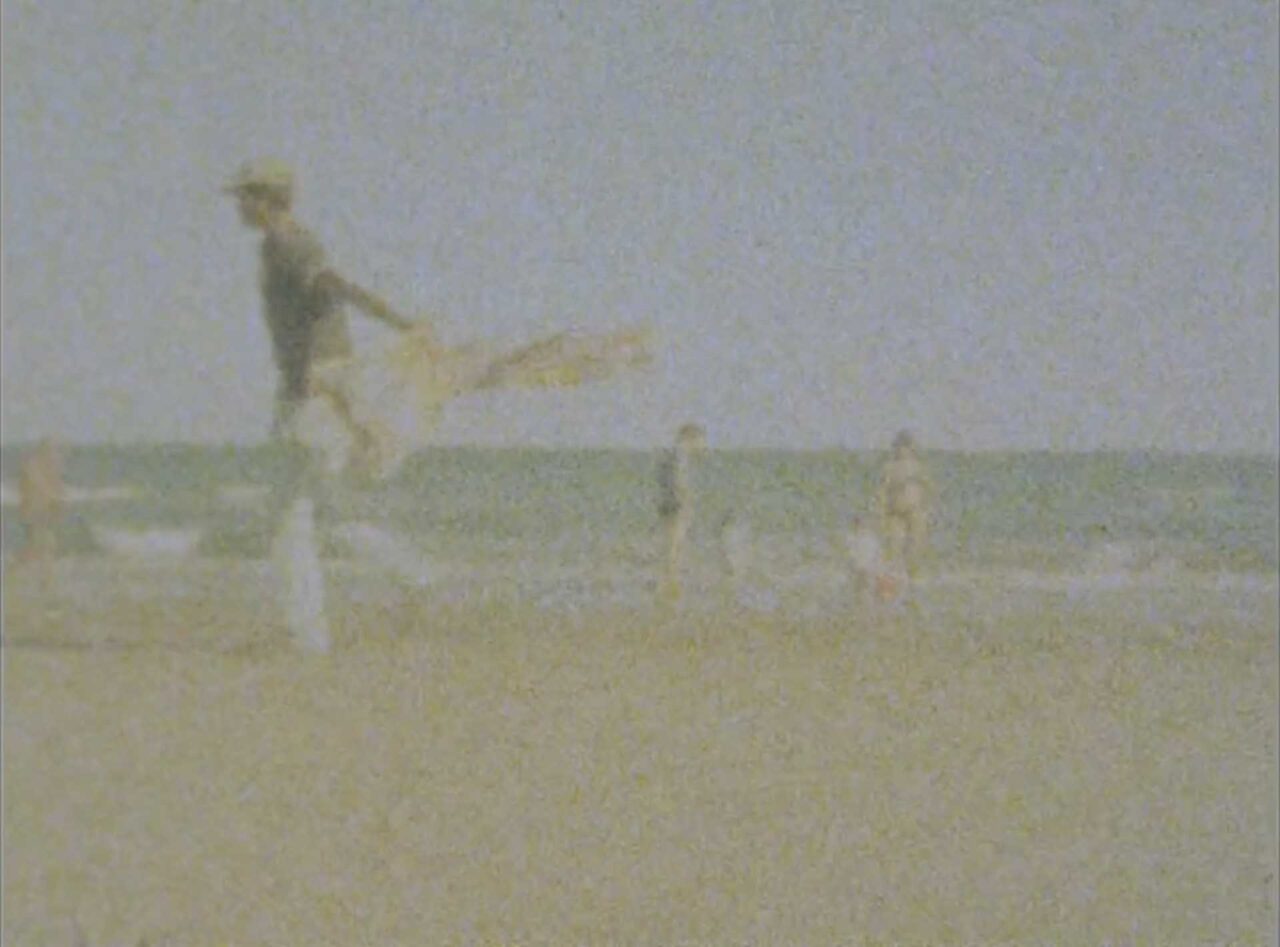
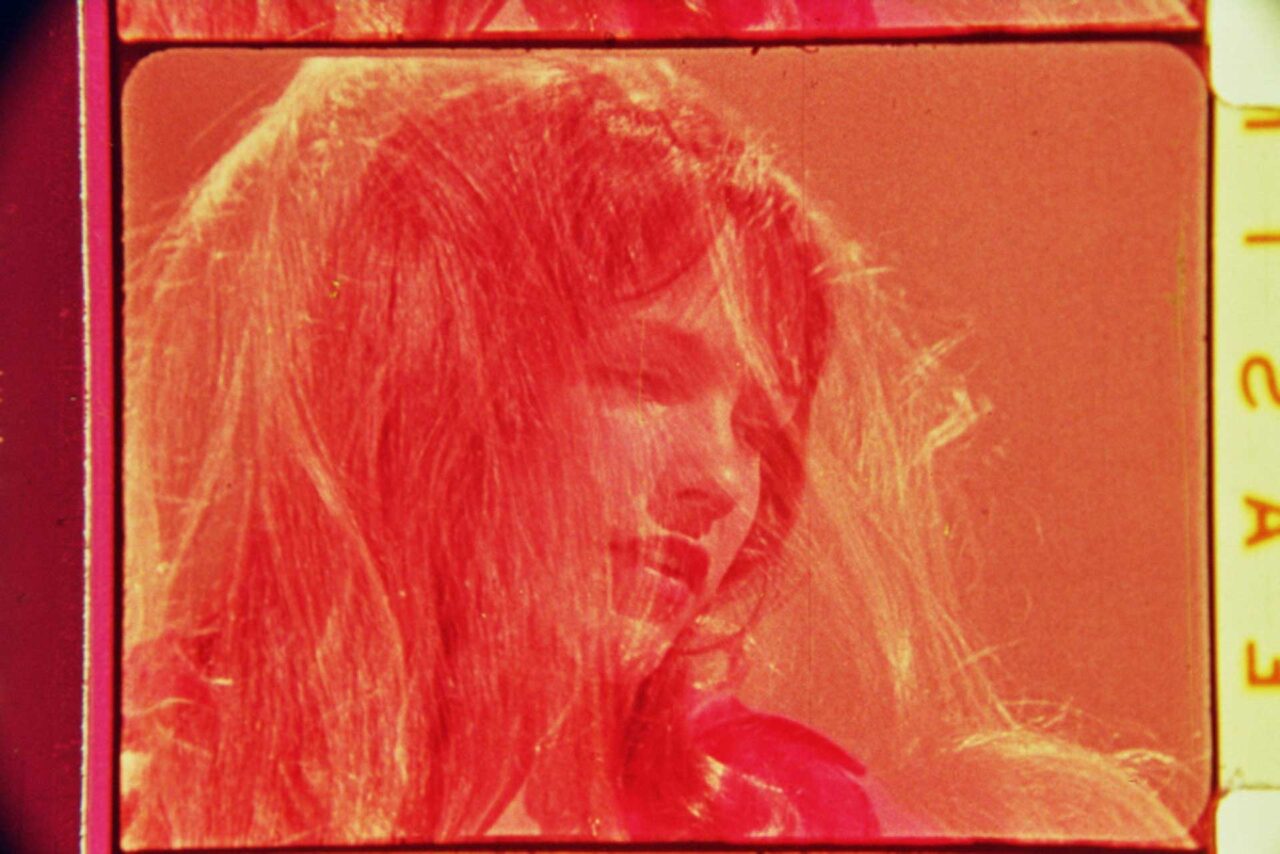
    Images of a family vacationing by the sea: in a changing palette of colors, grainy Super 8 footage tells the story of gently foaming waves breaking on the shore of an Adriatic beach. Small children play in the water under the watchful eye of their mother. Soon, their father joins them. An older woman walks by, and later a man flies a kite in the foreground. The images are tinted in soft shades of pink, yellow, and blue. Astrid Ofner’s fragile, analog film footage could convey a longing for summer hours past and tender family bonds, if it weren’t for Sylvie Rohrer’s quick-tempered off-screen narration, attacking the images of the quietly rippling sea from the very beginning.

  • Glitch

    Glitch

    Glitch

    64 min

    Short films set by now-iconic feminist artists, as well as younger generations.

    Their contributions range from anarchic performances, documentary sketches and queer gems to animations or found footage films. You’ll find complex explorations of repressed political history and structural social exclusion, cinematic reflections on architecture and pointed portraits, as well as elaborate artistic challenges to new technologies, including AI, and more comic relief. 

    20.09.2025
    20:30
    Kinoteka

    …a car…

    Carola Dertnig

    Austria / 2010 / 8 min

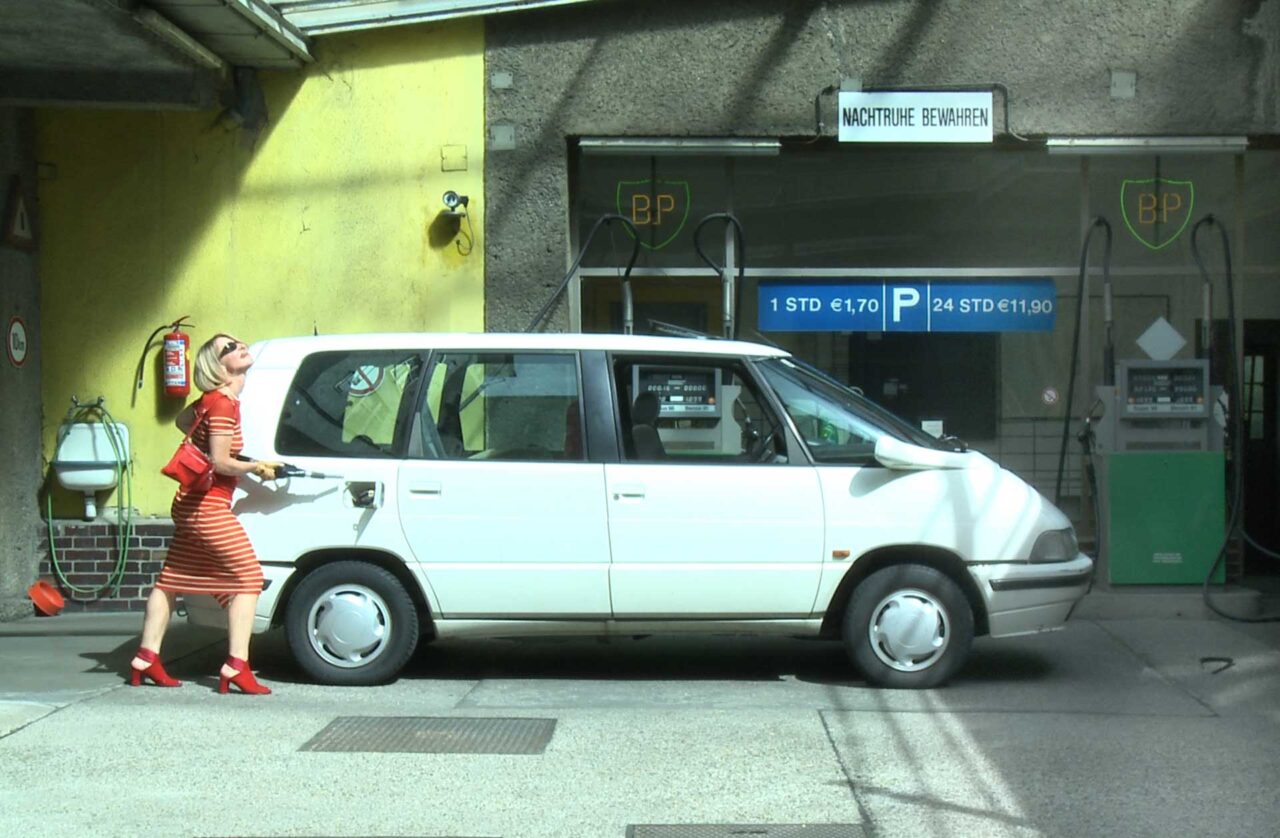
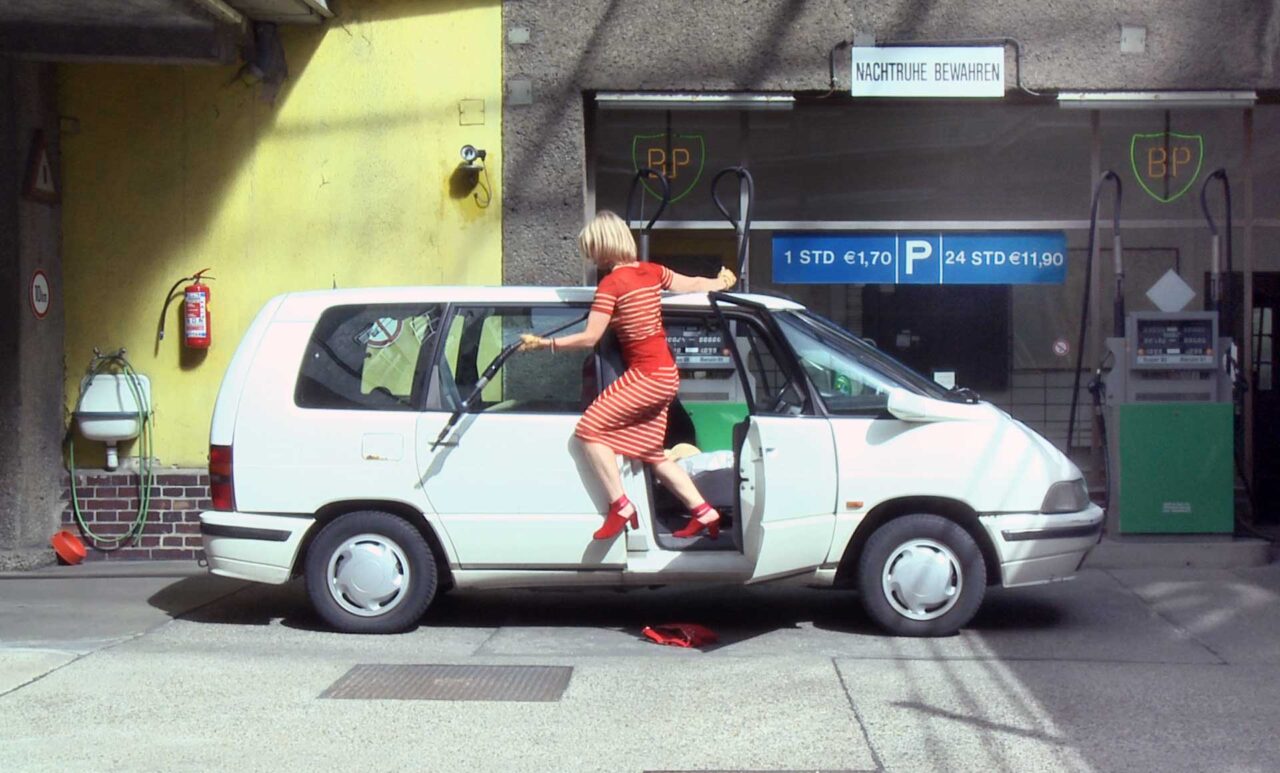
    A familiar scenario and an everyday situation: parking a car. Carola Dertnig examines various daily routines for their comic potential, and here it is driving’s turn. Dressed like a “hot chick,” the artist maneuvers and parks her huge car in Vienna’s Apollo Garage, which becomes the stage for her latest slice-of-life comedy.

    Carte Noire

    Michaela Grill

    Austria, Canada / 2014 / 2 min 30 sec

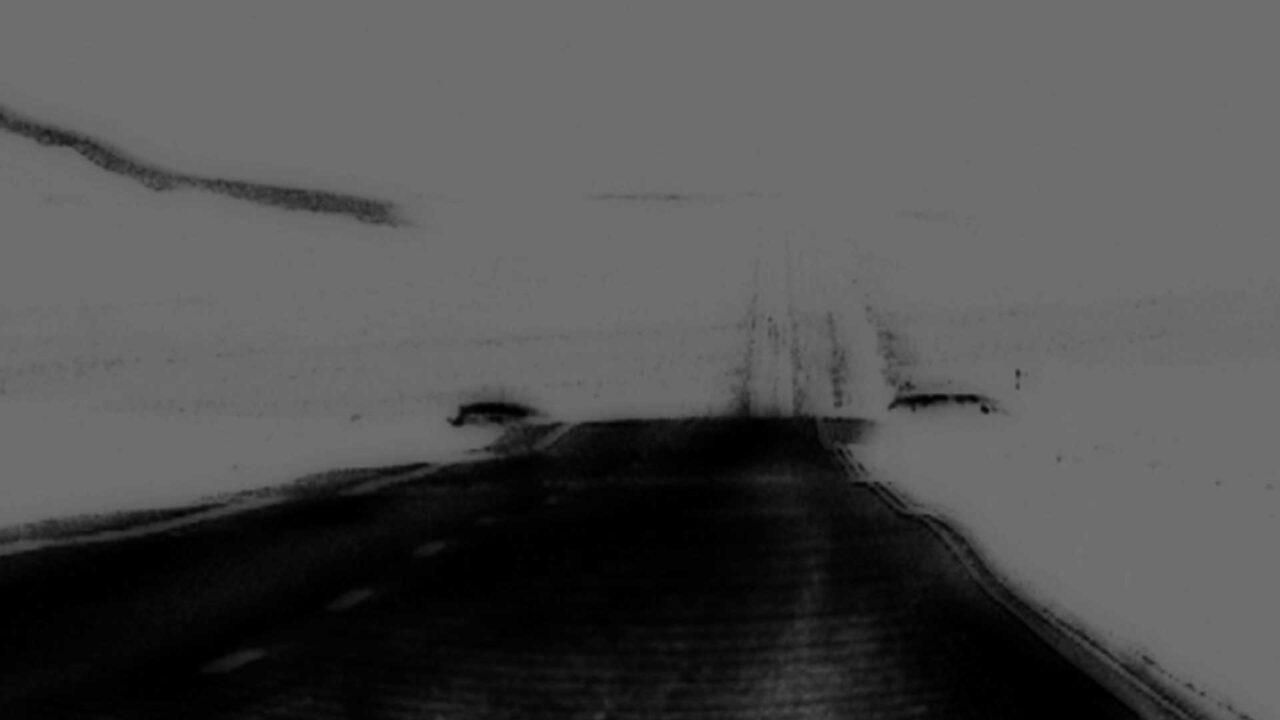
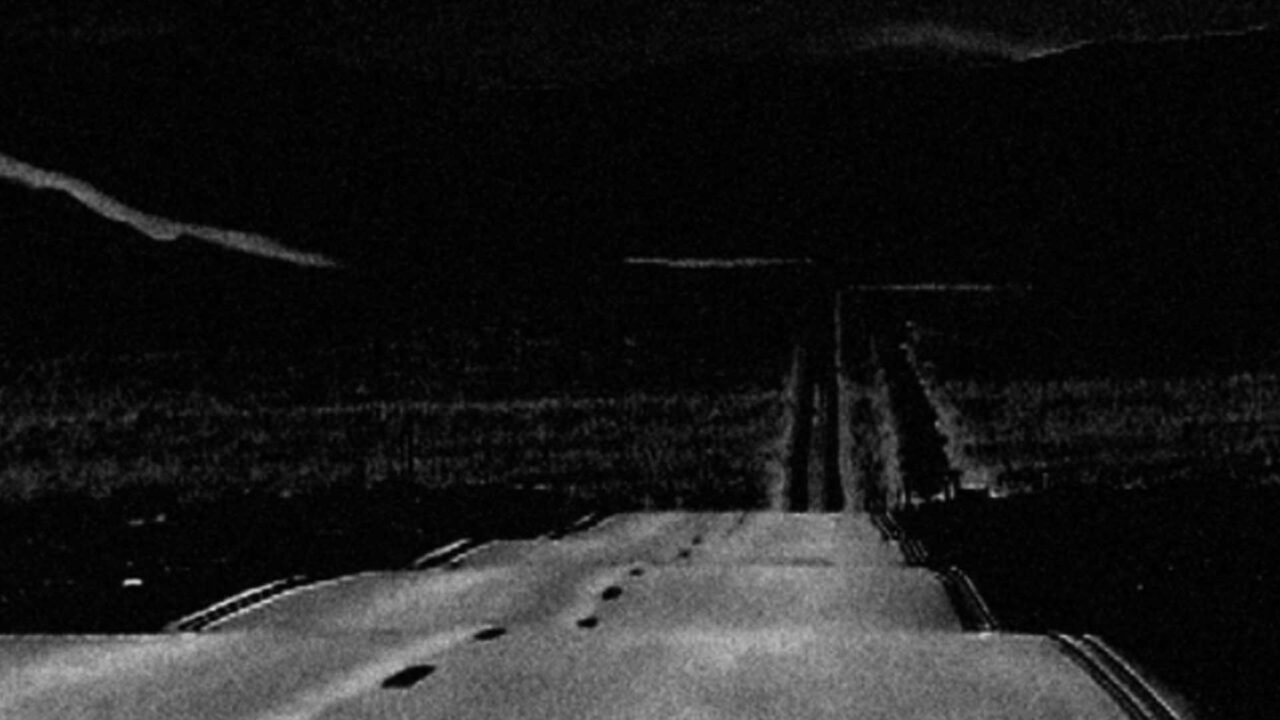
    White flashes in the darkness of night. As if etched, as if pasted in. Flickering specters, ghostly visions. A true phantom ride, a film of tension. In carte noire, a dark road movie miniature, the artist continues her cinematic exploration from the abstraction of an object to its alienation. This time, she turns to a classical, highly charged motif from popular culture and cinema: a solitary car ride along an empty country road, which almost automatically evokes cross-genre associations.

    Amazon Woman

    Anna Vasof

    Austria / 2021 / 4 min

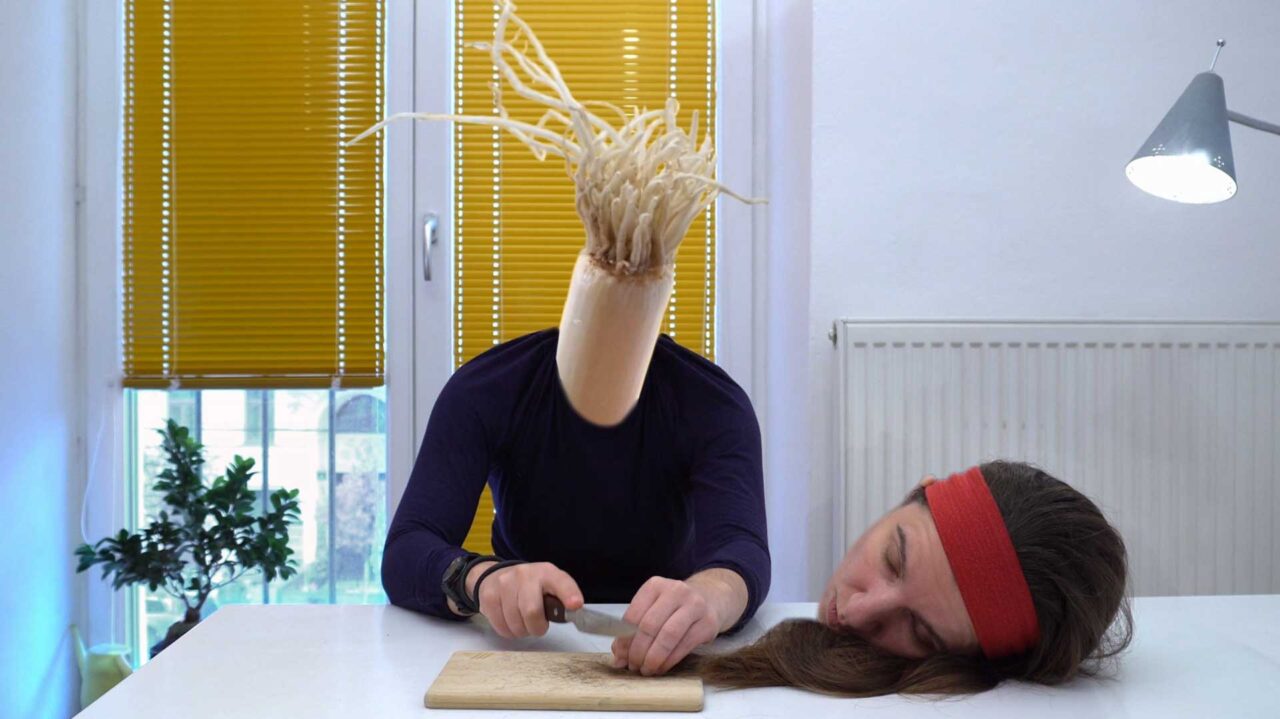
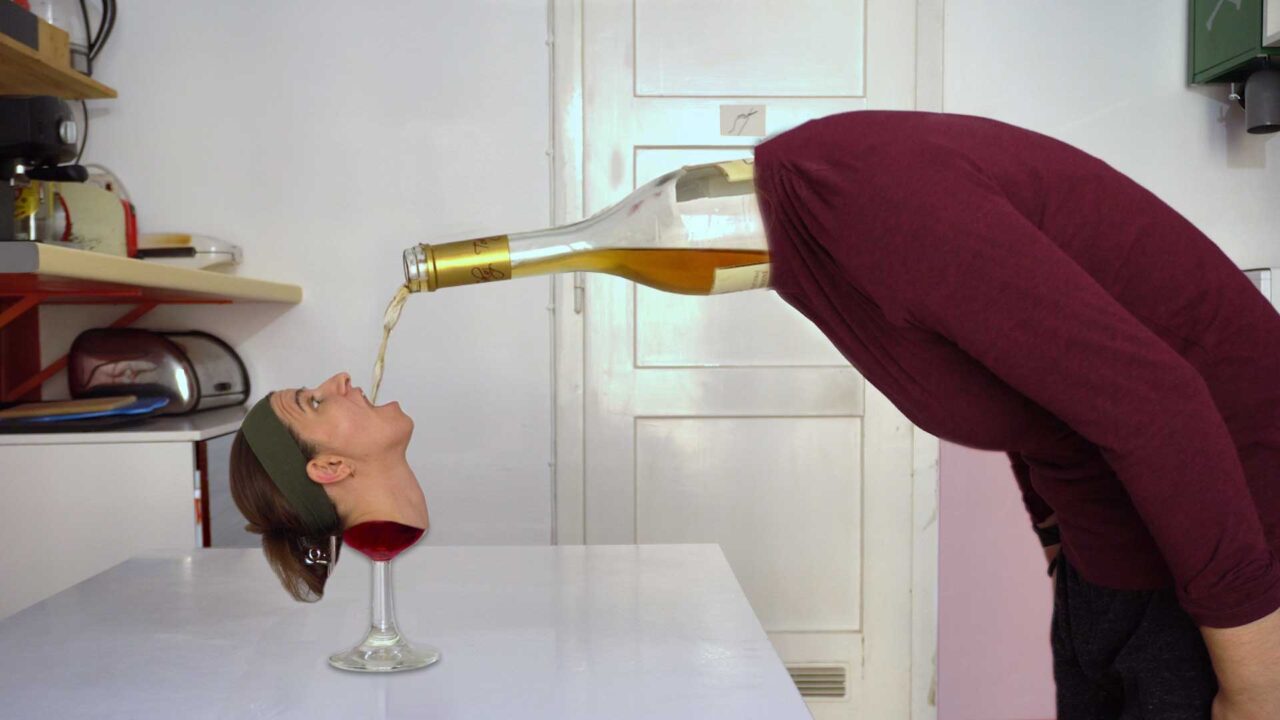
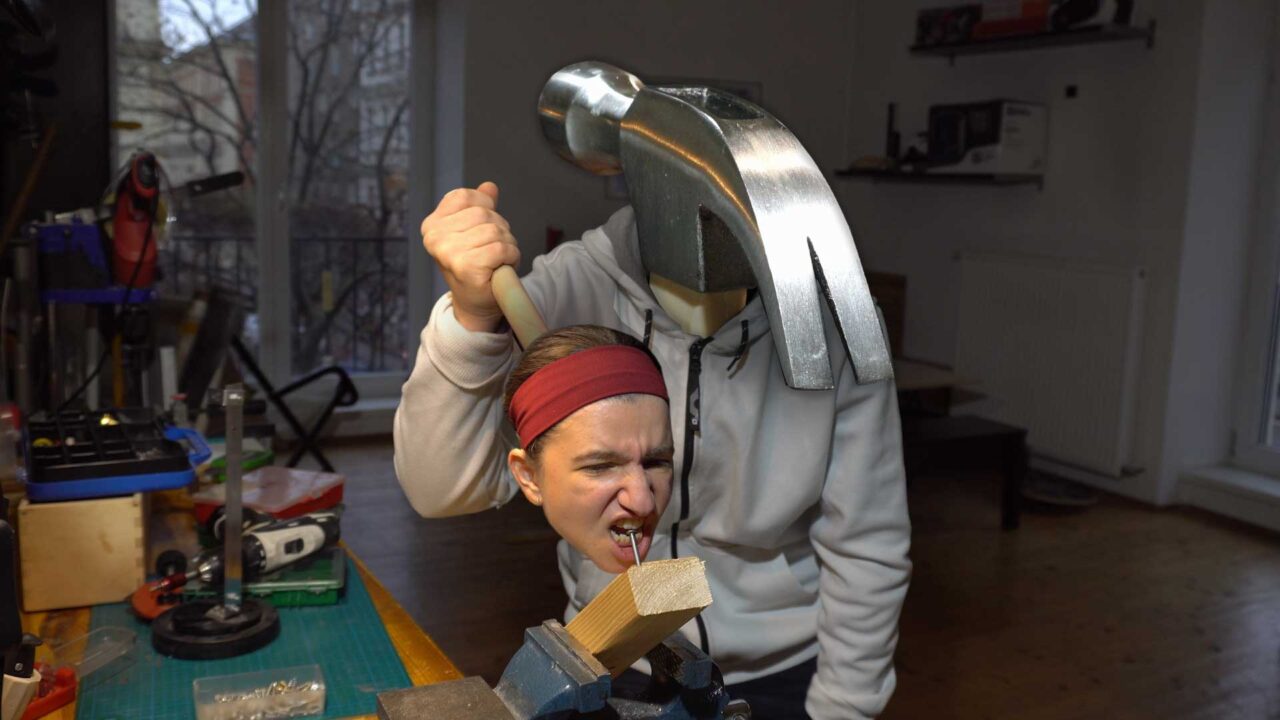
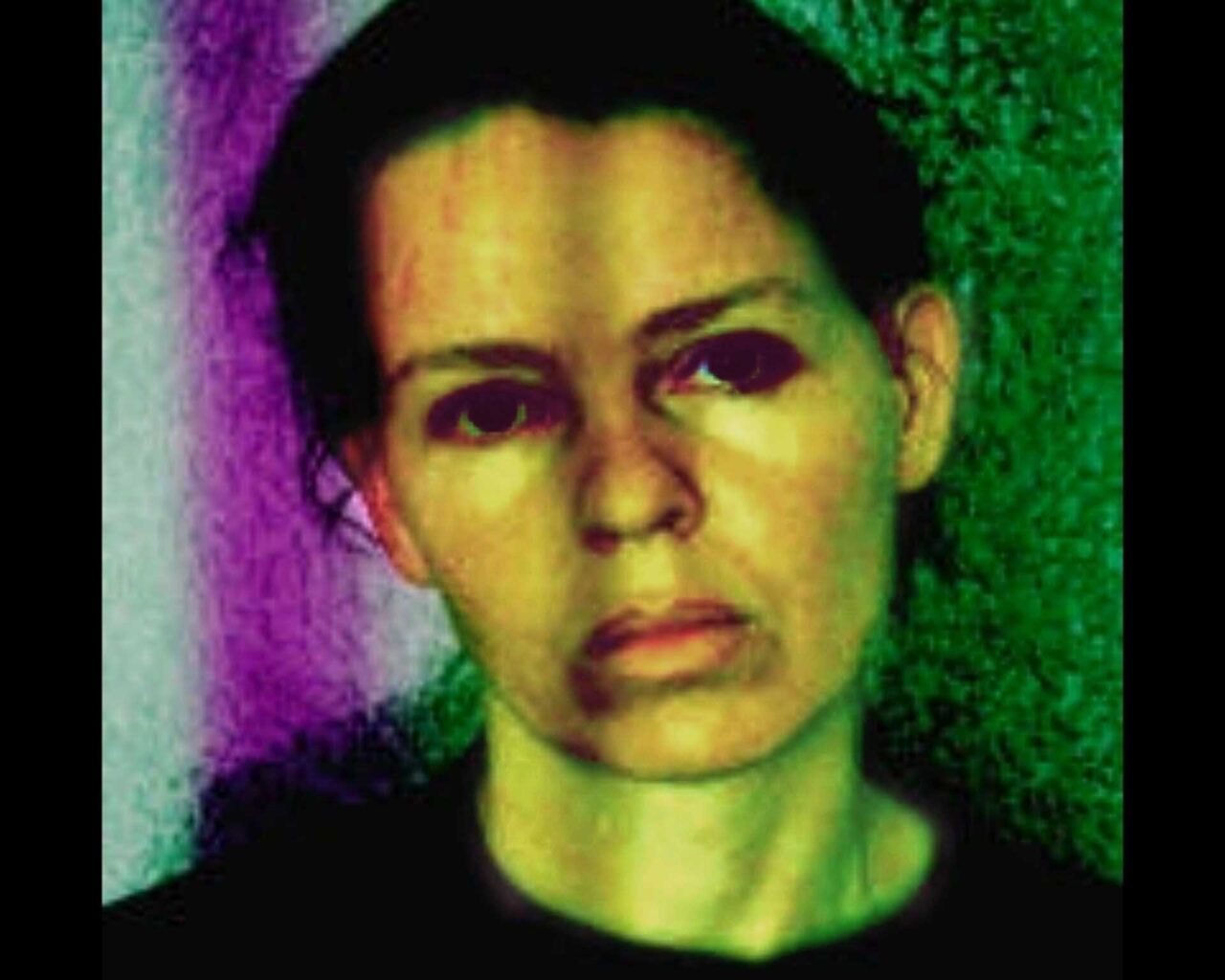
    While other body parts perform their specific functions as instruments, the head serves as a multifunctional tool. In 24 ten-second shots, Amazon Woman’s director explores what the head is capable of. Each scene—mostly depicting repetitive routines—presents Vasof’s head in isolation, scaled down and displaced; it acts as an object or tool in the hands of a body that, in place of its own head, possesses this object or tool. What consequences arise from the inception of head and body?

    Jet

    Michaela Schwentner

    Austria / 2003 / 6 min

    The exhilarating dynamism of this film results from a precisely composed interplay of color and form, which significantly shapes the viewer’s perception. The director employs a method akin to that of electroacoustic sound artists, who use a variety of painterly elements, allowing them to interact, overlap, or contrast. The journey through this landscape of sound and image passes quickly, apparently pausing only when the music becomes exceptionally concentrated. In fact, it stops when the viewer is gently brought back to earth by the landscape scenes at the conclusion.

    Lezzieflick

    Nana Swiczinsky

    Austria / 2008 / 7 min

    Lezzieflick is a deconstructive remix of stereotypical representations of lesbian sex in heterosexual pornography. Body forms become fluid, constantly changing, and the women no longer appear as passive objects of voyeuristic desire. Both the content of the image and the usual position of the subject are displaced. The filmic material seems to dissolve in satisfaction. Is there such a thing as beautiful “hardcore” camerawork?

    sexy

    Kurdwin Ayub

    Austria / 2013 / 3 min

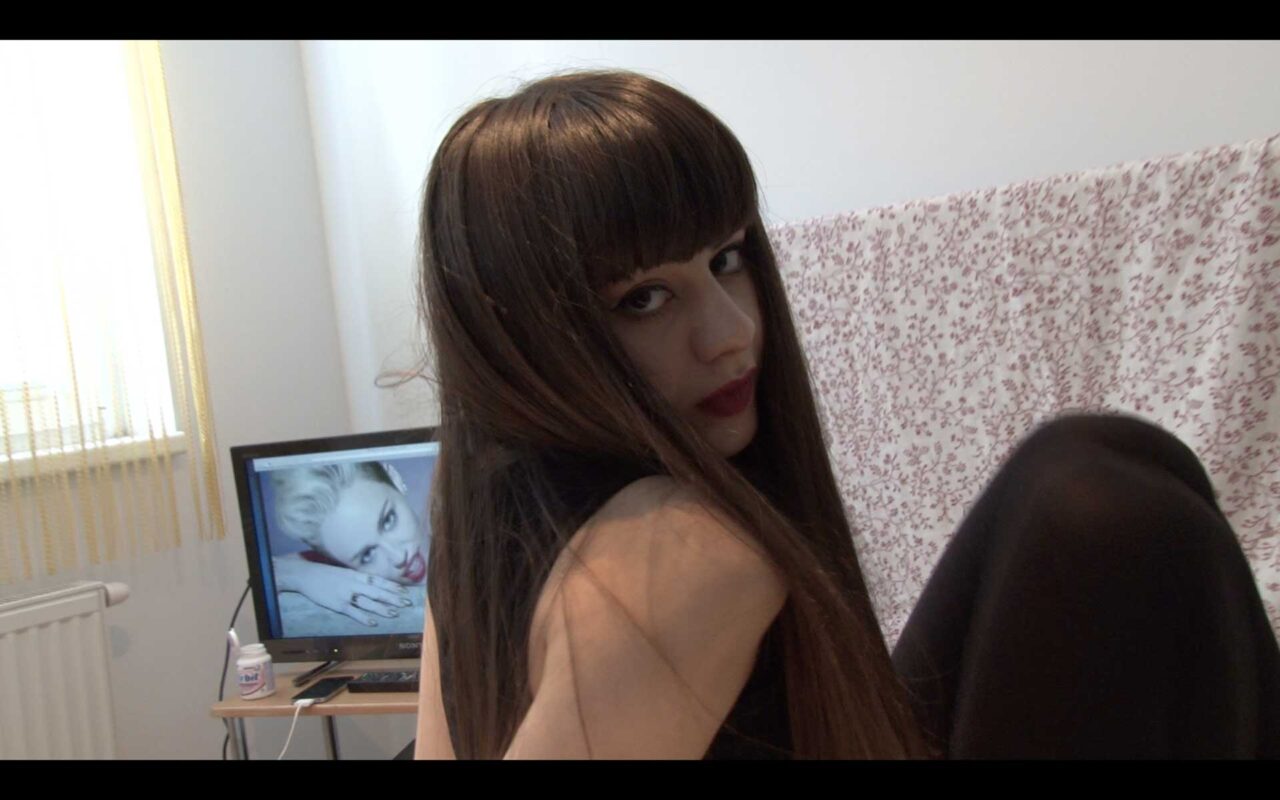
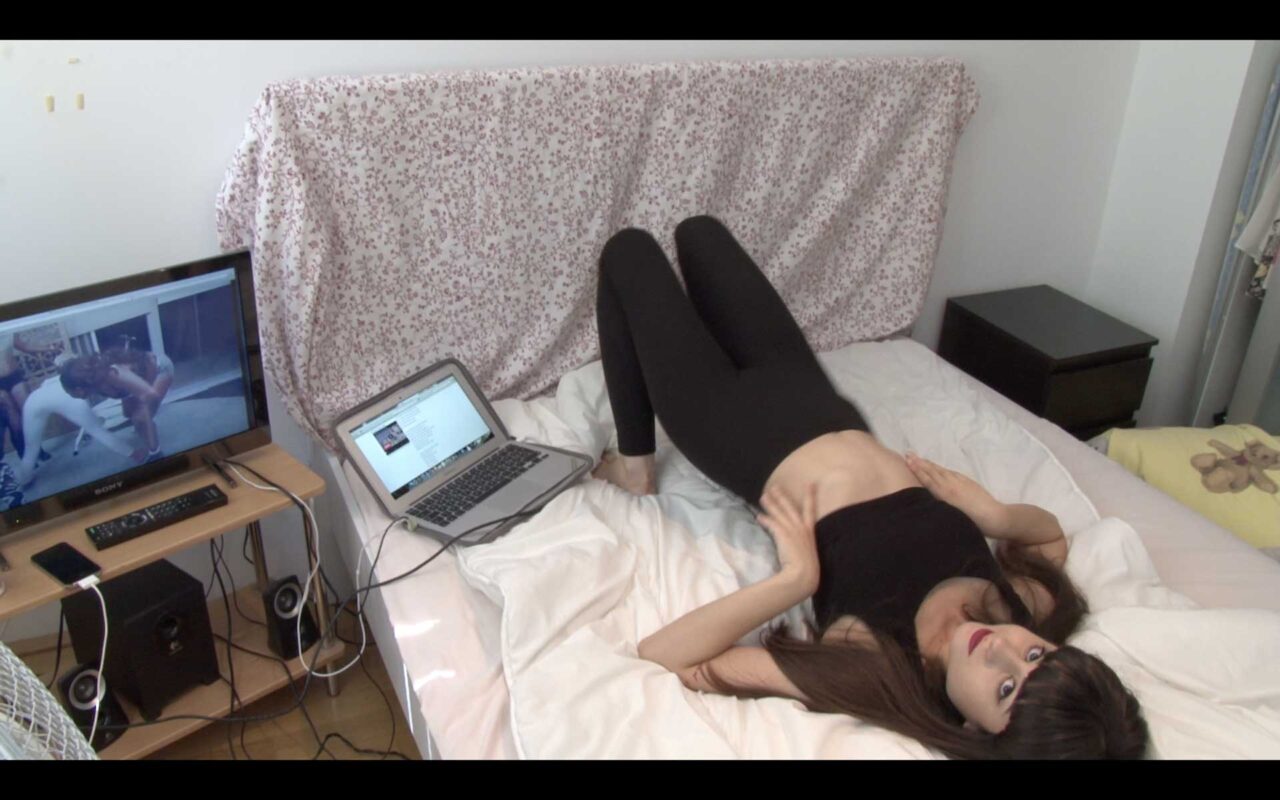
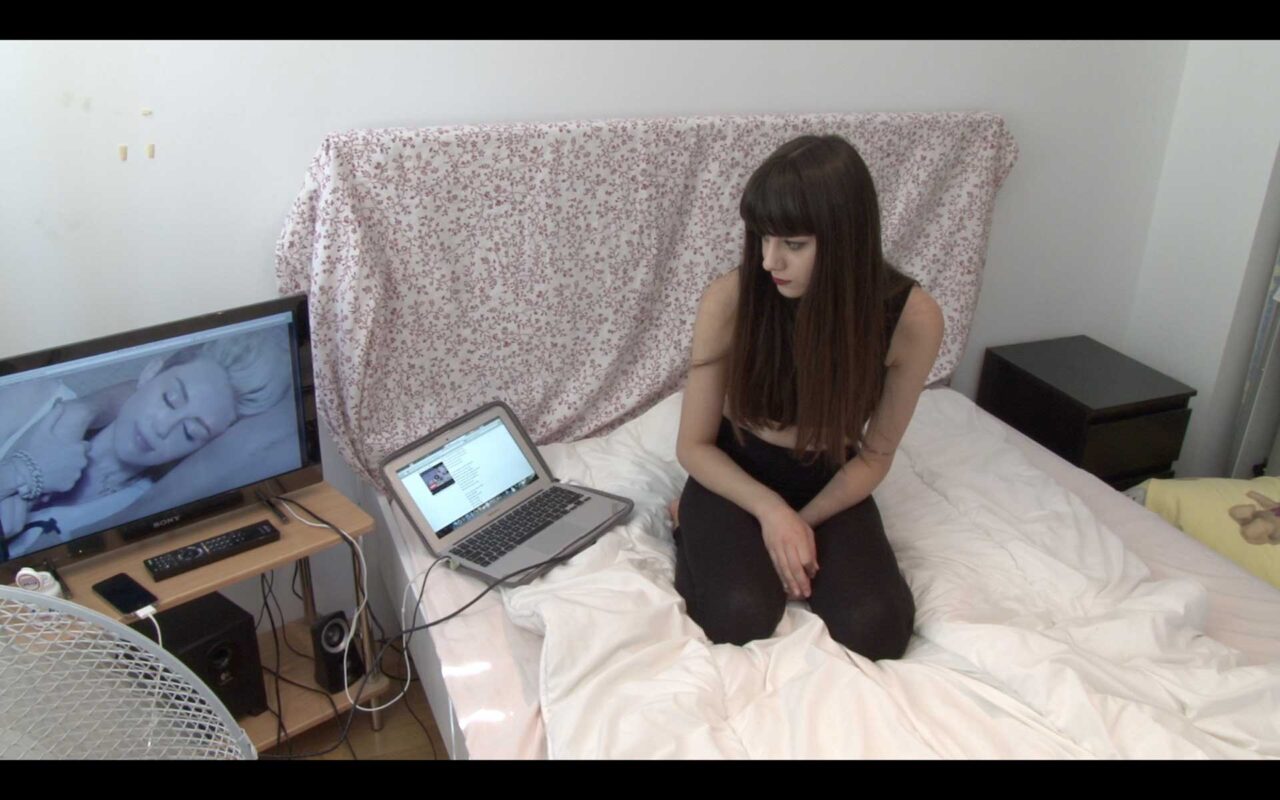
    The background story for sexy unfolds on a huge television. Miley Cyrus’s music video “We Can’t Stop” is playing, which the artist Kurdwin Ayub watches, copies, and ultimately interprets. In sexy, both women are engaged in the casual self-empowerment of their bodies. However, Kurdwin Ayub’s protagonist does not have the tools to become an international star. Where Miley Cyrus sells her appeal as a natural feeling of being alive, Kurdwin Ayub’s alter ego is tormented by doubts about the fervor of exhibiting herself.

    Distortion

    Lydia Nsiah

    Austria / 2016 / 5 min

    In everyday video file consumption, interference signals usually indicate corrupted data or overloaded computers; here, however, they guide Nsiah’s rhythmic montage and Billy Roisz’s finely modulated soundtrack (distilled from the visual material) back into the avant-garde laboratory. The play with excessive demands becomes a questioning of what is given (both technologically and perceptually) and a design of what is new.

    Powder Placenta

    Katrina Daschner

    Austria / 2015 / 9 min

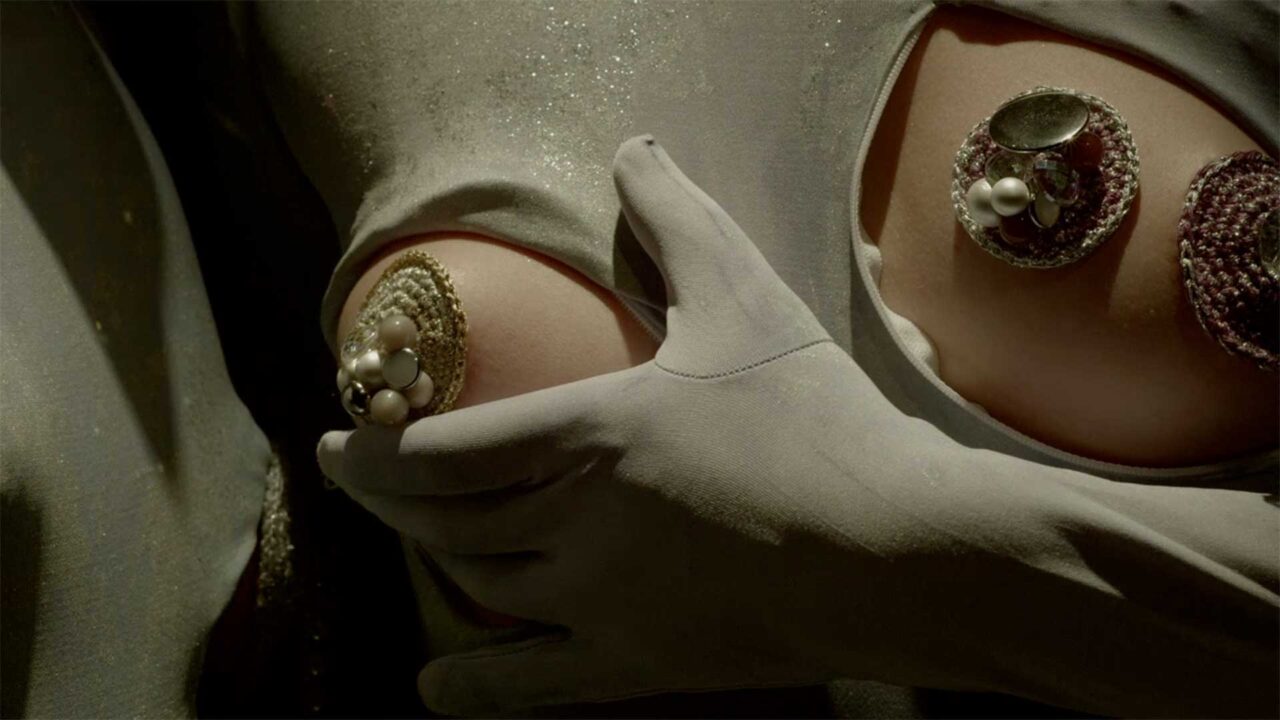
    Powder Placenta is a fairytale that narrates the interconnectedness of seemingly separate spaces, spheres and strata, and shows how they desire to be intertwined. Once again and at long last, everything becomes one, no matter how it is normally categorized: artificial or real, two- or three-dimensional, fantasy or reality. This is achieved through the montage, inspired by a vision of life that allows all things to merge together. Longing has come to an end, the celebration of life in all its glory has begun.

    Me, Myself and I

    Claudia Larcher

    Austria / 2022 / 5 min 30 sec

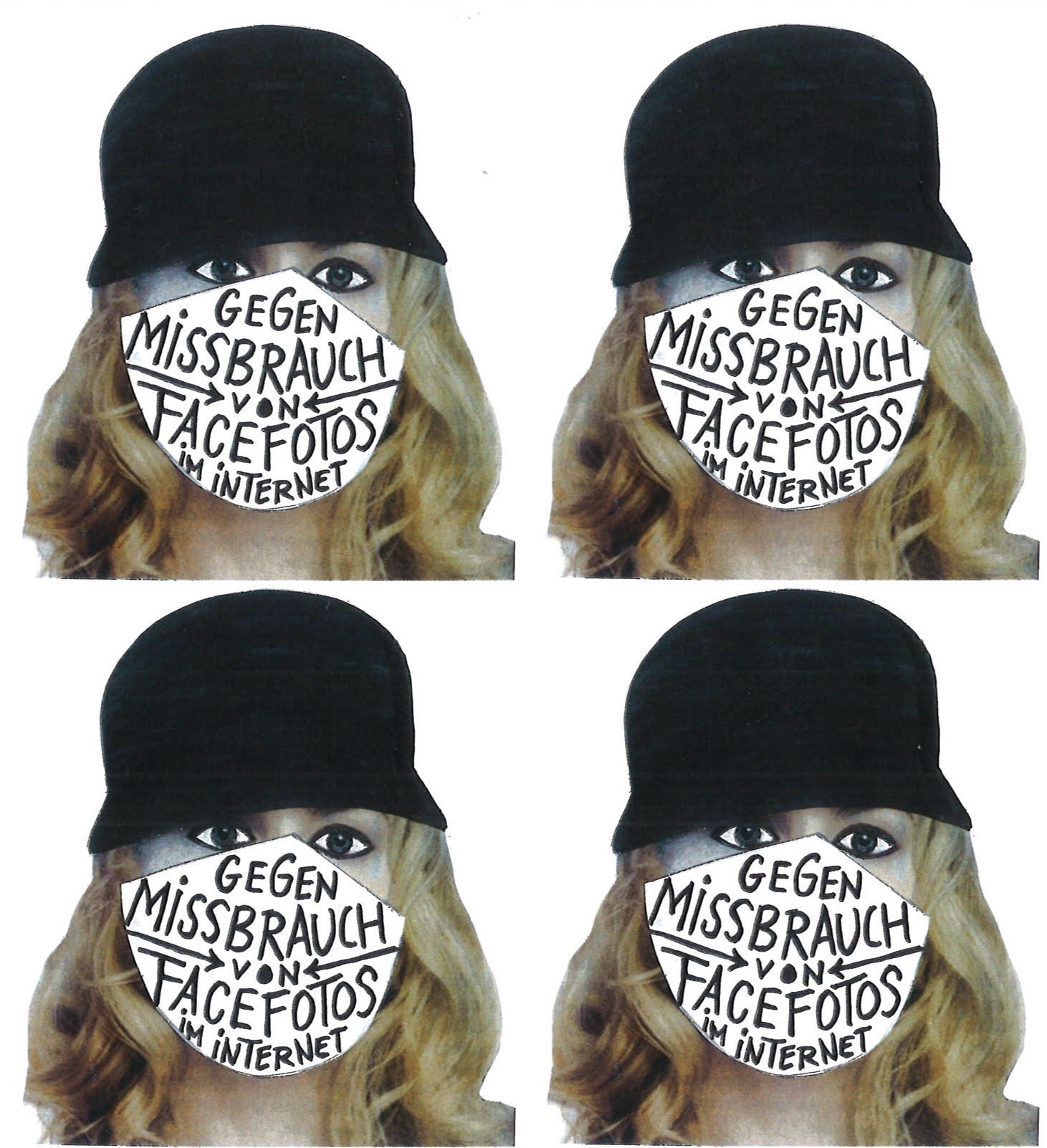
    The triplet in the title basically give it away already: identity in the digital age, especially in the face of image production and reproduction processes, is subject to incessant multiplication. Or to put it another way: the ego, what one could also call the “digital subject”, is now subject to a technologically fuelled tendency to splinter, while also being shrouded in a nebulous illusion of unity. Larcher has processed dialogues that she has conducted with various chatbots on the subject of identity and turned them into a script that interconnects fragments of ego perception in a multidirectional manner.

    Happy Doom

    Billy Roisz

    Austria / 2023 / 3 min 30 sec

    Happy Doom is an audiovisual poem, an ode to color intoxication and vertigo. The screen a vibrating membrane that simultaneously spits and swallows colors and noisy beats – a hypnotic deformed circumpolar psychedelic short trip. The deep sine wave that initially sounds almost like a four-to-the-floor kick drum, increasingly unravels, frays, and is gradually replaced by various hits, stabs and structures of white noise.

    Art Education

    Maria Lassnig

    Austria, USA / 1976 / 8 min

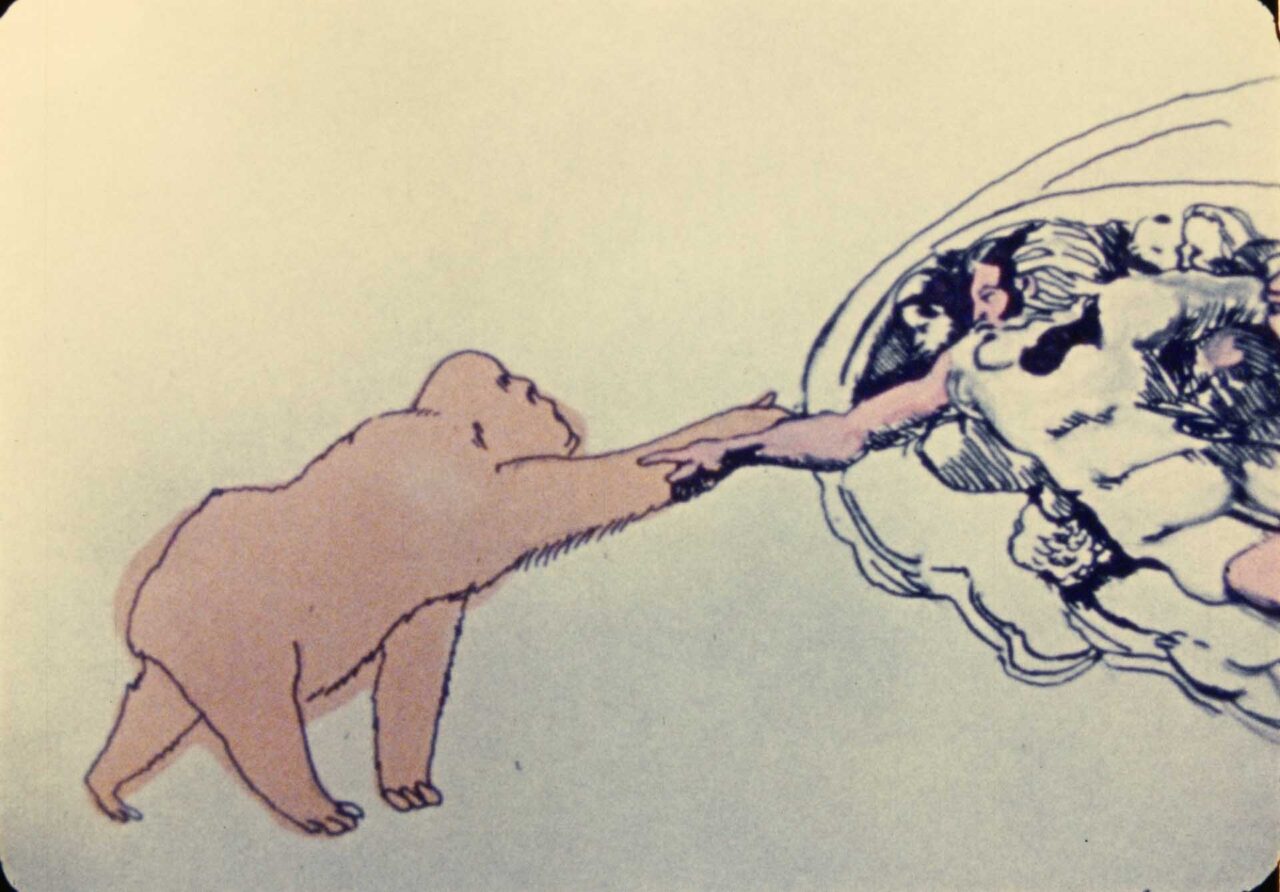
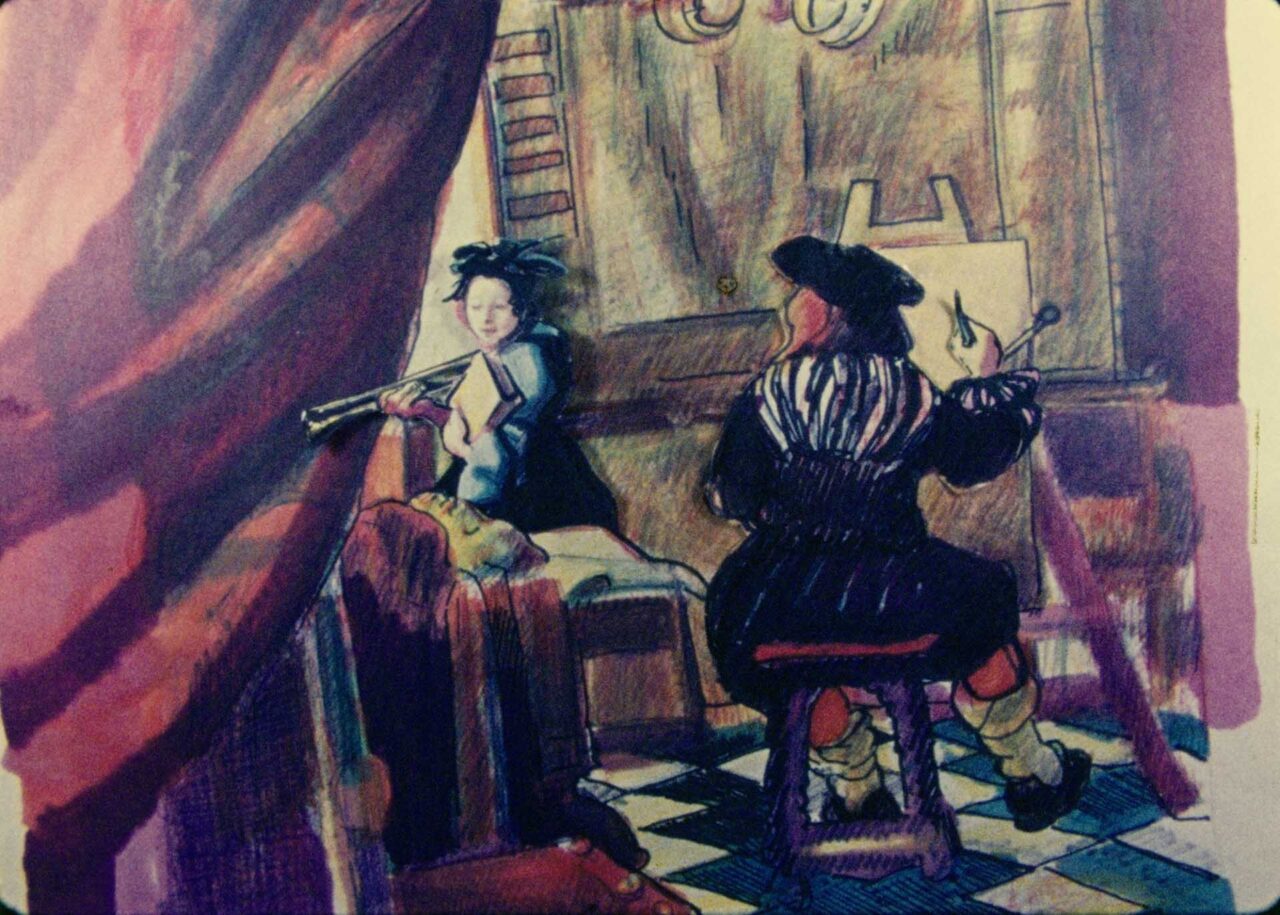
    Humorous, feminist interpretations of paintings by Vermeer, Michelangelo, and others. John the Baptist appears as a real talking head in the bowl carried by Judith: “Oh, why did I resist her?”. The director demystifies the cult of masculinity in famous works of art, while also revealing less canonical interpretations of well-known masterpieces.

    Klitclique: In Pairs

    Klitclique

    Austria / 2020 / 2 min

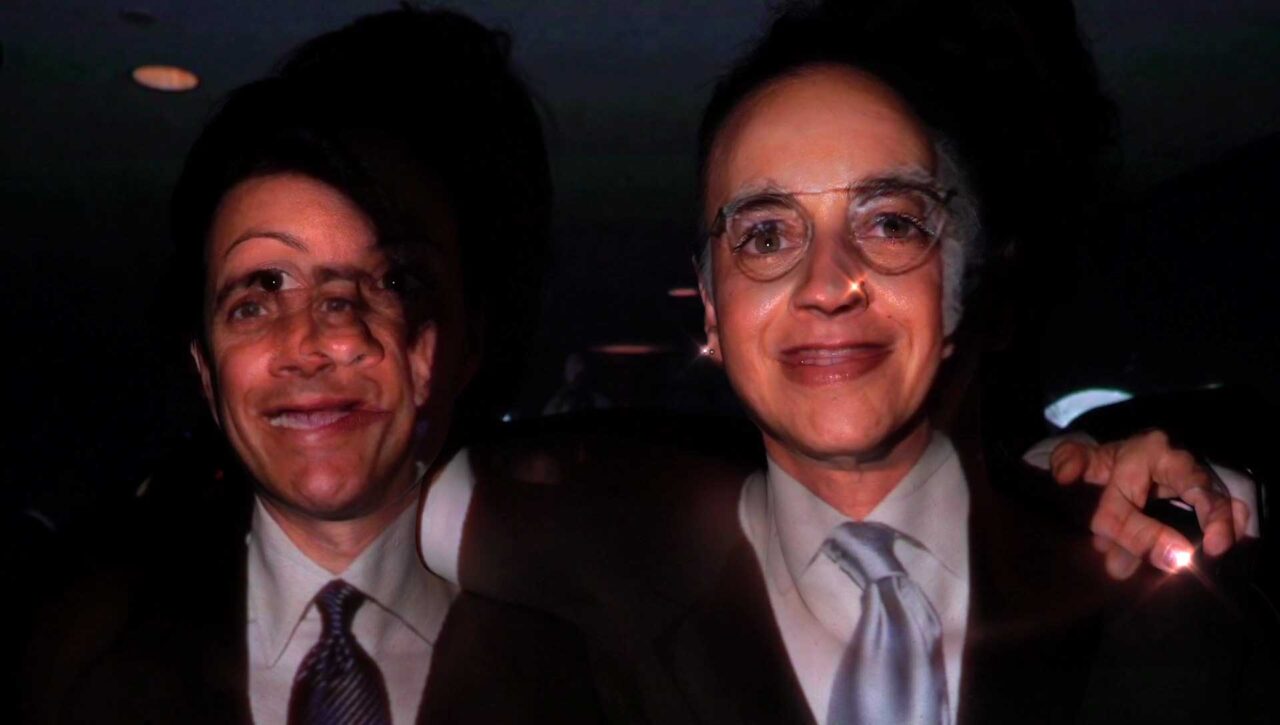
    Goethe and Schiller, Marx and Engels, Batman and Robin, or the TV detective and his dog Rex – the list of iconic male duos is endless. But women in pairs? Anna Spanlang’s music video for Klitclique stages male bromances such as Vladimir Putin and Xi Jinping, Jerry Seinfeld and Larry David, or Chip and Dale, while G-udit and $chwanger rap in their melancholic-ironic style about being the last female rap duo. After all, the golden rule of success for women is this: make a name for yourself as a duo or collective, but then achieve real success solo as an “exceptional woman”.

  • Punk

    Punk

    Punk

    63 min

    Short films set by now-iconic feminist artists, as well as younger generations.

    Their contributions range from anarchic performances, documentary sketches and queer gems to animations or found footage films. You’ll find complex explorations of repressed political history and structural social exclusion, cinematic reflections on architecture and pointed portraits, as well as elaborate artistic challenges to new technologies, including AI, and more comic relief. 

    19.09.2025
    18:00
    Kinoteka

    Rouge et Noir

    Linda Christanell

    Austria / 1993 / 10 min

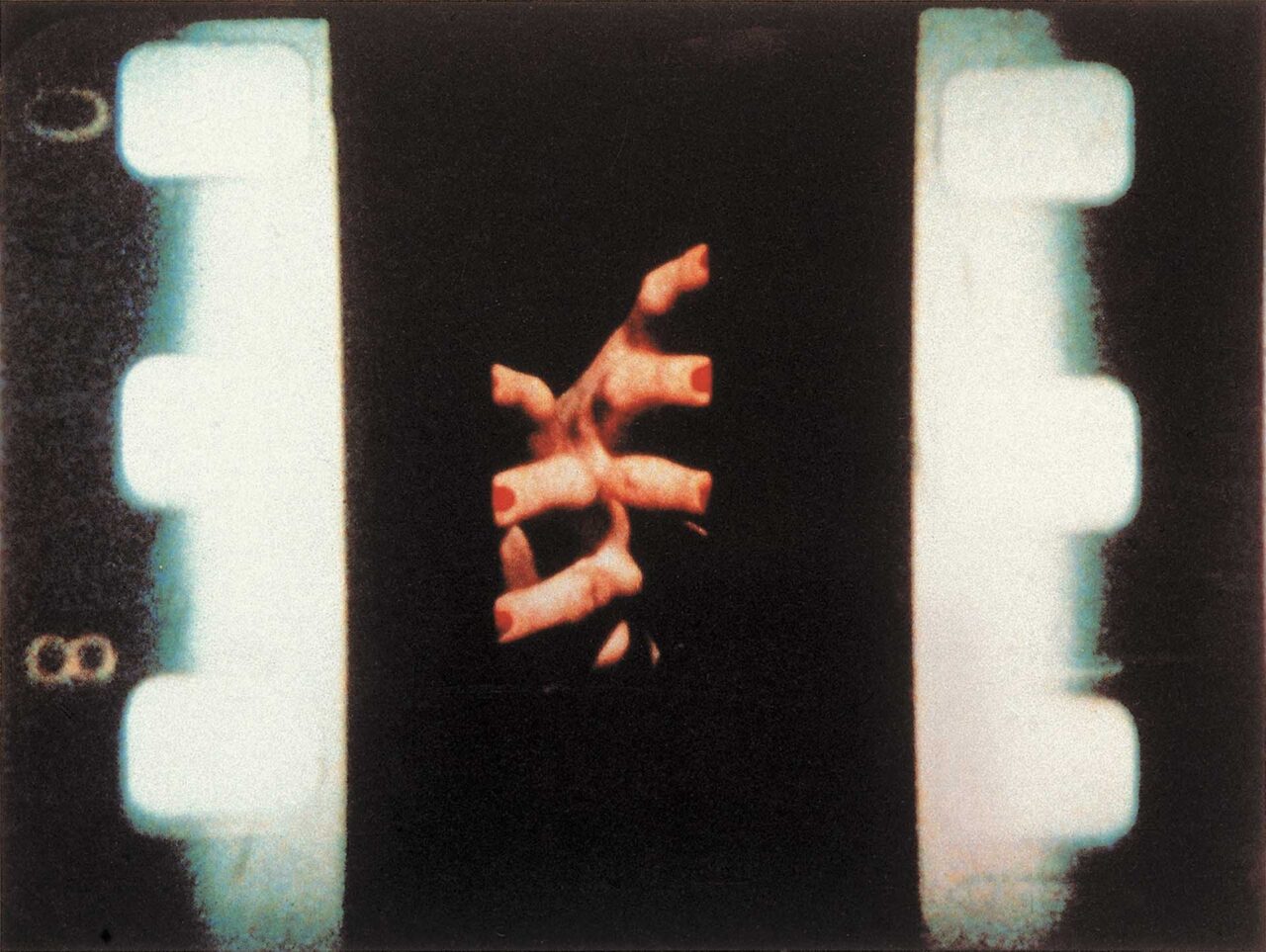
    The scene of events is a table in a room. The table is set; a celebration has taken place. A woman is in the scene. A wild drama full of lust, seduction, irony and violence comes to its end.

    Ball-Head

    Mara Mattuschka

    Austria / 1985 / 6 min

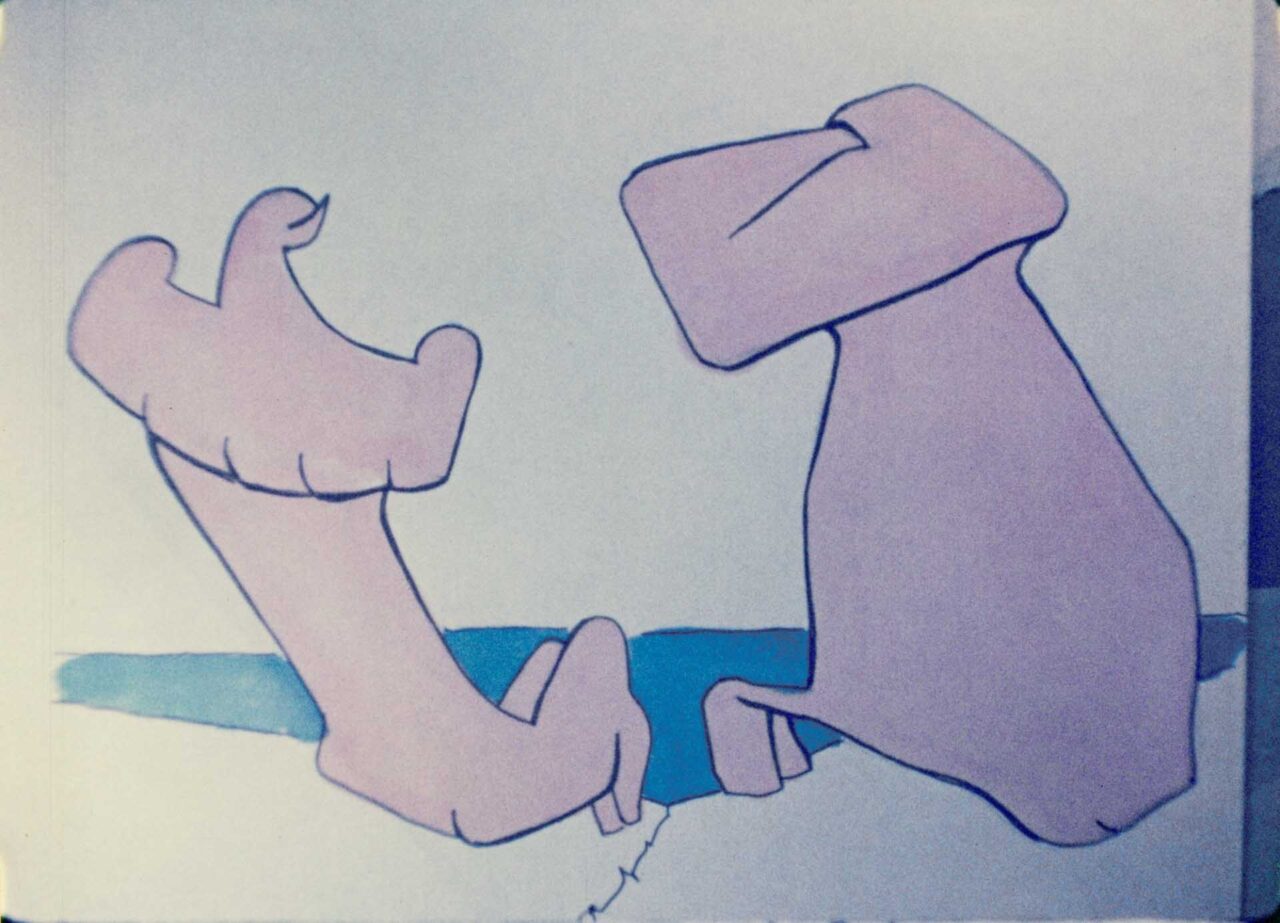
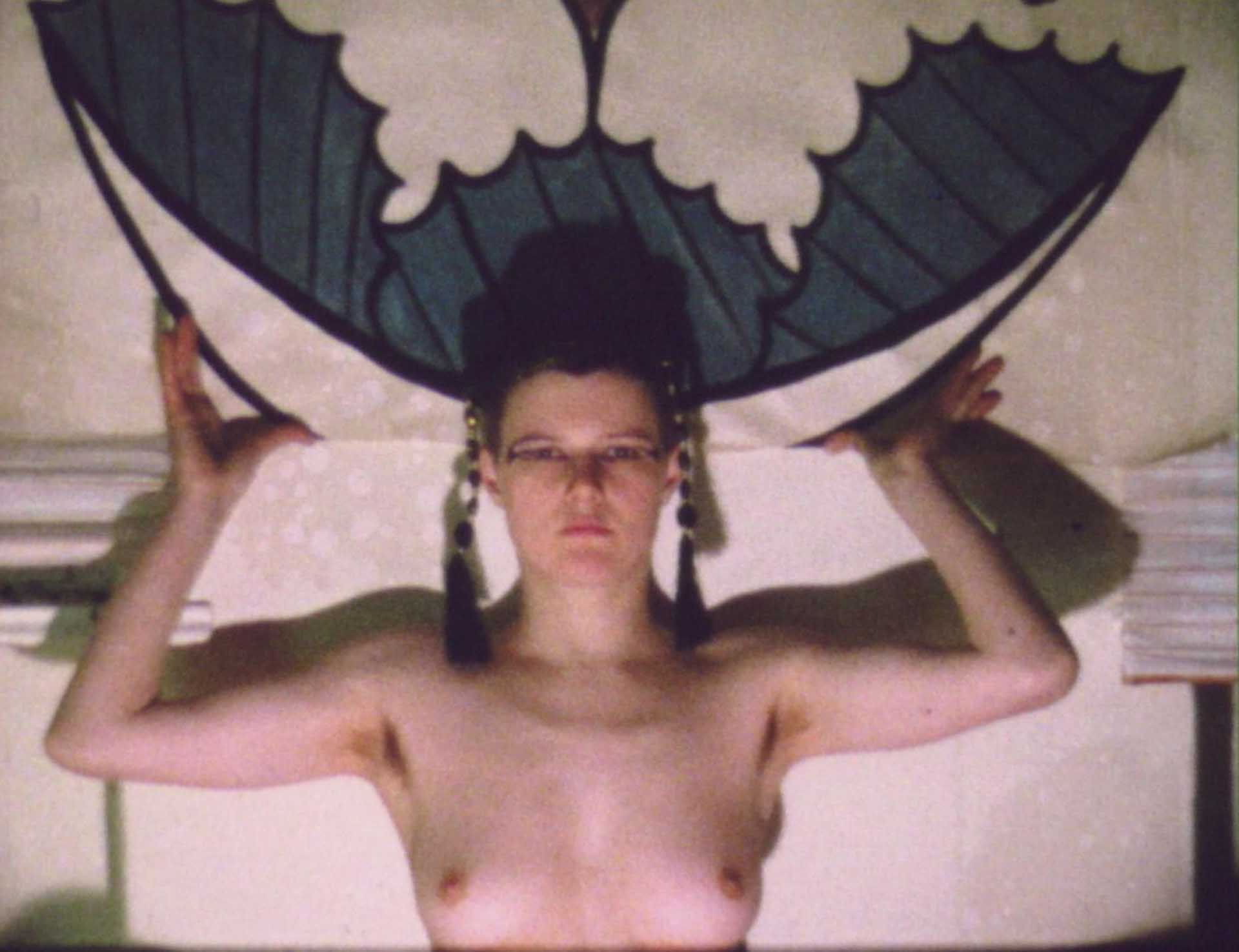
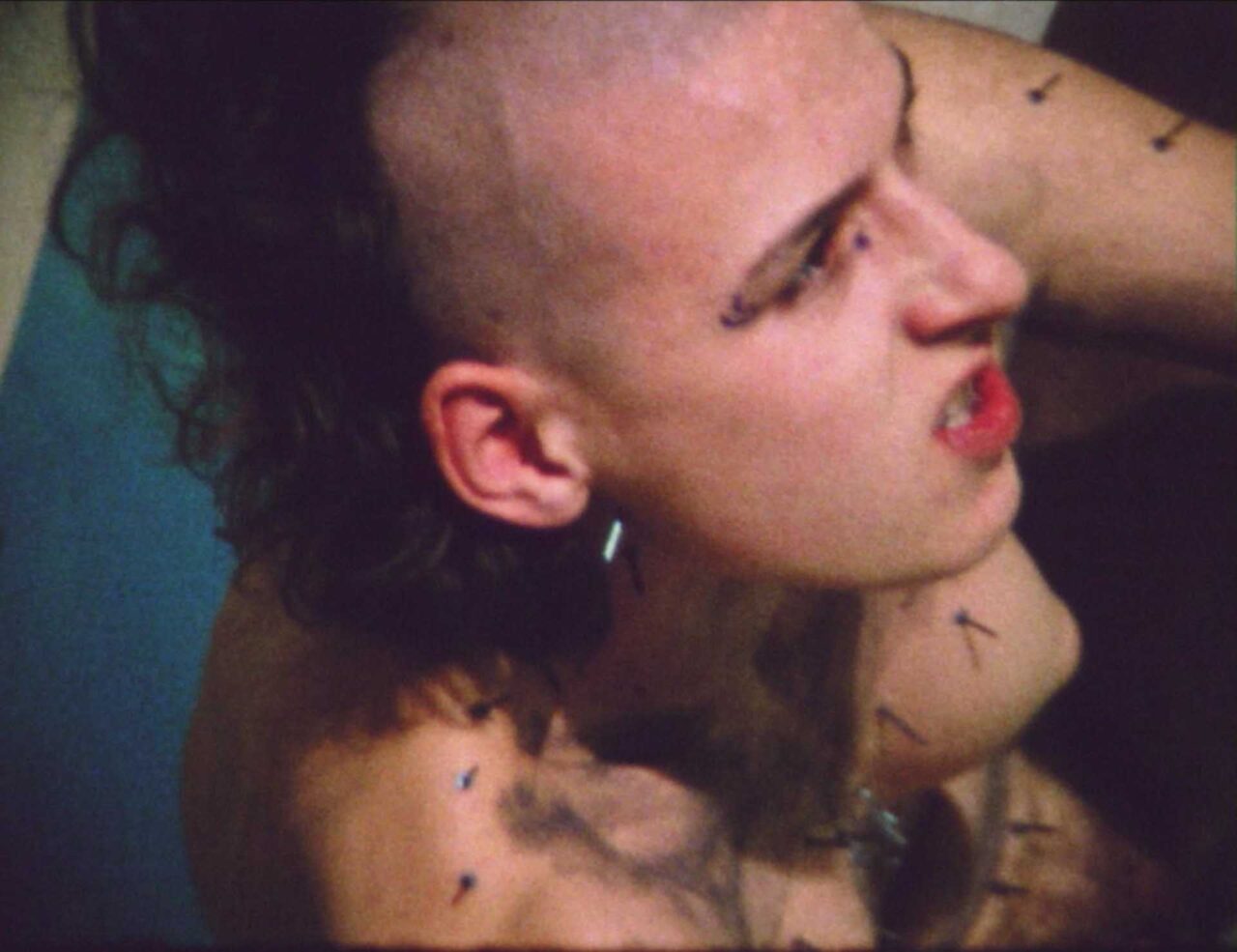
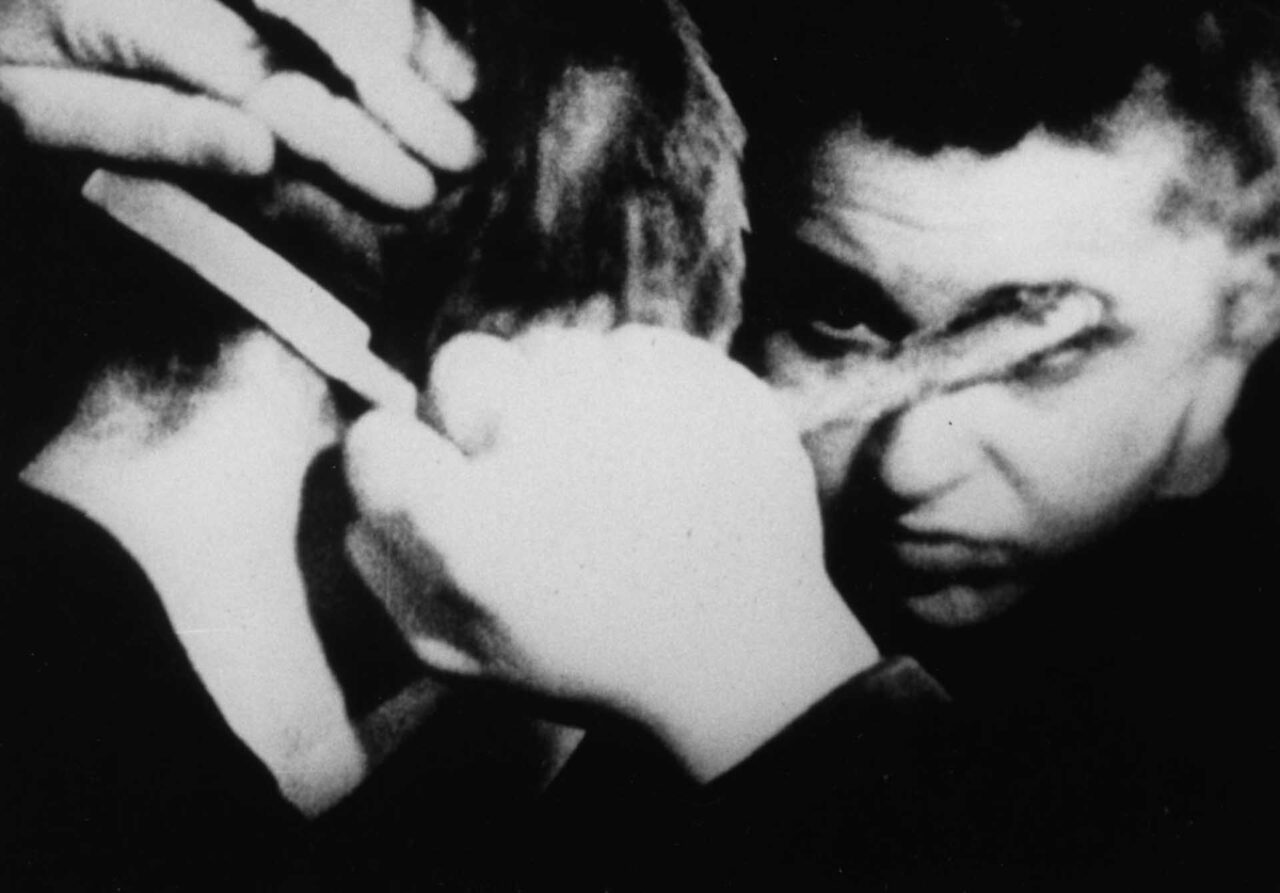
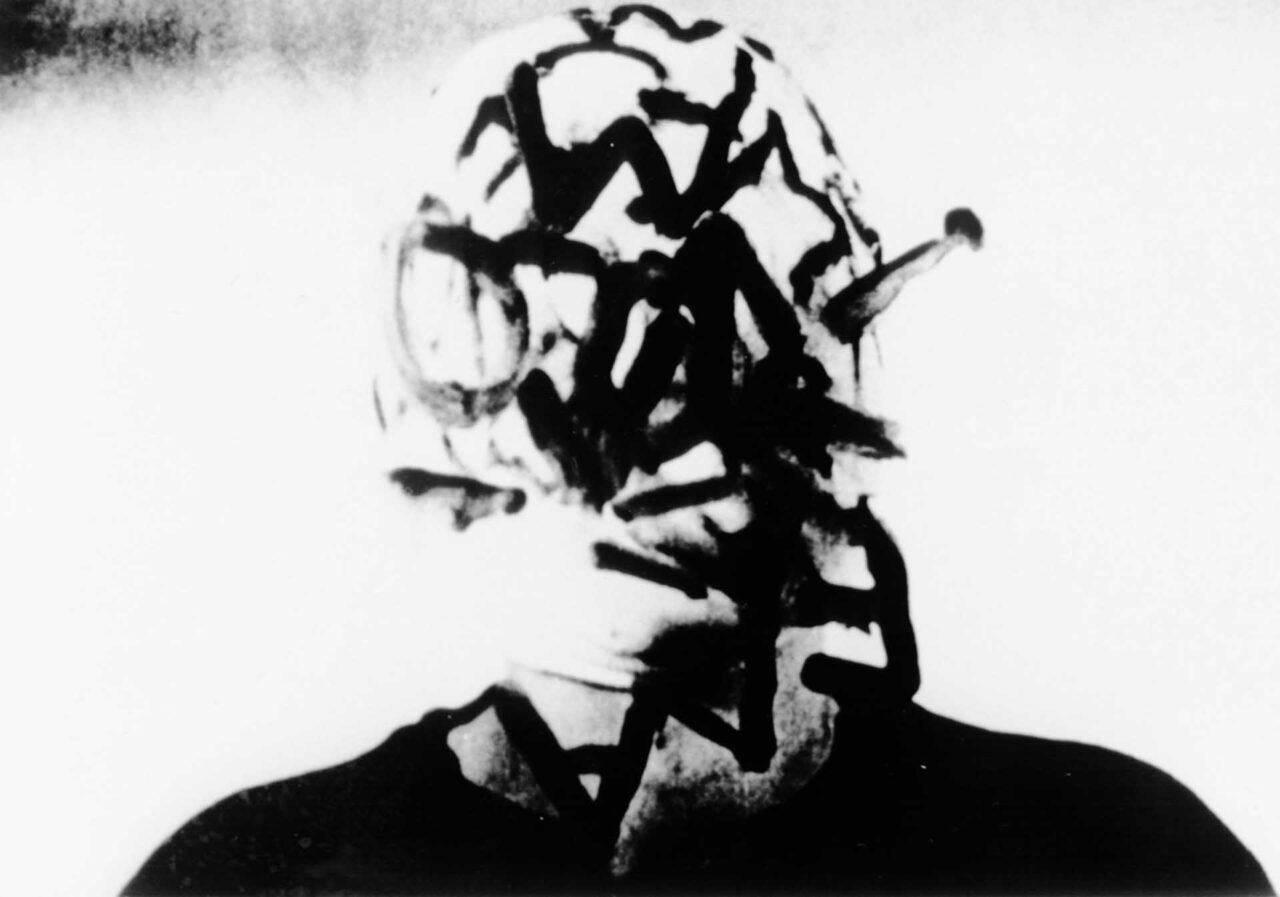
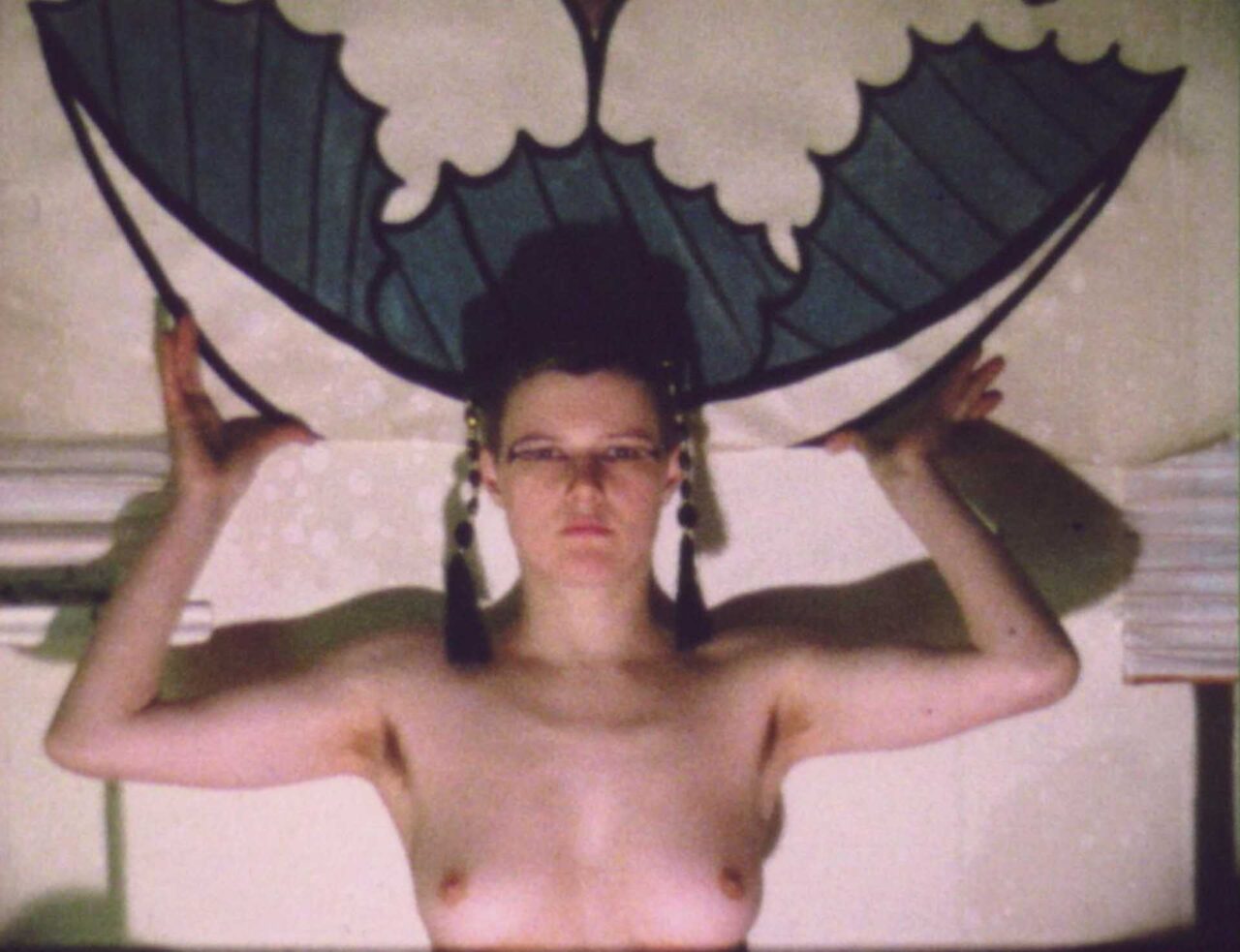
    Hands vigorously pull scraps of paper from an old-fashioned printing press, while their owner remains invisible. The shrouded head, wrapped in muslin, reappears, and black paint is smeared across its surface. The body itself is transformed into a machine, the head into a matrix. The shaving of the head becomes a spectacular event.

    The Birth of Venus

    Moucle Blackout

    Austria / 1970-72 / 5 min

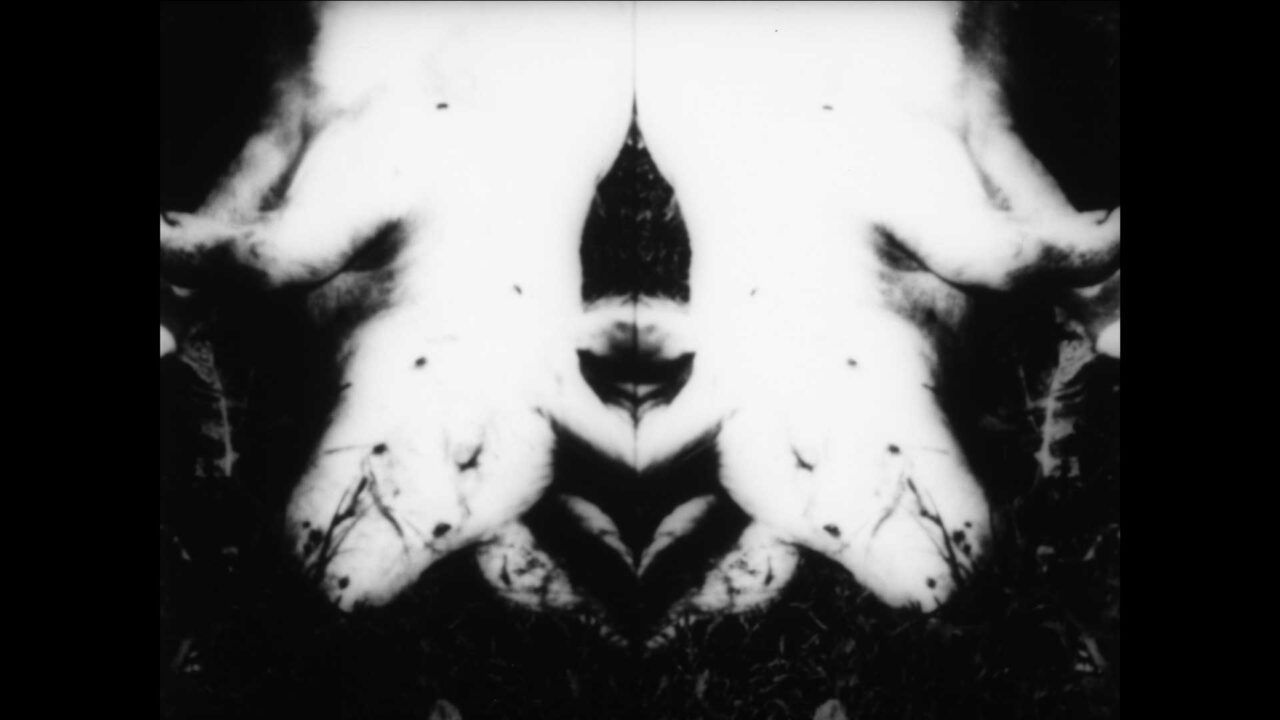
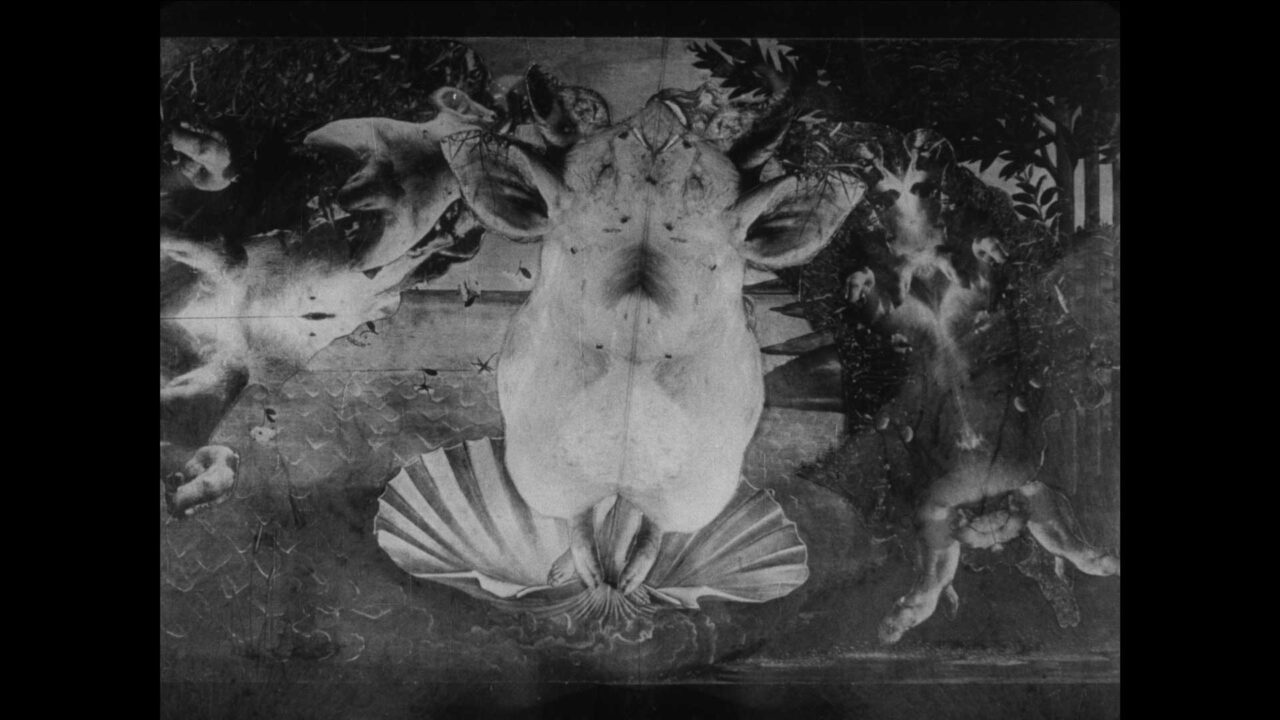
    The basic material consisted of about 30 photographs depicting some close friends and a dead pig the artist had found on the road. The introductory scene shows Botticelli’s Birth of Venus, with the figures on both sides fading into one another, followed by Venus herself in a symmetrical montage with the pig. Three Beatles songs underscore the performance through their lyrics. The pig is used as a symbol and a metaphor carrying multiple associations.

    I Deeply Regret

    Karø Goldt

    Germany, Austria / 2008 / 2 min

    The video i deeply regret is about a failed chance of revenge and satisfaction. It shows the attempt to liberate oneself from the victim´s role by a fantasy of self-empowerment. In other words: after a long, long time someone fights back, while humming the theme song from Rocky.

    Finale

    Sabine Marte

    Austria / 2007 / 4 min

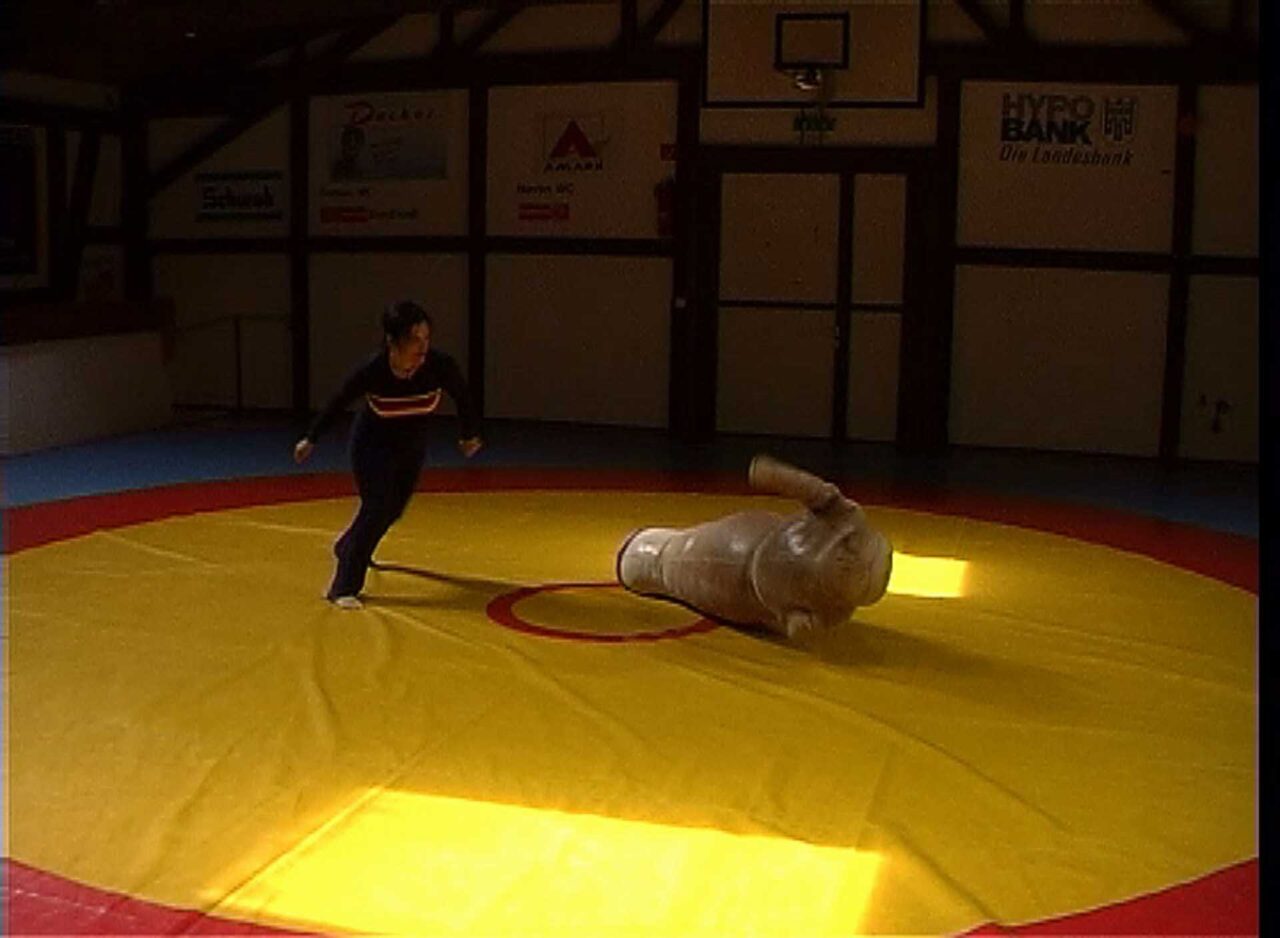
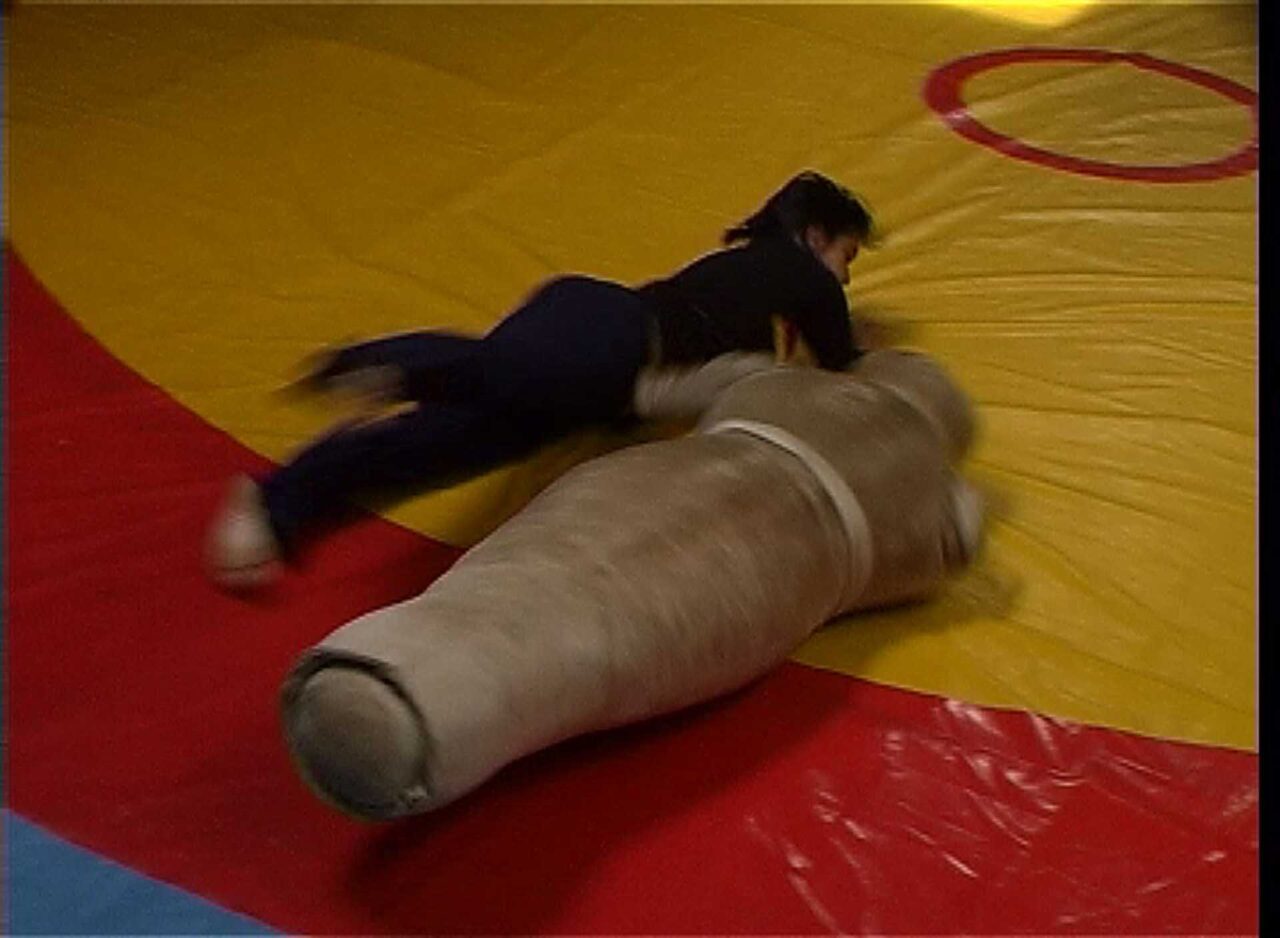
    In a wrestling ring, a woman (Sabine Marte) confronts a sand-filled punching bag (Bill). There is something awkward and unsettling about this small “battle video.” The movements seem strangely illogical and discomforting, as if reversed. A reversed fight is not a fight. Instead, equally unsettling, a physical relationship develops between the woman and the slowly moving, greasy-skinned dummy, which gains a sexualized intensity.

    Streamlet Sneaking in Shamelessly Thighwetting

    Ashley Hans Schiern & Ursula Pürrer

    Austria / 1985 / 4 min

    Zigzag streamlet sneaking in shame-

    lessly twighwetting.

    (…) knees are glowing –

    icy fingers are melting now –

    (…) mirror-pictures are trembling.

    Ruby Skin

    Eve Heller

    USA / 2005 / 4 min 30 sec

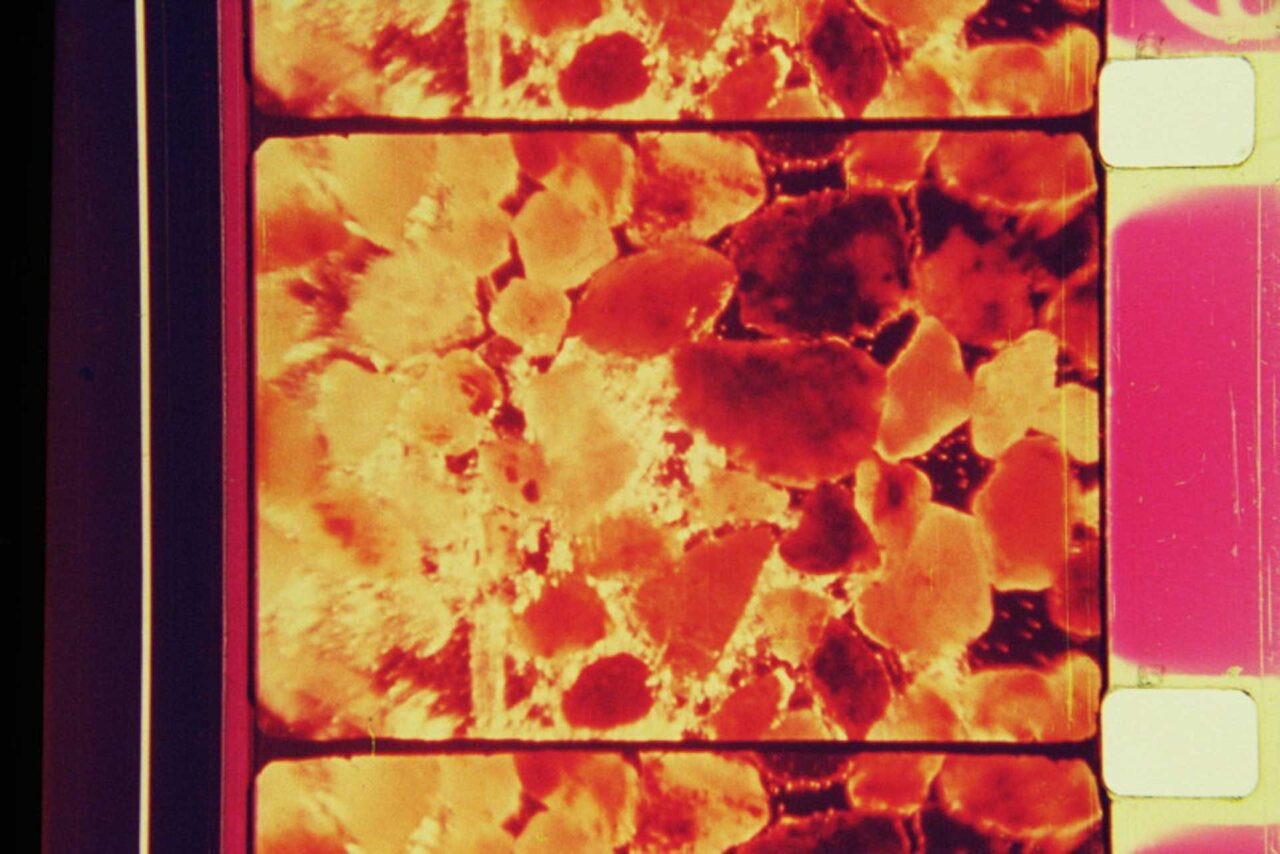
    In Ruby Skin (so named for the complexion of the film emulsion found fading into red), mysterious clatter creates a fractured concrete poetry that sticks to us like cling wrap. Is this a language-poetry slasher film? Or the keys to the kingdom? Alarming and sensuous, quizzical yet ultimately intelligible in every sense of the word.

    Mensch Maschine Or Putting Parts Together

    Adina Camhy

    Austria / 2019 / 8 min

    The starting point is a true story: instead of the synthesizer she dreams of, the narrator receives a food processor as a gift. Confused, she sets out to find the possible reasons for this. What identities and gender constructions are inscribed in these devices? What are the relationships between people and machines, bodies and devices, the domestic sphere and the artistic field? It is a feminist essayistic film in the form of an audiovisual remix: an experimental collage of sound and image, sketch-like and associative.

    Syntagma

    Valie Export

    Austria / 1984 / 20 min

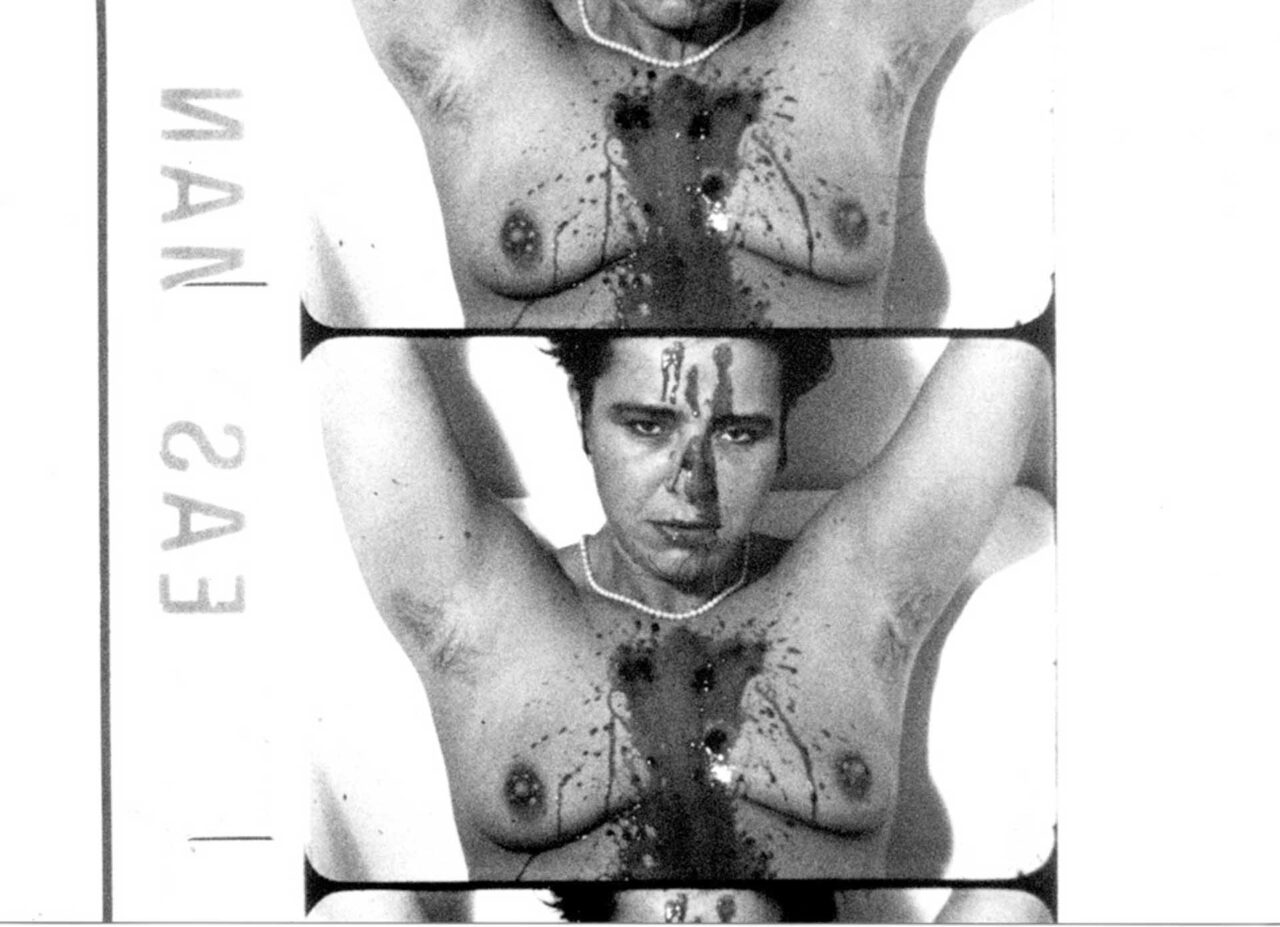
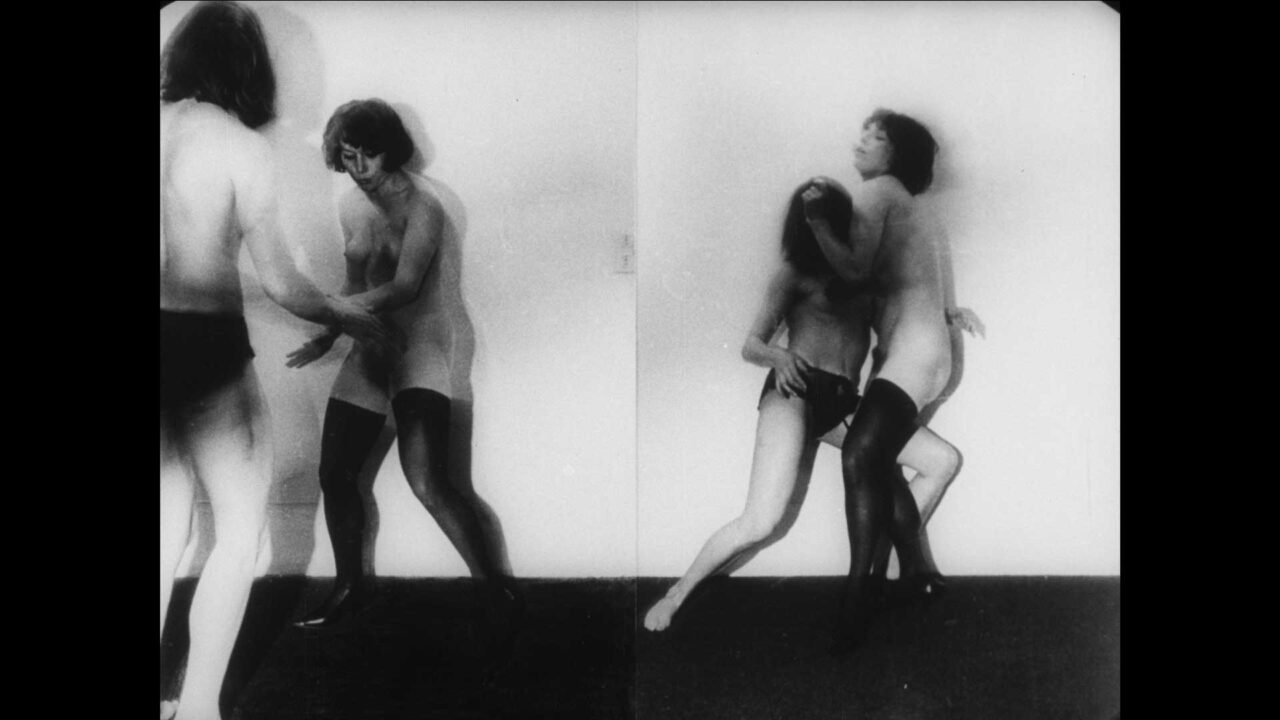
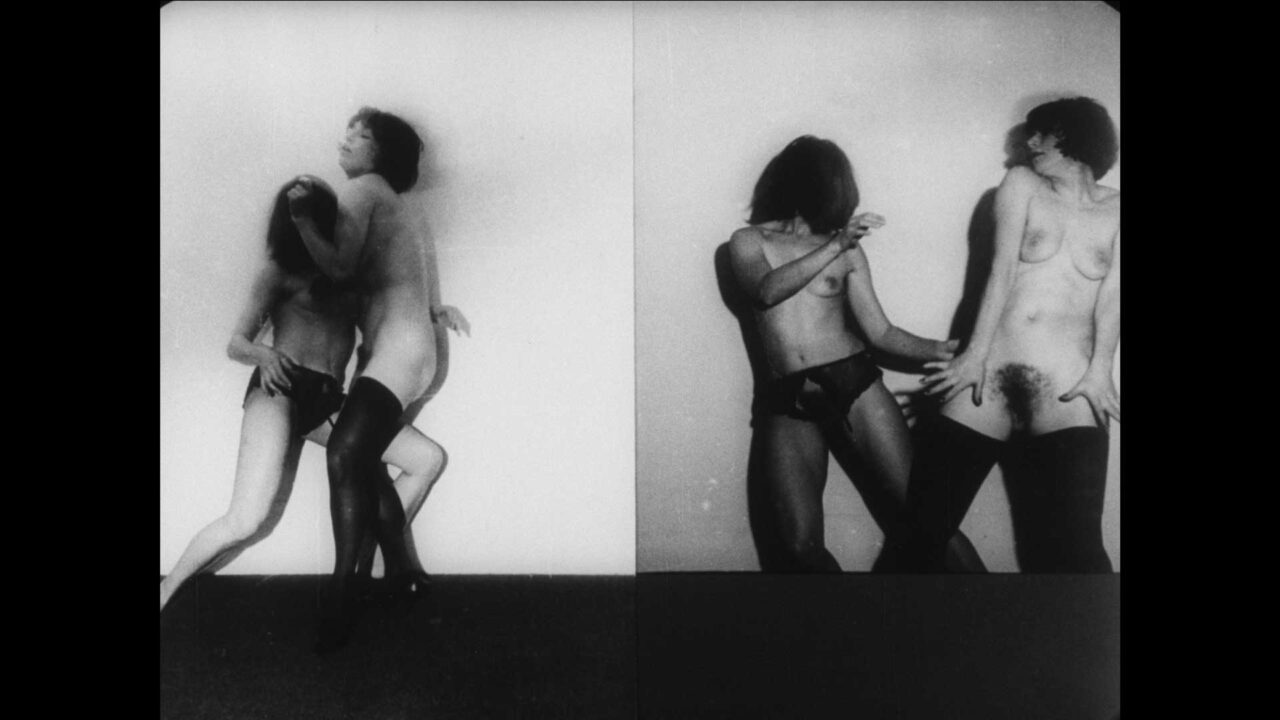
    The striking insistence in Syntagma on depicting the fragmented body of the woman, mostly mute, has a twofold and seemingly contradictory effect. Fragmentation initially appears as the repetition of trauma, until finally its frenetic pace transforms into a deliberate composition composed of arms, legs, shoulders, breasts, and faces. A depersonalized review of the “commodity’s” quality emerges. Objectifying women, however, does not mean that they become objects.

  • Canale Grande

    Canale Grande

    Canale Grande

    reż. Friederike Pezold (Pezoldo)
    Austria, Niemcy / 1983 / 88 min / premiera polska

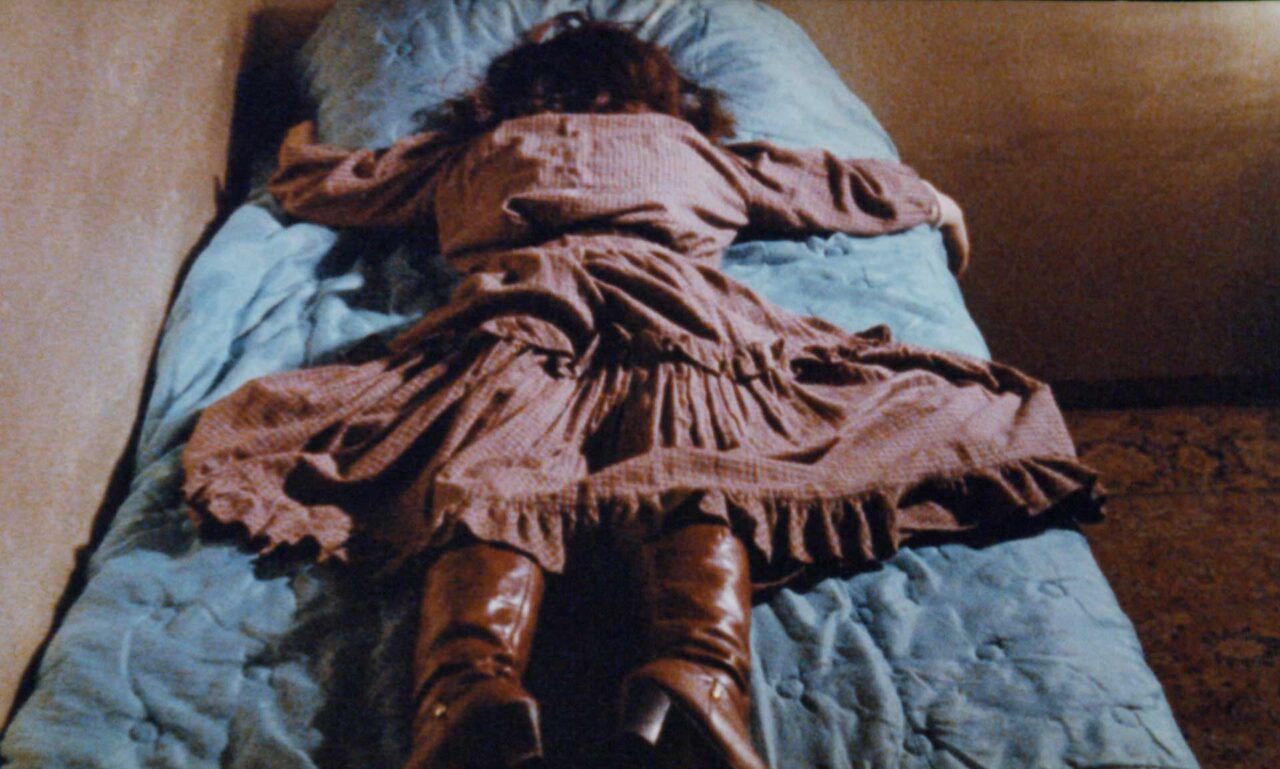
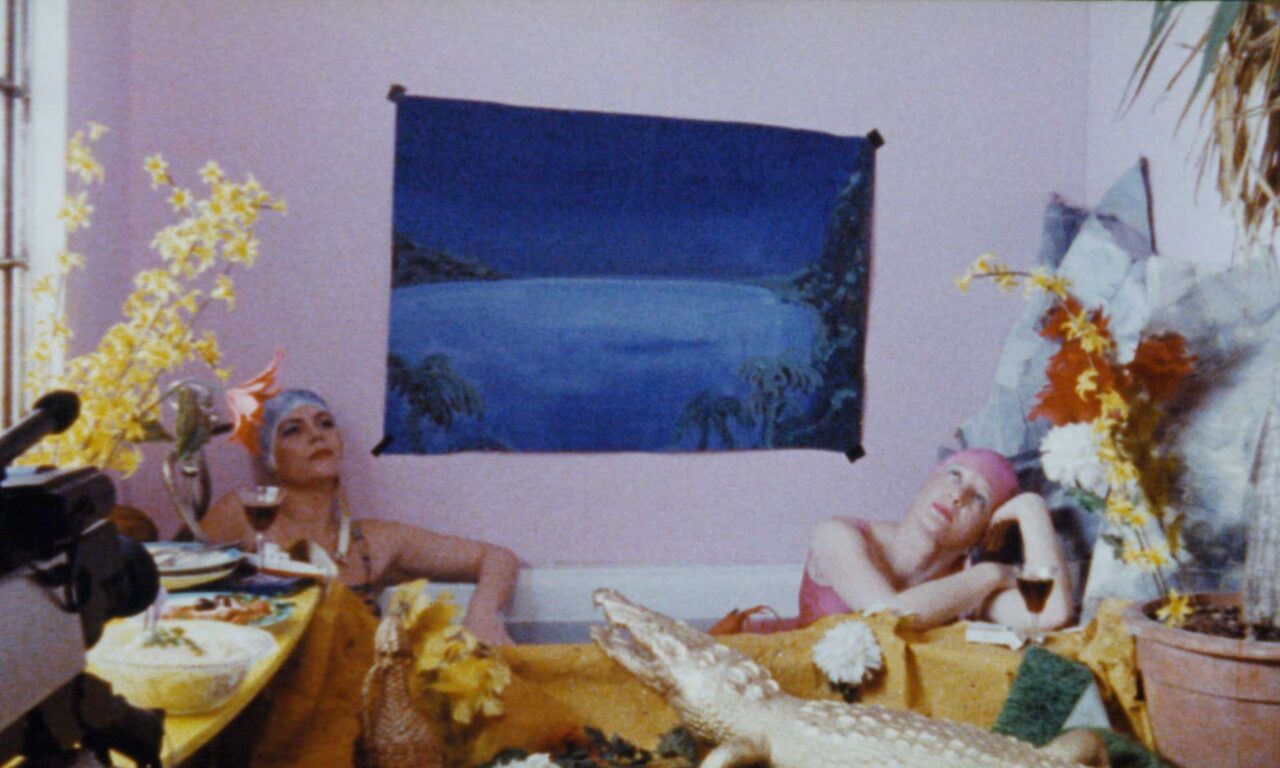
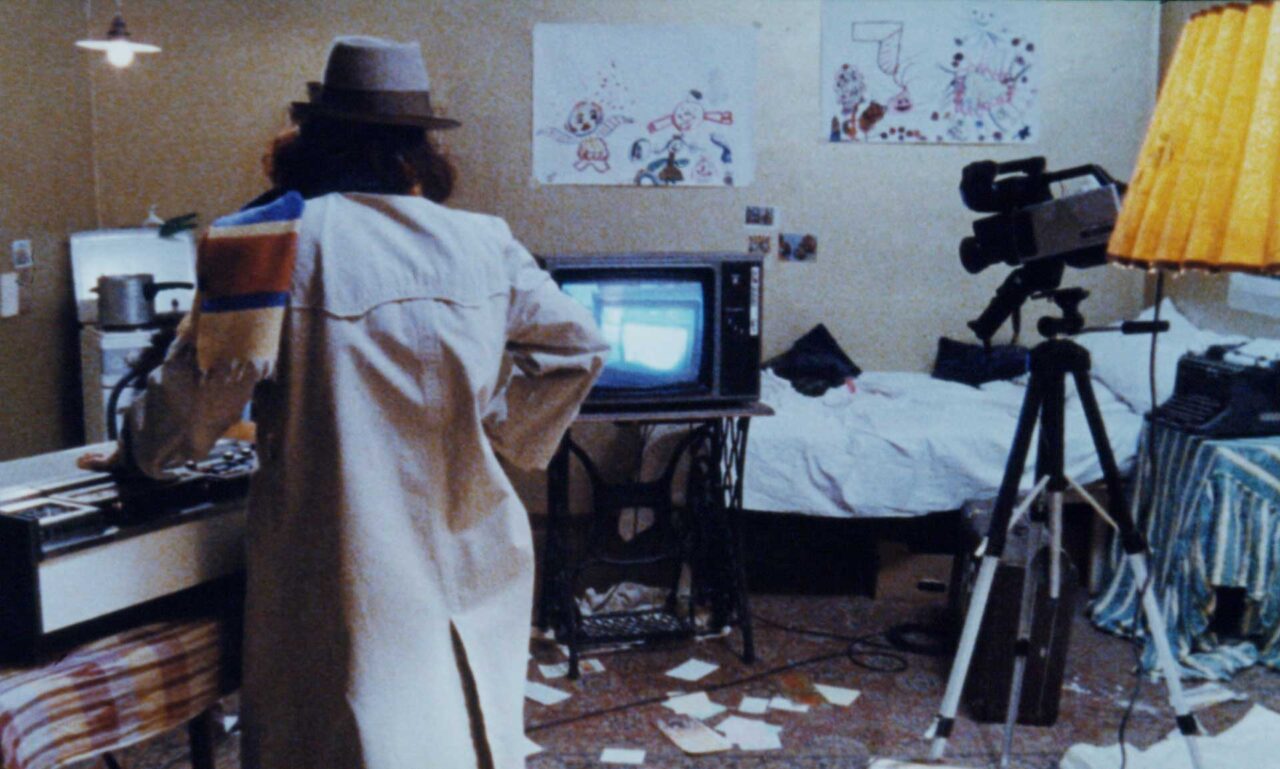
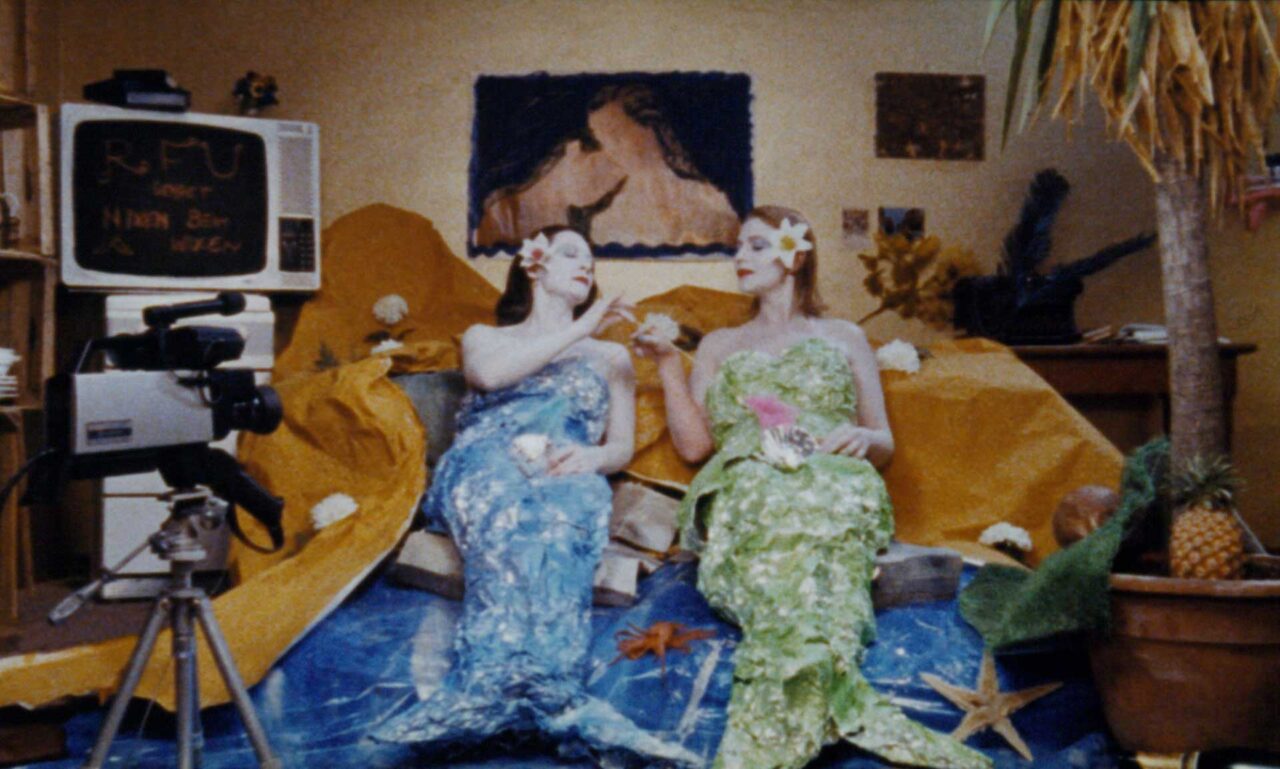
    One of the hidden masterpieces of Austrian cinema, a perfect example of subversive cinematography.

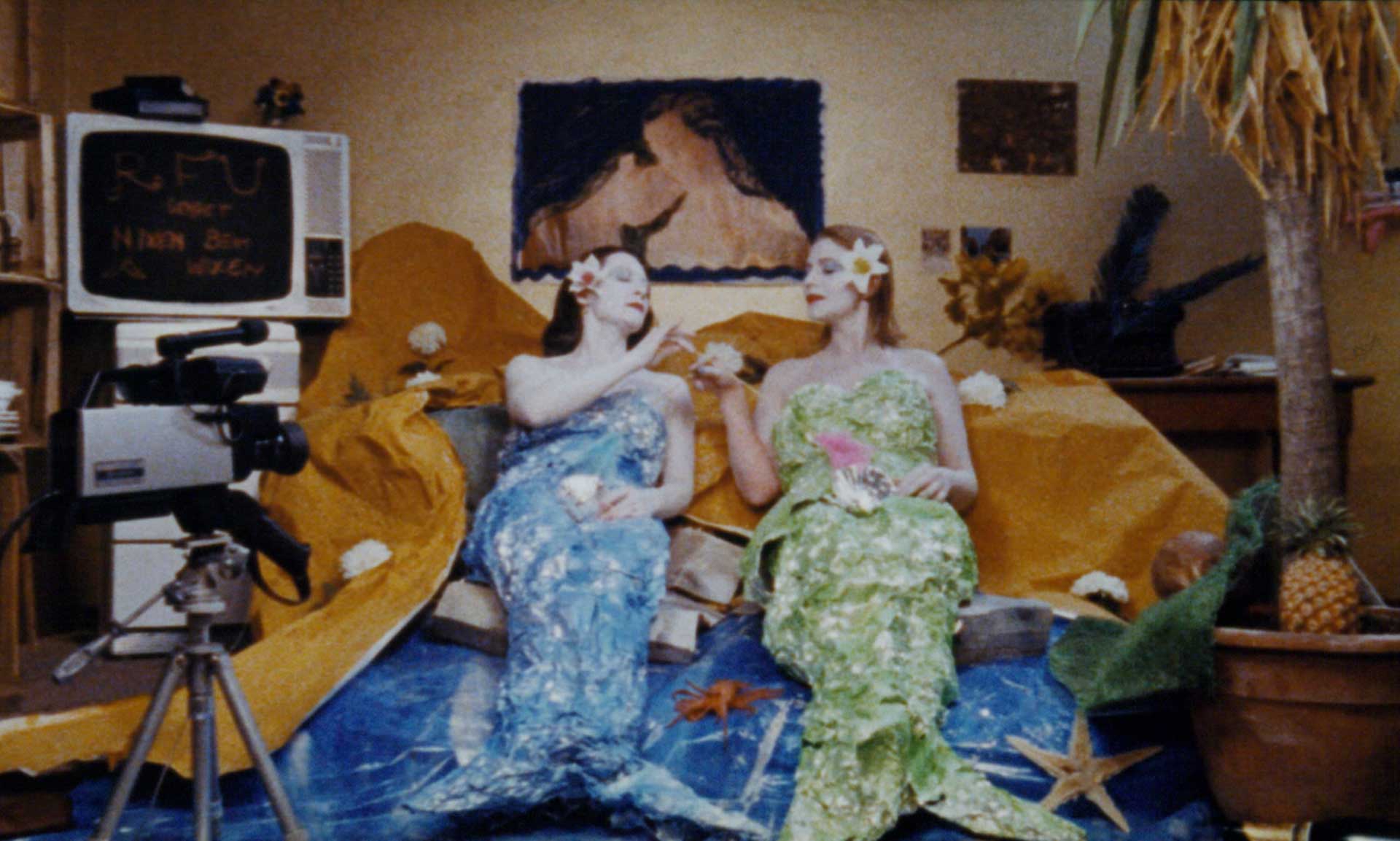
    In this low-budget effort, the protagonist (played by the director herself) has had enough of conventional television and invents her own, highly personal form of close-up viewing. Pezold’s signature style is thoroughly contemporary and fresh. The atmospheric cityscapes have a moving, time-capsule quality.

    21.09.2025
    18:00
    Kinoteka

    Friederike Pezold (Pezoldo)

    Since 1969! ClimateArtPieces shown in various museums. 1970 after her occupation with drawing and designs for a new “sensual” architecture, she starts working with video and photography. 1971 she created her first video graphics. In photo series and video films she recreated the body parts and their movement: “New bodily sign language”. 1972: GenderArt with “the flexible Sex”. And since 1974 founding of “Tai Chi for the Eyes” + “Slower, less, emptier on the screen”. 1977 she also founded “Radio free Utopia” which mainly consisted of a recording device and a monitor on her own body to carry the revolt program freely and independently through the city against the quota. 1996 foundation of “the 1st Viennese Museum for Videoart and Bodyart”. 2002-2020 “1st, digital & real revolt-people for the deceleration, emptying, de-noising of the future digital world” (there are the Thinker, the Monk and and… were partly shown in the film Revolution of the Eyes. However, they are real, i.e. digital and real) and the “1st look-image-pauses and arrow-images”. During that time her program was mostly “to refuse the art business!” Her works were shown at the Berlinale, the Documenta in Kassel, the Biennales in Paris, Lyon and Venice, the Whitney Museum, MOMA and the Centre Pompidou, among others. She has lived in NY, Paris, Vienna, and is currently based in Salzburg.

    Director: Friederike Pezold (Pezoldo)

    Production: Friederike Pezold (Pezoldo)

    Language: German

    Subtitles: Polish, English

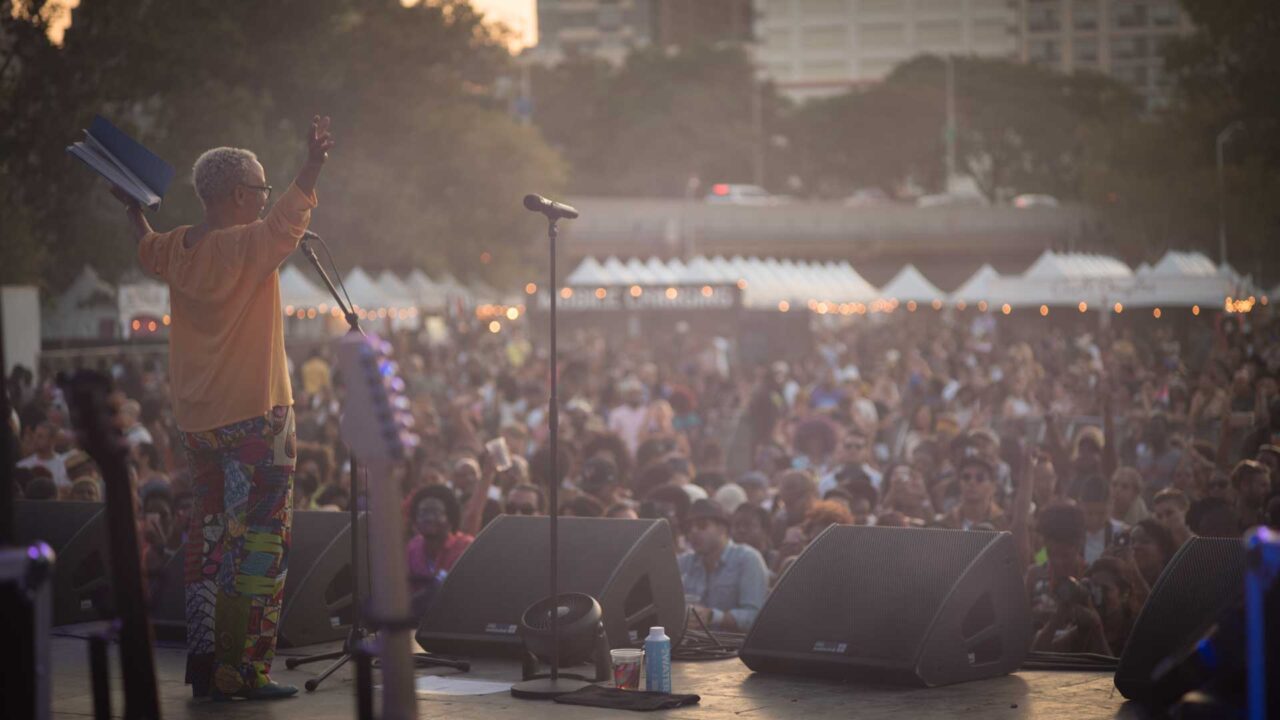
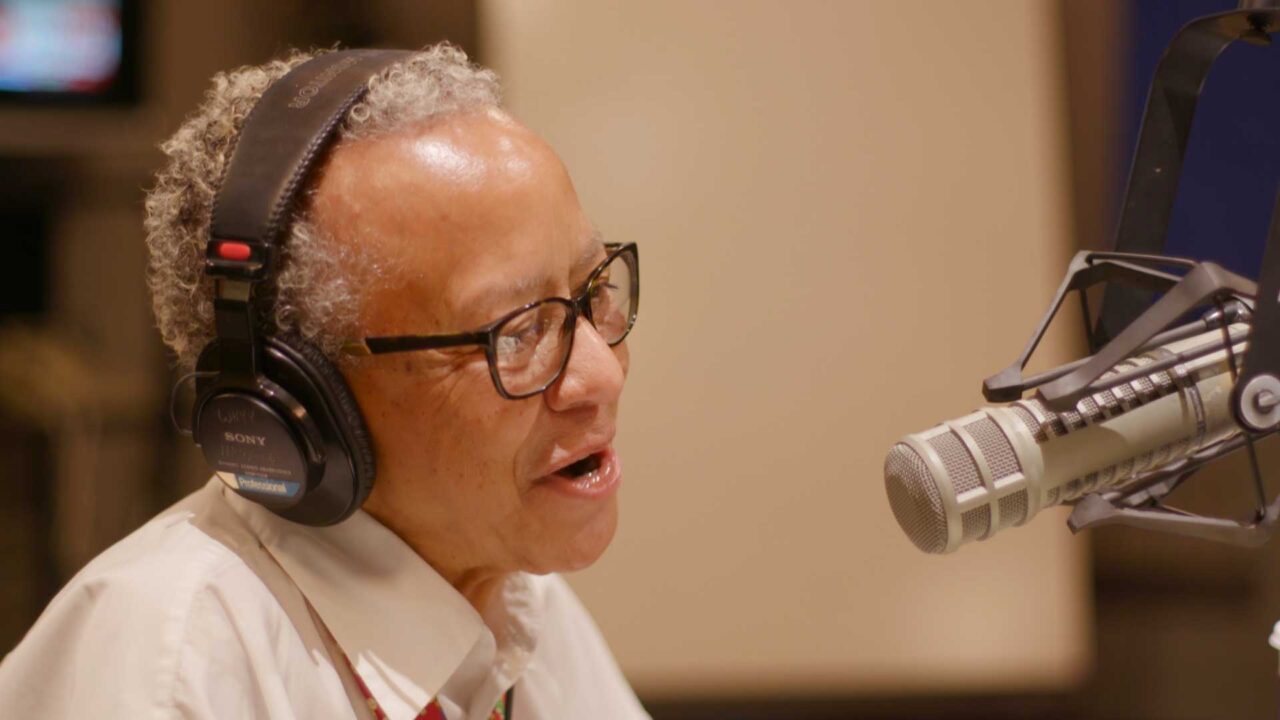
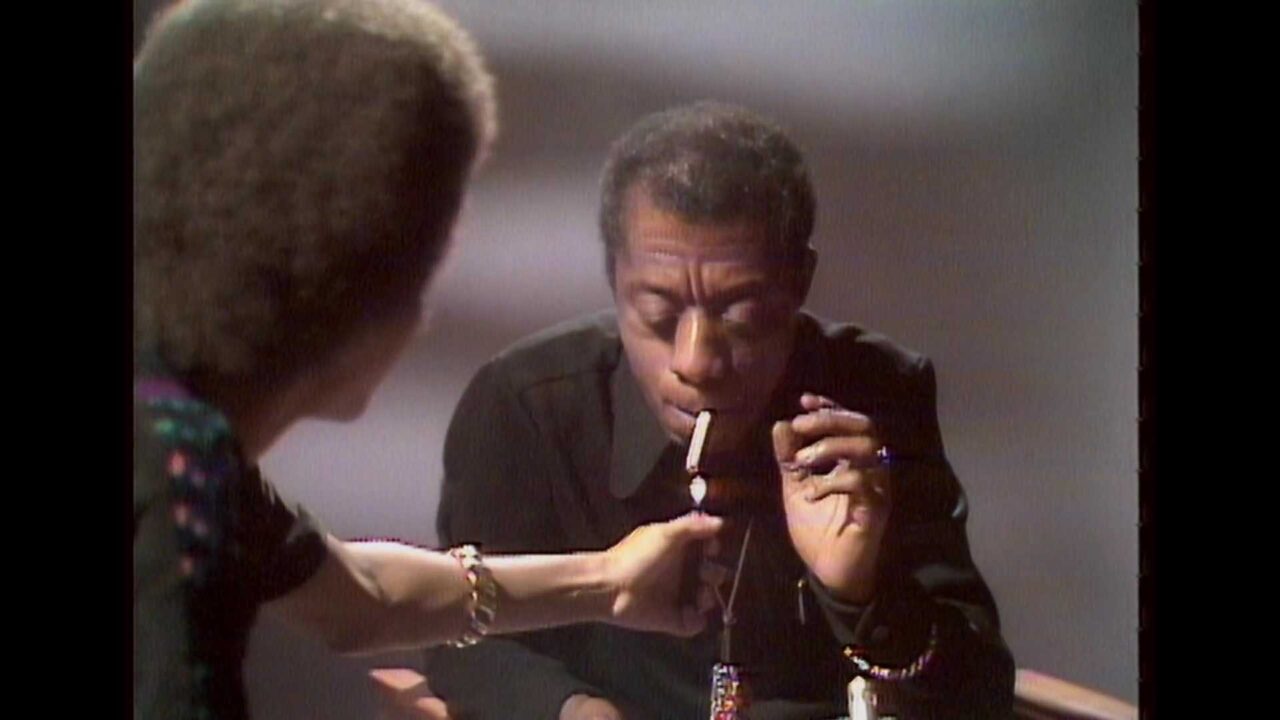
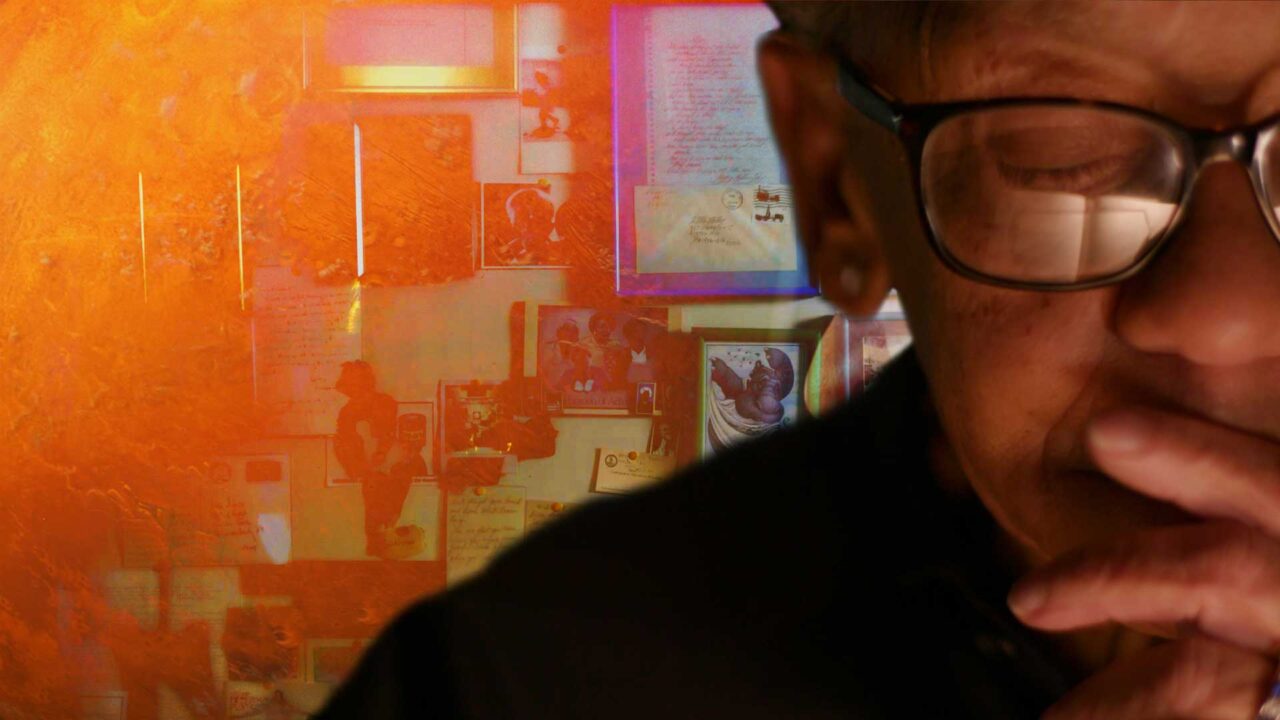
  • Going to Mars: The Nikki Giovanni Project

    Going to Mars: The Nikki Giovanni Project

    Going to Mars: The Nikki Giovanni Project

    reż. Michèle Stephenson & Joe Brewster
    USA / 2023 / 102 min / polish premiere

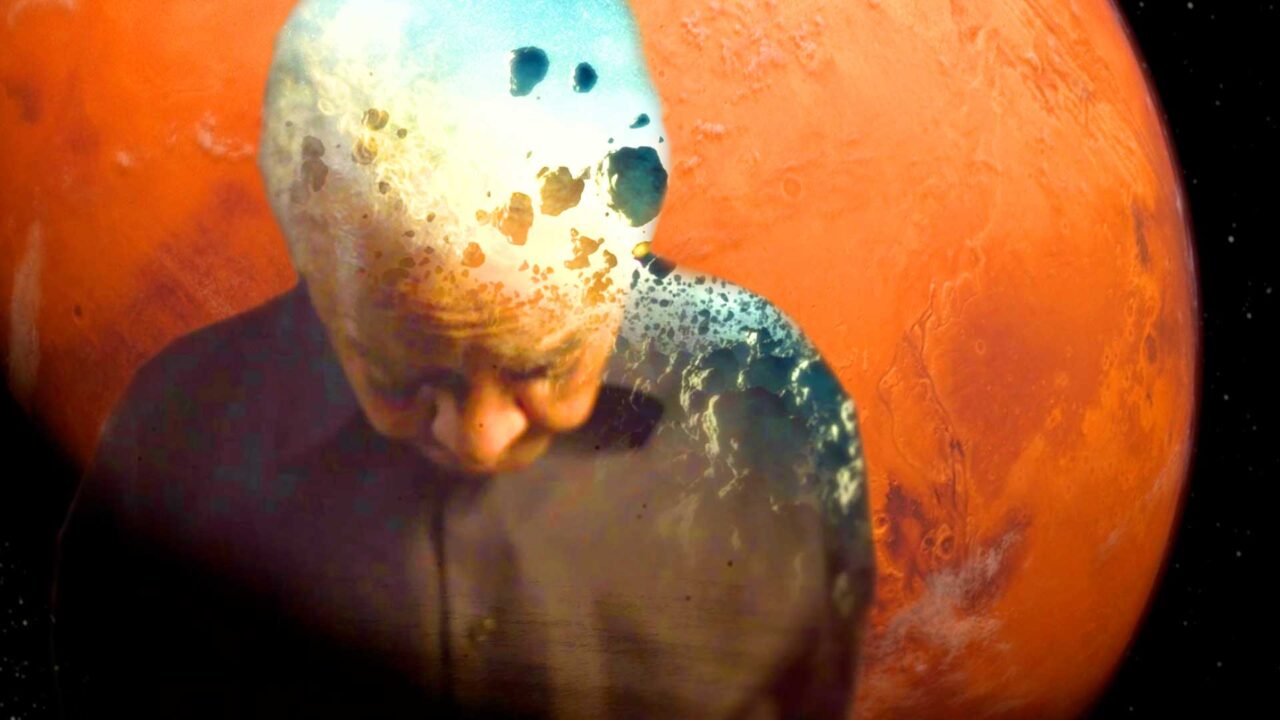
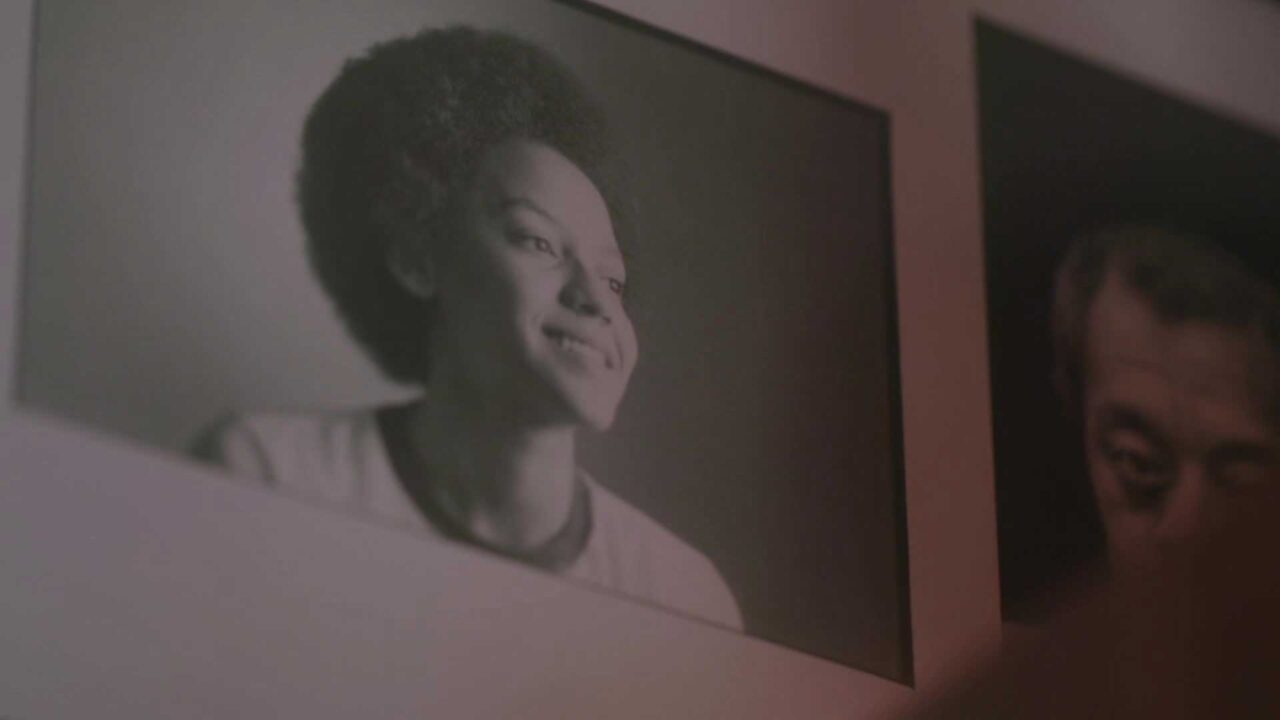
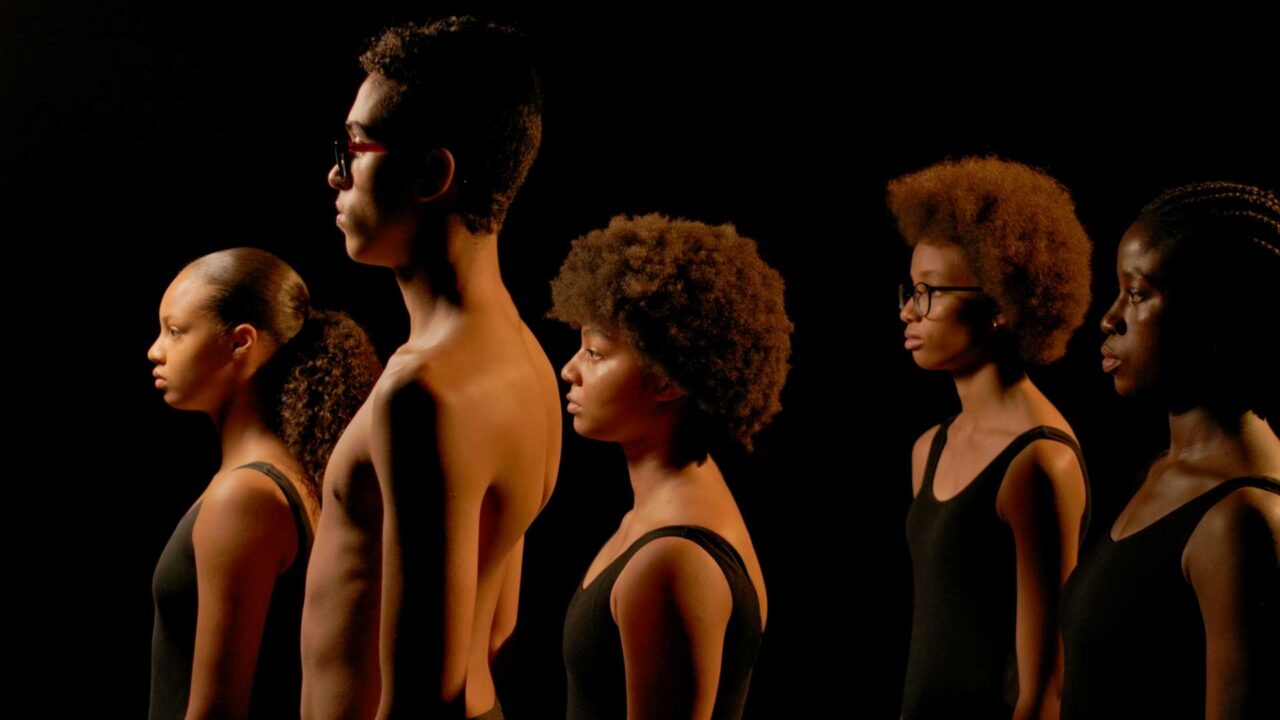
    Intimate images, archival material, and innovative interpretations of Nikki Giovanni’s poetry come together in a film that transcends the traditional biography. A journey through time and space reveals the enduring impact of one of America’s most outstanding living artists and social commentators.

    Winner of the Grand Jury Prize in the documentary competition at the Sundance Film Festival. This captivating documentary portrait follows poet and activist Nikki Giovanni as she approaches her 80th birthday. The film explores her Afrofuturist-feminist philosophy of life, her moving relationship with family, political courage, and poetic eloquence, all woven together with exceptional sensitivity to rhythm, aesthetics, and her unique voice.

    Reflecting on her own life and a history marked by the shadow of American racism, while also looking toward a future full of hope and possibility, Giovanni becomes both guide and narrator. Filmmakers Joe Brewster and Michèle Stephenson forego a traditional chronological structure and standard interviews in favor of a fresh, poetic approach. Going to Mars is driven by relentless intellectual engagement and radical imagination, seeking emotional and political fulfillment in a world of exclusion.

    21.09.2025
    20:30
    Kinoteka

    Michèle Stephenson

    An Emmy Award-winning filmmaker, artist, and author who draws on her Haitian and Panamanian roots to reimagine non-fiction storytelling through the lens of the African diaspora. Her work, showcased at Sundance, Tribeca, and internationally, includes Going To Mars: The Nikki Giovanni Project (Sundance Grand Jury Prize, Emmy Award) and Black Girls Play (Tribeca Best Short Doc, Edward R. Murrow Award). Previous films include American Promise (Sundance Jury Prize, three Emmy nominations) and Stateless (Canadian Screen Award nomination). A Guggenheim and Creative Capital Fellow, she is also a member of the Academy of Motion Picture Arts and Sciences.

    Joe Brewster

    An Emmy Award-winning filmmaker and Harvard-trained psychiatrist whose work explores pressing social issues through film and immersive media. His documentary American Promise won the Sundance Jury Prize and earned three Emmy nominations, while Going To Mars: The Nikki Giovanni Project (2023 Sundance Grand Jury Prize) was Oscar-shortlisted and won an Emmy for Outstanding Documentary. He also co-directed Black Girls Play (Oscar-shortlisted, Tribeca Best Short Doc) and the VR project The Changing Same (Tribeca Grand Jury Prize). Brewster is a Guggenheim Fellow and a member of the Academy of Motion Picture Arts and Sciences.

    Director: Michèle Stephenson & Joe Brewster

    Producer(s): Michèle Stephenson, Joe Brewster, Tommy Oliver

    Language: English

    Subtitles: Polish, English
  • Ways to Traverse a Territory

    Ways to Traverse a Territory

    Ways to Traverse a Territory

    reż. Gabriela Domínguez Ruvalcaba
    Mexico / 2024 / 73 min / polish premiere

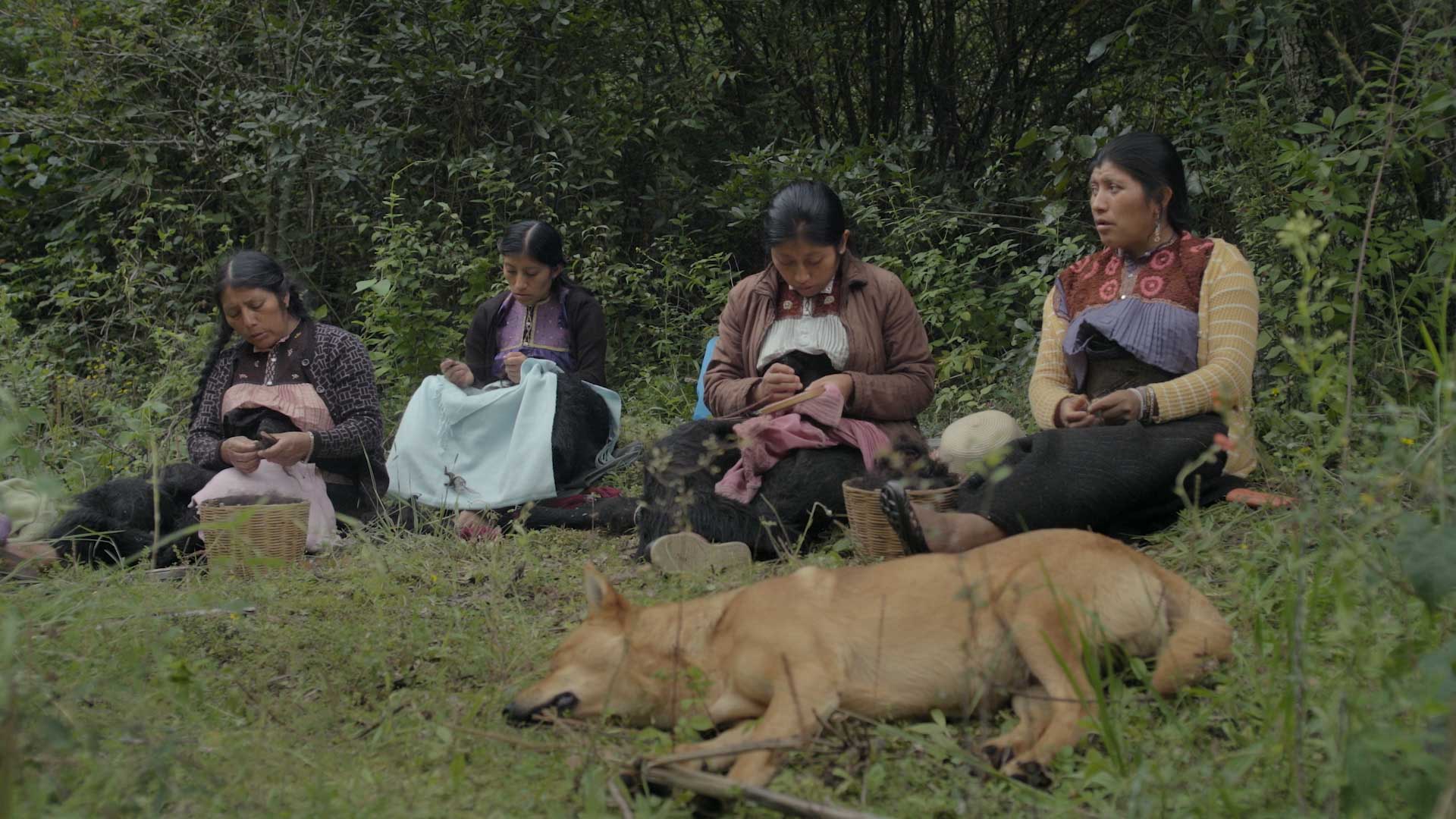
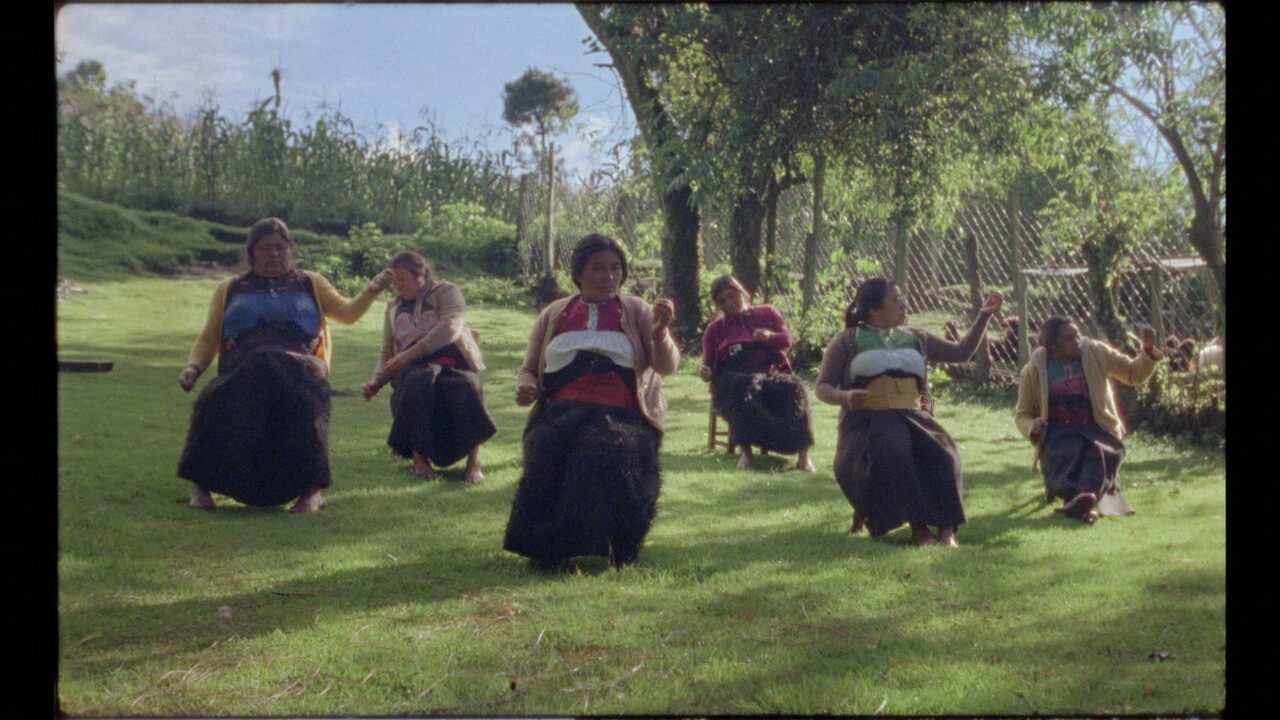
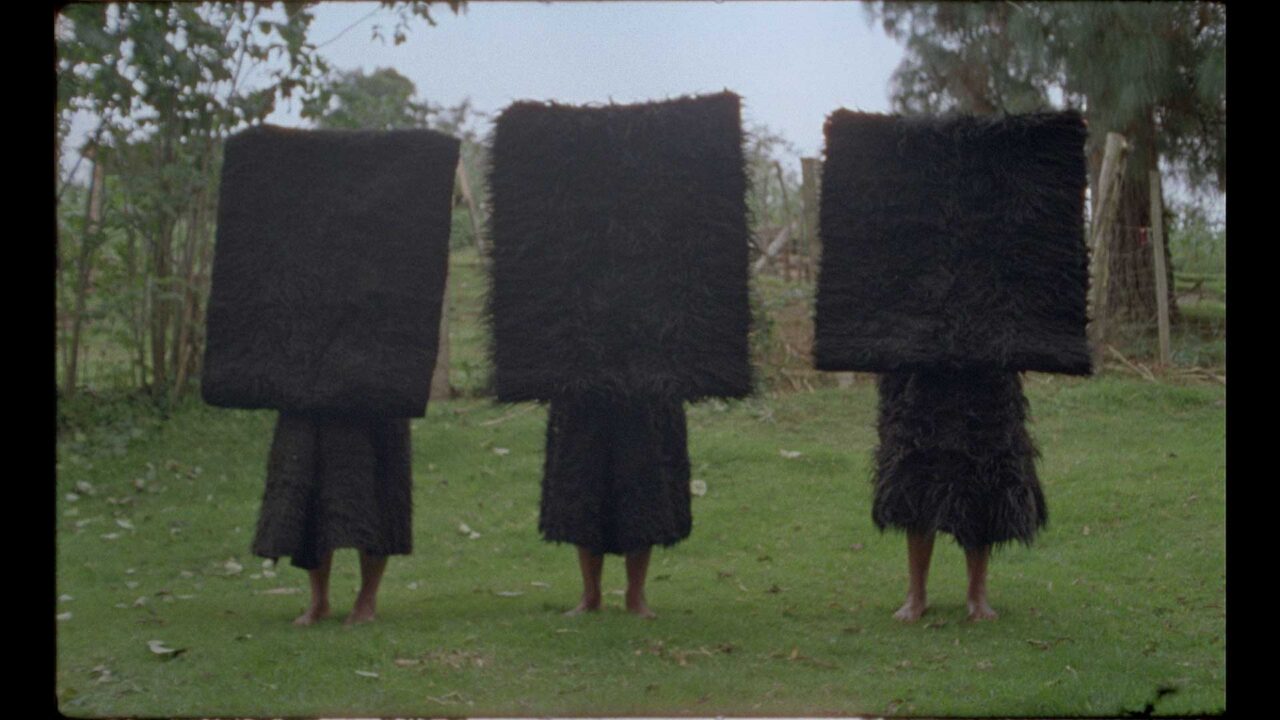
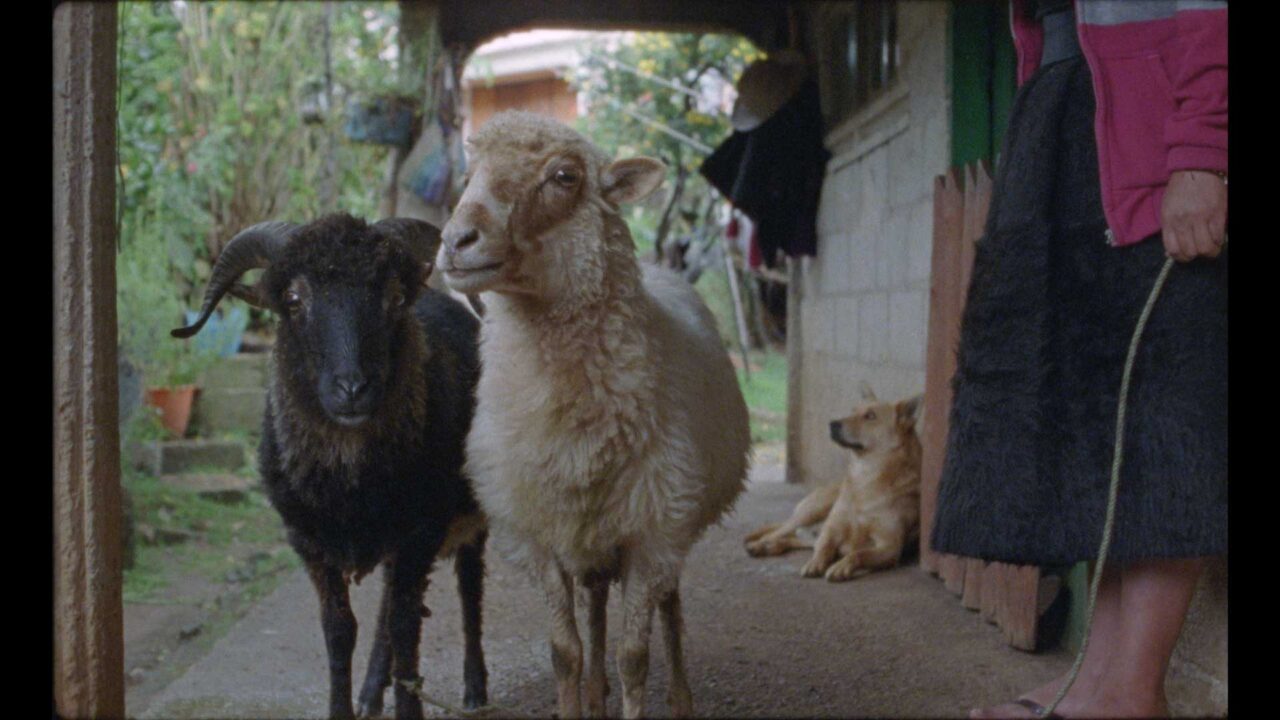
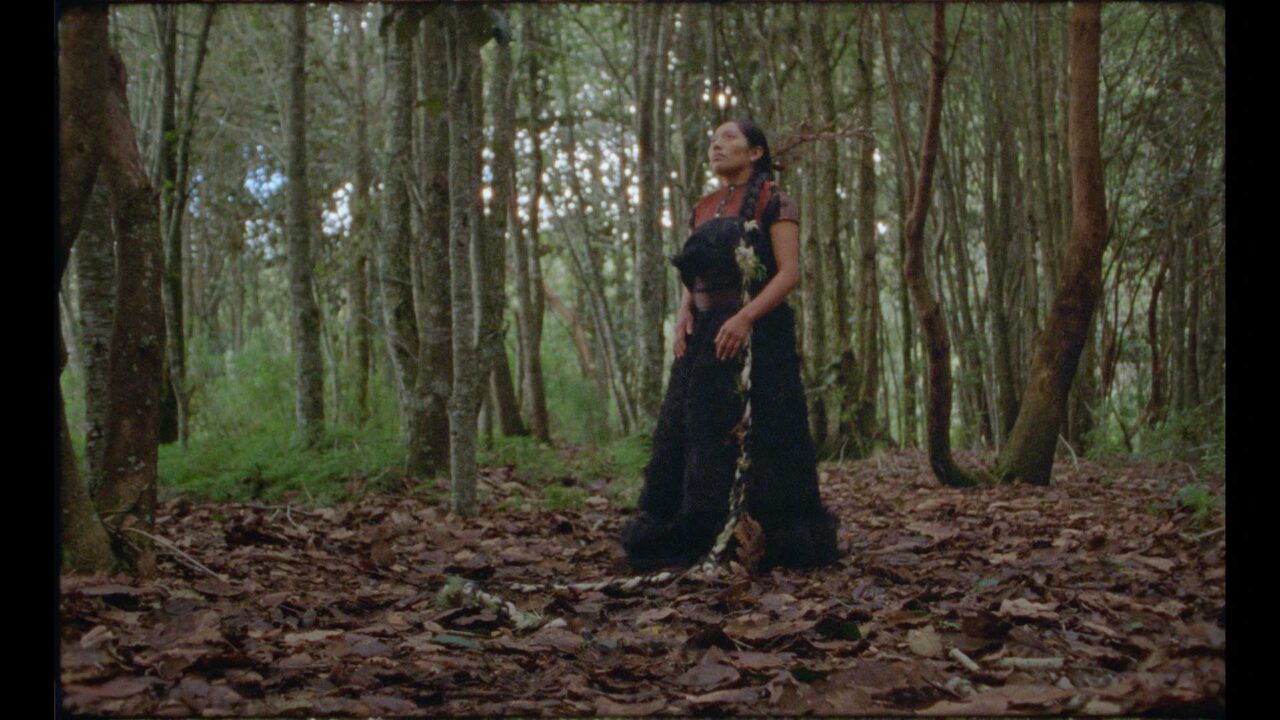
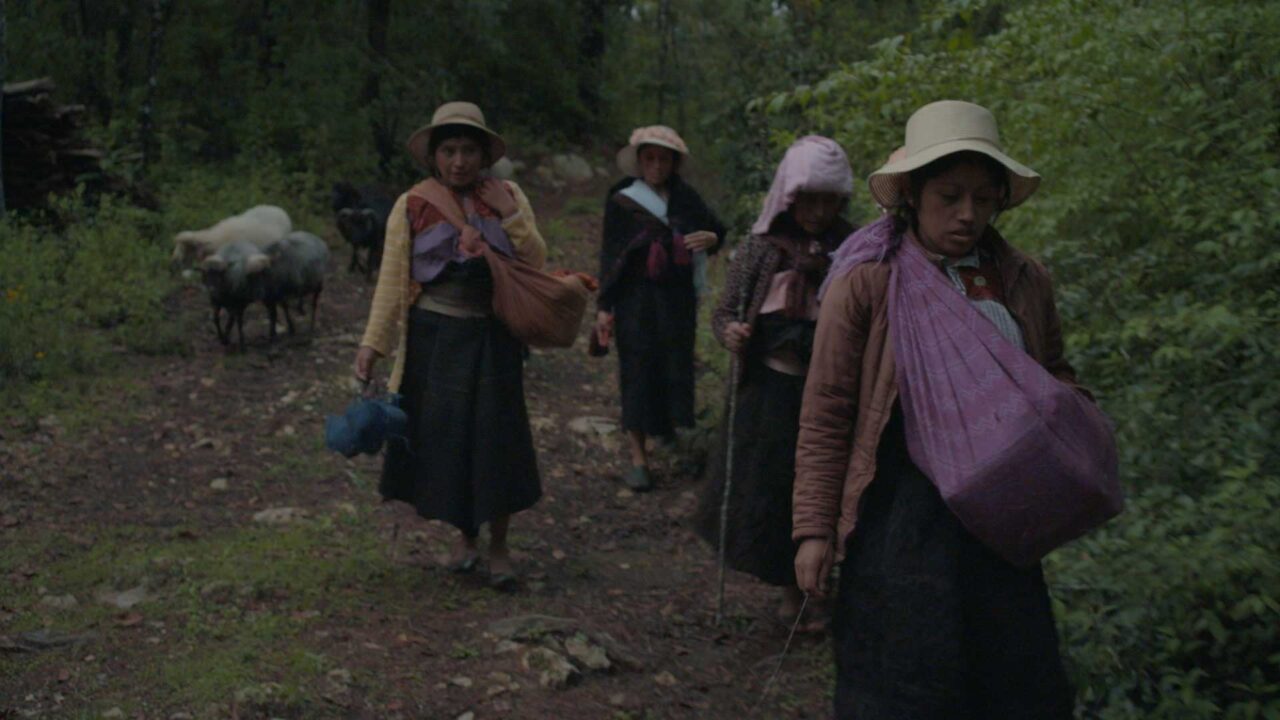
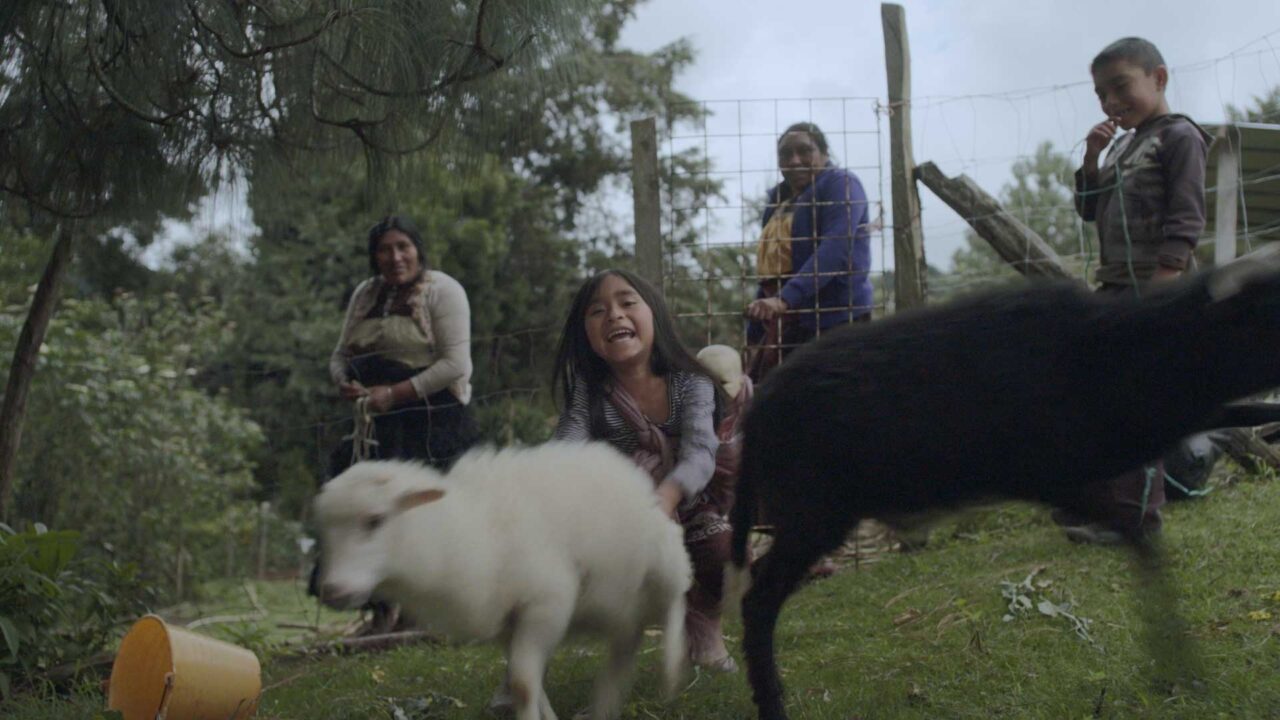
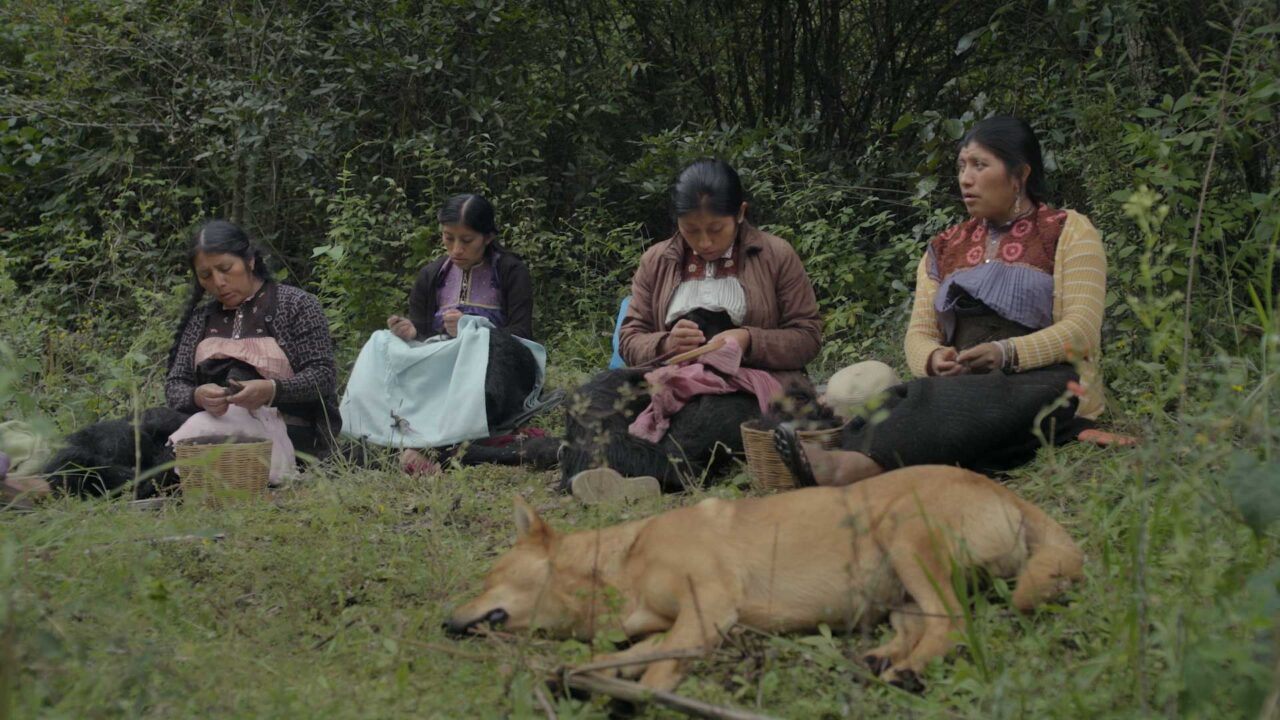
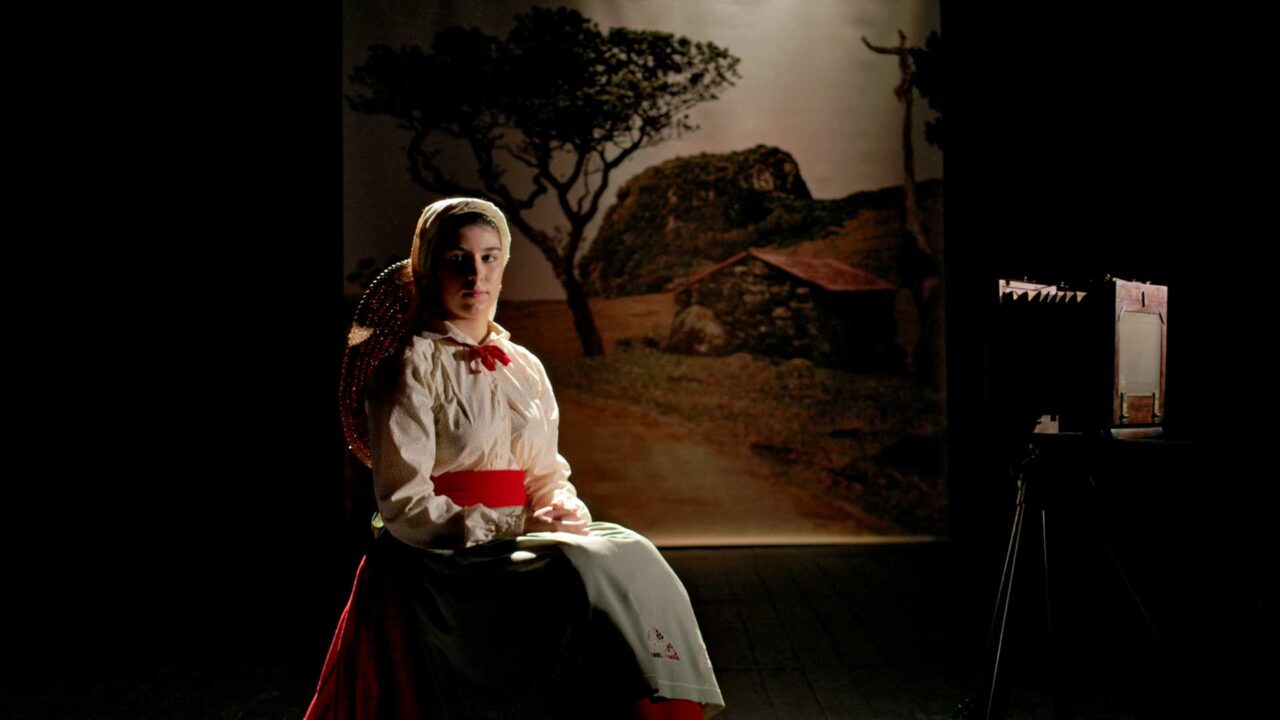
    The film immerses the audience in the mountainous landscape of Chiapas—humid, vibrant, and full of textures and sounds. Sheep, wool, braided hair, and the colors of traditional garments create a choreography of life at the foot of the mountain, where Tsotsil women teach how to honor the land and preserve the memory of their territory.

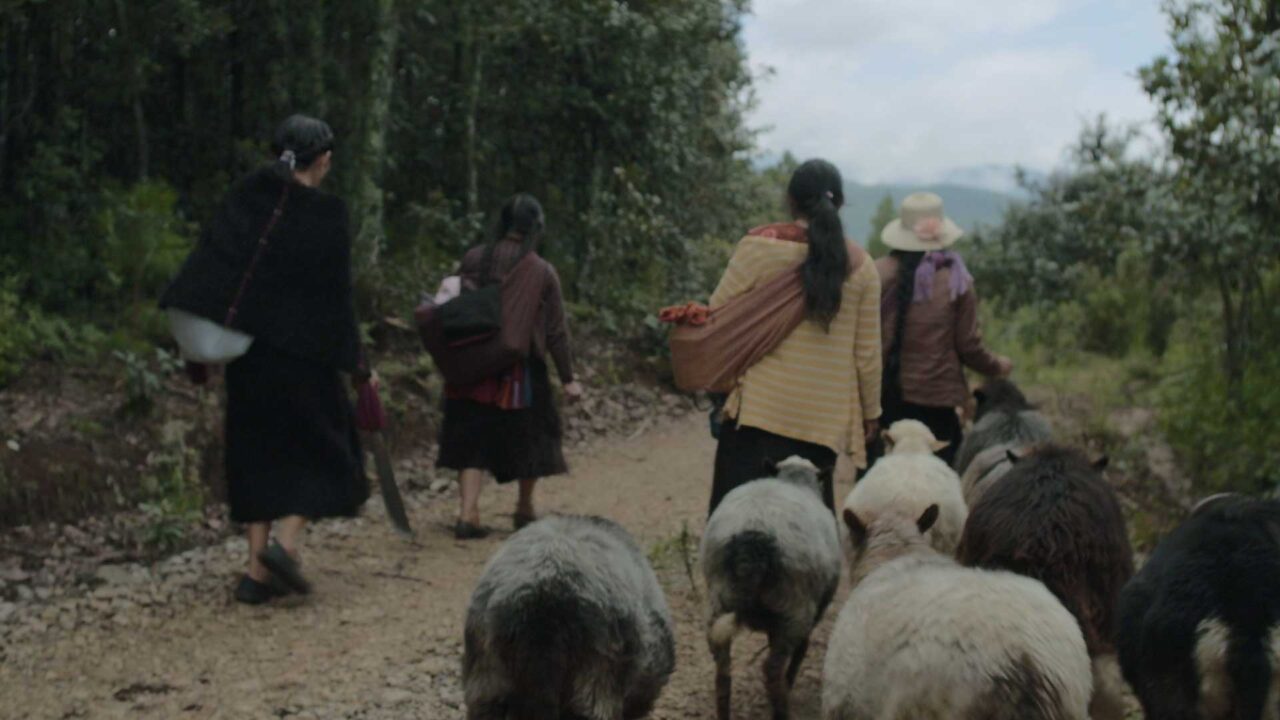
    In Chiapas, two worlds intertwine across generations of women in a single family. Tsotsil women—shepherds and wool weavers—tend their flocks, honoring the memory of the land and their cultural identity.

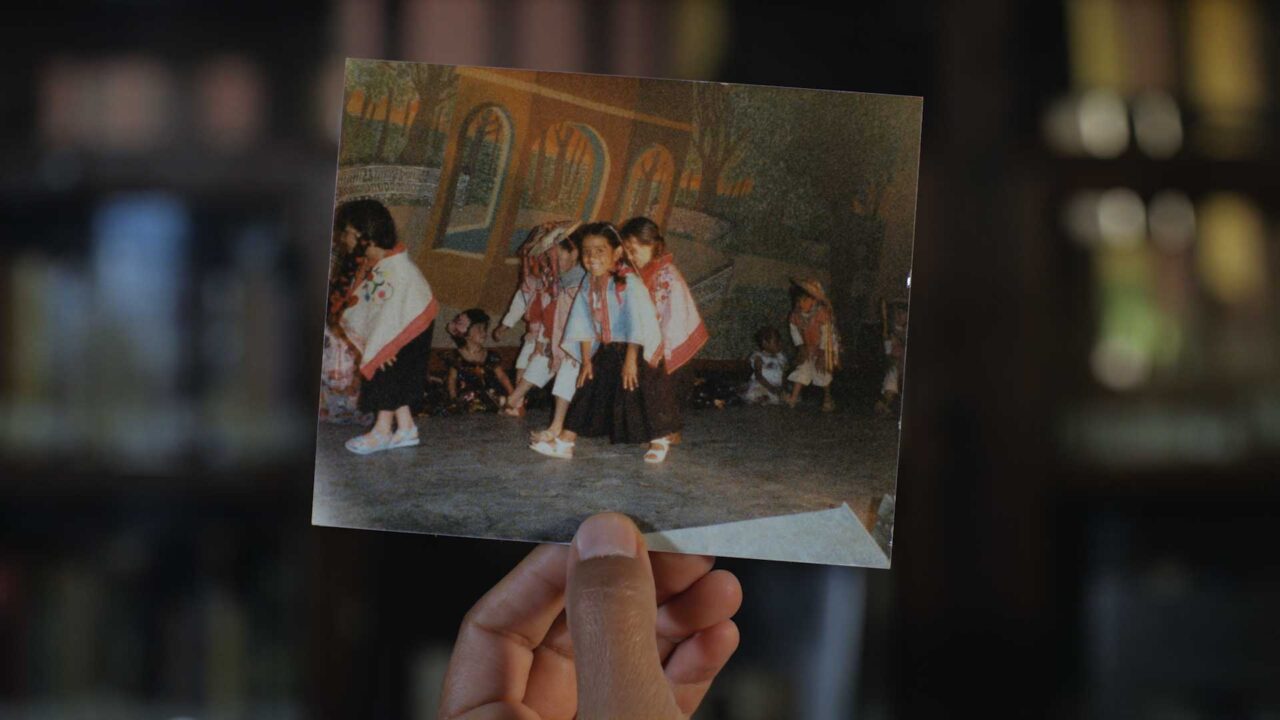
    In Ways of Traversing Territory, the director journeys to the moss-covered mountains just outside the city, following Doña Sebastiana and her daughters as they care for their sheep, a practice that connects them to the earth and preserves ancestral knowledge. Revisiting childhood photographs that reveal her own bond with the land, the director weaves an essayistic exploration of what it means to inhabit a place in constant transformation.

    Through staged scenes, archival materials, and intimate conversations, the film examines the inseparable ties between people, place, and nature. Political and environmental changes ripple across this landscape, and the women’s practices become gestures of care, memory, and belonging. Ways of Traversing Territory is a tender, immersive meditation on identity, landscape, and the passage of time.

    19.09.2025
    20:45
    Kinoteka

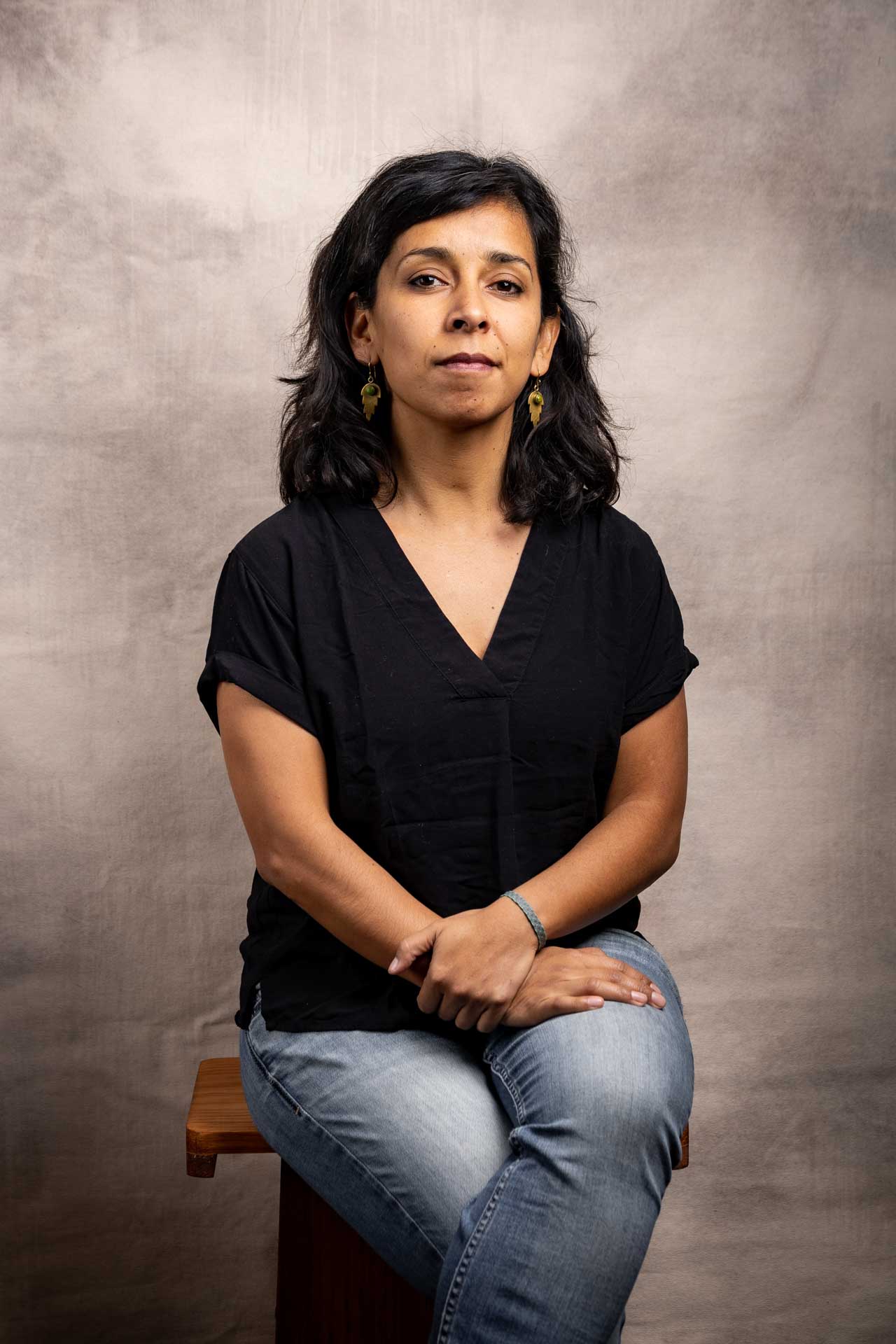
    Gabriela Domínguez Ruvalcaba

    A Mexican filmmaker. Her artistic practice explores documentary and experimental forms of storytelling that arise from her interest in themes where memory and time becomes present and the sense of territory and ecology. Her practice is also nourished by interdisciplinary experiences between dance and film. Her work has been showcased in film festivals like LOCARNO, IDFA, Festival Internacional del Nuevo Cine- Latinoamericano de la Habana, Cartagena Film Festival, Morelia Film Festival, FICUNAM. She has been recognized by the National System of Art Creators in México.(2020-2023). She directed La danza del hipocampo and Ways to traverse a territory. Gabriela is an alumni of the Berlinale Talents as well as the DocStation, Flaherty Seminar Fellow and Talents Guadalajara. Her documentaries has been participated in documentary Labs and Pitching such as Conecta Chile, Rough Cut Lab Montevideo, Plataforma IB DOCSMX, SANFIC Industry, FIDBA WIP.

    Director: Gabriela Domínguez Ruvalcaba

    Producer(s): Pía Quintana Enciso

    Production: Bosque Negro & Estudio Errante

    Language: Spanish, Tsotsil

    Subtitles: Polish, English
  • Mambar Pierrette

    Mambar Pierrette

    Mambar Pierrette

    reż. Rosine Mbakam
    Belgium / 2023 / 93 min / polish premiere
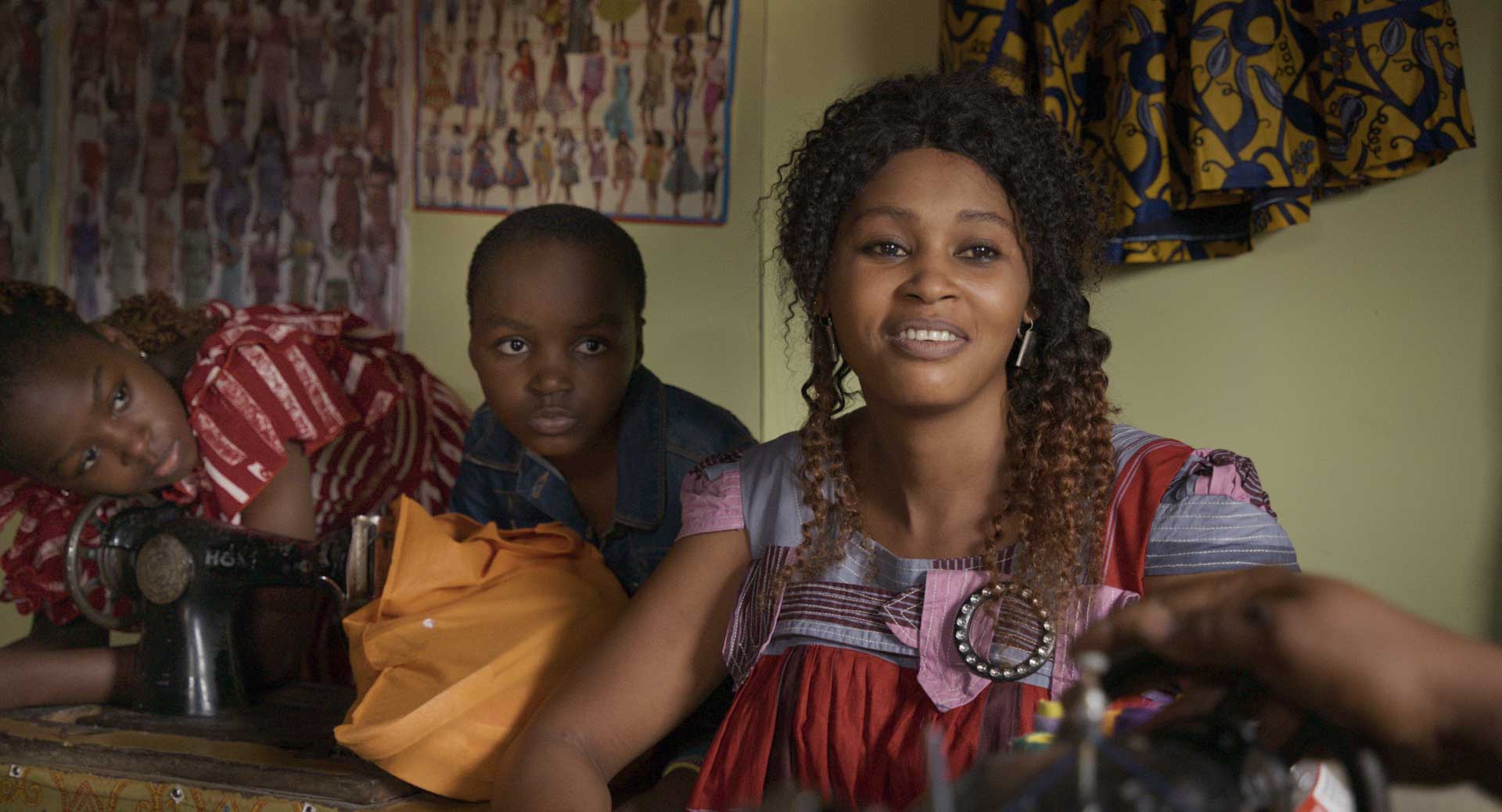
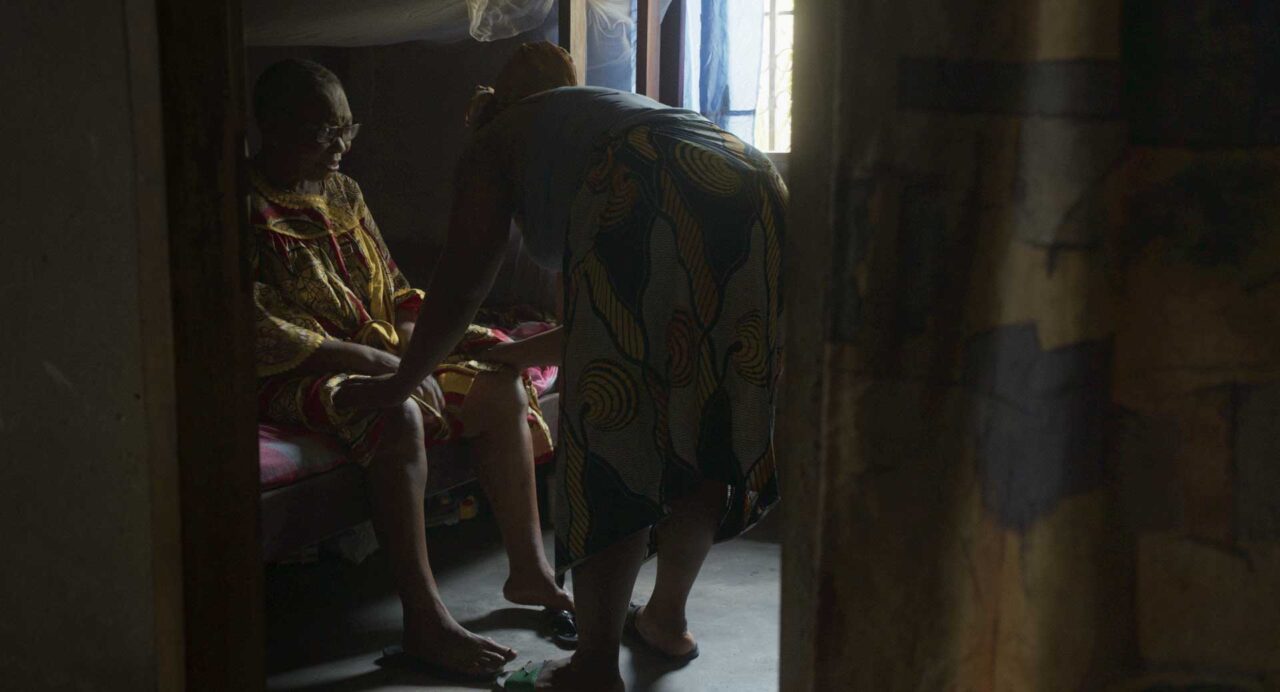
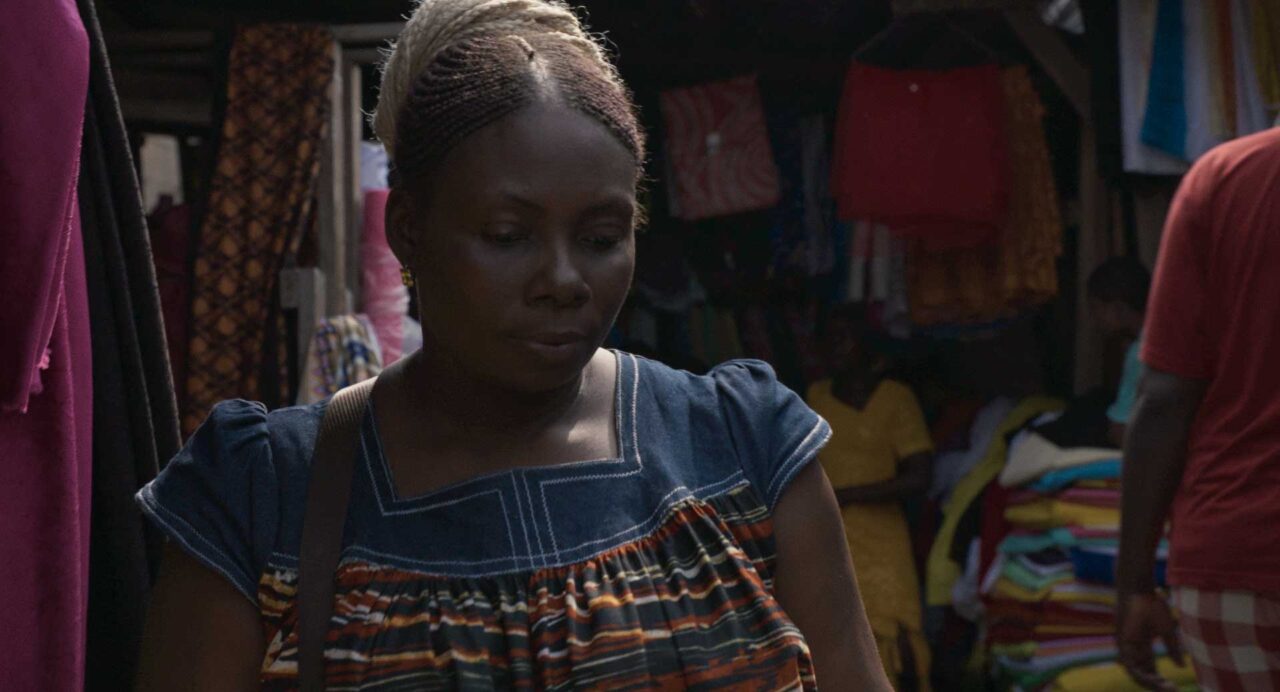
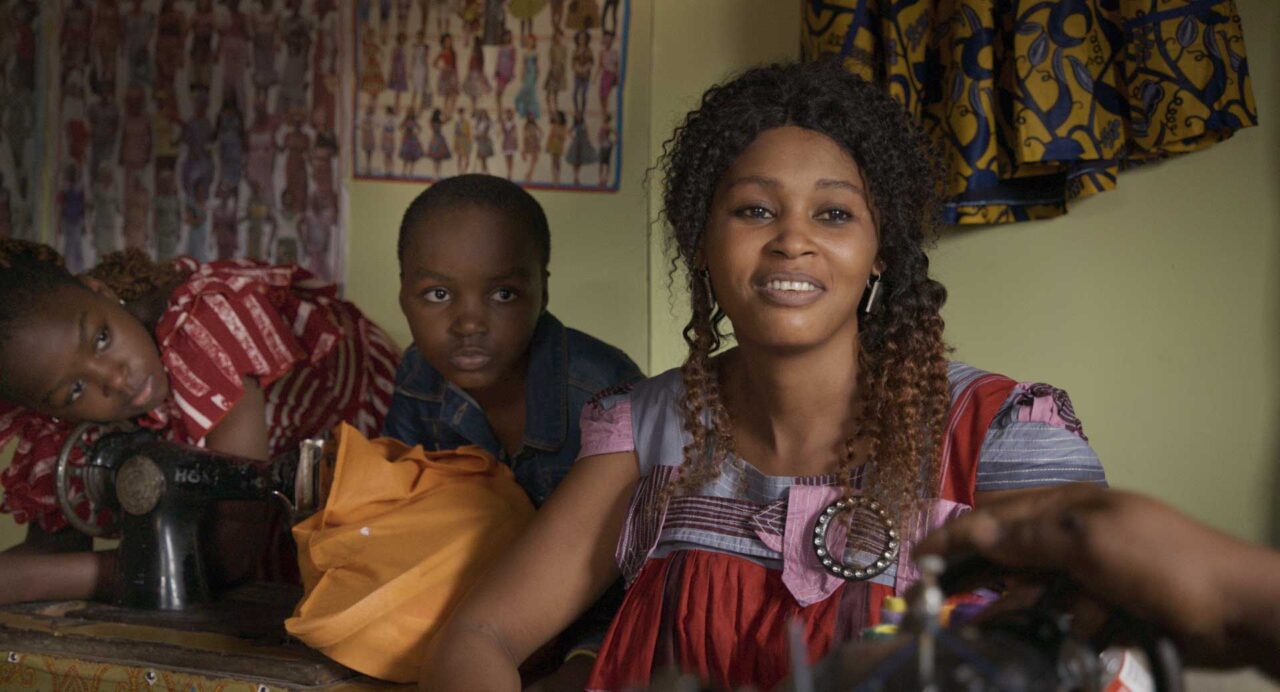
    A story of resilience. Mambar raises her children, cares for her mother, and runs a business, standing as a voice of a generation that endures life’s hardships while resisting patriarchal oppression. Despite the challenges, she meets them with calm strength, drawing support from the bonds she shares with the women in her community.

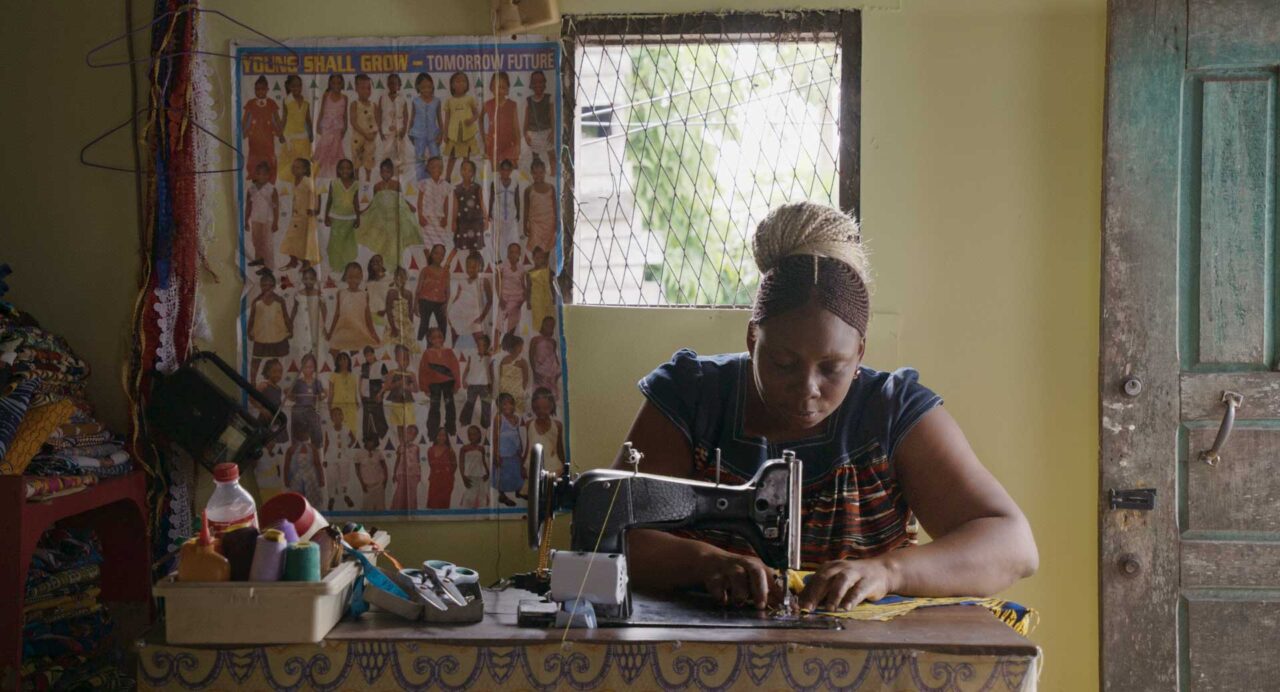
    The start of the school year in Douala carries a familiar sense of unease. At Mambar Pierrette’s modest tailoring workshop, a long line of clients gathers, eager to have their clothes ready for upcoming celebrations and social gatherings. Yet Pierrette is far more than a seamstress – she becomes a confidante to her customers, a voice for her generation. But when heavy rains threaten to flood her workshop – one of several misfortunes to strike in succession – Pierrette must find a way to stay afloat.

    Mambar Pierrette is a lyrical meditation on the expectations placed on working-class women to keep moving forward, regardless of nationality, culture, or circumstance. It is also a proud, unsentimental celebration of how women offer support simply because it is needed. Compassionate men do appear, but they are exceptions; for the women, empathy is not a choice but a necessity. They are the driving force of their community, and without their energy and determination, everything would collapse.

    This is a film where much happens, yet events themselves are not the focus. What matters most are the women – and their refusal to yield to forces that seem insurmountable. Not because they are superheroes, but because they have no other choice. It is a burden one might wish to escape, but one they carry nonetheless – simply because they must.
    17.09.2025
    20:30
    Kinoteka

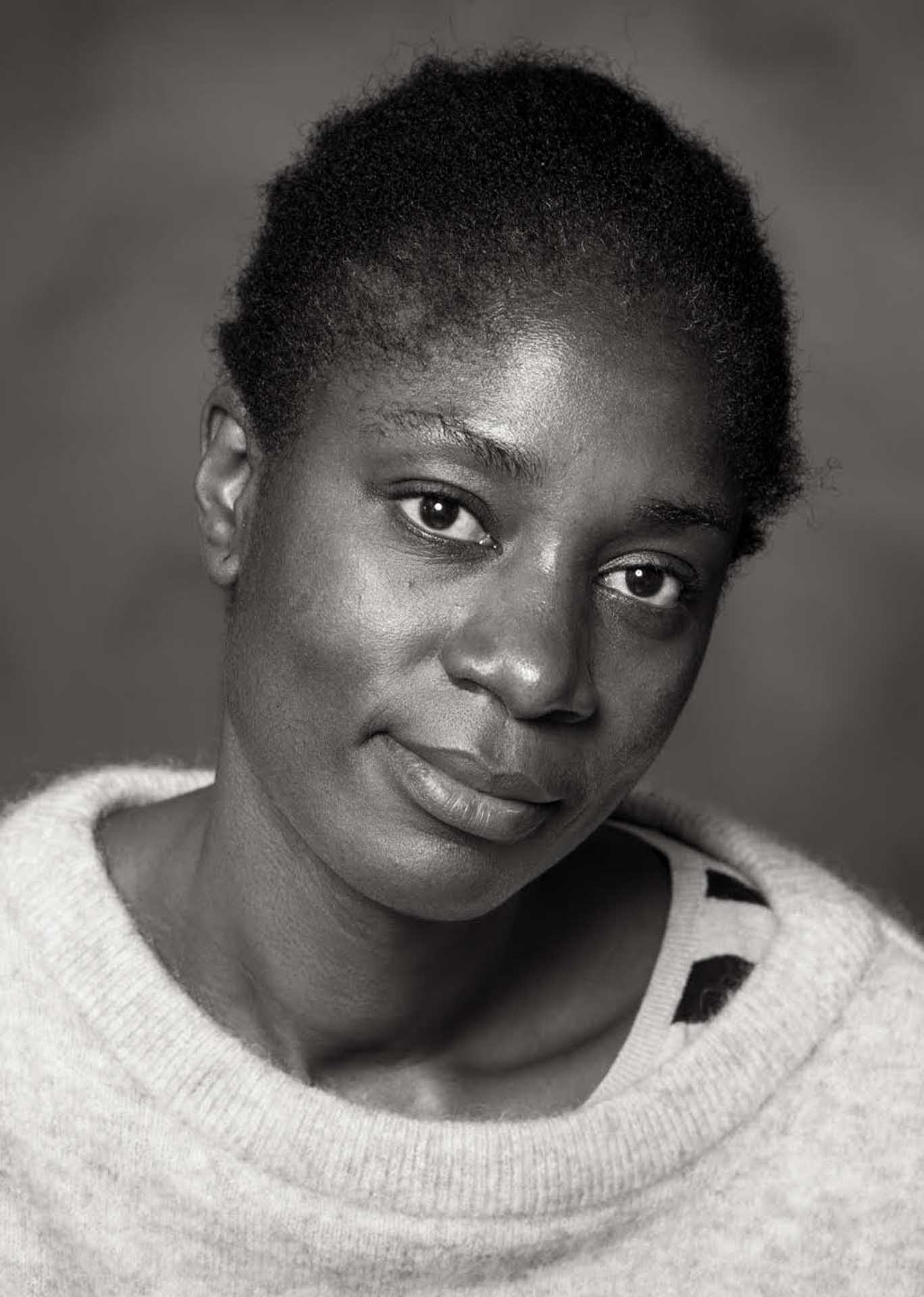
    Rosine Mbakam

    She grew up in Yaoundé in a popular neighborhood that nourished her imagination as a filmmaker. After working for 3 years at STV in Douala as a director
    and producer, she joined INSAS, a Belgian film school. Her graduation film You will be
    my ally
    is very remarkable. In order to be independent, she founded her own production company Tândor Productions. She directed 4 feature-length documentaries that were selected in the most important film festivals in the world. She is also a teacher and researcher at KASK in Ghent. “The
    New Yorker” defines her as “an original filmmaker of exceptional sensitivity; one of the greatest documentary filmmakers working today”.

    Director: Rosine Mbakam

    Production: Tândor Productions

    Language: Bamileke, French, Pidjin

    Subtitles: Polish, English