Sekcje 2025: Feature Films

  • The Unfixing

    The Unfixing

    The Unfixing

    reż. Nicole Betancourt
    USA, Spain / 2024 / 87 min / polish premiere

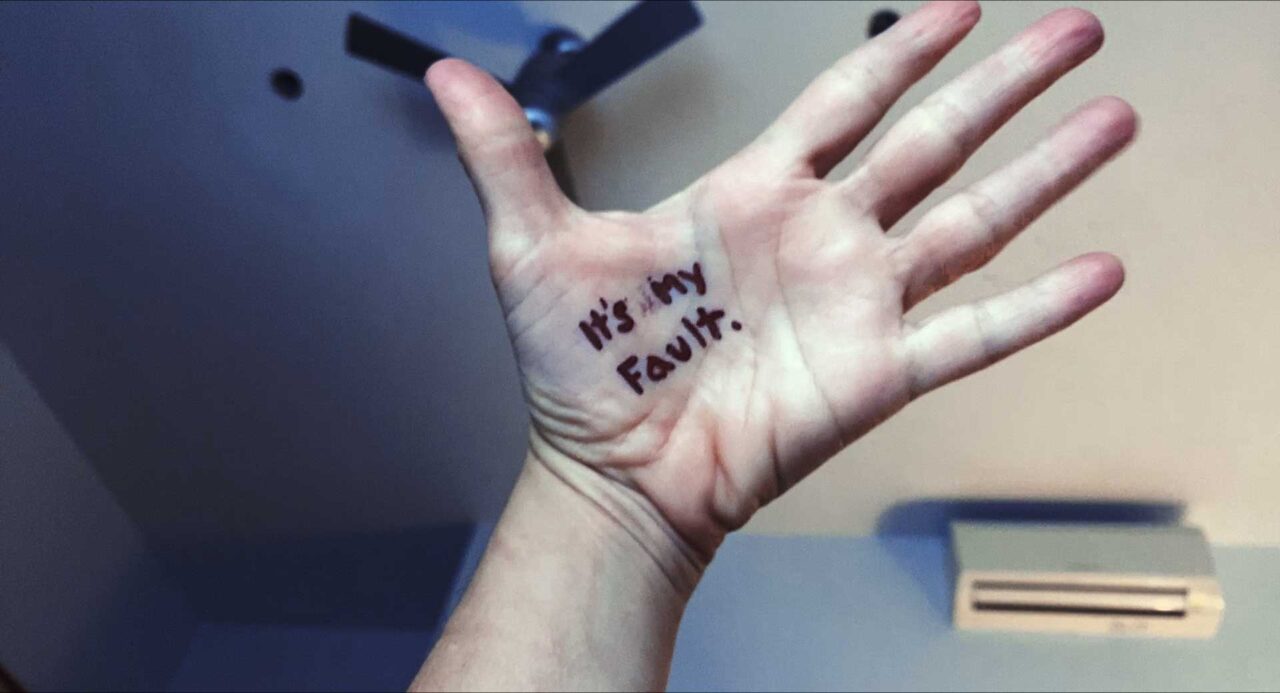
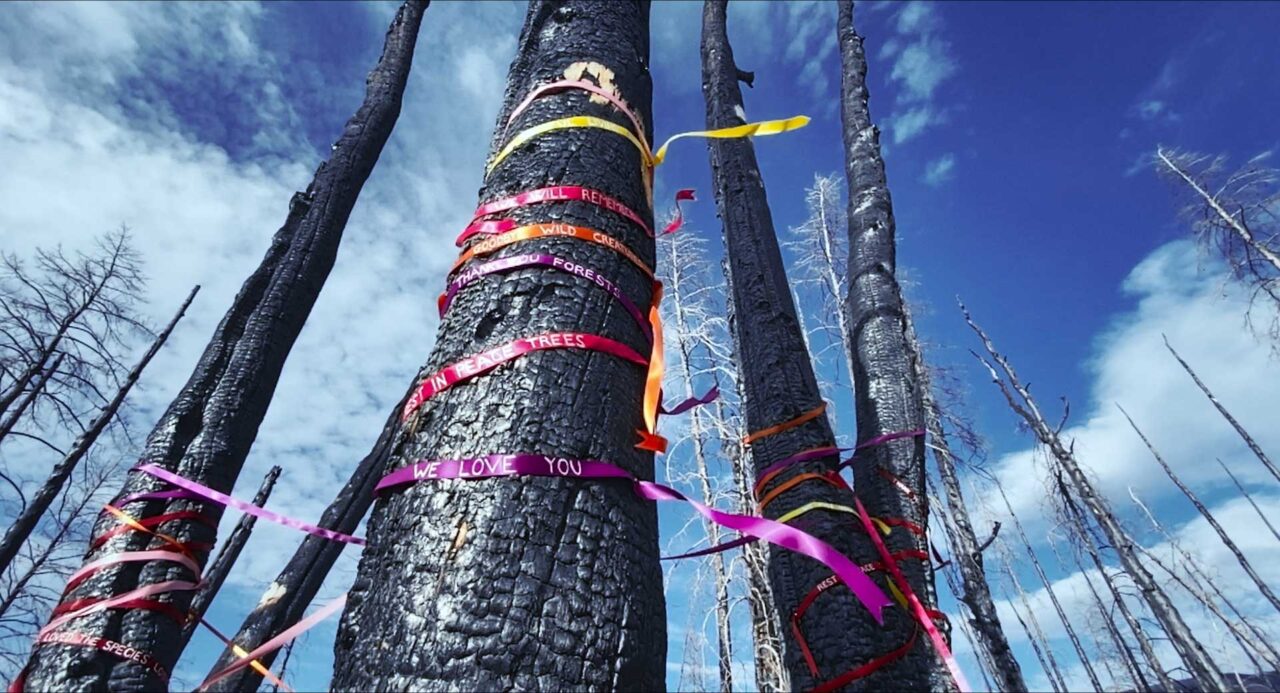
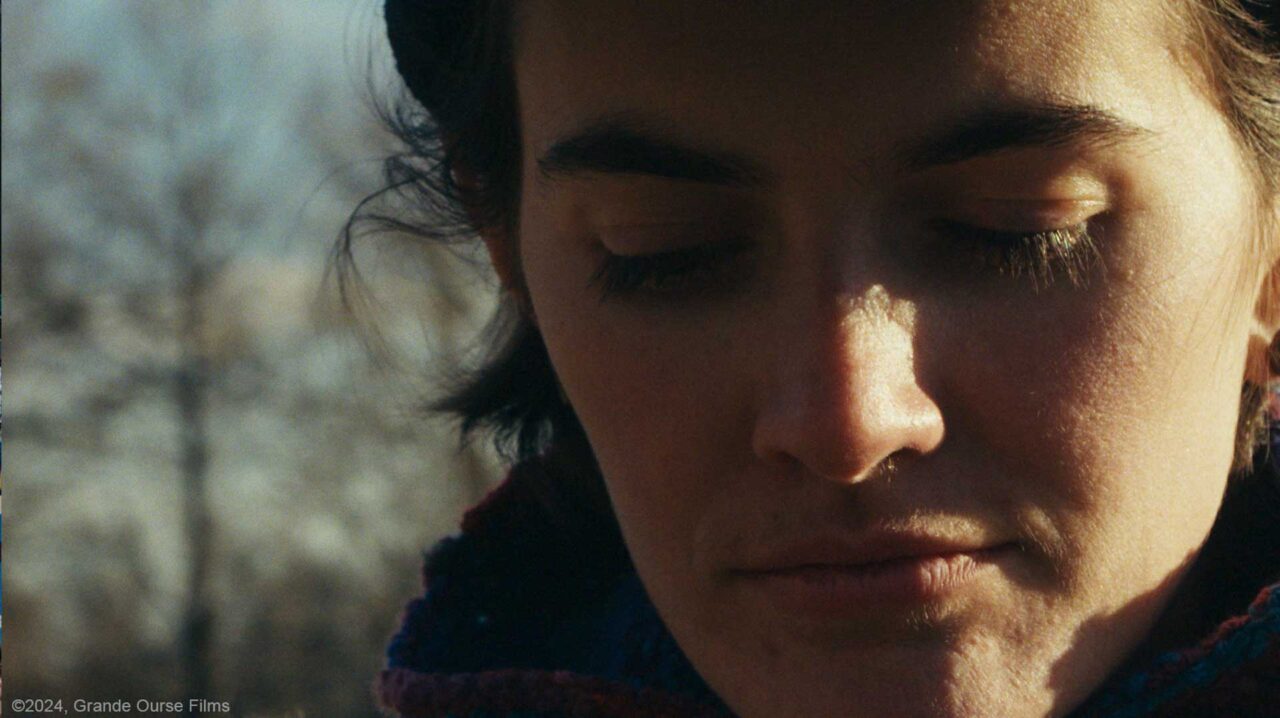
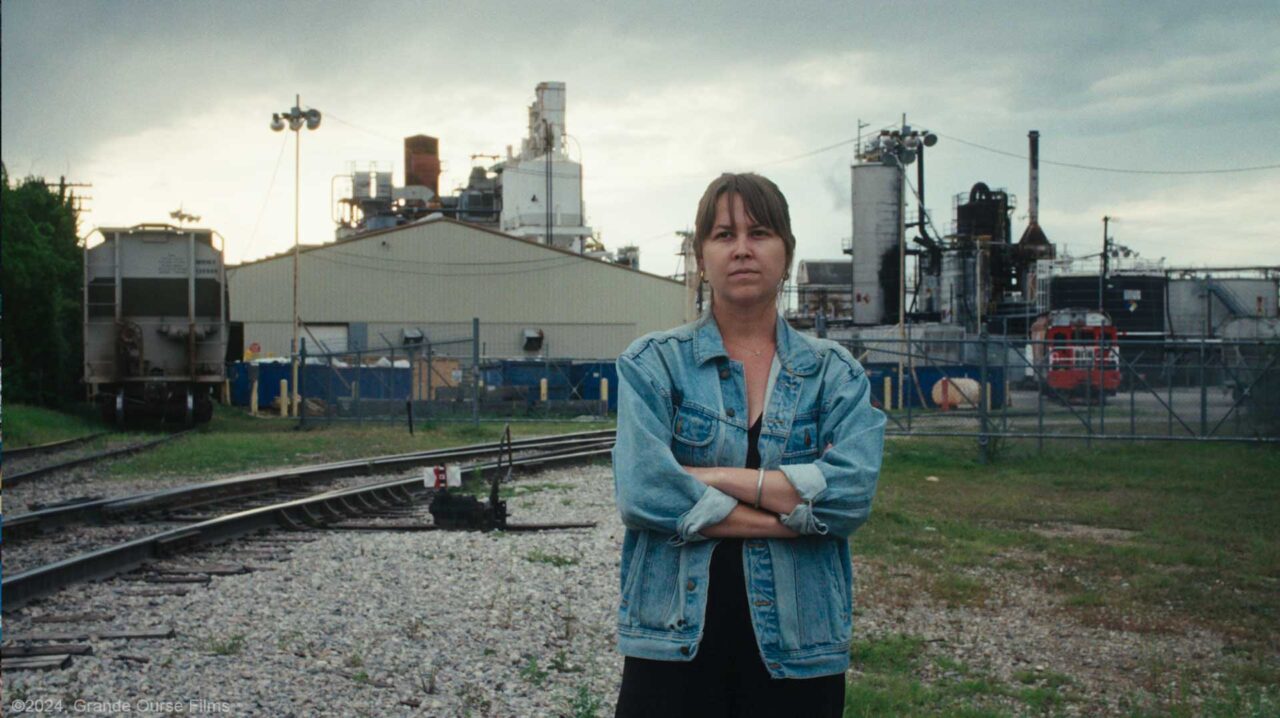
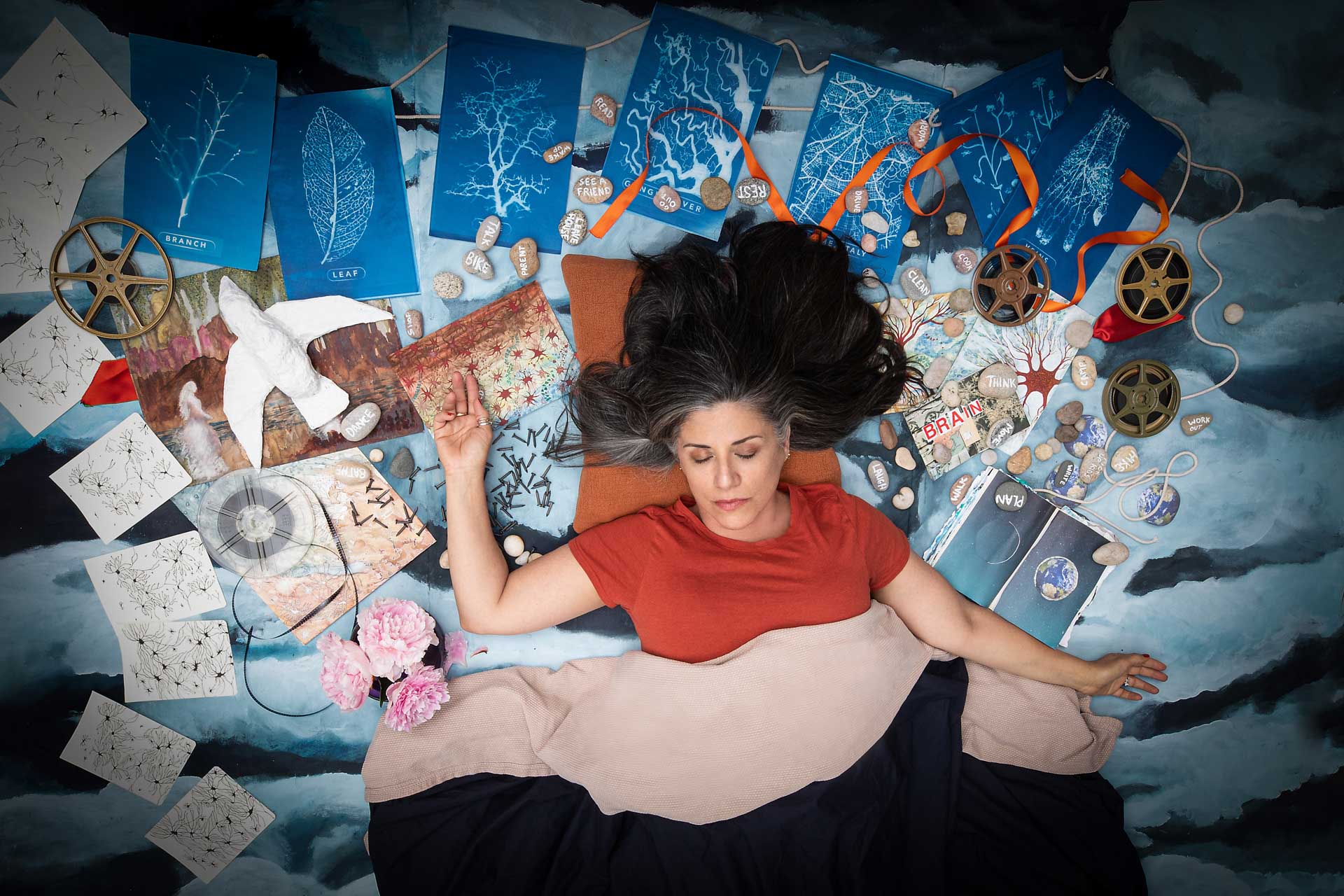
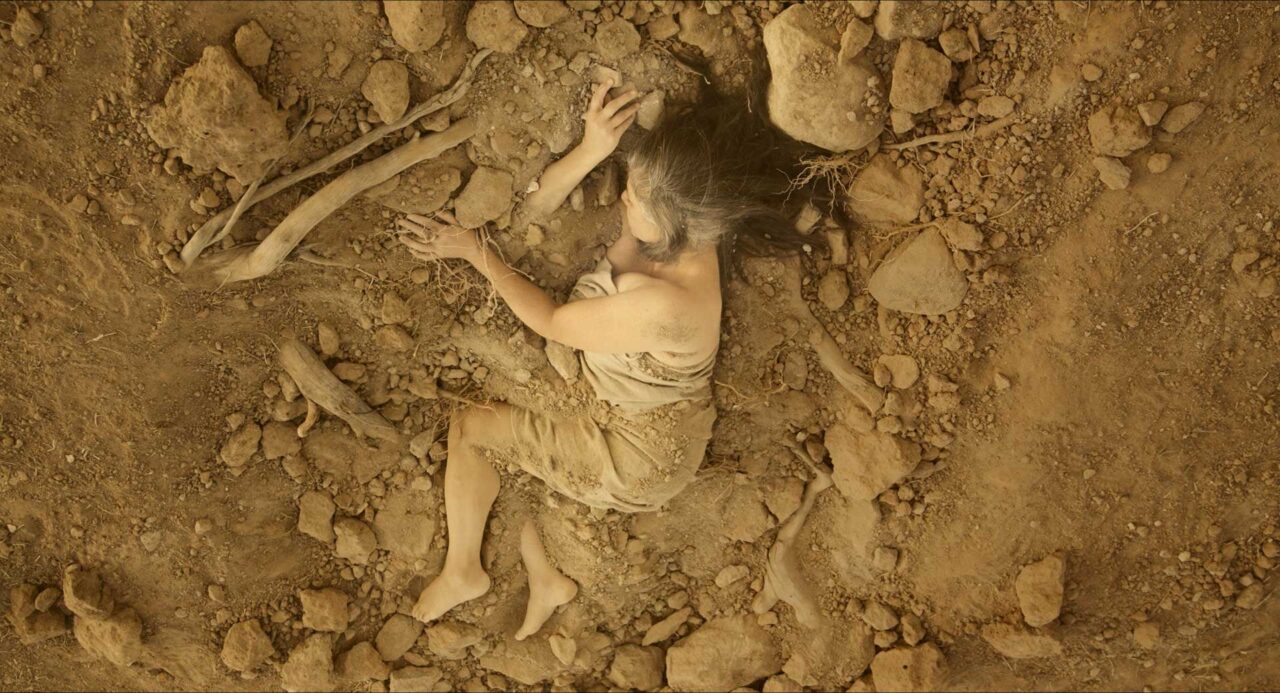
    A visual diary of illness, loss, and healing interwoven with the story of a planet in crisis. Nicole grapples with a mysterious illness that reshapes her life and that of her children. Through archival footage, animation, and the poetry of everyday moments, the film explores the connections between personal suffering and the state of the planet, uncovering new sources of hope and resilience.

    In The Unfixing, Nicole, an Emmy-winning filmmaker and mother of two, explores the human body as part of the Earth itself. After a surfing accident triggers mysterious symptoms, she can neither work nor care for her children. What begins as personal suffering unfolds into a profound transformation, as Nicole’s own illness, her children’s climate anxiety, and reflections on the state of the planet converge into a single immersive narrative. Standing in front of the camera, Nicole listens to the rhythms of nature, discovering how grief and hope ripple across bodies, generations, and landscapes. Through intimate family archives, inventive filmmaking techniques, and animation, she examines intertwined themes: her illness, her family’s struggles, and the global environmental crisis. This journey ultimately leads to a vision of hope and possibility—by reconnecting with nature, Nicole finds healing not only for herself but for the beloved planet she inhabits.

    On her film, Nicole reflects: “The most dominant systems—both in medicine and industry—were never built with respect for the interdependence of life. Doesn’t polluted air and water affect our health? In this film, I learn to surrender, to grieve, and ultimately, to heal, in part through my relationship with nature. Healing the body means restoring our bond with the world. I owe this perspective to the wise women I have met along the way. The Unfixing is a story of motherhood in ever-widening circles—a story of daughters, mothers, and the Earth”.

    After the screening there will be a debate “Between Loss and Hope: Mental Health in the Face of the Climate Crisis” with the film director Nicole Betancourt.
    20.09.2025
    17:00
    Kinoteka

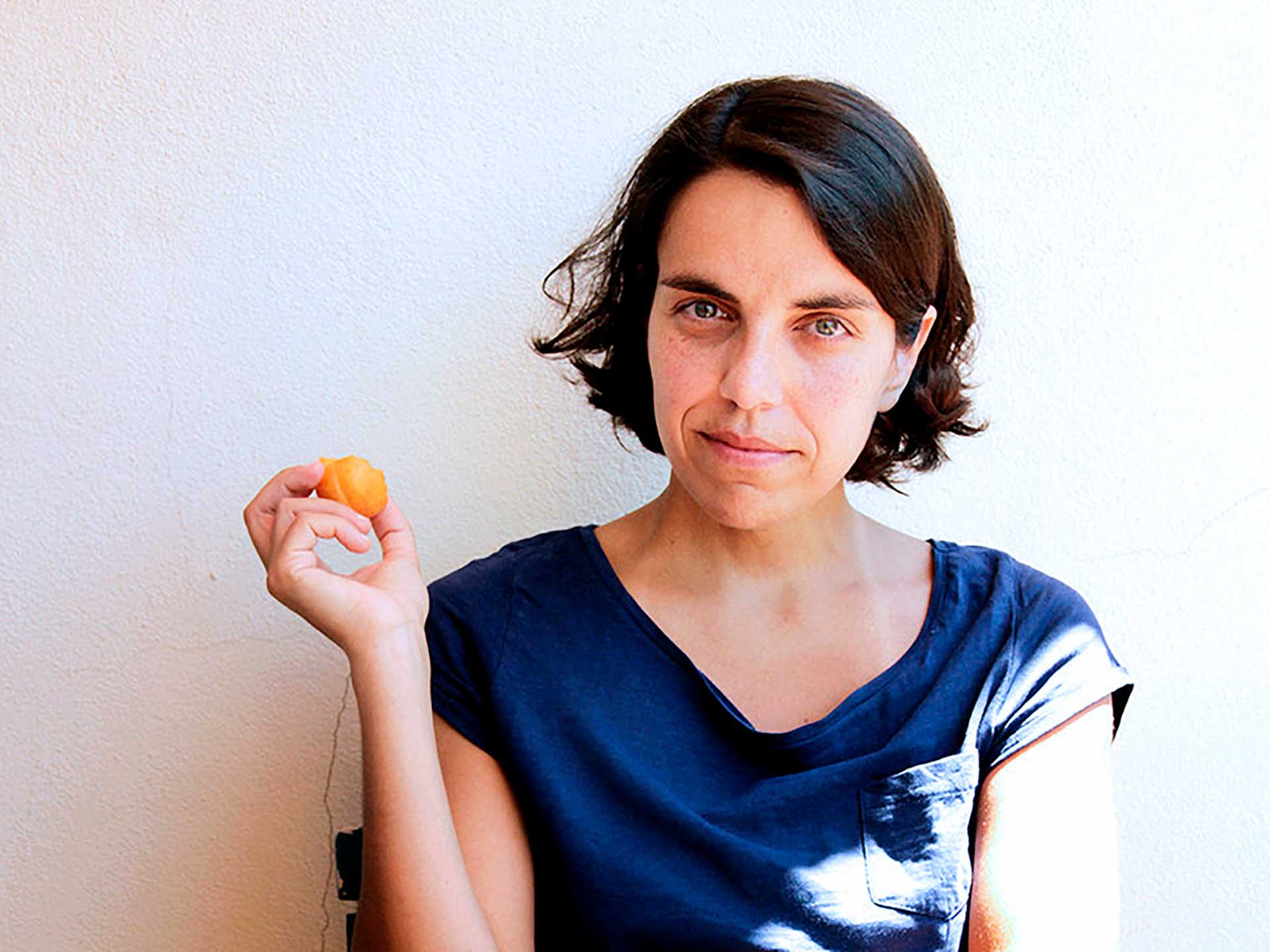
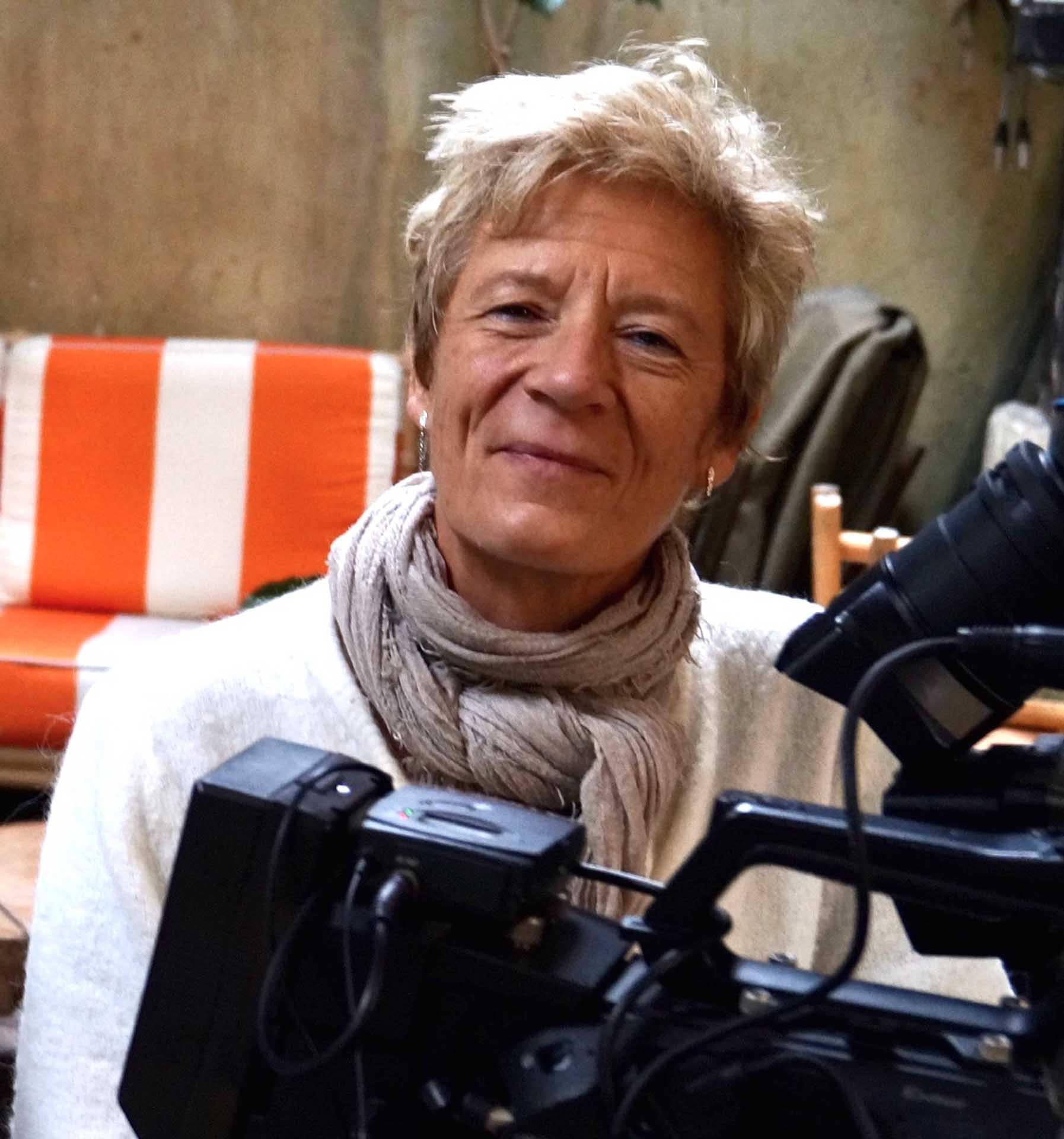
    Nicole Betancourt

    An Emmy Award-winning filmmaker celebrated for her ability to merge the personal and the political in emotionally impactful stories. Her debut documentary, Before You Go (HBO), about her father’s death from AIDS, garnered multiple awards, including an Emmy for Outstanding Individual Achievement in Documentary and a Golden Spire at the San Francisco International Film Festival. Betancourt has continued to work at the intersection of social issues and personal stories, producing and directing films such as 90 Miles (POV/PBS), Sing the Water Song, and shorts that highlight environmental and social justice issues. She is also the former Executive Director of MediaRights, a nonprofit organisation dedicated to media for social change, where she produced the award-winning Media That Matters Film Festival and the first online outreach toolkit for filmmakers. She is a Sustainability Leaders Network Fellow, a Kellogg Food and Community Fellow, and served on the Emmy awards jury, New York State Council of the Arts panel, and the New York Women in Film & Television board.

    Director: Nicole Betancourt

    Producer(s): Rose Kowalski

    Production: Horizontal Films Media, Nota Bene Productions

    Language: English, Spanish

    Subtitles: Polish, English
  • Rosinha and the Other Wild Animals

    Rosinha and the Other Wild Animals

    Rosinha and the Other Wild Animals

    reż. Marta Pessoa
    Portugal / 2023 / 101 min / polish premiere

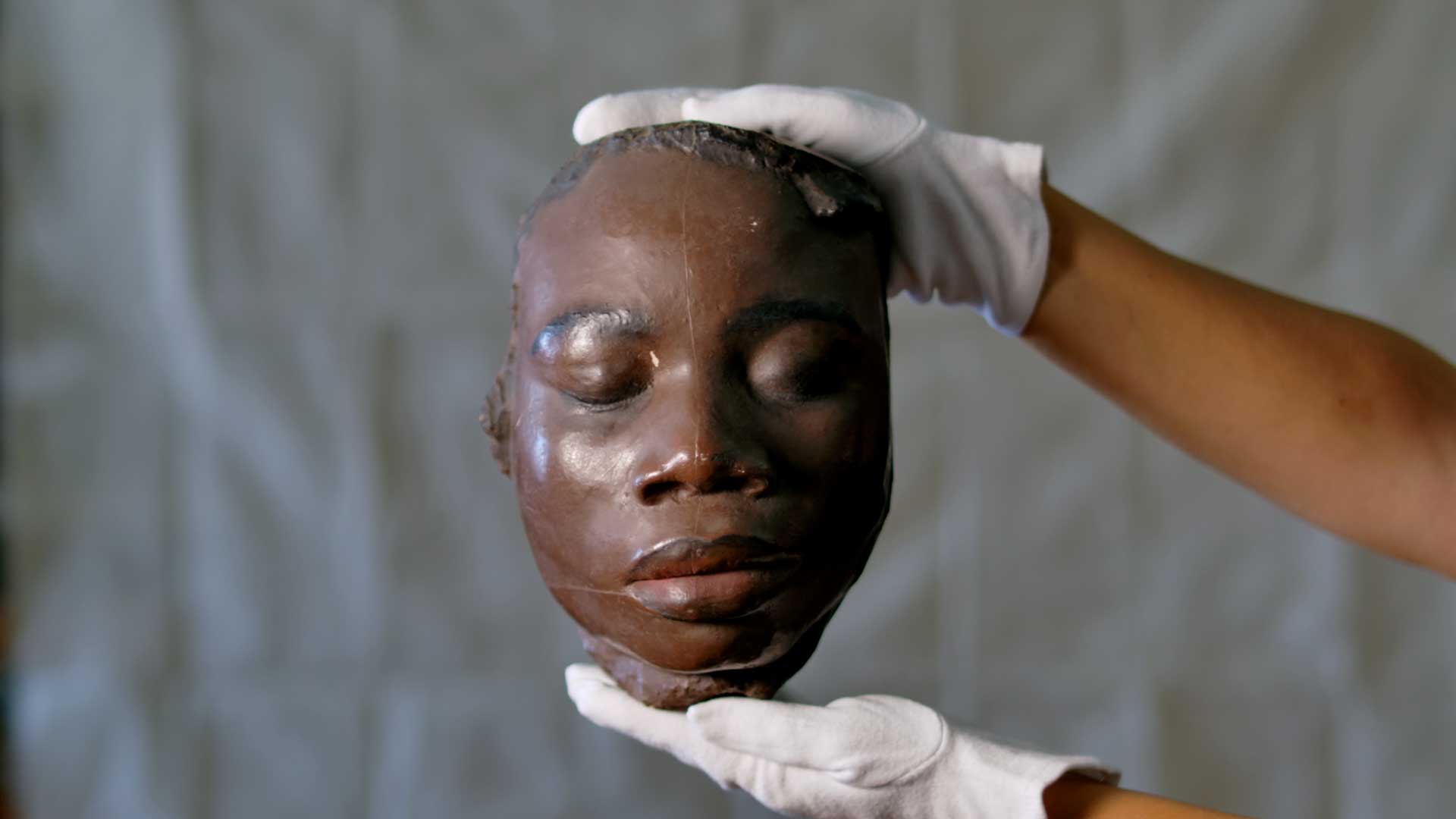
    “Portugal is not a racist country” — this film deconstructs that statement, tracing memories from the early 20th century and the life story of Rosinhia from Guinea. Piece by piece, it exposes the face of “soft racism,” restoring the protagonist’s voice, agency, and rightful place in history.

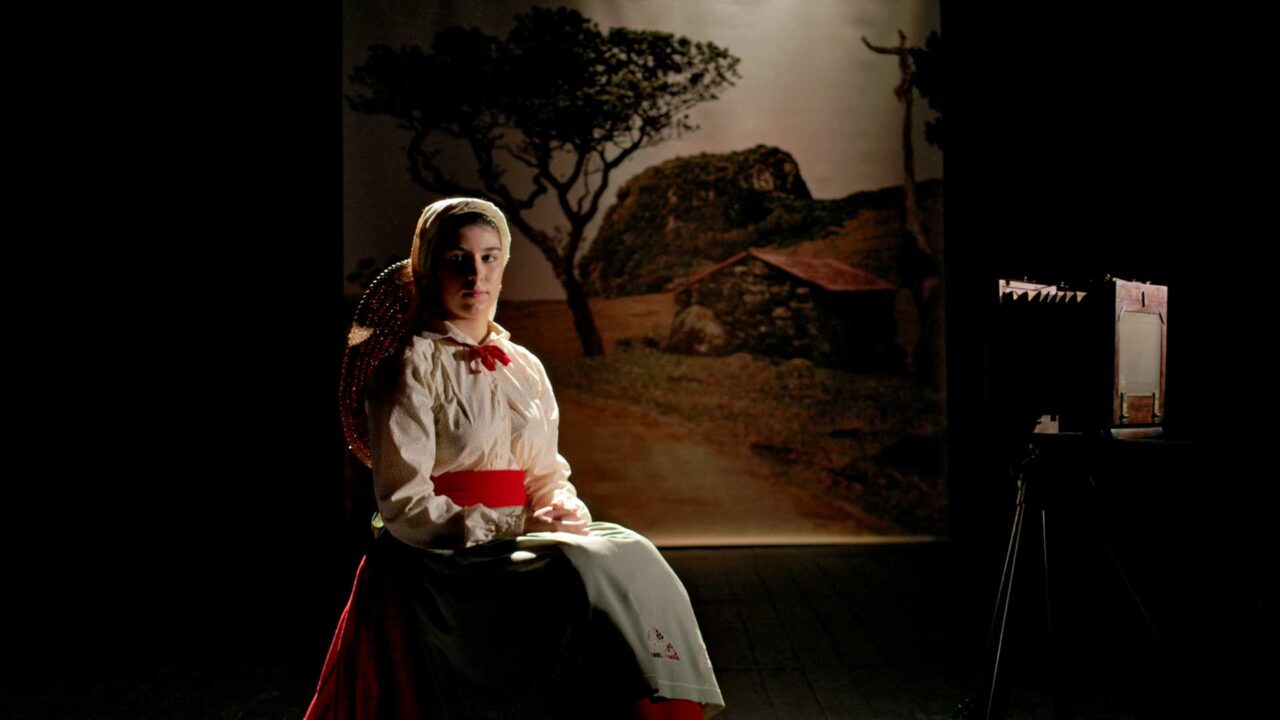
    Racism is not only a relic of the past—it is an active discourse, a way of seeing, and a history continuously being reproduced. The film’s titular Rosinha is an indigenous woman from Guinea who became a symbol of the First Portuguese Colonial Exhibition, organized by the Estado Novo. The film is a journey into the past to better understand the present.

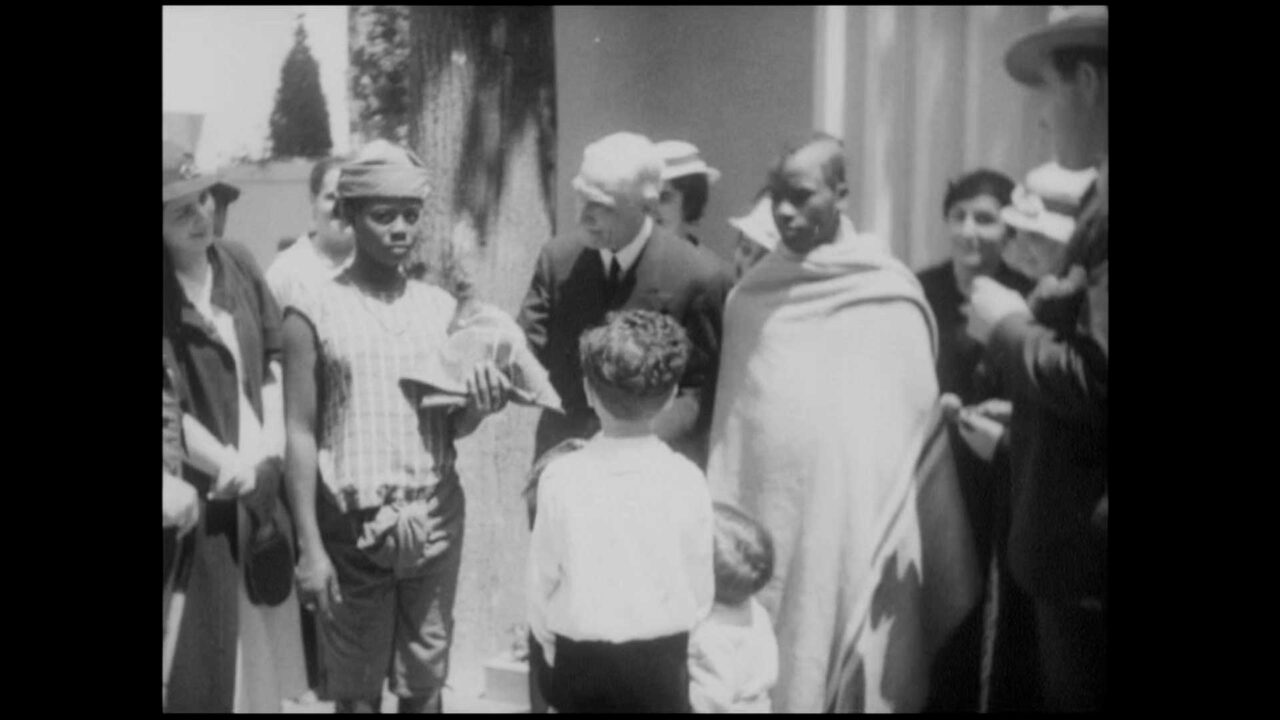
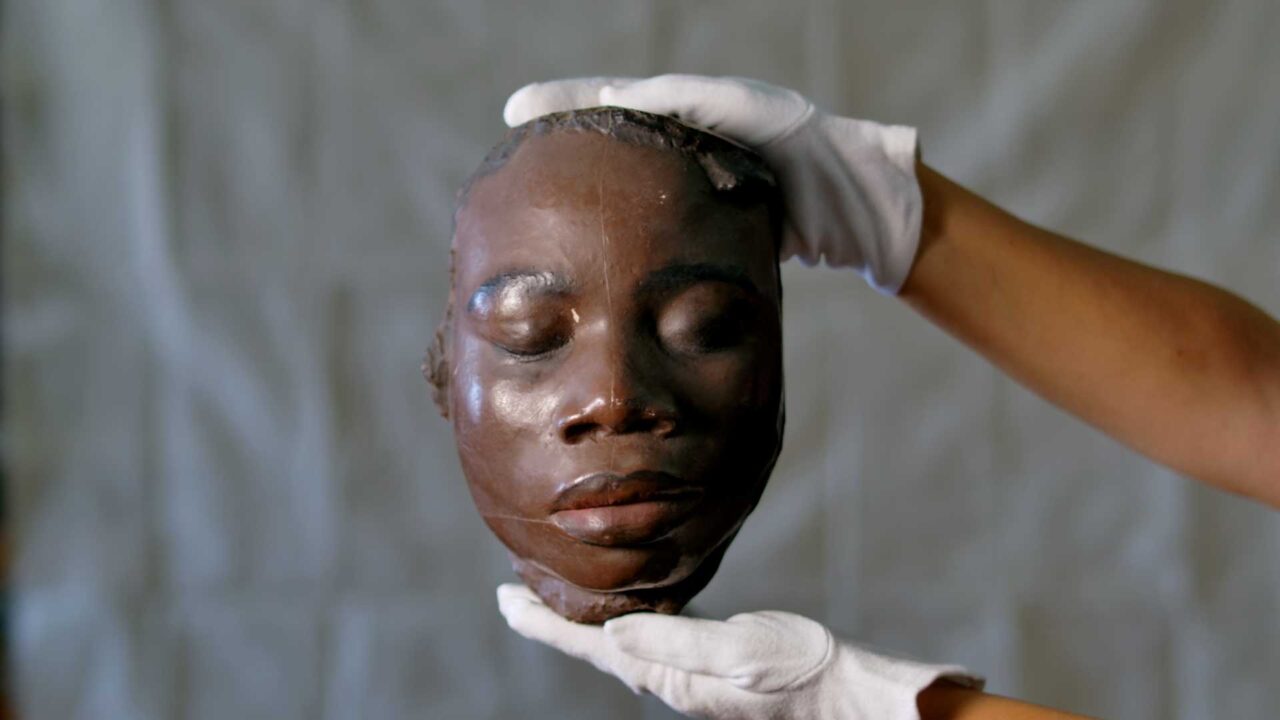
    In 1934, Porto hosted the First Portuguese Colonial Exhibition. Amidst the festive atmosphere, crowds of Portuguese left their homes not to plan life in the colonies, but to view indigenous people displayed in recreated “villages”, including, according to reports, “black women with bare breasts”. In this way, a young woman from Guinea, known as Rosinha, became the symbol of the exhibition.

    But who was Rosinha, really? Who were the historical Rosinhas that made people believe in the lesson of the Estado Novo—and perhaps explain why the belief that “Portugal is not a racist country” is still so easily accepted today? The film poses this question from the start, immediately reflecting: “does it even make sense to begin the film this way?”. Throughout the documentary, the history of fascist propaganda emerges like a dark mirror, difficult to face. Portugal is a country with an untold history, and this film is an attempt to break the silence.

    After the screening there will be a meeting with the film director Marta Pessoa.

    19.09.2025
    18:00
    Kinoteka

    Marta Pessoa

    She studied cinema at the ESTC. Has worked as Director of Photography since 1996. Among other films, directed Lisbon’s Under Arrest (2009), Warriors (2011), The Lurking Fear (2015), Damsel Warrior (2020),A Name for What I Am (2022) and Rosinha and the Other Wild Animals (2023). In 2013, she formed the production company Três Vinténs along with Rita Palma and João Pinto Nogueira.

    Director: Marta Pessoa

    Producer(s): Rita Palma, Marta Pessoa, João Pinto Nogueira

    Production: Três Vinténs

    Language: Portuguese

    Subtitles: Polish, English

  • Long Road To Director’s Chair

    Long Road To Director’s Chair

    Long Road To Director’s Chair

    reż. Vibeke Løkkeberg
    Norway / 2025 / 70 min / polish premiere

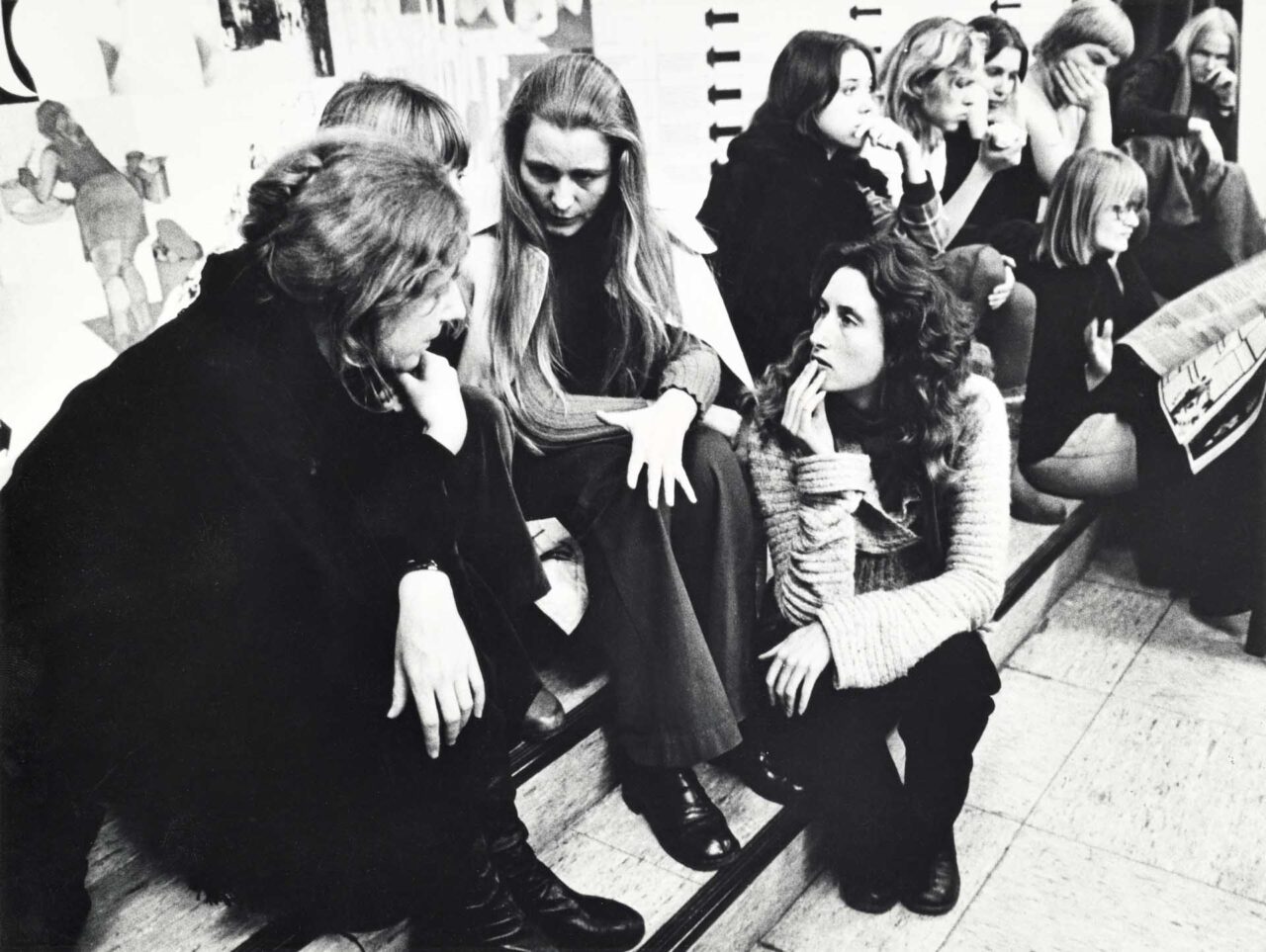
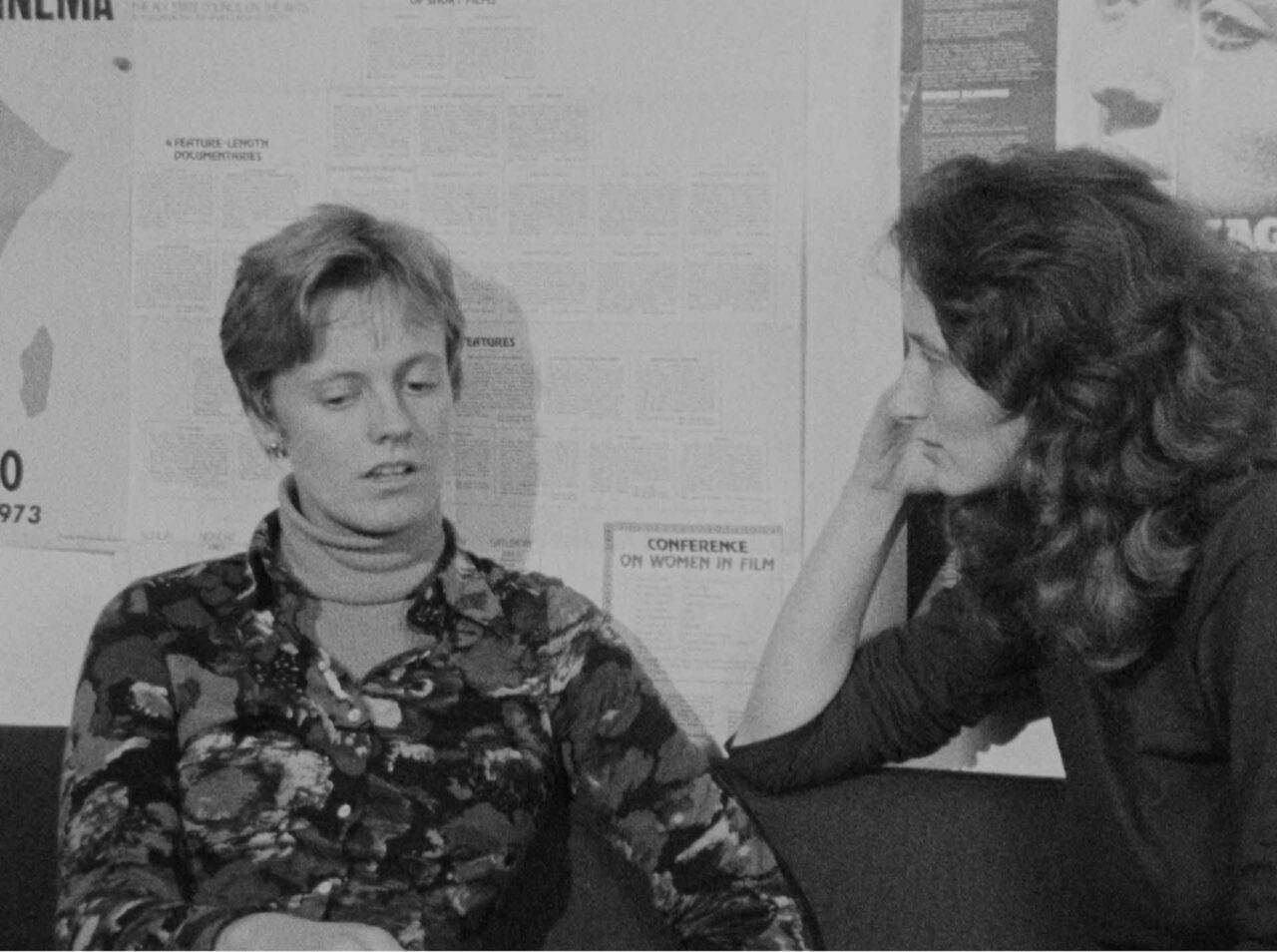
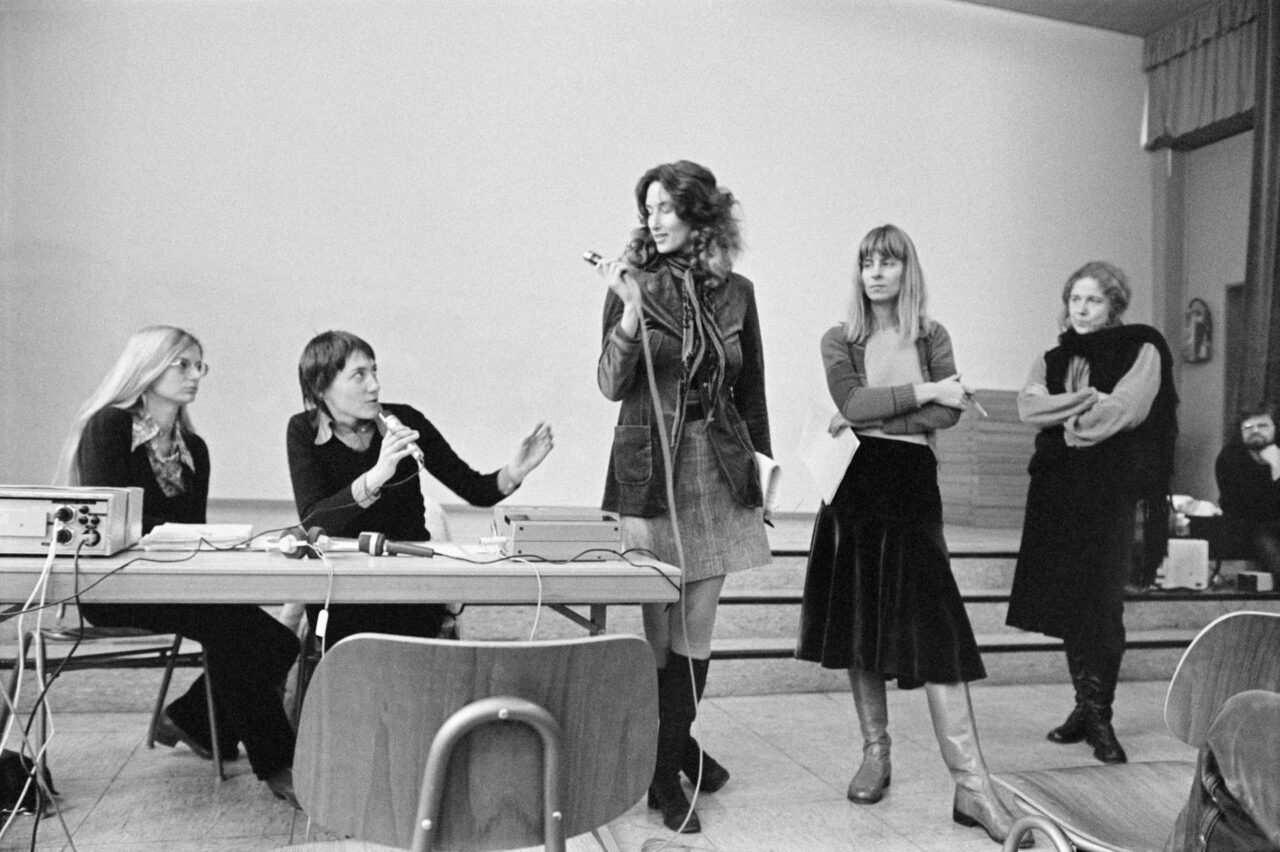
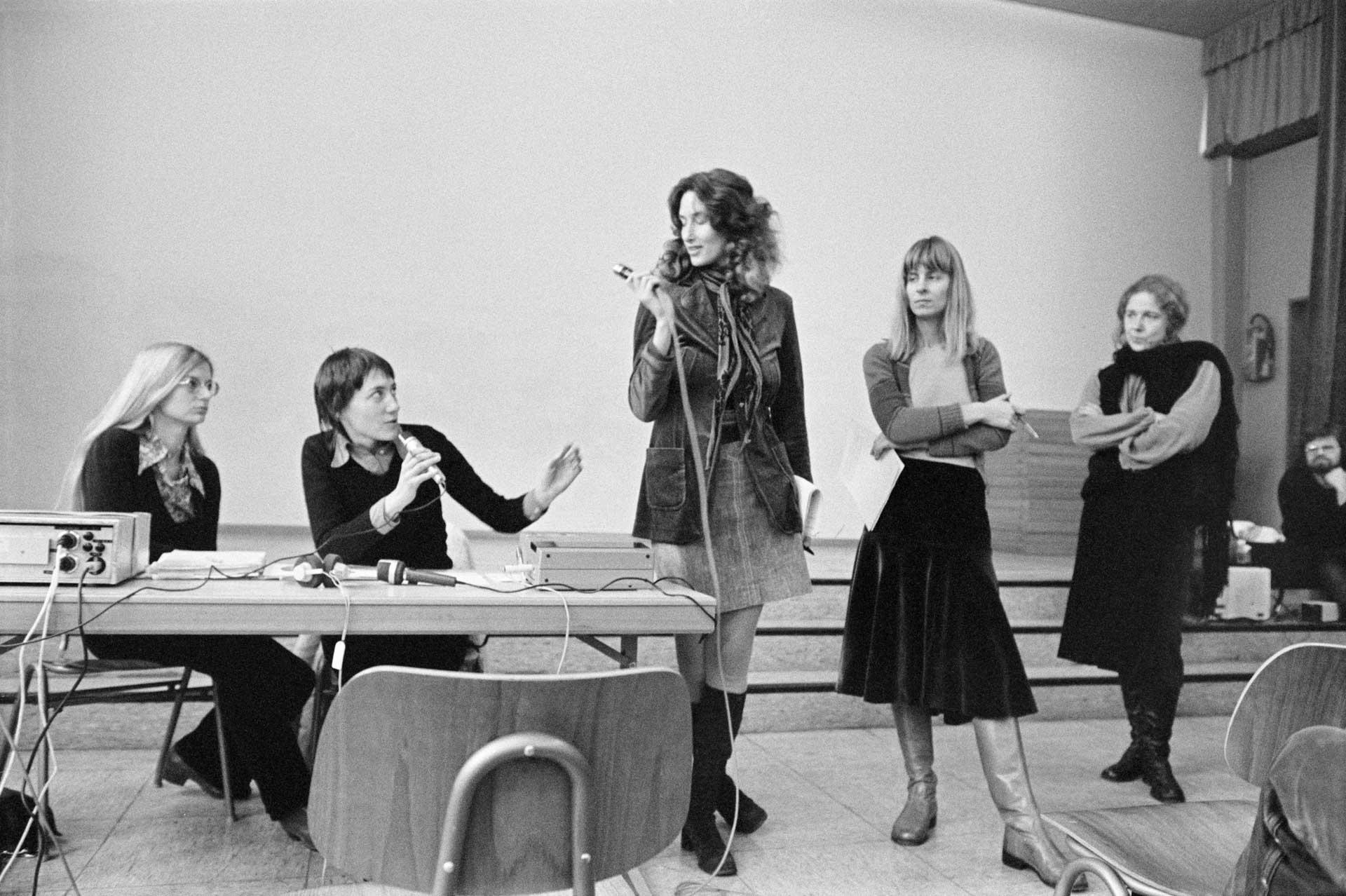
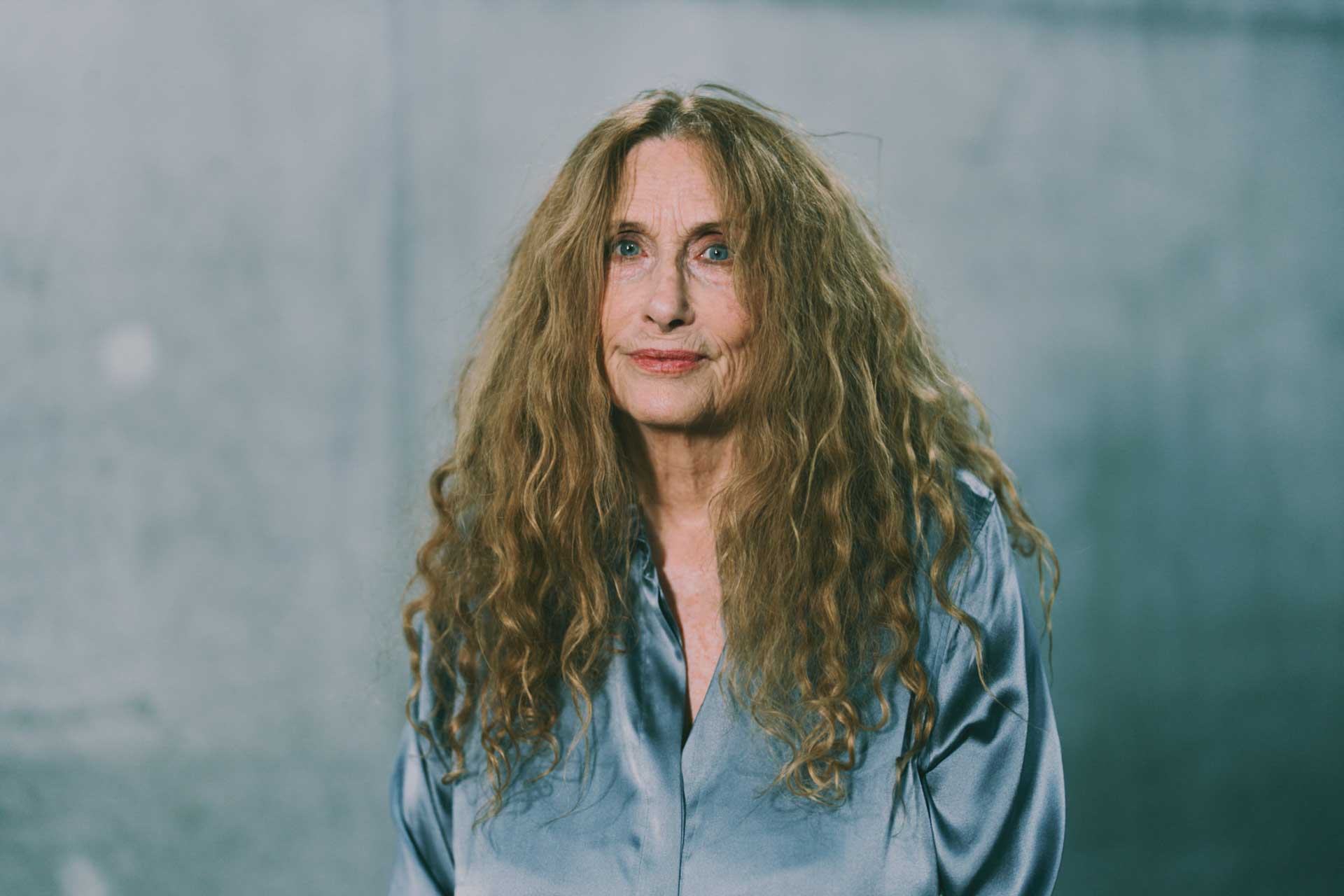
    “Women’s issues are fundamental questions that permeate everything”. Vibeke Løkkeberg’s documentary of the first International Women’s Film Seminar in 1973 retains its political urgency, offering a timeless reflection on gender equality—and its absence—and on representation.

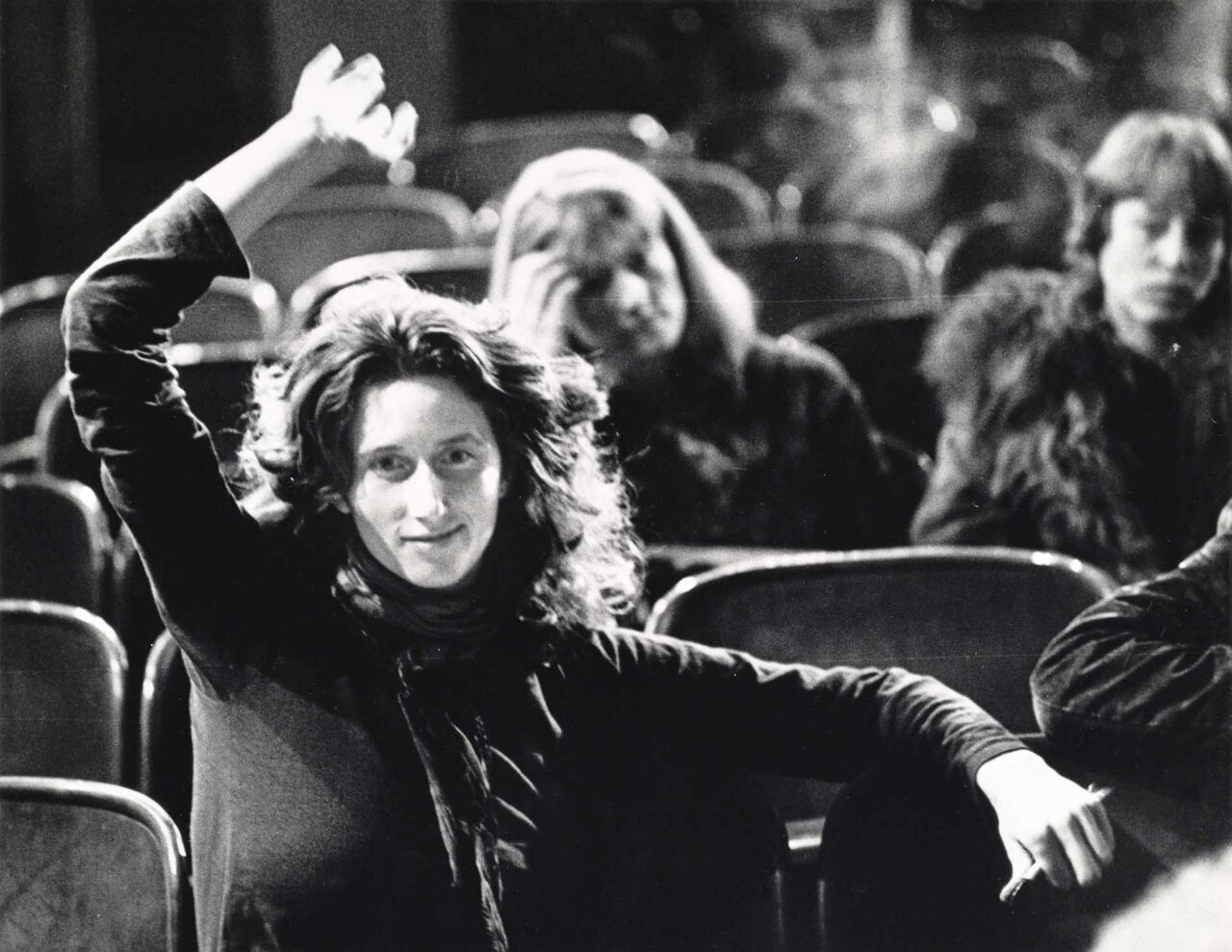
    When Vibeke Løkkeberg arrived in Berlin for the first International Women’s Film Seminar, she brought along a camera—determined to capture the voices of her fellow women filmmakers and, whenever possible, the debates themselves. The result is a vivid record of ambition, courage, and the persistent struggle for equality.

    The delegates spoke with striking candor. “If we know what we want, that alone is seen as aggression,” one participant observed of 1973. The risk of sexual exploitation was taken for granted. Women needed “a skin three times thicker” and were still expected to “remain feminine” lest they be dismissed as “too masculine”. Archival footage shows that professionalism, resilience, and ambition bound these women together. You have to be very active and determined, to insist on your point of view and fight for your rights”, said one German news editor. “To create is to have power”, added another. “And power is necessary in order to speak and to write”.

    The film captures a moment in history, yet its resonance is remarkably contemporary. As 80-year-old Løkkeberg reflects today (she was 28 when she filmed the seminar), those colorful figures from 1973 could step into 2025—and still find the glass ceiling firmly in place.

    After the screening there will be a meeting with the film director Vibeke Løkkeberg and the film editor Mina Nybakke.

    17.09.2025
    18:00
    Kinoteka

    Vibeke Løkkeberg

    Born 1945 in Bergen (Norway), Vibeke Lokkeberg is one of Norway’s most prolific filmmakers, authors and cultural icons. Married to producer Terje Kristiansen and mother to Tonje (born 1975) and Marie (born 1982), Lokkeberg created a unique concept of blending her personal life with her filmmaking, often working with her family. Known for groundbreaking and often controversial films such as Loperjenten (The Story of Camilla) and Hud (Skin), the director brings her uncompromising vision and storytelling prowess to this project. Lokkeberg is also a prolific novelist, with works including Leoparden (1989); Jordens skygge (1994); Purpur (2002); Brev til himmelen (2004); Allierte (2008); and Frokost på stupet (2018). In 2005, she was appointed Cavalieri by the Italian President and in 2015, Lokkeberg was the recipient of the Honorary Amanda Award for her contribution to Norwegian cinema.

    Director: Vibeke Løkkeberg

    Producer(s): Anders Tangen, Terje Kristiansen (1973)

    Production: The Norway Film Development

    Language: English

    Subtitles: Polish, English
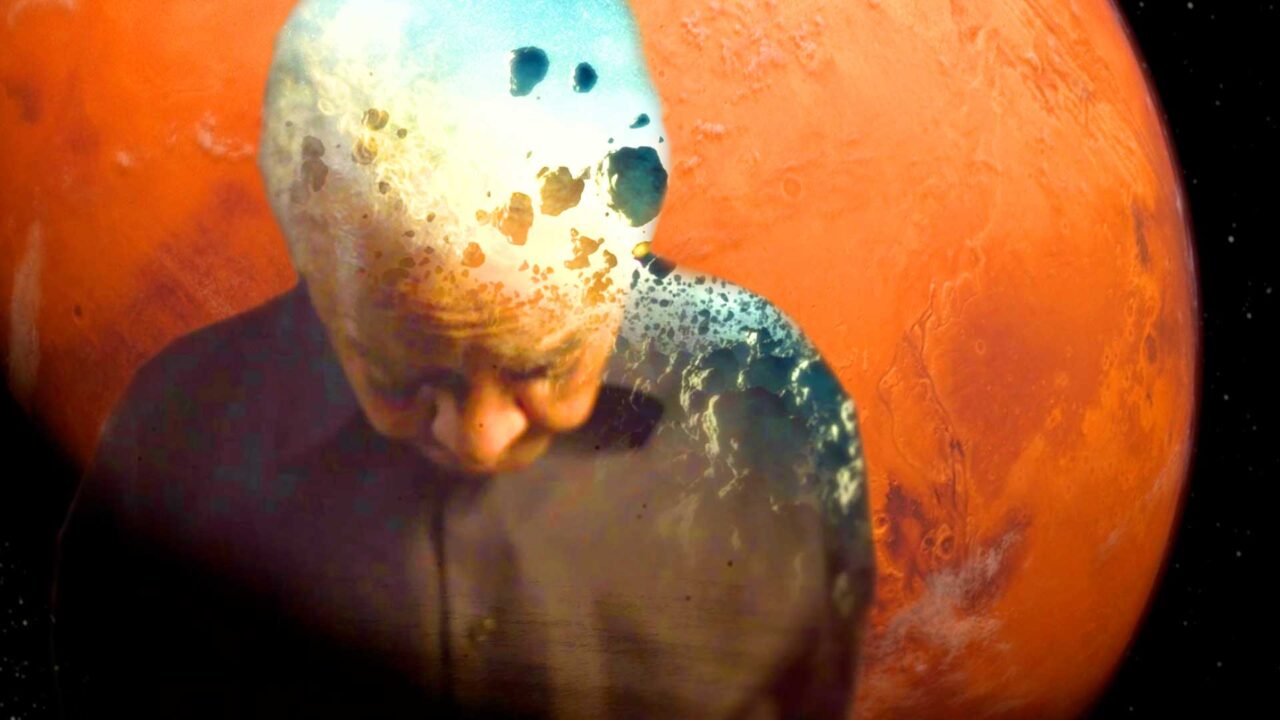
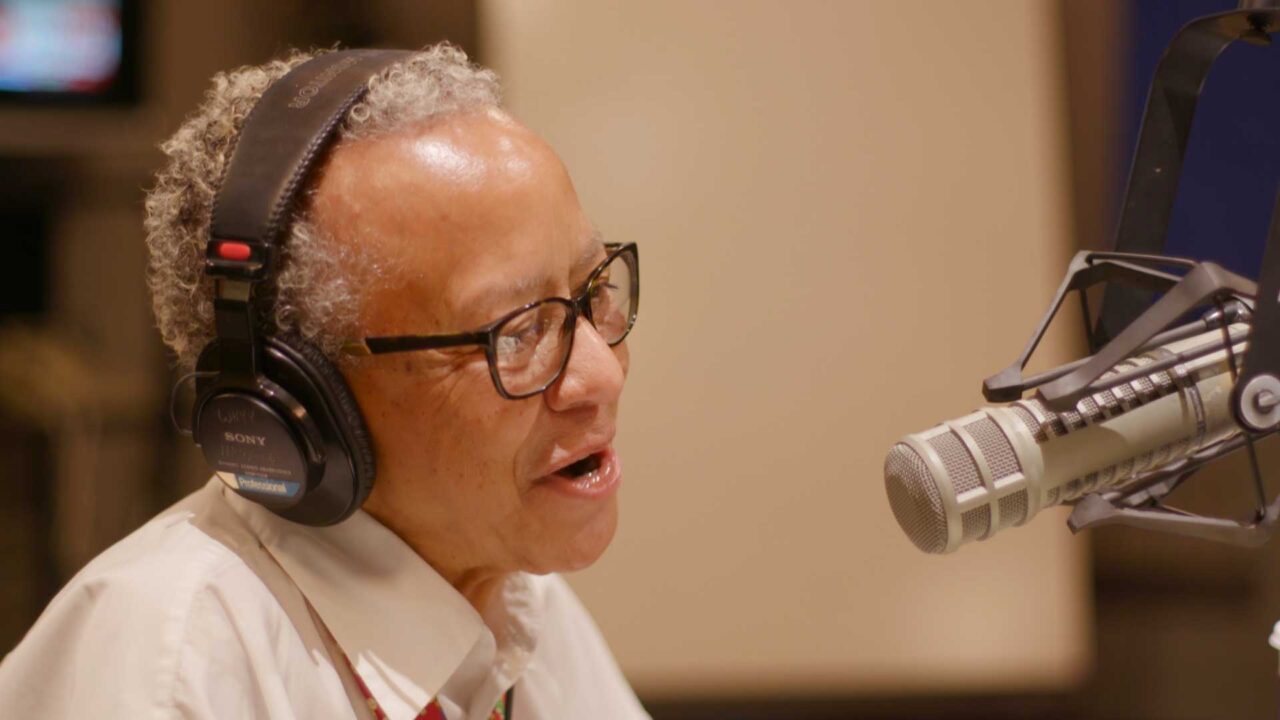
  • Going to Mars: The Nikki Giovanni Project

    Going to Mars: The Nikki Giovanni Project

    Going to Mars: The Nikki Giovanni Project

    reż. Michèle Stephenson & Joe Brewster
    USA / 2023 / 102 min / polish premiere

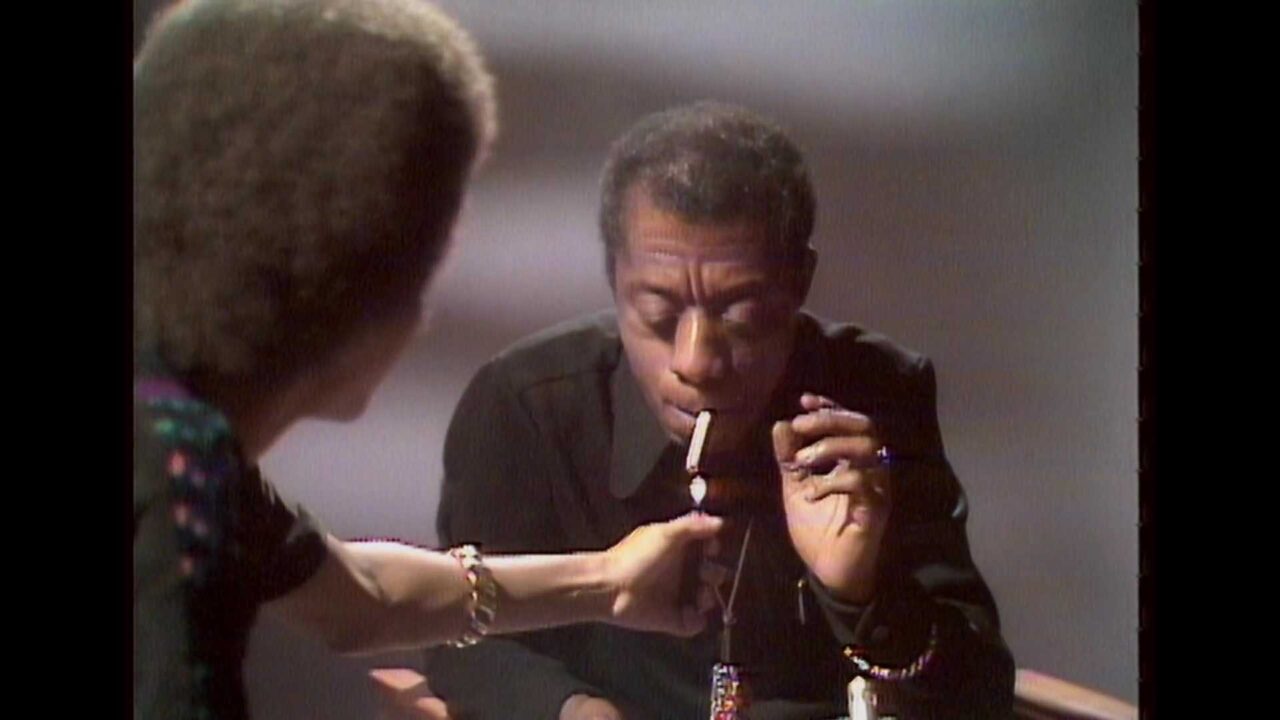
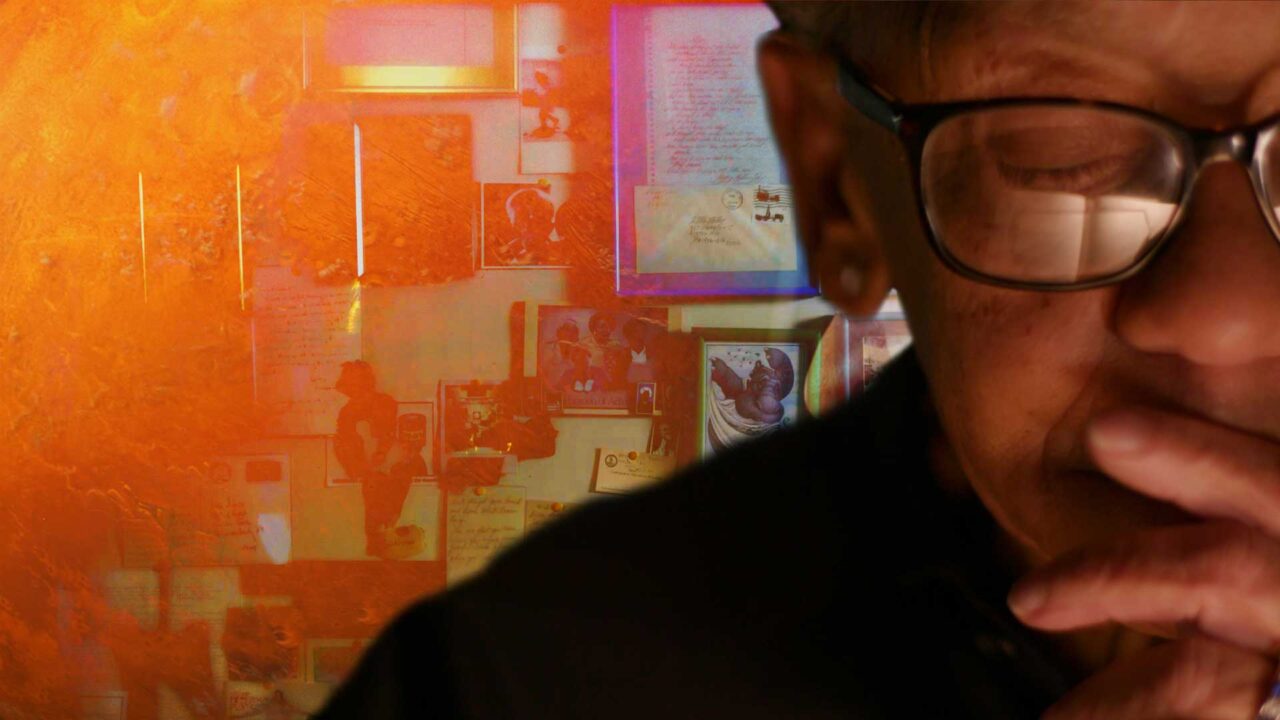
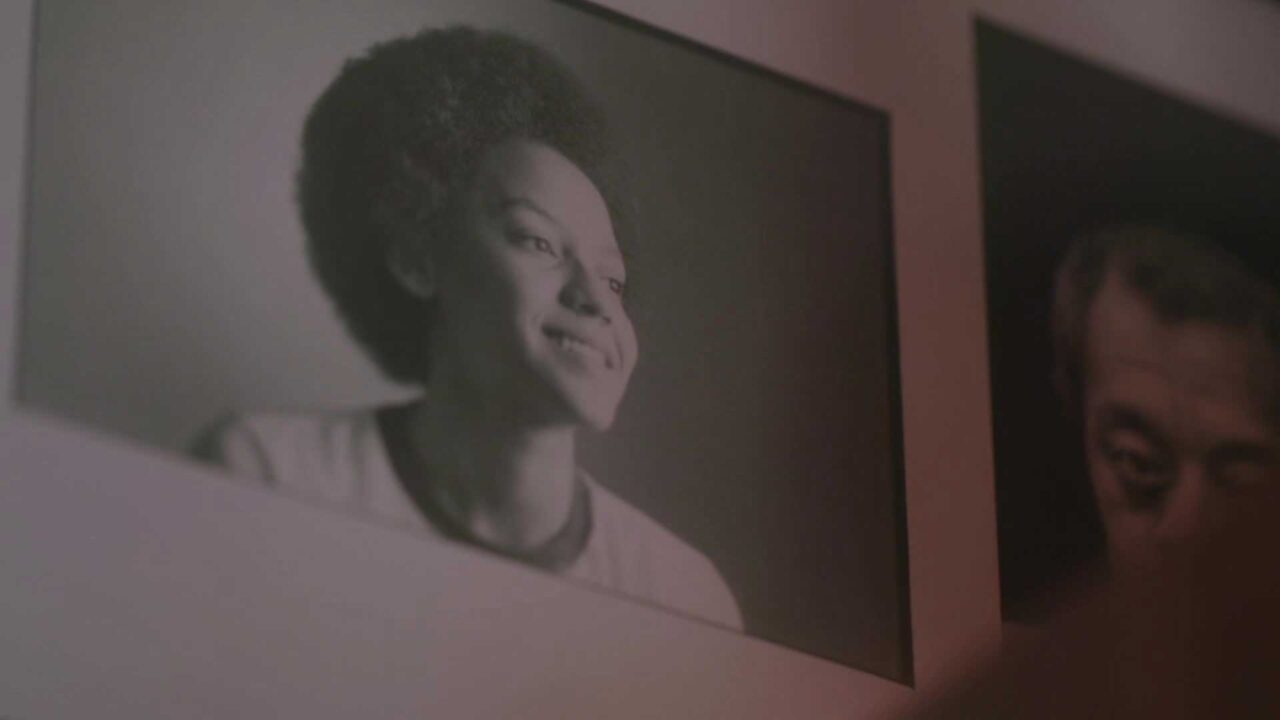
    Intimate images, archival material, and innovative interpretations of Nikki Giovanni’s poetry come together in a film that transcends the traditional biography. A journey through time and space reveals the enduring impact of one of America’s most outstanding living artists and social commentators.

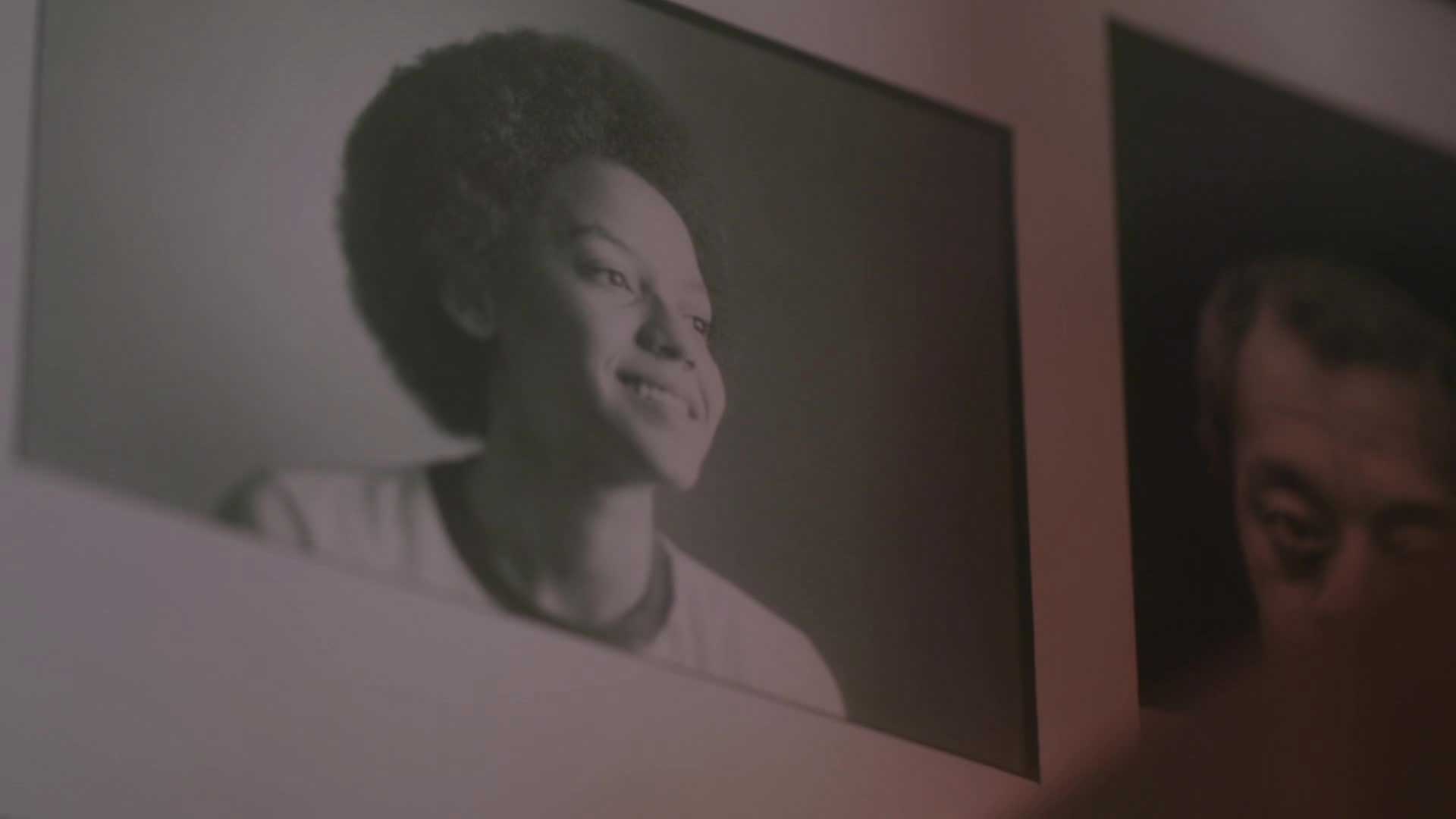
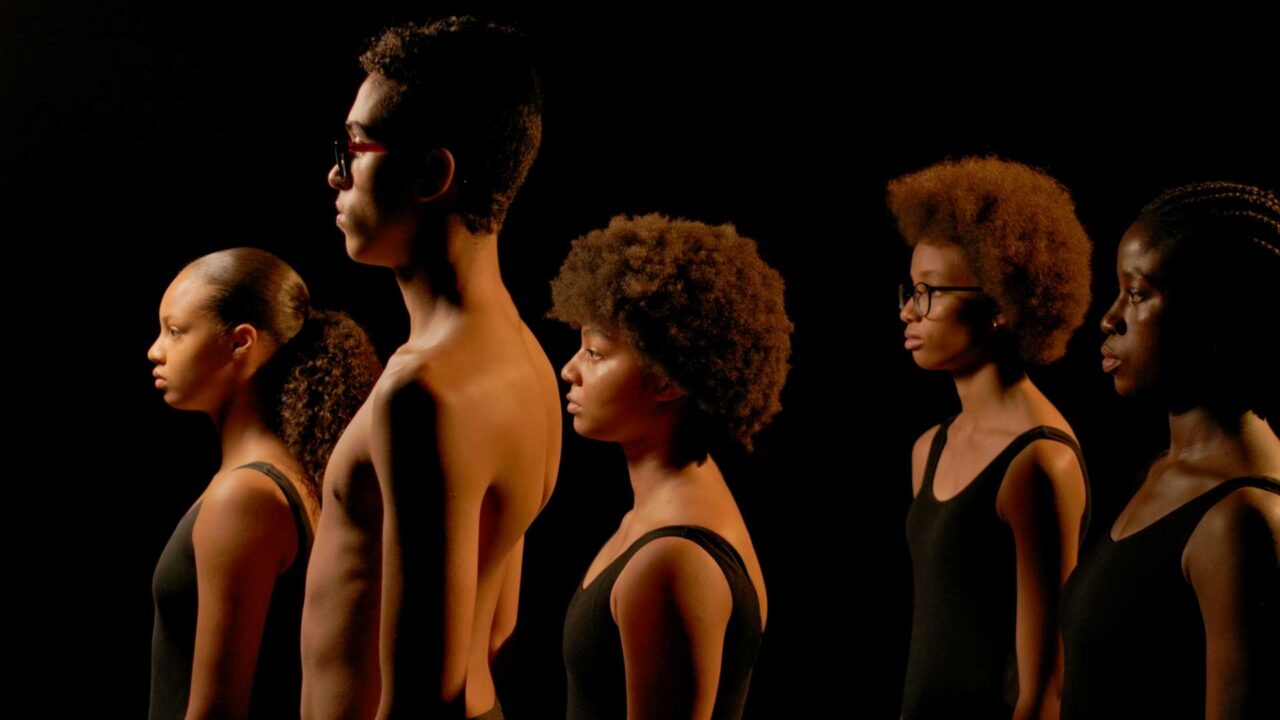
    Winner of the Grand Jury Prize in the documentary competition at the Sundance Film Festival. This captivating documentary portrait follows poet and activist Nikki Giovanni as she approaches her 80th birthday. The film explores her Afrofuturist-feminist philosophy of life, her moving relationship with family, political courage, and poetic eloquence, all woven together with exceptional sensitivity to rhythm, aesthetics, and her unique voice.

    Reflecting on her own life and a history marked by the shadow of American racism, while also looking toward a future full of hope and possibility, Giovanni becomes both guide and narrator. Filmmakers Joe Brewster and Michèle Stephenson forego a traditional chronological structure and standard interviews in favor of a fresh, poetic approach. Going to Mars is driven by relentless intellectual engagement and radical imagination, seeking emotional and political fulfillment in a world of exclusion.

    21.09.2025
    20:30
    Kinoteka

    Michèle Stephenson

    An Emmy Award-winning filmmaker, artist, and author who draws on her Haitian and Panamanian roots to reimagine non-fiction storytelling through the lens of the African diaspora. Her work, showcased at Sundance, Tribeca, and internationally, includes Going To Mars: The Nikki Giovanni Project (Sundance Grand Jury Prize, Emmy Award) and Black Girls Play (Tribeca Best Short Doc, Edward R. Murrow Award). Previous films include American Promise (Sundance Jury Prize, three Emmy nominations) and Stateless (Canadian Screen Award nomination). A Guggenheim and Creative Capital Fellow, she is also a member of the Academy of Motion Picture Arts and Sciences.

    Joe Brewster

    An Emmy Award-winning filmmaker and Harvard-trained psychiatrist whose work explores pressing social issues through film and immersive media. His documentary American Promise won the Sundance Jury Prize and earned three Emmy nominations, while Going To Mars: The Nikki Giovanni Project (2023 Sundance Grand Jury Prize) was Oscar-shortlisted and won an Emmy for Outstanding Documentary. He also co-directed Black Girls Play (Oscar-shortlisted, Tribeca Best Short Doc) and the VR project The Changing Same (Tribeca Grand Jury Prize). Brewster is a Guggenheim Fellow and a member of the Academy of Motion Picture Arts and Sciences.

    Director: Michèle Stephenson & Joe Brewster

    Producer(s): Michèle Stephenson, Joe Brewster, Tommy Oliver

    Language: English

    Subtitles: Polish, English
  • Ways to Traverse a Territory

    Ways to Traverse a Territory

    Ways to Traverse a Territory

    reż. Gabriela Domínguez Ruvalcaba
    Mexico / 2024 / 73 min / polish premiere

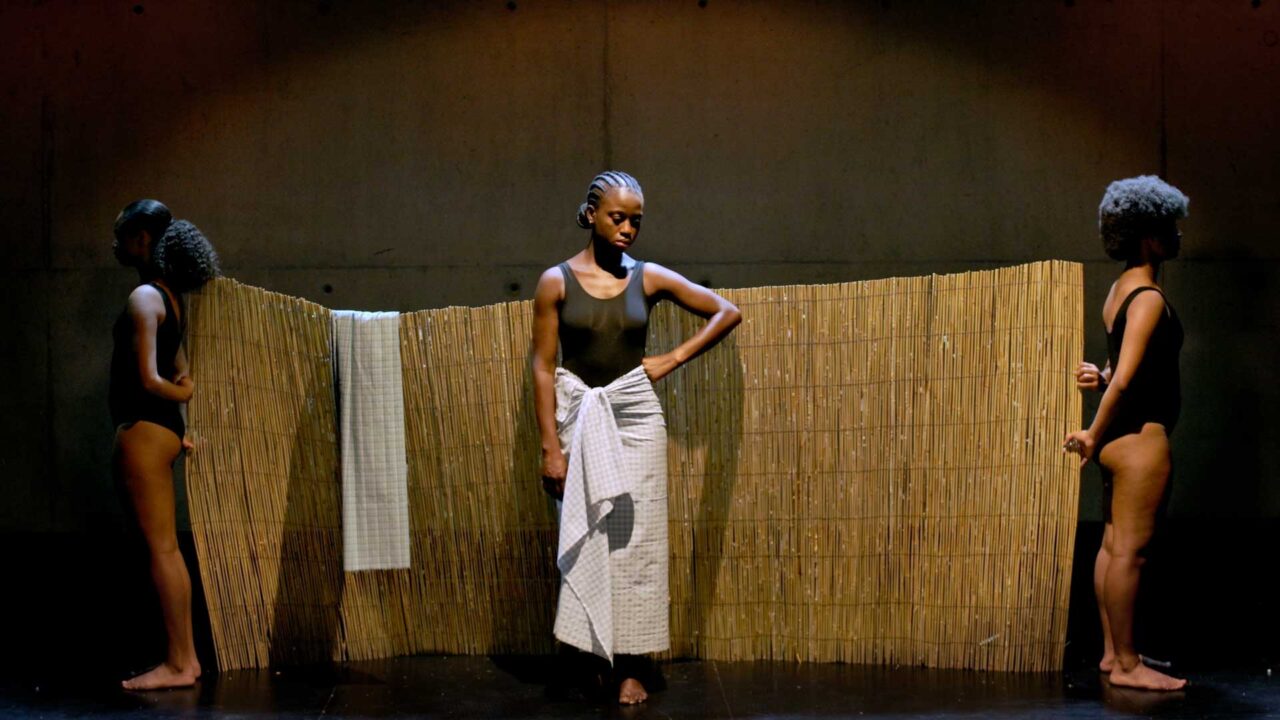
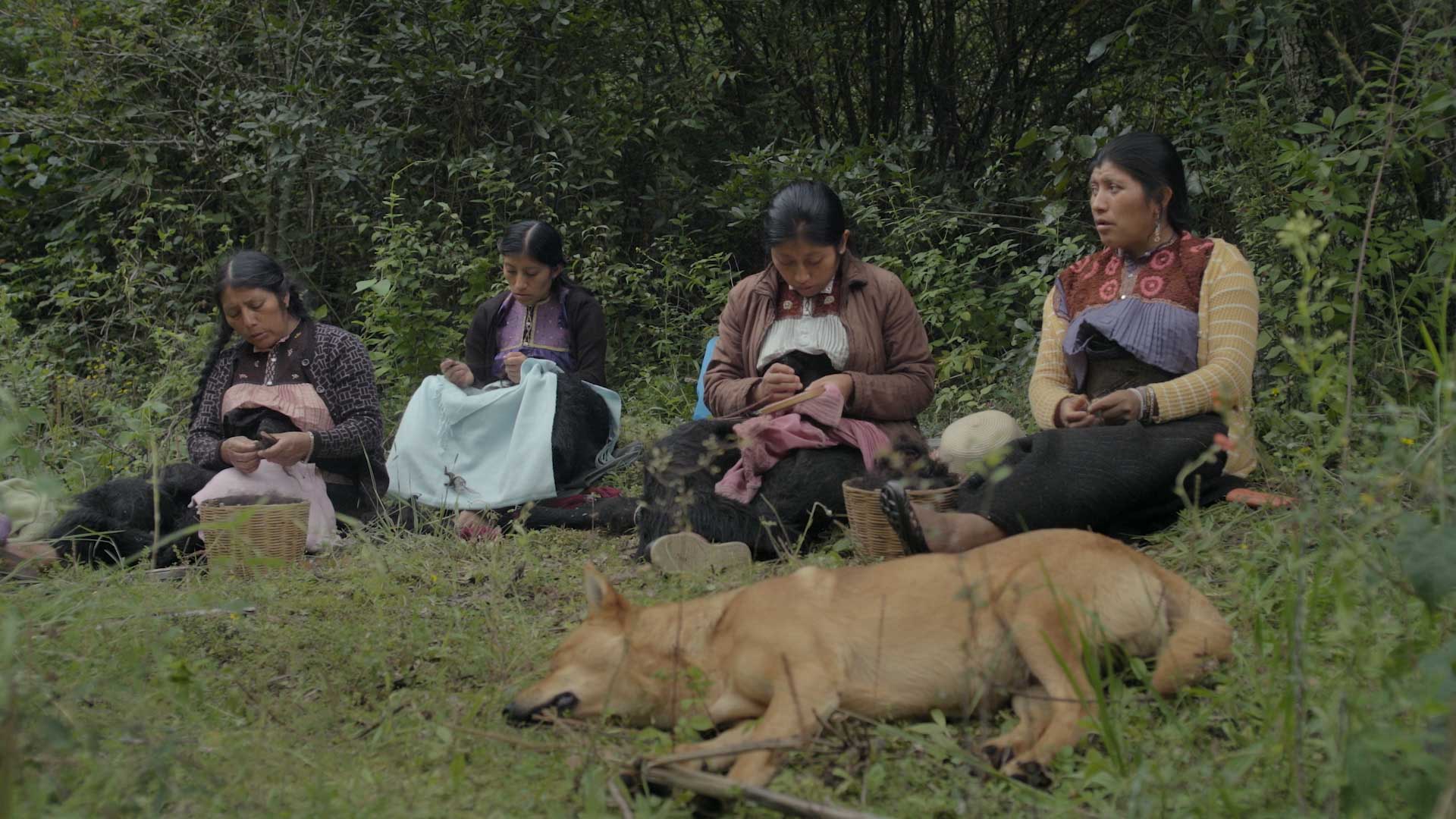
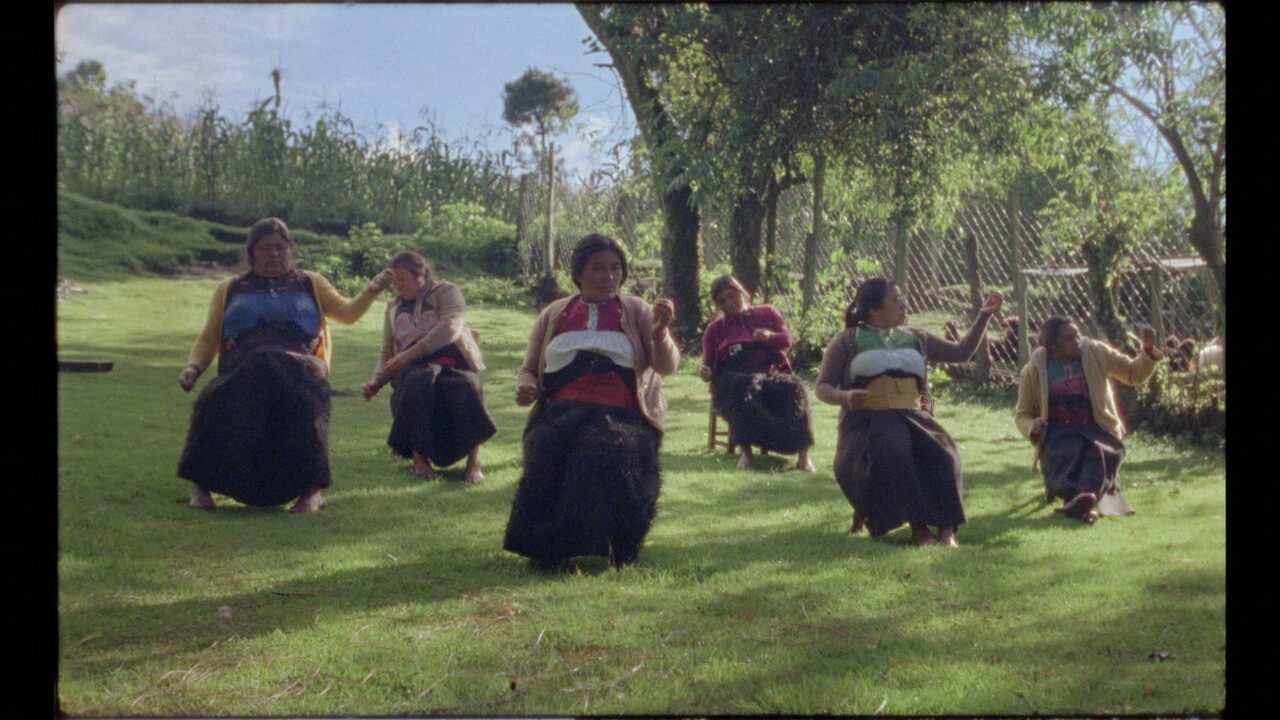
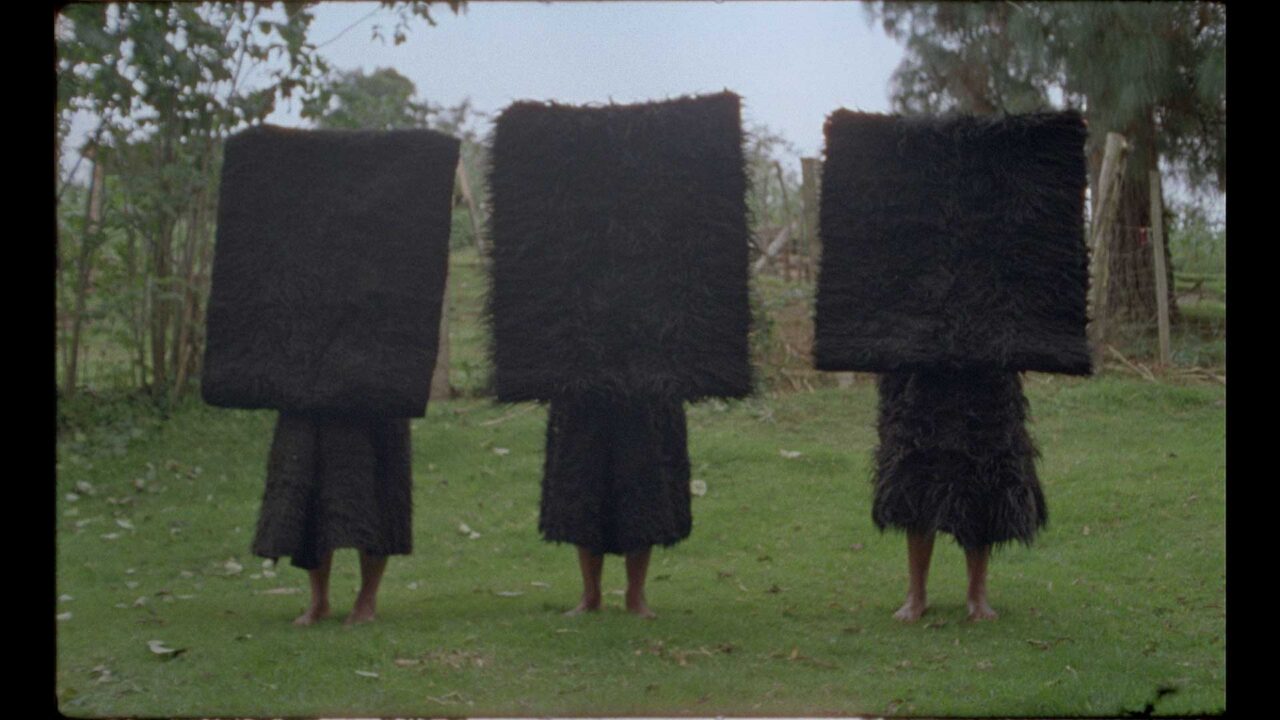
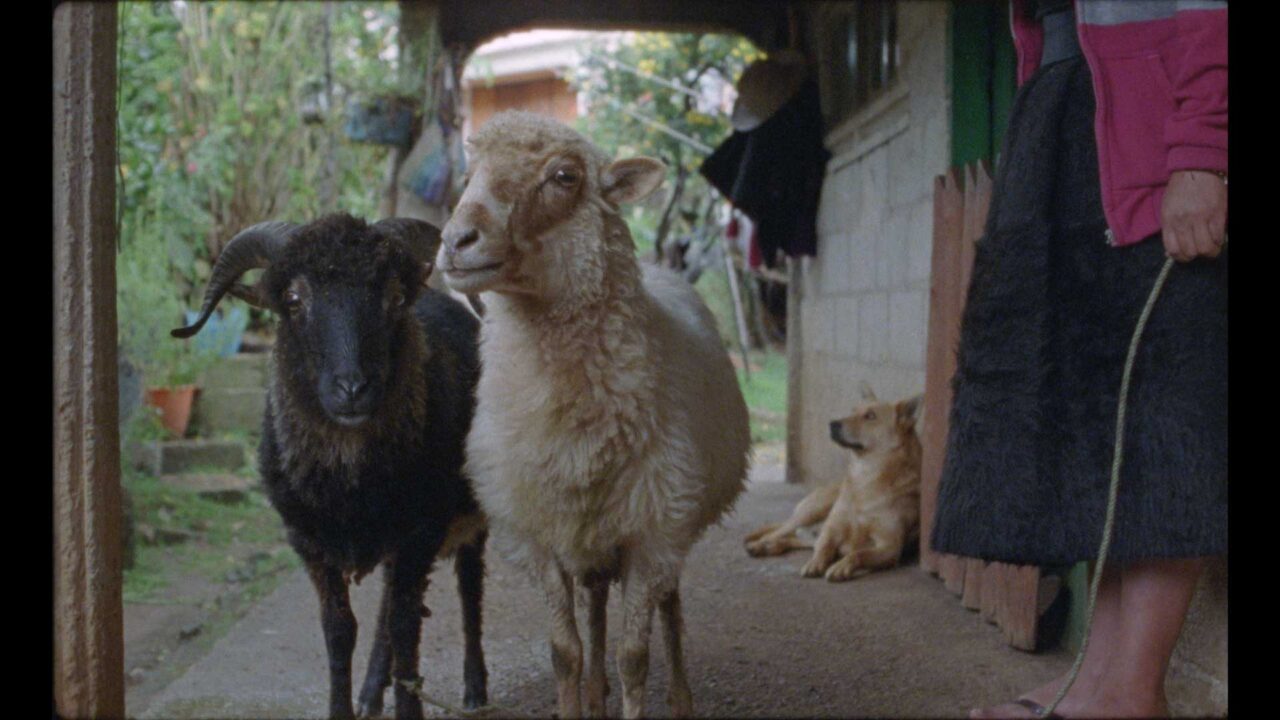
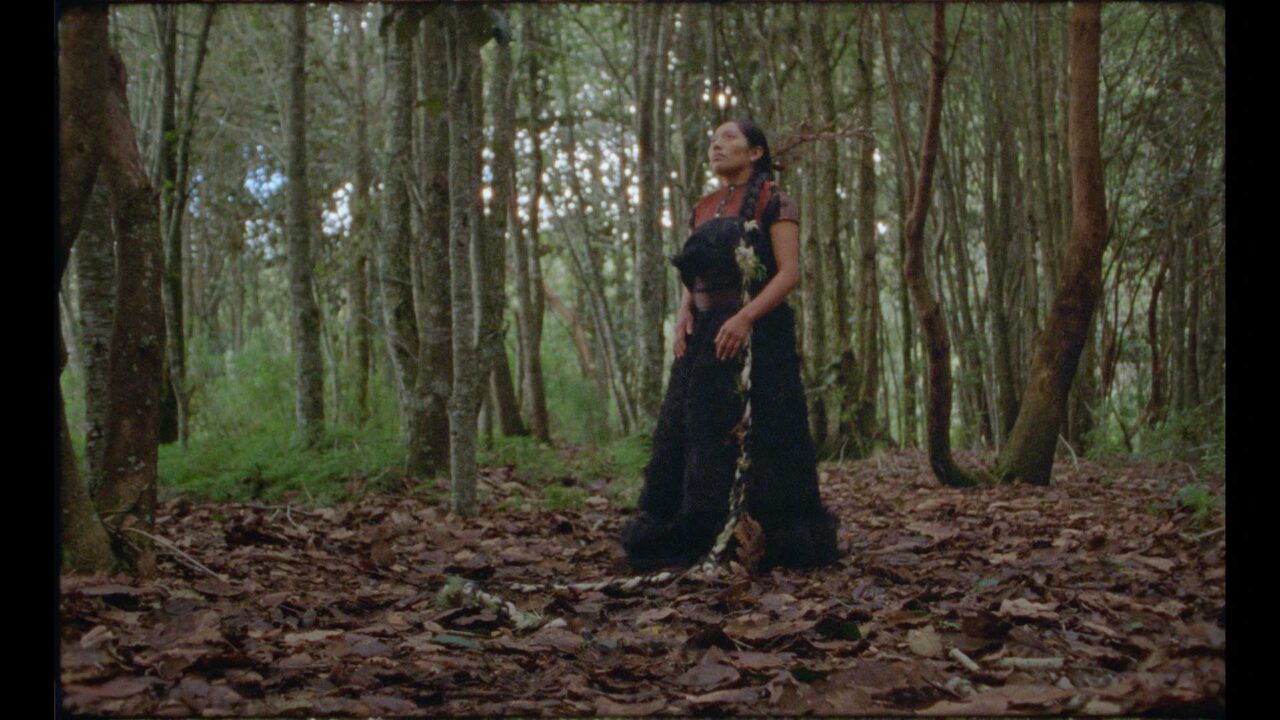
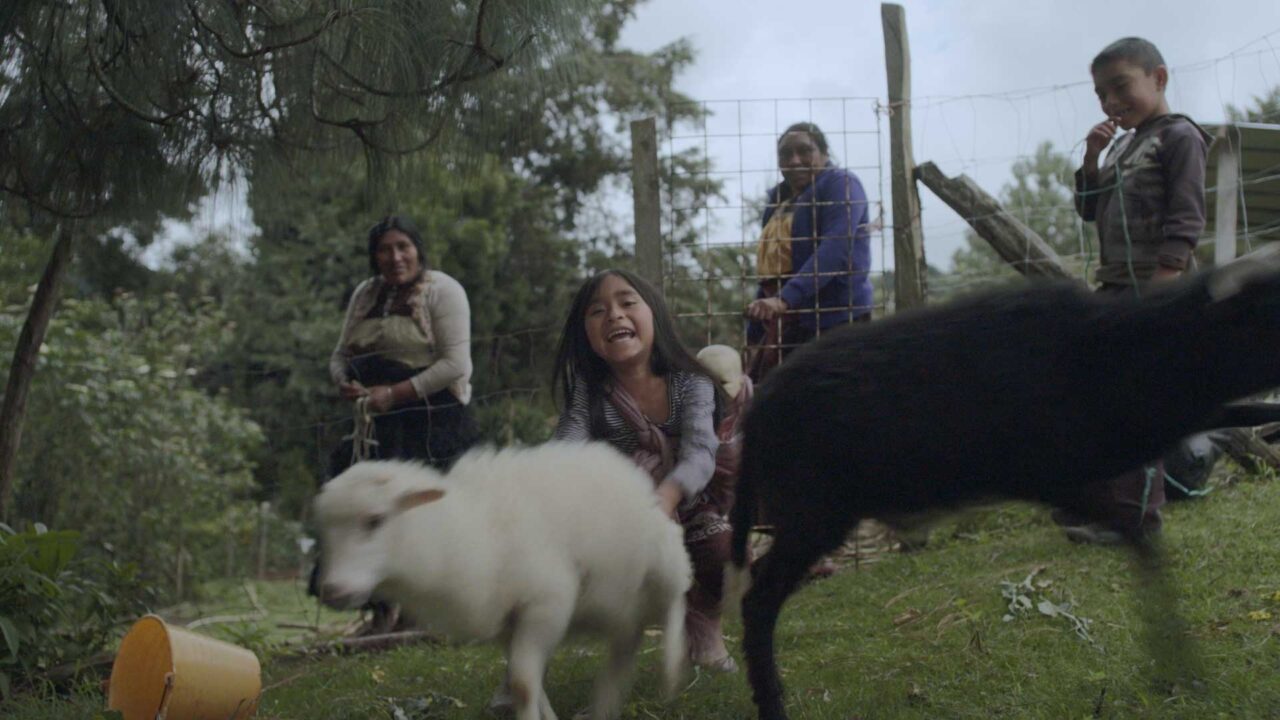
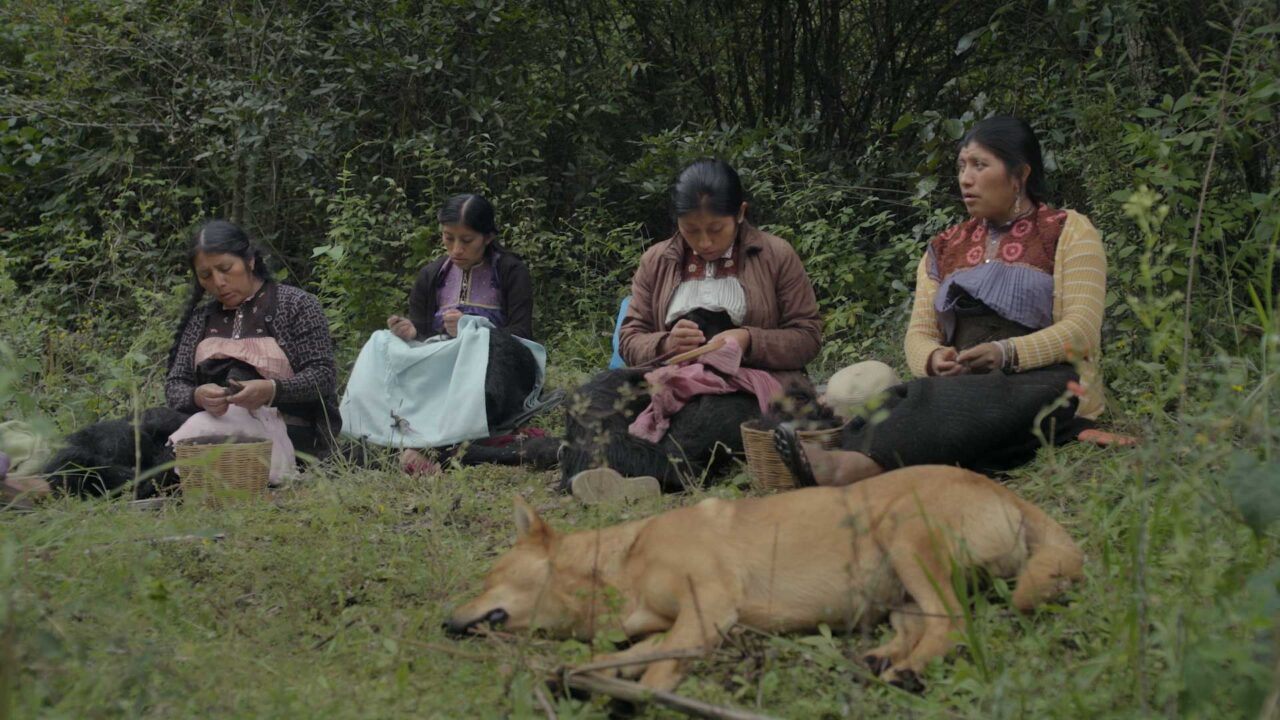
    The film immerses the audience in the mountainous landscape of Chiapas—humid, vibrant, and full of textures and sounds. Sheep, wool, braided hair, and the colors of traditional garments create a choreography of life at the foot of the mountain, where Tsotsil women teach how to honor the land and preserve the memory of their territory.

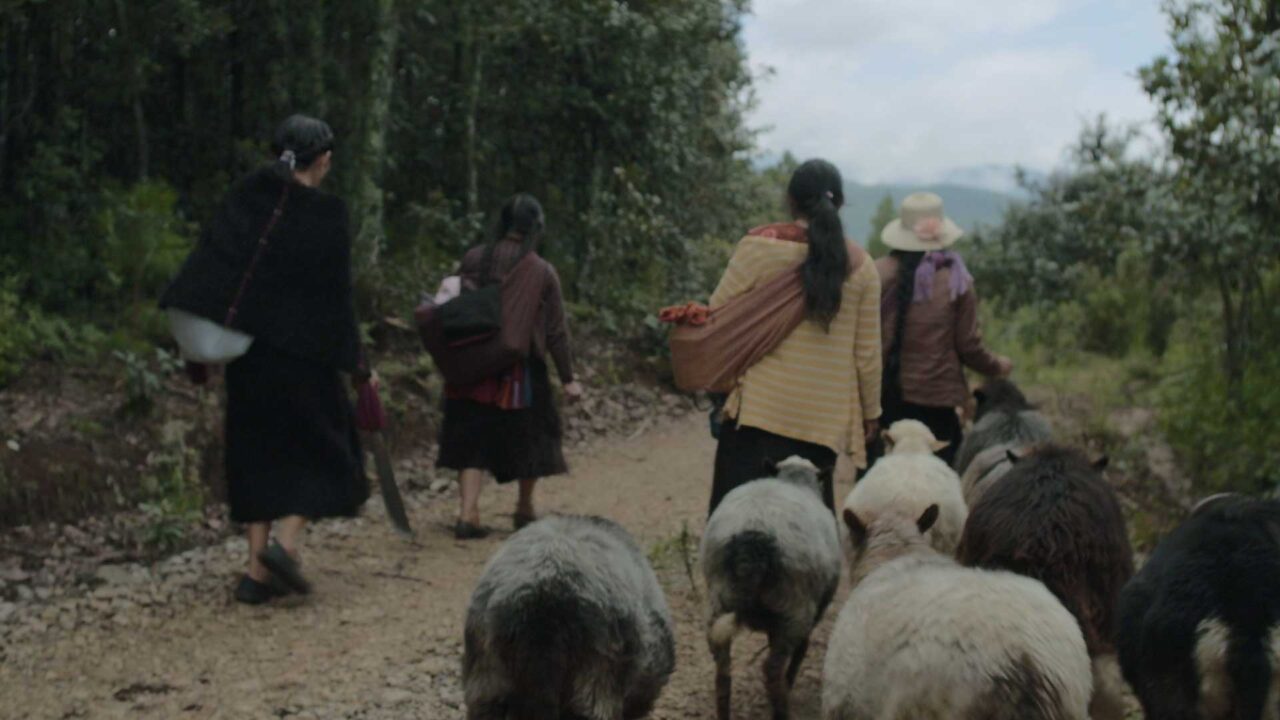
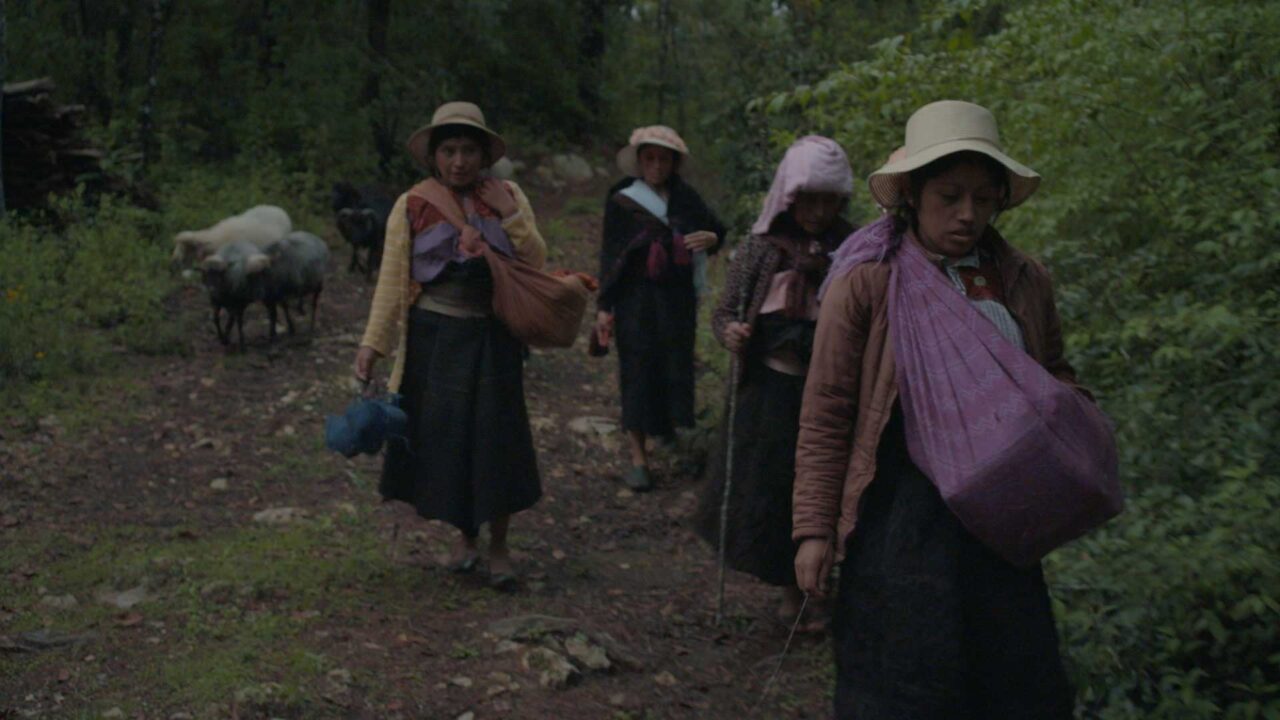
    In Chiapas, two worlds intertwine across generations of women in a single family. Tsotsil women—shepherds and wool weavers—tend their flocks, honoring the memory of the land and their cultural identity.

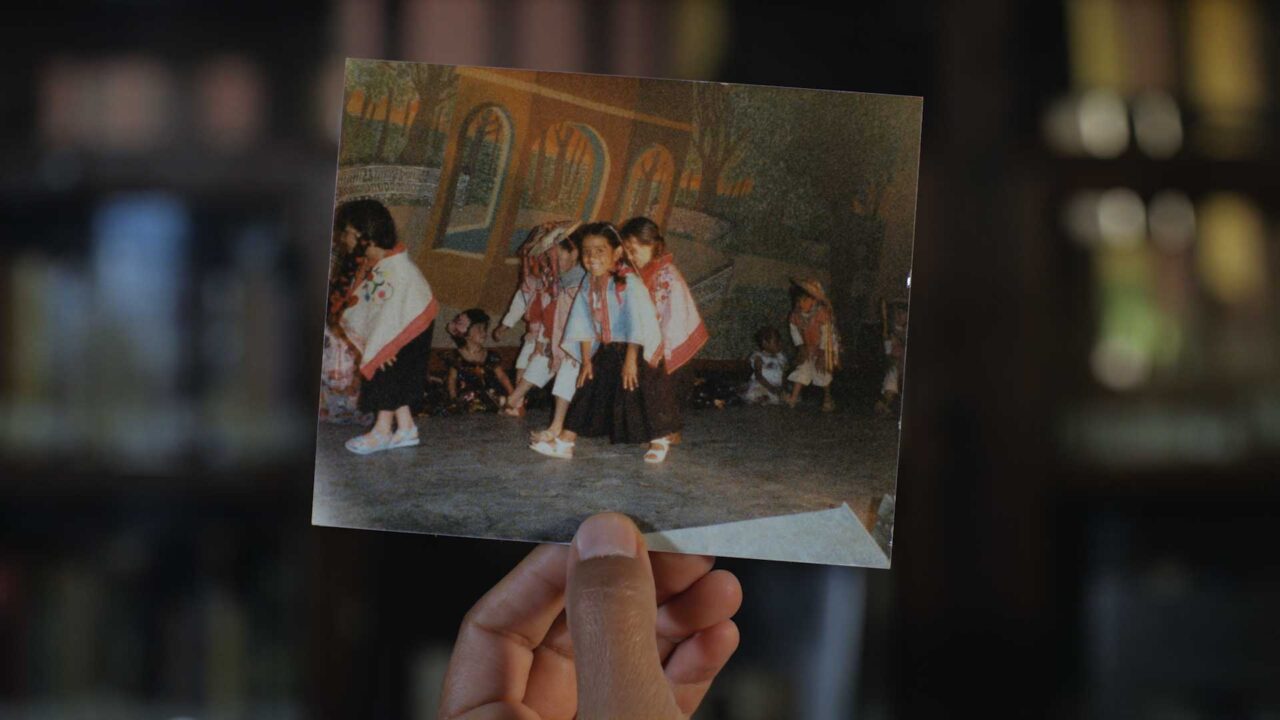
    In Ways of Traversing Territory, the director journeys to the moss-covered mountains just outside the city, following Doña Sebastiana and her daughters as they care for their sheep, a practice that connects them to the earth and preserves ancestral knowledge. Revisiting childhood photographs that reveal her own bond with the land, the director weaves an essayistic exploration of what it means to inhabit a place in constant transformation.

    Through staged scenes, archival materials, and intimate conversations, the film examines the inseparable ties between people, place, and nature. Political and environmental changes ripple across this landscape, and the women’s practices become gestures of care, memory, and belonging. Ways of Traversing Territory is a tender, immersive meditation on identity, landscape, and the passage of time.

    19.09.2025
    20:45
    Kinoteka

    Gabriela Domínguez Ruvalcaba

    A Mexican filmmaker. Her artistic practice explores documentary and experimental forms of storytelling that arise from her interest in themes where memory and time becomes present and the sense of territory and ecology. Her practice is also nourished by interdisciplinary experiences between dance and film. Her work has been showcased in film festivals like LOCARNO, IDFA, Festival Internacional del Nuevo Cine- Latinoamericano de la Habana, Cartagena Film Festival, Morelia Film Festival, FICUNAM. She has been recognized by the National System of Art Creators in México.(2020-2023). She directed La danza del hipocampo and Ways to traverse a territory. Gabriela is an alumni of the Berlinale Talents as well as the DocStation, Flaherty Seminar Fellow and Talents Guadalajara. Her documentaries has been participated in documentary Labs and Pitching such as Conecta Chile, Rough Cut Lab Montevideo, Plataforma IB DOCSMX, SANFIC Industry, FIDBA WIP.

    Director: Gabriela Domínguez Ruvalcaba

    Producer(s): Pía Quintana Enciso

    Production: Bosque Negro & Estudio Errante

    Language: Spanish, Tsotsil

    Subtitles: Polish, English

  • Mambar Pierrette

    Mambar Pierrette

    Mambar Pierrette

    reż. Rosine Mbakam
    Belgium / 2023 / 93 min / polish premiere

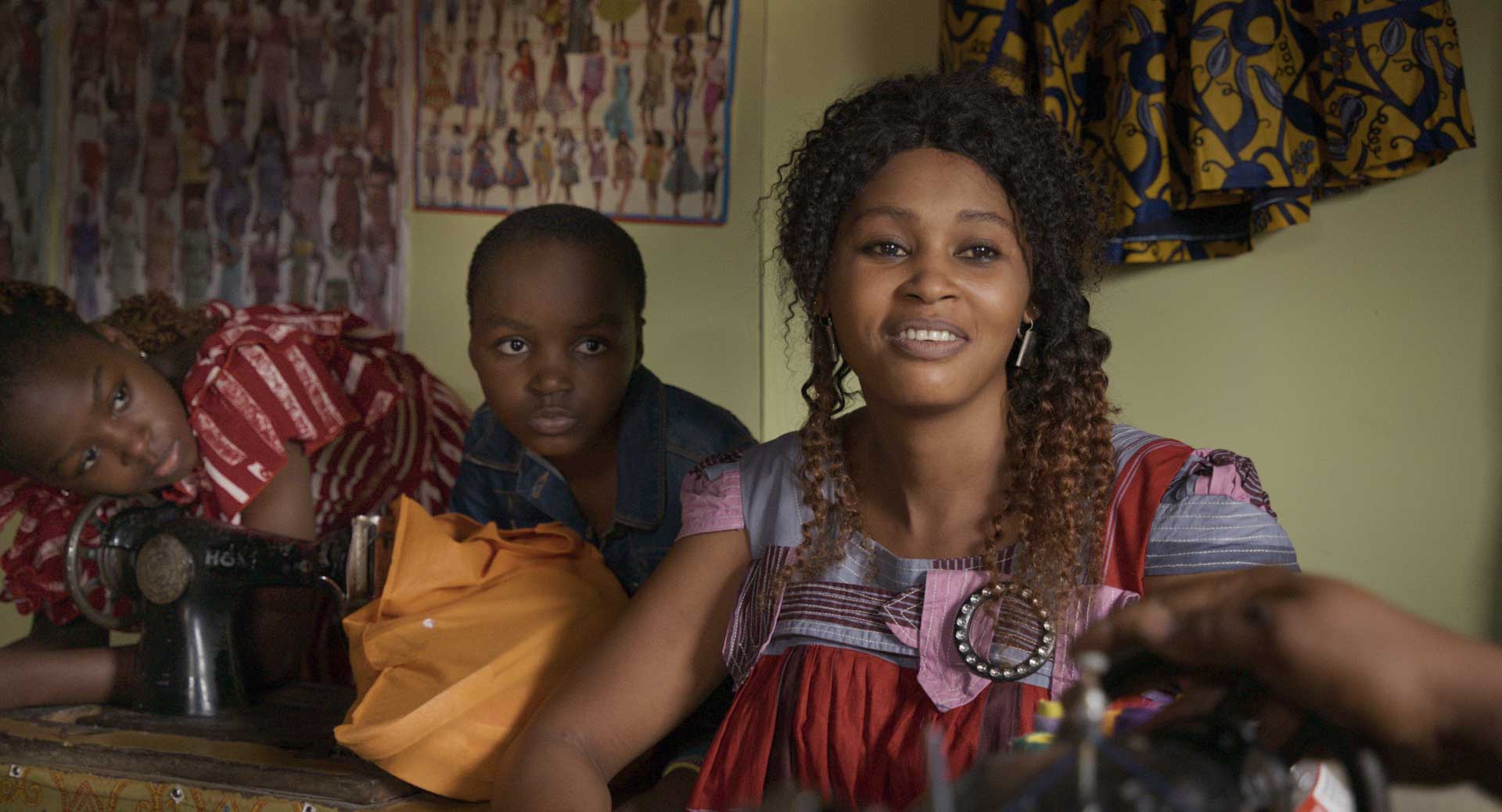
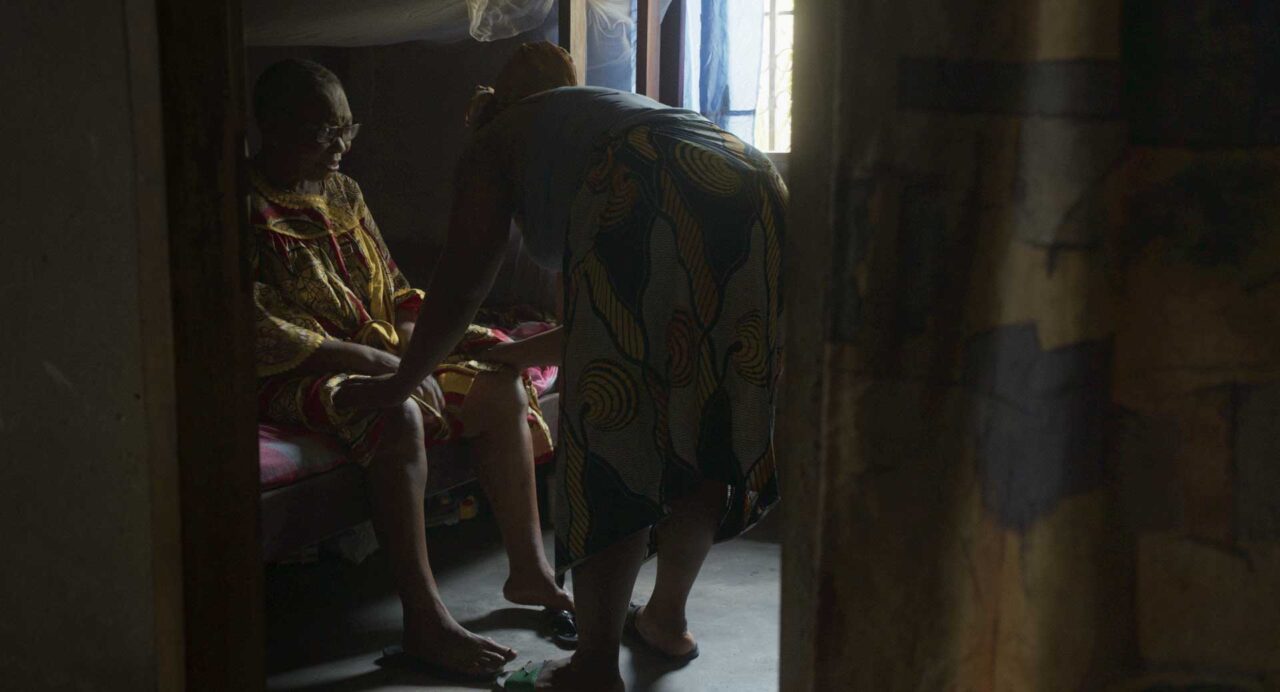
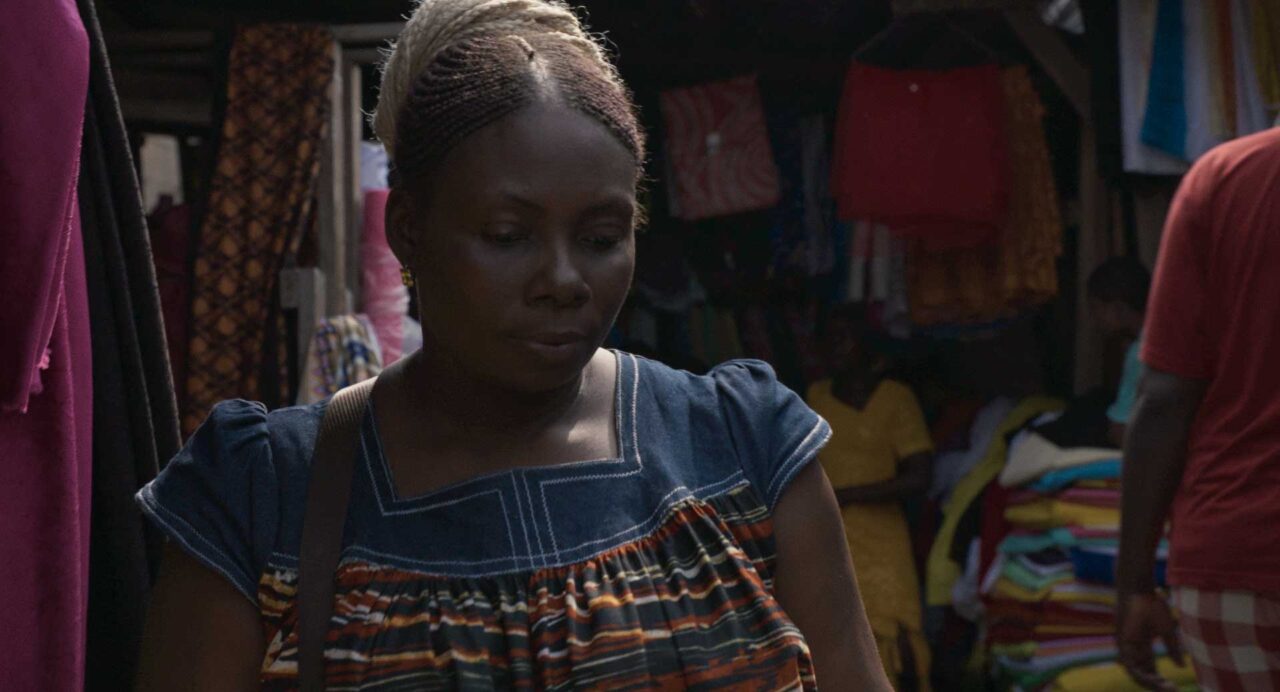
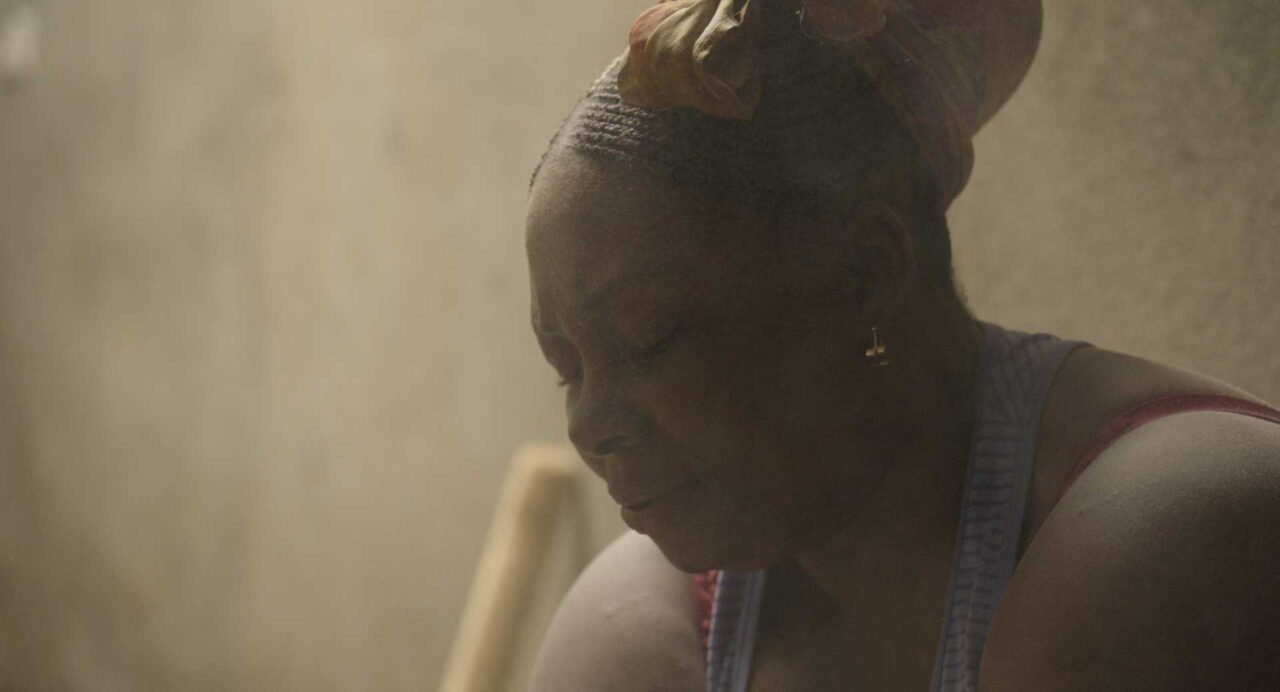
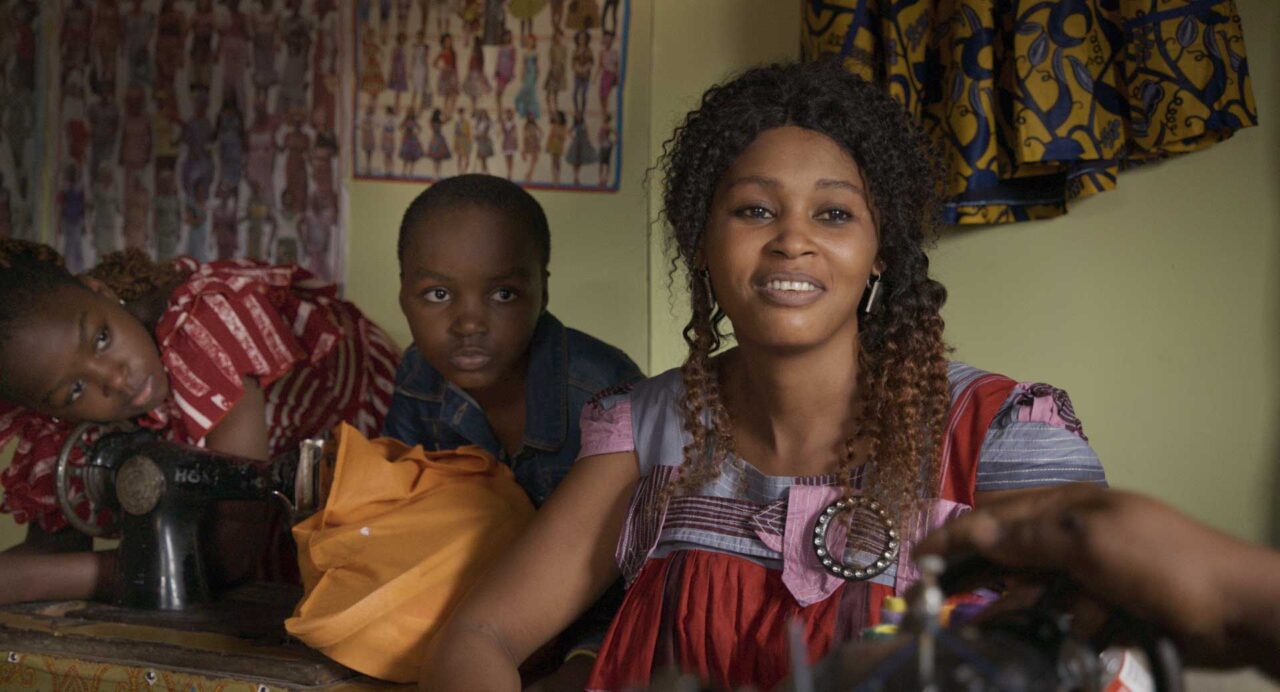
    A story of resilience. Mambar raises her children, cares for her mother, and runs a business, standing as a voice of a generation that endures life’s hardships while resisting patriarchal oppression. Despite the challenges, she meets them with calm strength, drawing support from the bonds she shares with the women in her community.

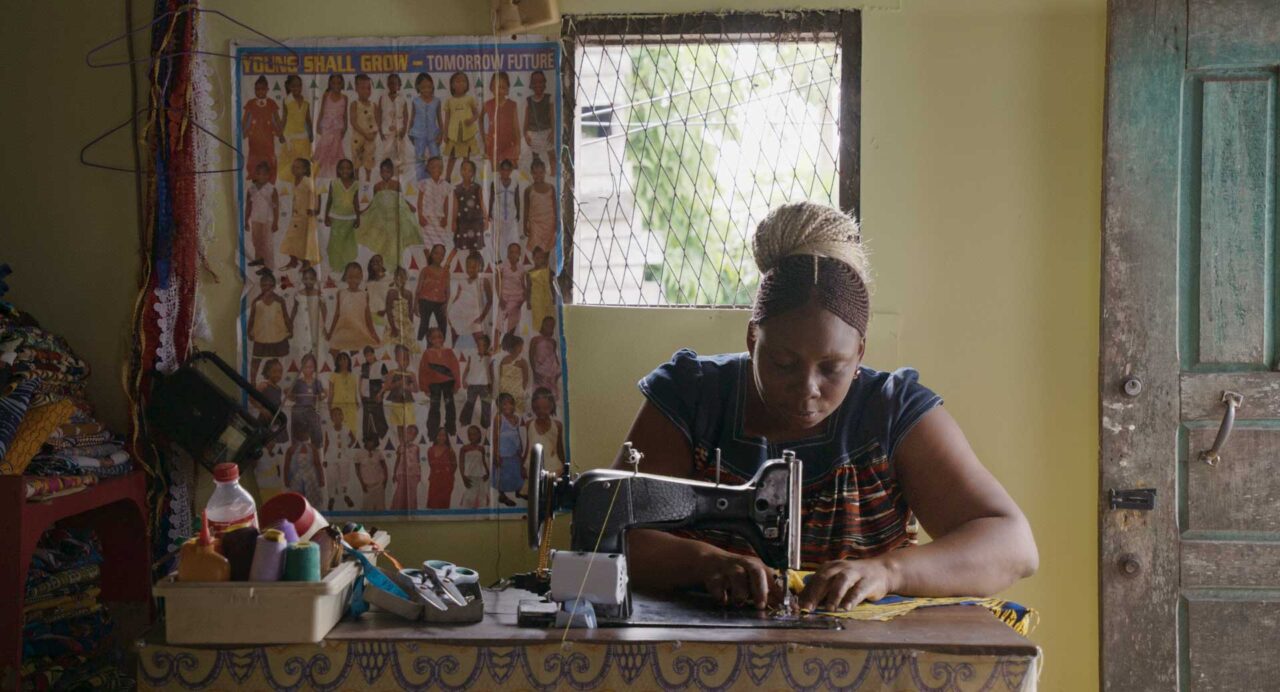
    The start of the school year in Douala carries a familiar sense of unease. At Mambar Pierrette’s modest tailoring workshop, a long line of clients gathers, eager to have their clothes ready for upcoming celebrations and social gatherings. Yet Pierrette is far more than a seamstress – she becomes a confidante to her customers, a voice for her generation. But when heavy rains threaten to flood her workshop – one of several misfortunes to strike in succession – Pierrette must find a way to stay afloat.

    Mambar Pierrette is a lyrical meditation on the expectations placed on working-class women to keep moving forward, regardless of nationality, culture, or circumstance. It is also a proud, unsentimental celebration of how women offer support simply because it is needed. Compassionate men do appear, but they are exceptions; for the women, empathy is not a choice but a necessity. They are the driving force of their community, and without their energy and determination, everything would collapse.

    This is a film where much happens, yet events themselves are not the focus. What matters most are the women – and their refusal to yield to forces that seem insurmountable. Not because they are superheroes, but because they have no other choice. It is a burden one might wish to escape, but one they carry nonetheless – simply because they must.

    17.09.2025
    20:30
    Kinoteka

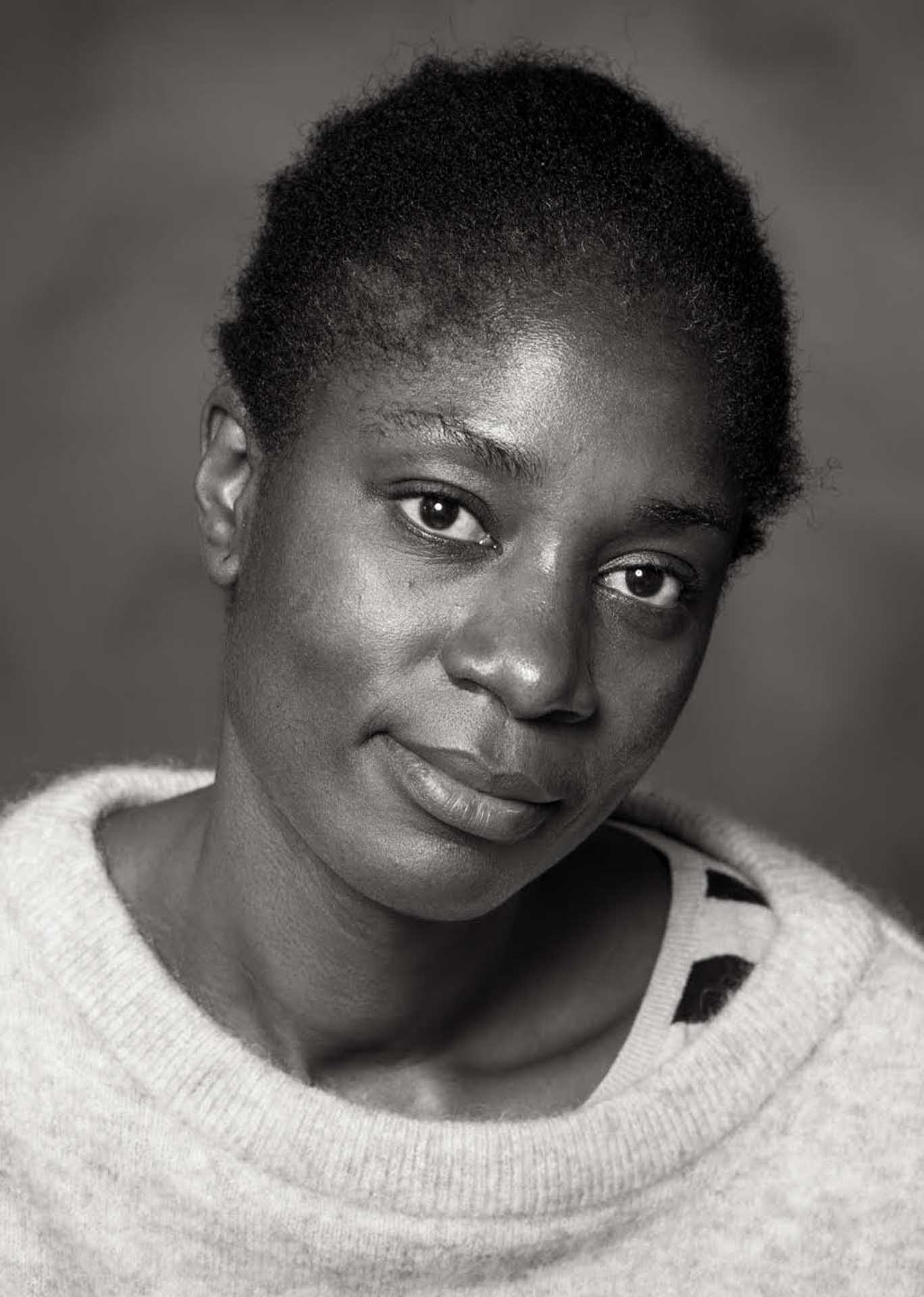
    Rosine Mbakam

    She grew up in Yaoundé in a popular neighborhood that nourished her imagination as a filmmaker. After working for 3 years at STV in Douala as a director
    and producer, she joined INSAS, a Belgian film school. Her graduation film You will be
    my ally
    is very remarkable. In order to be independent, she founded her own production company Tândor Productions. She directed 4 feature-length documentaries that were selected in the most important film festivals in the world. She is also a teacher and researcher at KASK in Ghent. “The
    New Yorker” defines her as “an original filmmaker of exceptional sensitivity; one of the greatest documentary filmmakers working today”.

    Director: Rosine Mbakam

    Production: Tândor Productions

    Language: Bamileke, French, Pidjin

    Subtitles: Polish, English

  • Looking for Simone

    Looking for Simone

    Looking for Simone

    reż. Nathalie Masduraud & Valérie Urréa
    France / 2024 / 91 min / polish premiere

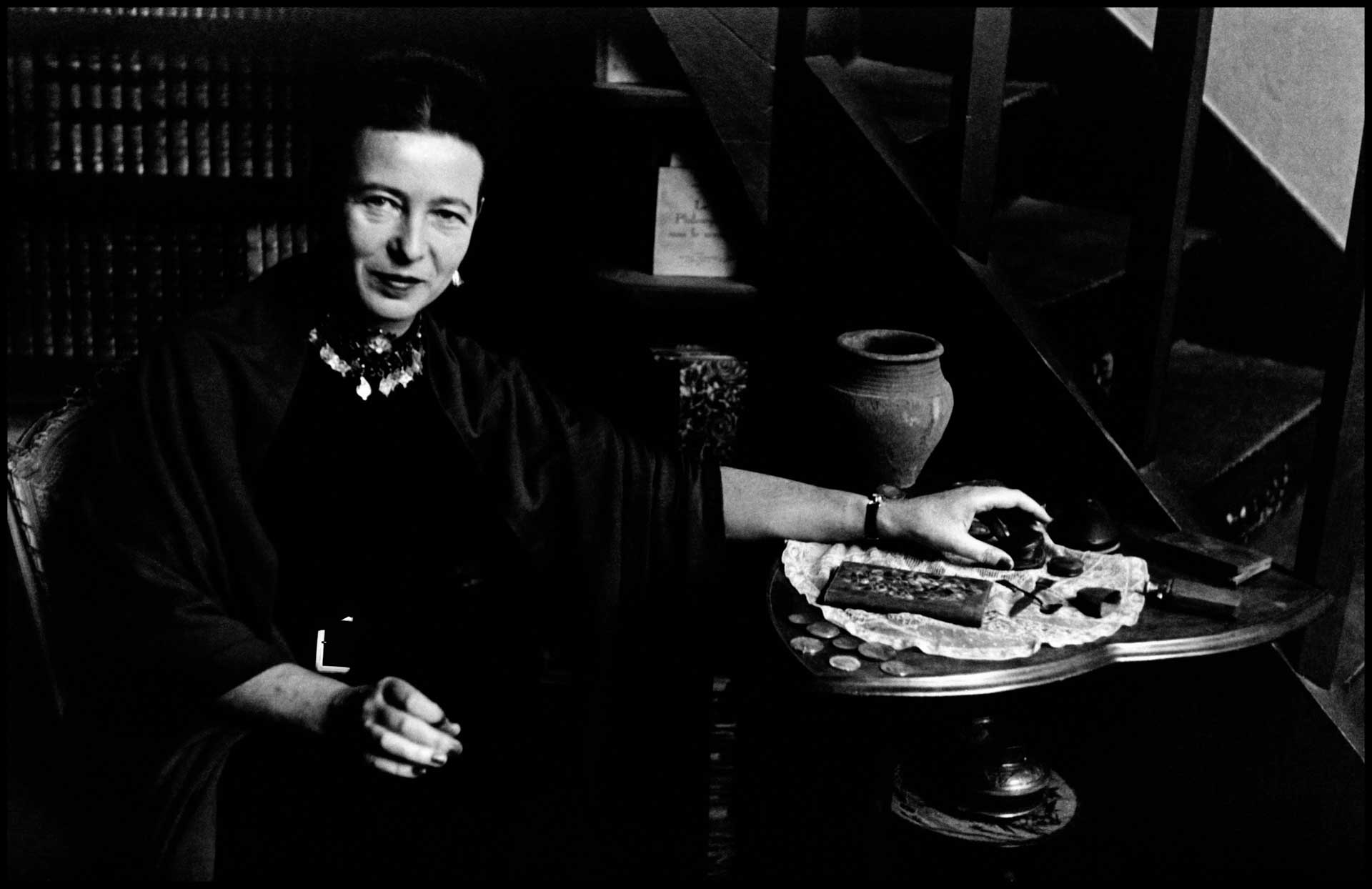
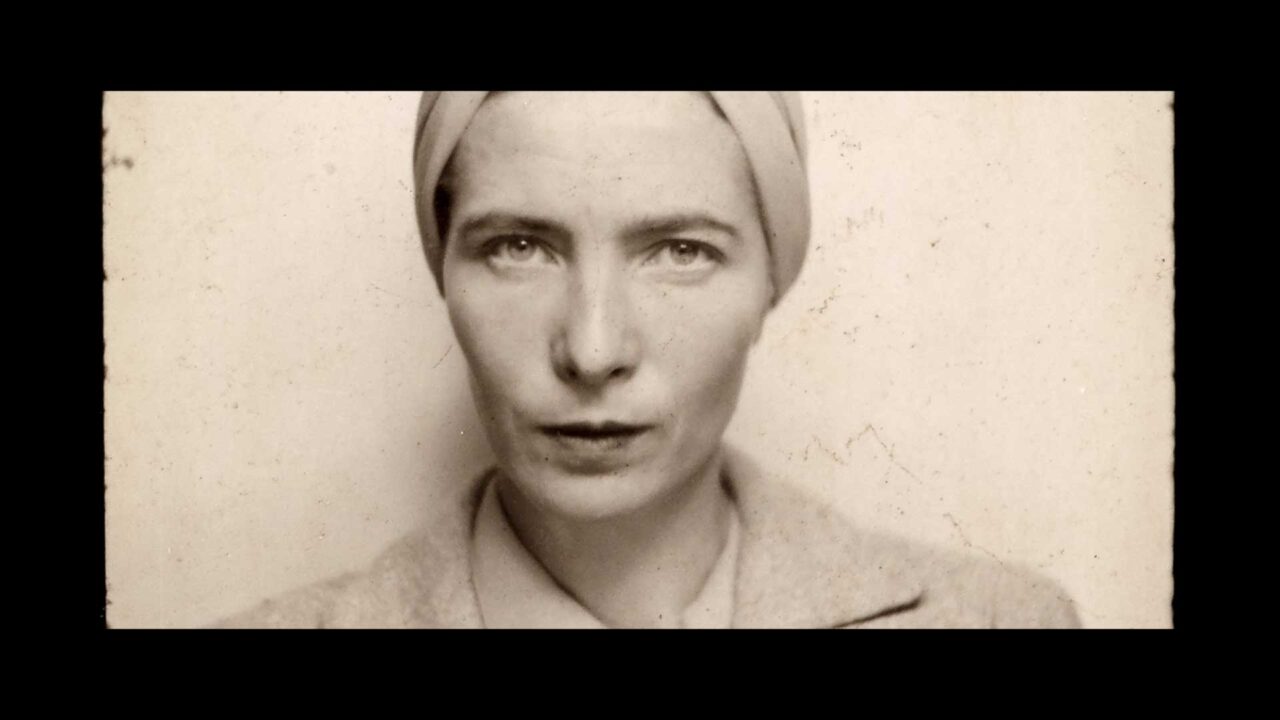
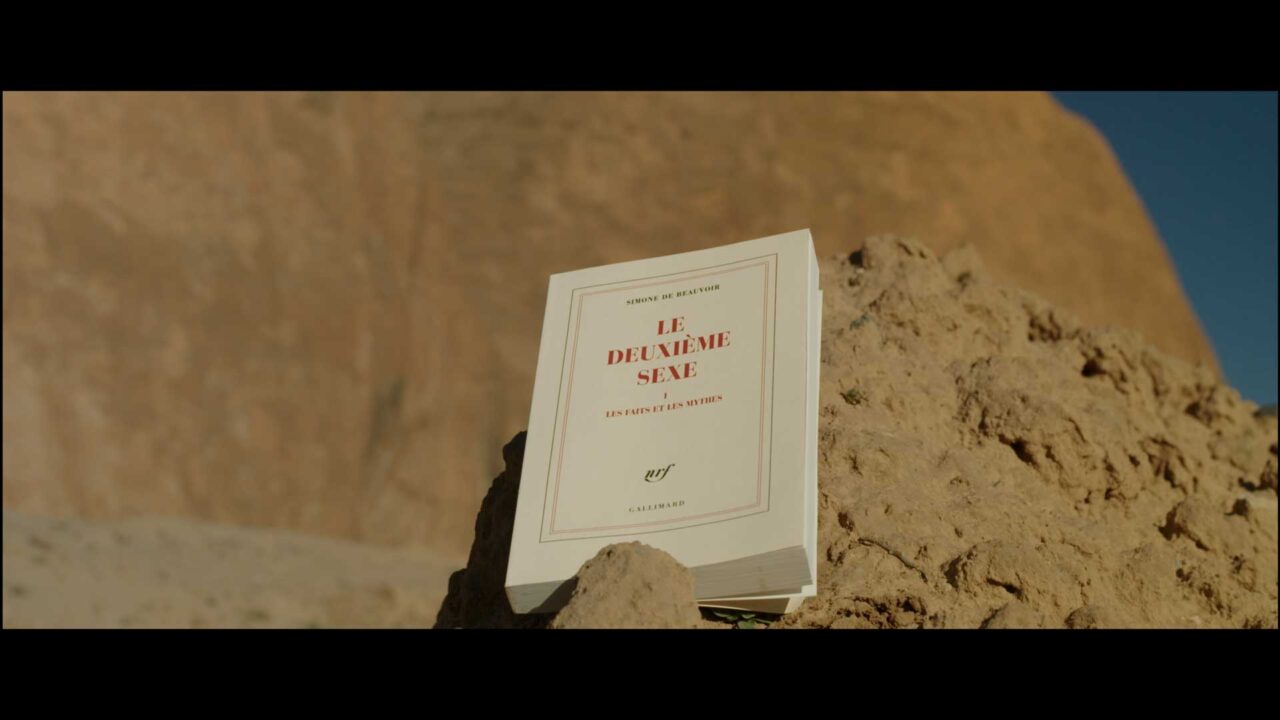
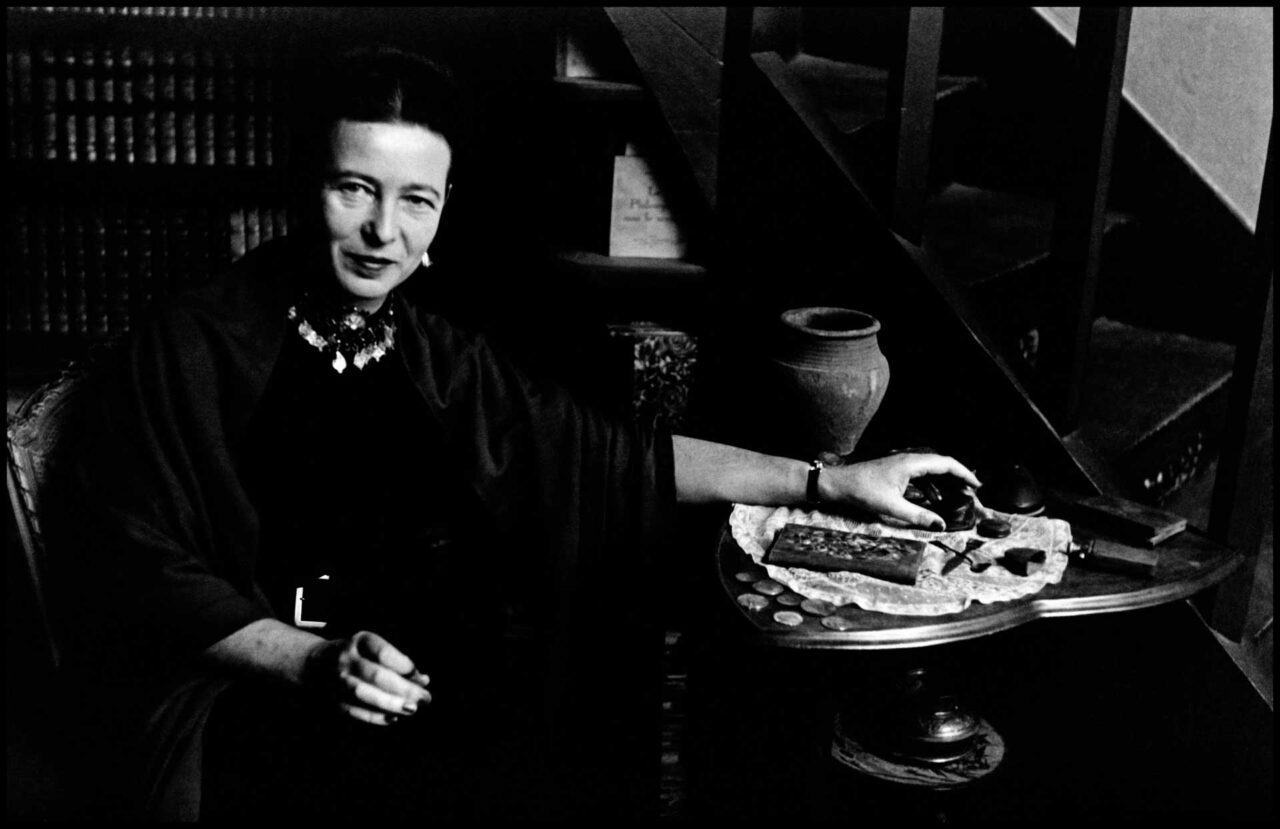
    A journey through the United States, where “The Second Sex” first took shape, becomes an opportunity to revisit Simone de Beauvoir’s groundbreaking work, illuminated by reflections from contemporary feminist theorists examining its impact and limitations.

    When The Second Sex was published in 1949, it sent shockwaves through society: a thousand-page manifesto advocating gender equality, women’s independence, and liberation from rigid social norms. For the first time, a woman offered such a sharp and unprecedented analysis of the mechanisms of male domination in a postwar world that had yet to recognize the term “patriarchy.” The scandal was immense, and its success, global.

    Few people know, however, that the inspiration for The Second Sex originated in the United States, during Simone de Beauvoir’s lecture tour in 1947. Over the course of four months, she observed the country with the keen eye of an entomologist: scrutinizing the behavior of privileged young women, astonished by the rigid expectations imposed on New York women, outraged by the subjugation of wives, and shocked by the brutality of racial segregation in the South.

    The film by Nathalie Masduraud and Valérie Urrea is conceived as an initiatory journey into the origins of Simone de Beauvoir’s thought—an intimate and political expedition that brings her writings to life, brilliantly interpreted by French actress Noémie Merlant.

    At the same time, the film becomes a space for reflection led by some of today’s leading feminist thinkers: Judith Butler, Laure Murat, Silvia Federici, Kellie Carter Jackson, Caitlin Keliiaa, and Françoise Vergès. They examine the revolutionary ideas of The Second Sex, as well as its limitations and blind spots—making the film not only a tribute but also a critical dialogue with one of the most important texts of the twentieth century.

    20.09.2025
    20:30
    Kinoteka

    Nathalie Masduraud & Valérie Urréa

    Nathalie Masduraud, a graduate of La Fémis, has been active in the film industry since the 1990s. She directs documentaries, particularly artist portraits, including Ella Fitzgerald and Françoise Sagan. Her work also addresses social and historical issues, such as propaganda and collaboration during occupation, as well as living conditions in African communities. Valérie Urréa works in social documentary, exploring topics related to gender identity, ethnic issues, disability, and performing arts. She has also directed films focusing on choreographer Mathilde Monnier. Together, Masduraud and Urréa made their first joint film in 2014, Afrique du Sud – Portraits Chromatiques, a documentary on the South African photography scene, produced for Arte and accompanied by a mini-series. The theme of photography reappears in their next project, Focus Iran, l’audace au premier plan (2017), dedicated to the young Iranian scene and extended through the web series Iran#NoFilter. Their latest collaborative film is Looking for Simone.

    Director: Nathalie Masduraud & Valérie Urréa

    Producer(s): Julie Guesnon Amarante, Justine Henoschberg 

    Production: Les Batelières productions

    Language: English, French

    Subtitles: Polish, English
  • Girls for Tomorrow

    Girls for Tomorrow

    Girls for Tomorrow

    reż. Nora Philippe
    France, Belgium, Netherlands, Bulgaria / 2025 / 99 min / polish premiere

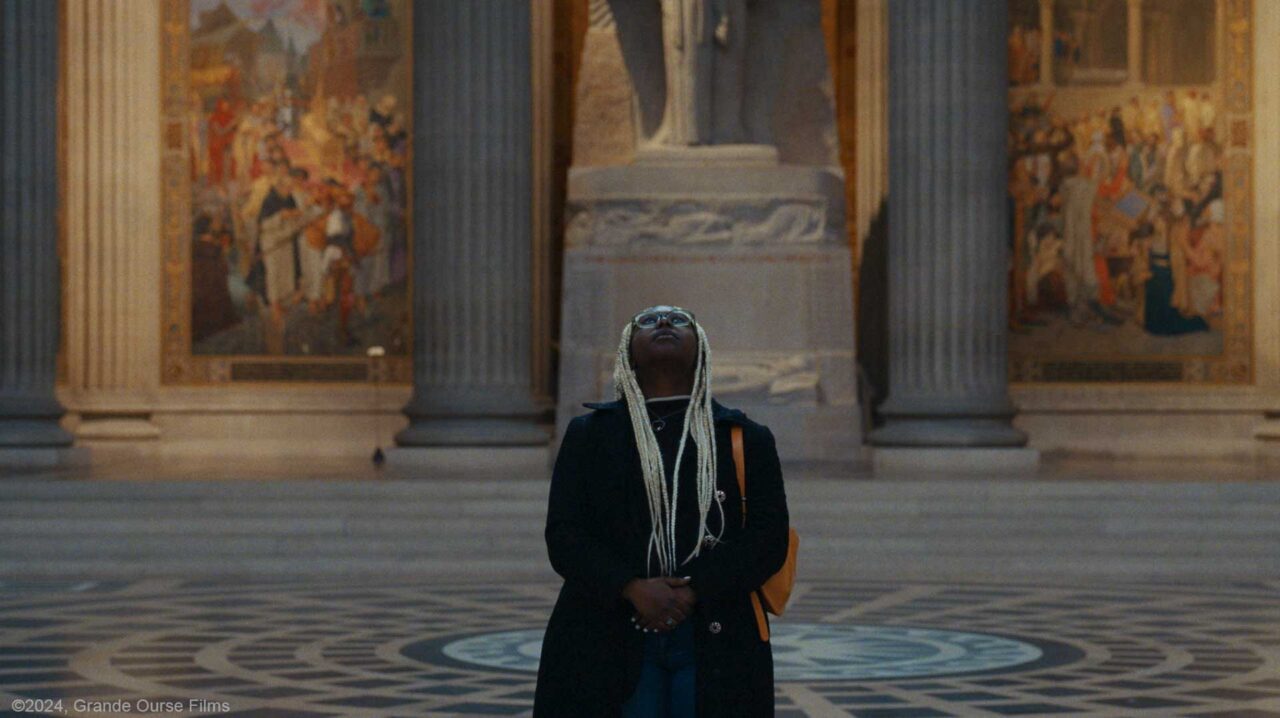
    Girl, woman, student, activist, friend, mother, daughter, traveler — four protagonists and nearly infinite identities. They studied in New York, and over the course of a decade the director captures their coming of age, crafting a hopeful portrait of sisterhood, identity, and the fight for the future.

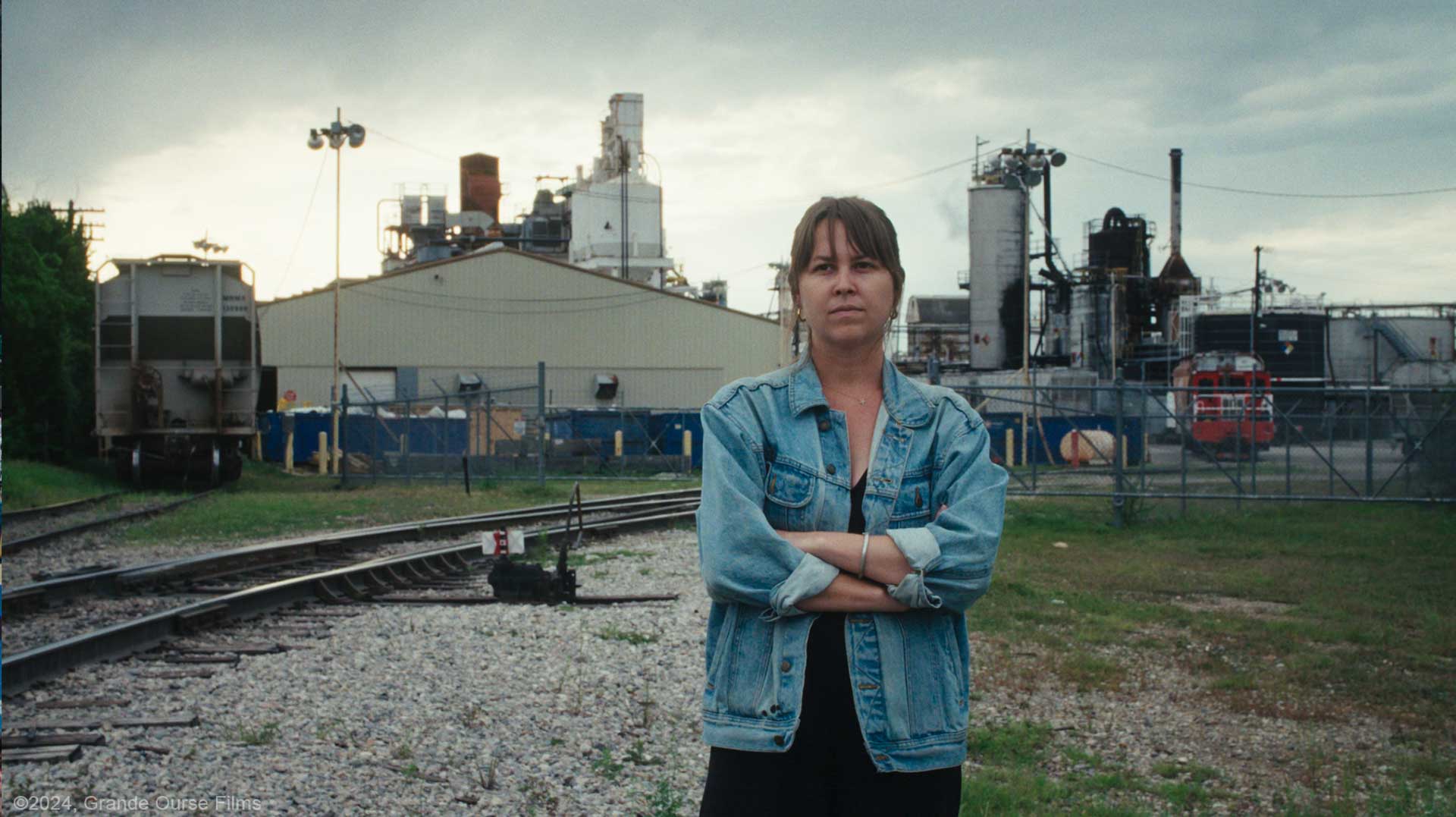
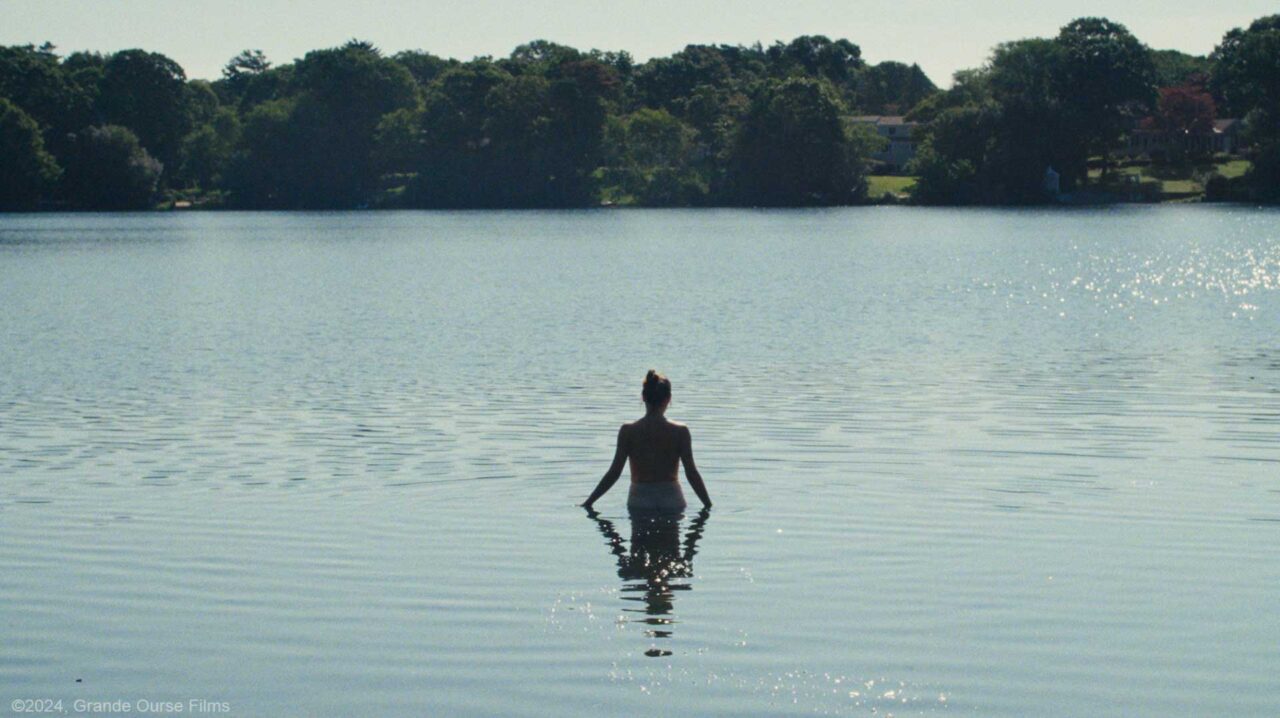
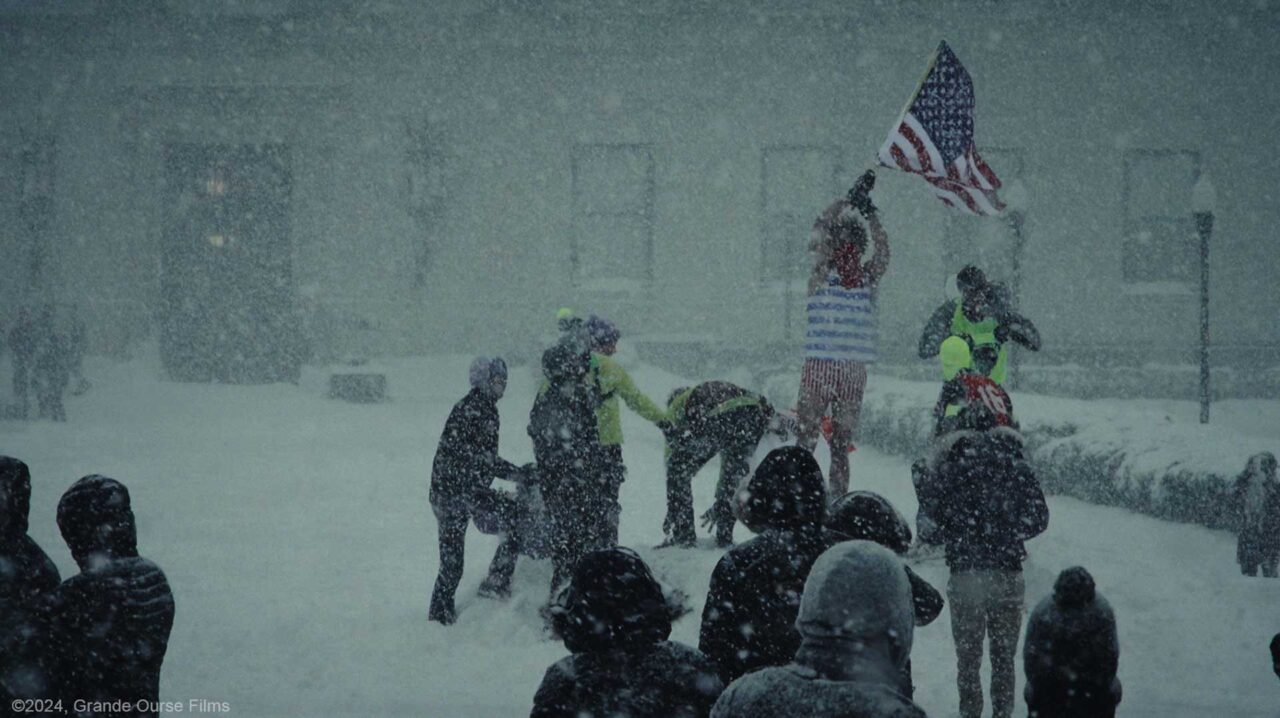
    How do young women shape their own narratives in times of political turmoil?  Evy, Lila, Anta and Talia study at Barnard College, a women’s liberal arts college in Manhattan with a history of activism. The four women, who are of diverse backgrounds, find solidarity in separate but interconnected struggles on campus, and beyond graduation as they seek their own paths to continue advocating for change.

    For ten years, director Nora Phillipe followed them with her camera. Over that time, their lives transformed many times, and these are stories in which we can see our own reflections. Personal and societal experiences intertwine: the protagonists explore their identities while navigating an uncertain world amid the deepening political darkness in the United States. Phillipe captures their intimate reflections, creating a growing cinematic archive of the future—a sisterly community of support. At the same time, she seeks new forms of expression as a mother, striving to inspire hope in the next generations.

    Screening with audio description.

    After the screening there will be a meeting with the producer Estelle Robin You.

    18.09.2025
    18:00
    Kinoteka

    Nora Philippe

    Nora Philippe is an award-winning documentary filmmaker, producer, curator, and the director of EURODOC. A graduate of prestigious École Normale Supérieure of Lyon, she holds a MA from Université Paris-1 in Art History, and a Professional Film Studies MA from Université Paris-7. She has also studied Cultural Institutions Management & Museology at NYU (Graduate School for Arts & Science) and Ecole du Louvre, and was a guest researcher at CNRS (National research Center) and a fellow at Columbia Institute for Ideas and Imagination in 2019-2020. Nora has curated from 2016 to 2021 an annual original film series for Columbia University (NYC and Paris). She has taught filmmaking at the École des arts décoratifs de Paris for a decade and Inclusion and diversity in the Film Industry at SciencesPo Lille. She runs mentoring programs and workshops for emerging directors, woman-identifying filmmakers and marginalized communities. Since March 2022, Nora serves as the Director of EURODOC, leading European training lab for documentary producers from worldwide: she sets the overall vision of the organization and oversees the pedagogical orientations of its international programs (European, French, Caribbean, BIPOC…). She has served as an expert in multiple festival jurys and fund committees (FIFDH, IDFA, RIDM, CPH:DOX, Unifrance, LaScam, CNC…).

    Director: Nora Philippe

    Producer(s): Estelle Robin You

    Production: Grande Ourse Films

    Language: English, French

    Subtitles: Polish, English
  • Forbidden Call

    Forbidden Call

    Forbidden Call

    reż. Marie Mandy
    France, Belgium / 2024 / 78 min / polish premiere

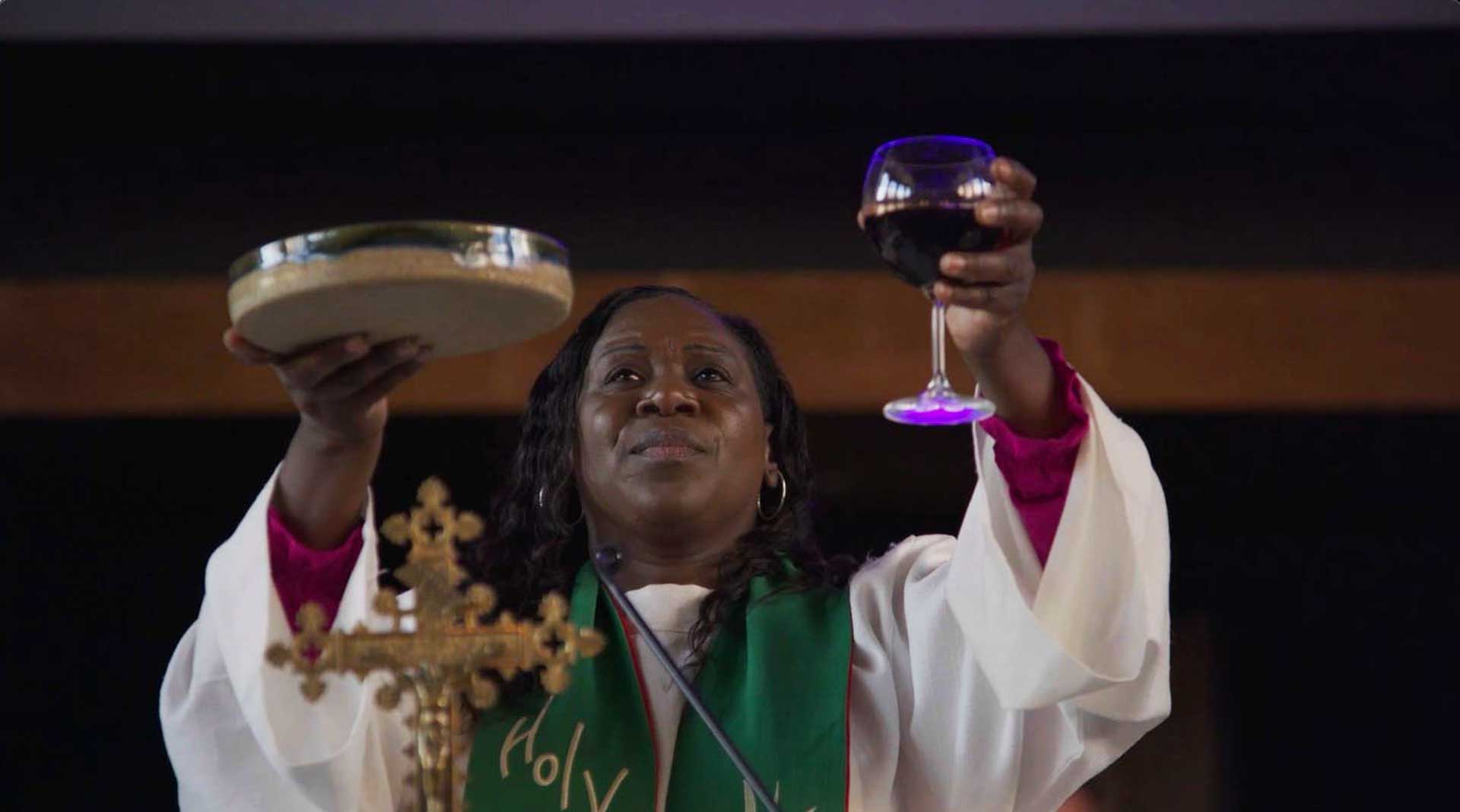
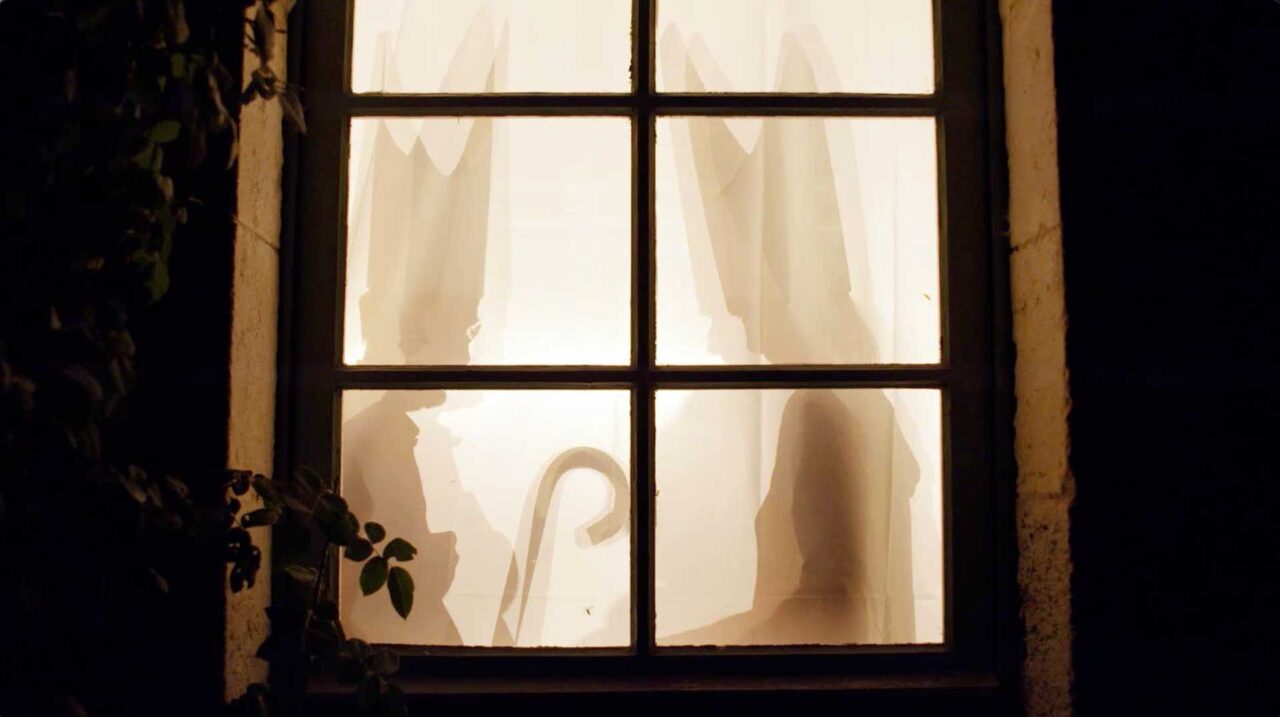
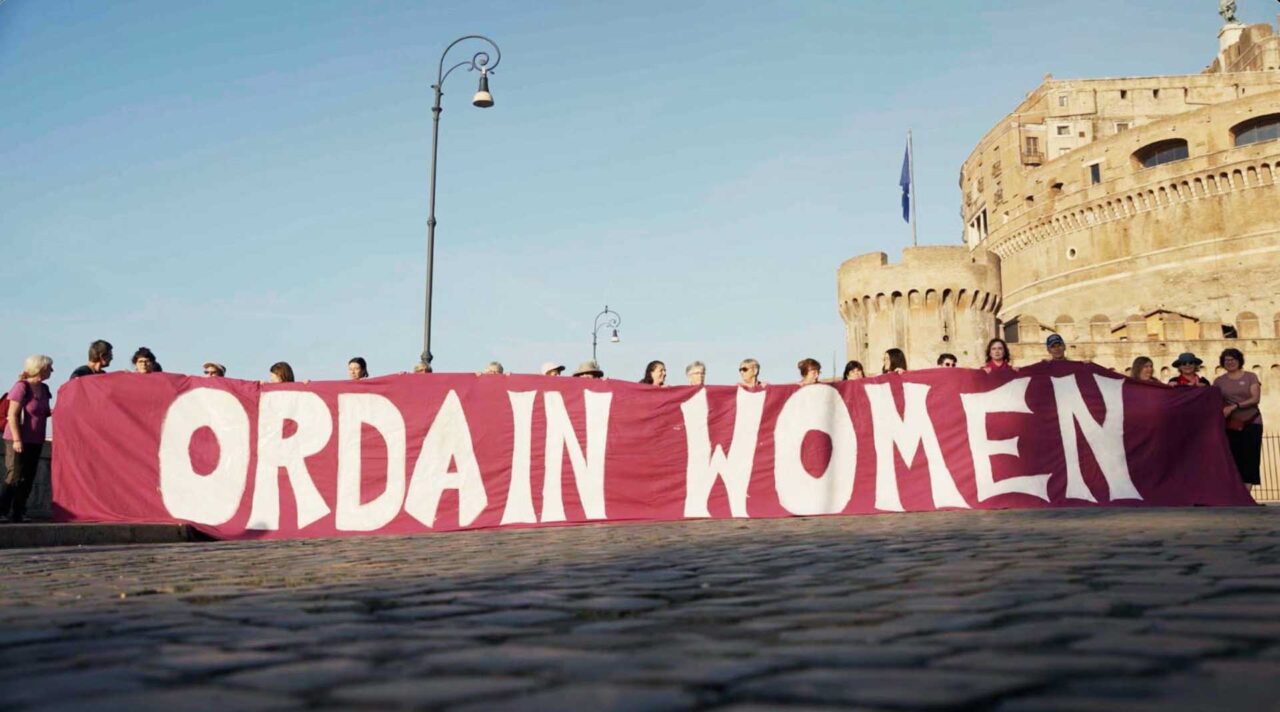
    Since their secret ordinations on the Danube in 2002, women priests in the Catholic Church have been challenging the Vatican, demanding an end to misogyny. For the first time, they succeeded in opening a dialogue with the Vatican, compelling cardinals and the pope to take a stance on the prohibited ordination of women.

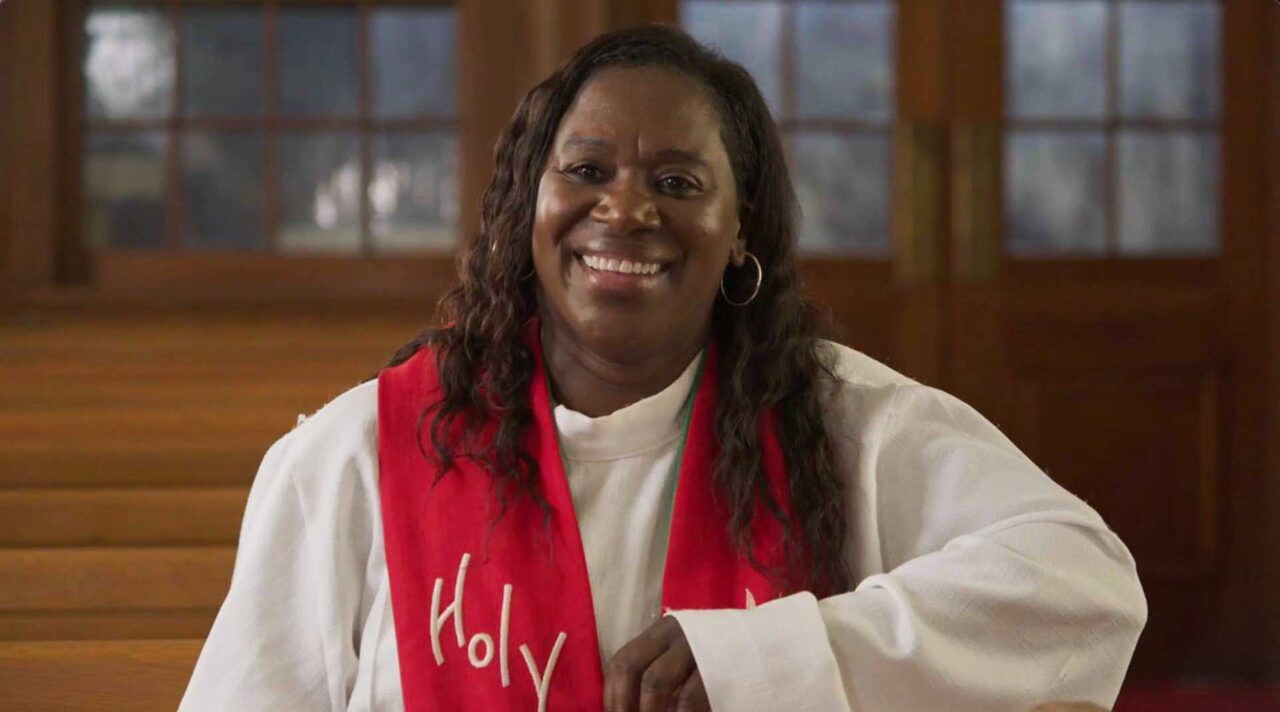
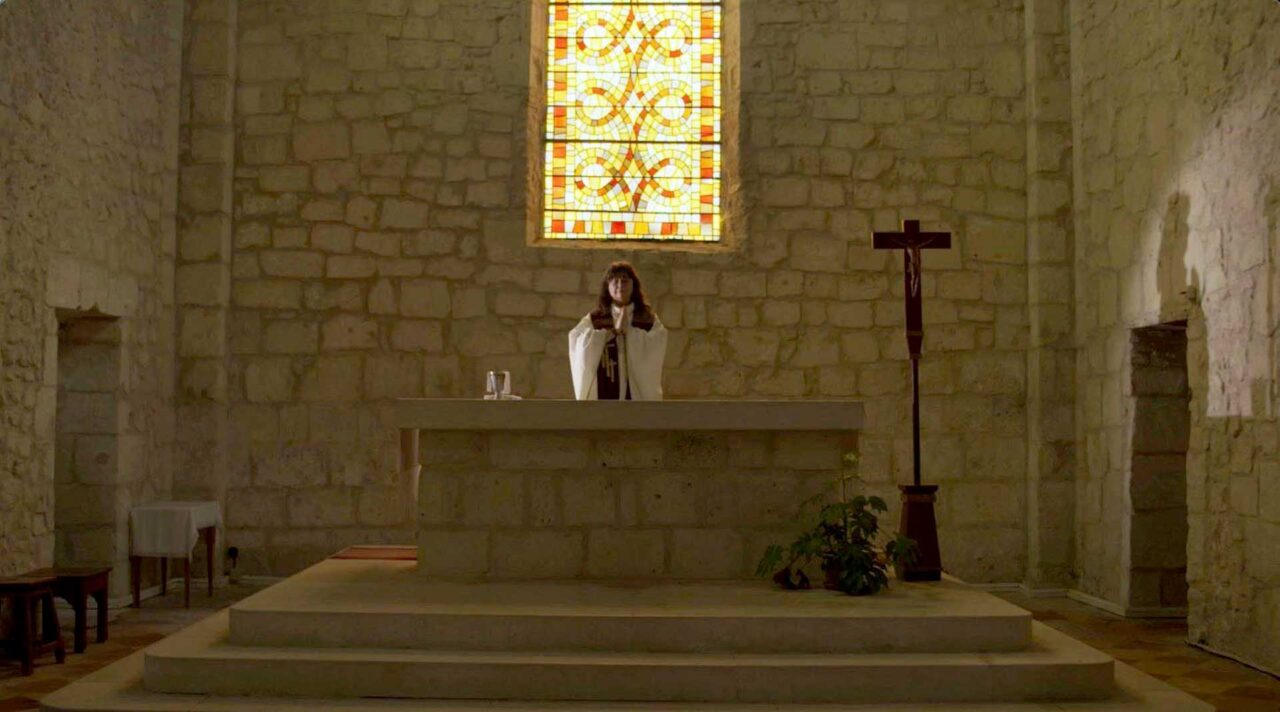
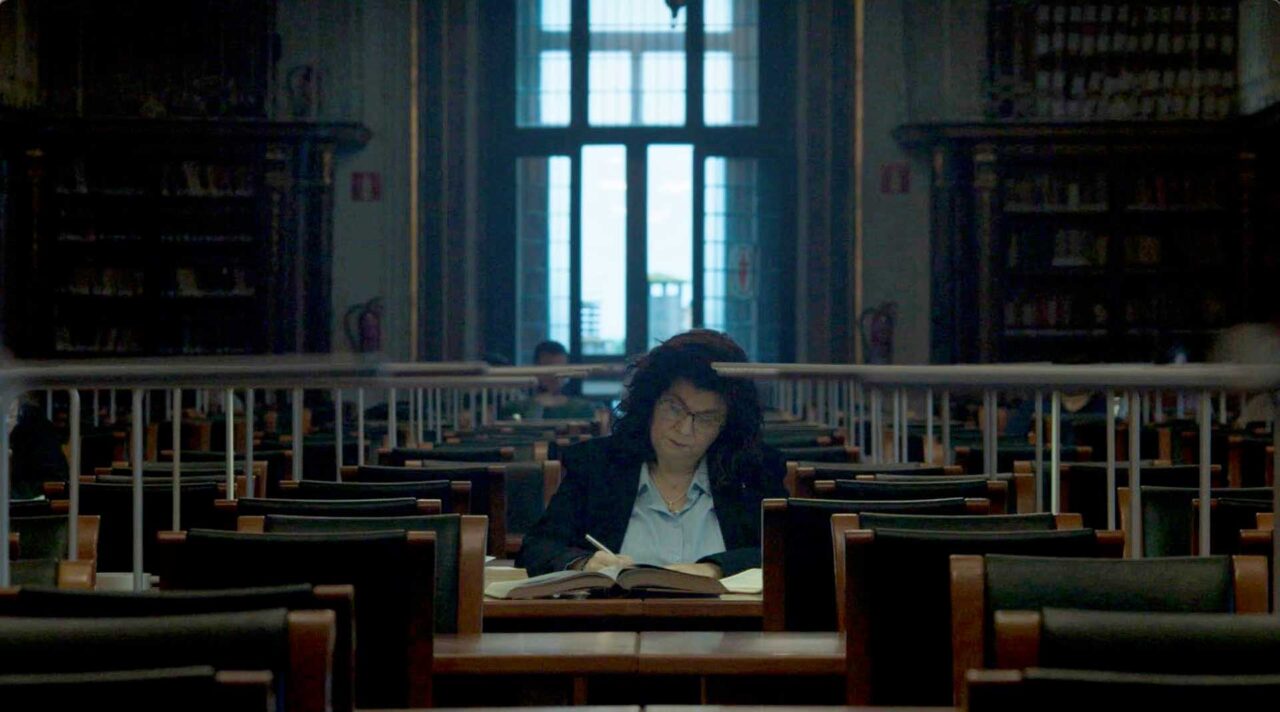
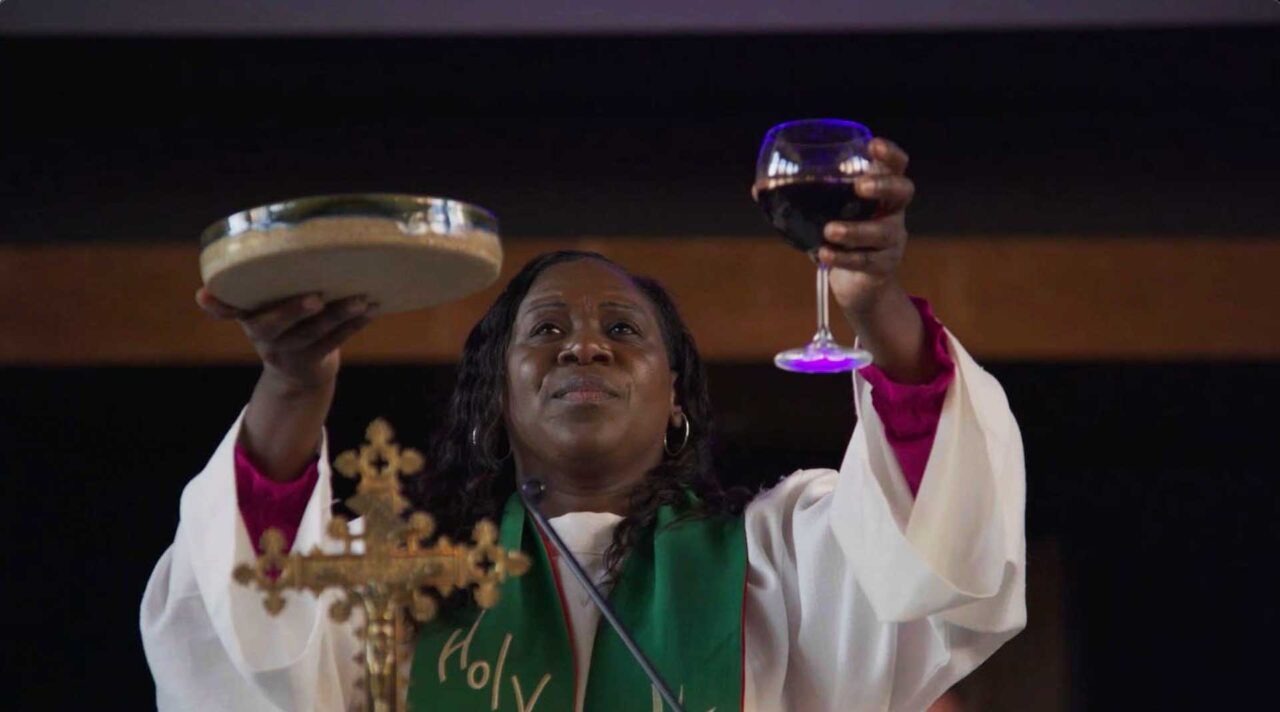
    The film follows three determined women in their quest to change Church doctrine. Jacqueline Straub, a Swiss theologian with a deep calling to the priesthood, has been writing to successive popes for fifteen years, pleading for gender equality in the Church and permission for women’s ordination. Christina Moreira, a Franco-Spanish rebel, was ordained in a catacomb, following the path of the “secret ordinations” on the Danube, which since 2002 have created over 300 women priests worldwide. Despite being excommunicated, she continues to serve her Spanish parish. Across the Atlantic, Myra Brown, a Black priest, leads a congregation of 1,500, steadfastly defying the bans.

    Together, these women undertake a probing investigation at the very heart of the Vatican, the last bastion of institutional misogyny, challenging centuries-old tradition, reinterpreting sacred texts, and dismantling the theological, political, and cultural arguments behind the unjust prohibition. For them, the ordination of women is only the first step toward broader change: allowing priests to marry, combating gender discrimination, and recognizing same-sex unions.

    After the screening there will be a meeting with the film director Marie Mandy.

    21.09.2025
    18:30
    Kinoteka

    Marie Mandy

    Belgian filmmaker and photographer whose 35 documentaries explore gender, sexuality, spirituality, and health. Trained at the London International Film School, her award-winning works include Filming Desire (2001) on the Female Gaze, Seeing (Without Sight) (2004, Prix Europa), and A Diary of Healing (2010, Scam Étoile, Prix Europa). More recent films such as Women Prefer to Laugh (2022, Critics’ Prize, FIFF Namur) and Forbidden Call : Women Priests (2024, Best Impact Award, Millenium Festival) continue her exploration of feminism and social justice. She also teaches documentary writing in Paris and Aix-Marseille.

    Director: Marie Mandy

    Producer(s): Victor Ede, Hanne Phlypo

    Production: Cinephage Productions, Clin d’oeil films

    Language: English, German, French, Italian

    Subtitles: Polish, English
  • Tender Revolution

    Tender Revolution

    Tender Revolution

    reż. Annelie Boros
    Germany / 2024 / 95 min / polish premiere
    “Is a reality full of care and tenderness possible?” asks the director, as she films the stories of four people performing invisible work for a better world. Their moving testimonies form a narrative of the “tenderness revolution,” evoked by Olga Tokarczuk in her Nobel lecture.

    “Since the death of my friend, one question has never left me: could there be a world in which she would have wanted to live? A world where no one is left alone with their problems, where we have the time and space to truly care for the needs of others? A world full of care?”

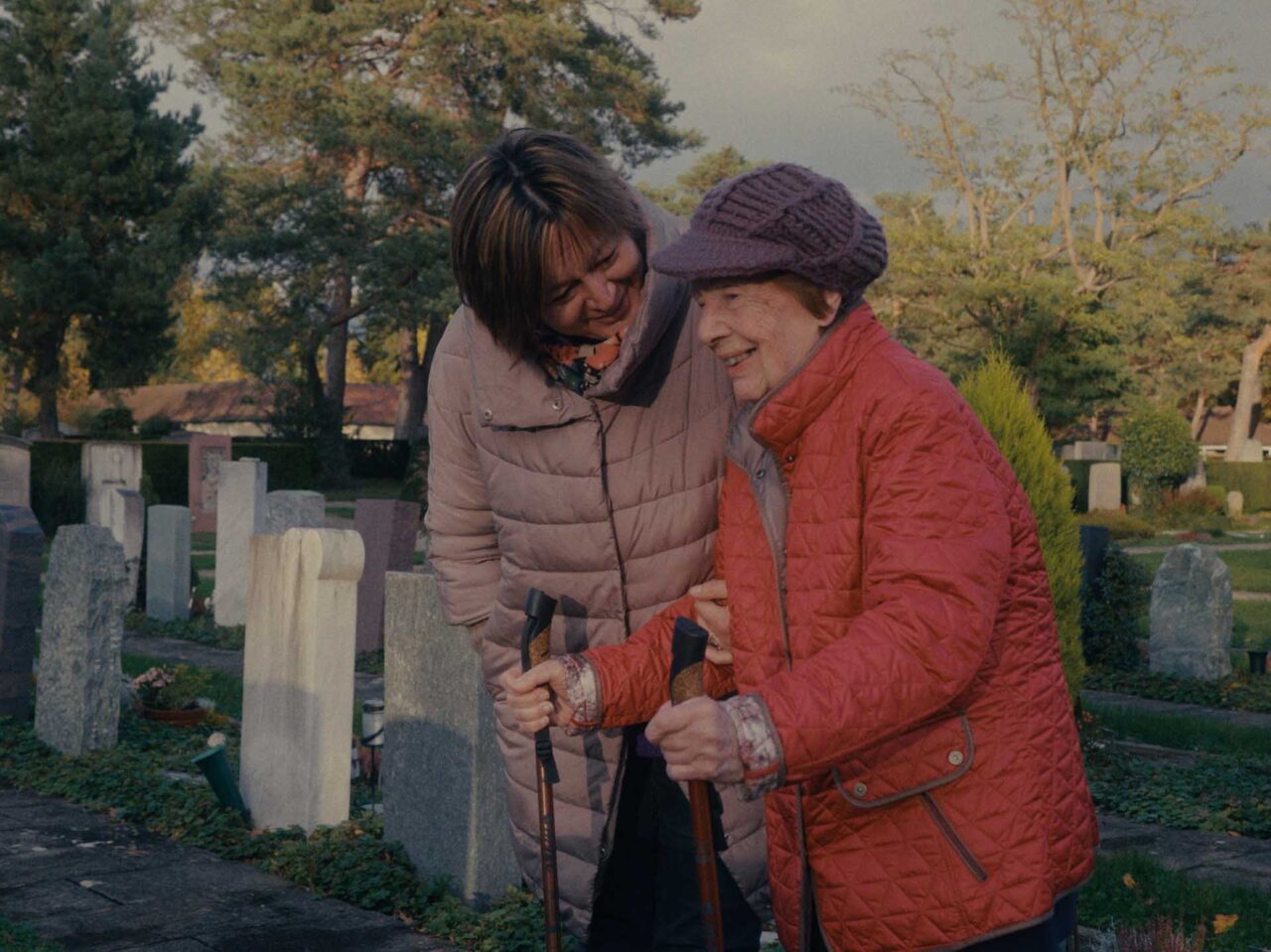
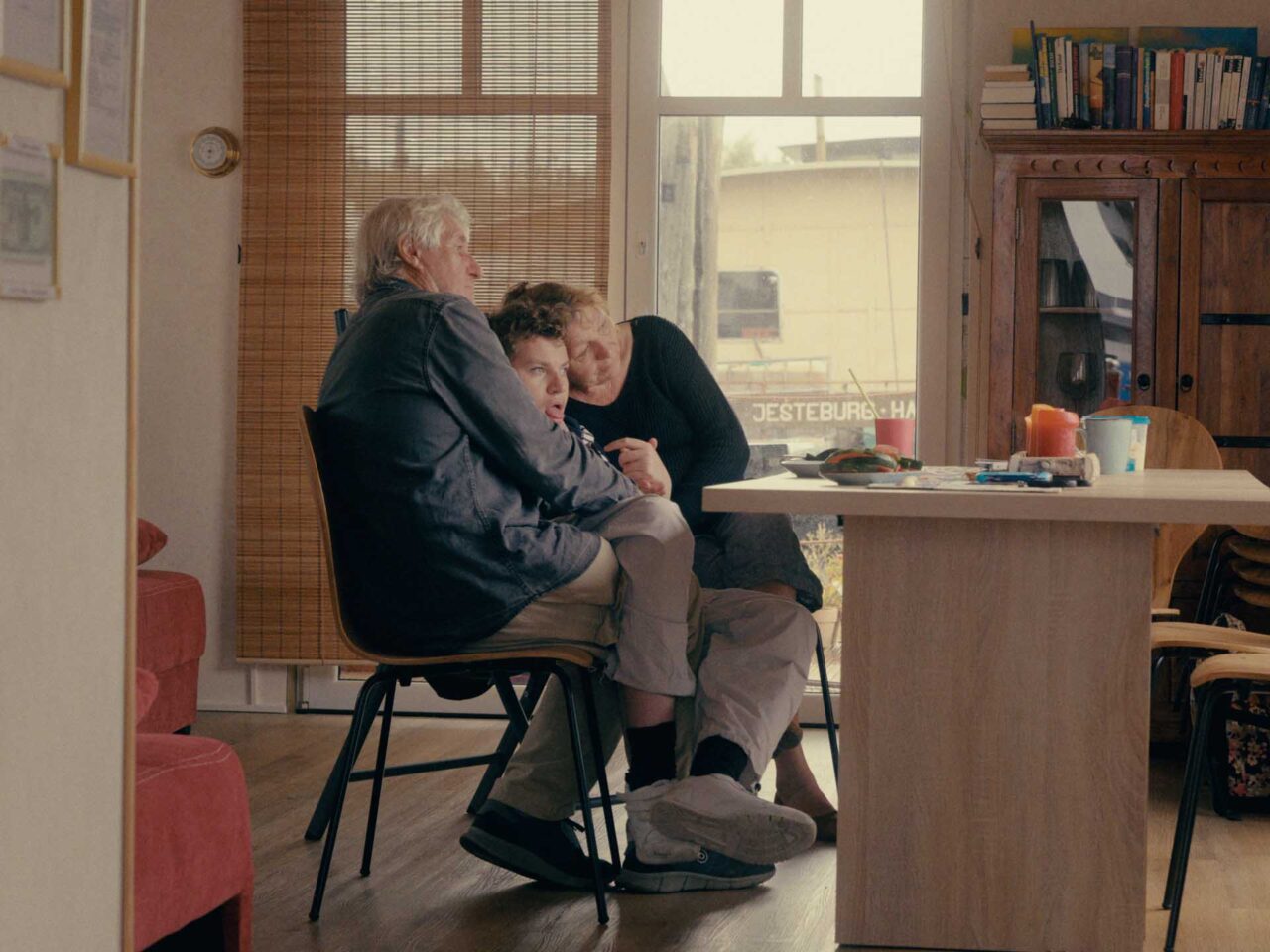
    The director tells the stories of four people who put care and compassion at the center of their lives. Arnold from Hamburg looks after his disabled son Nico 24 hours a day, yet still finds the strength to fight tirelessly for the rights of family caregivers. 

    Bożena, a Polish live-in carer whose life changed dramatically after working in Germany, now supports other carers and encourages them to stand up for their rights. Amanda, an activist from Peru, can no longer watch as the climate crisis destroys her family’s environment. She knows that human health and the health of the planet are one and the same. And Samuel, a wheelchair user who loves spending nights in the sauna with friends, is building an inclusive home.
    They all want to make the world a place of tenderness and care. But they know painfully well how difficult this is: while sustaining life every day, they themselves often live on the edge of exhaustion. Society rarely notices, and even more rarely values, their work — there is never enough time or money to care for oneself and others in a dignified and sufficient way.

    They want to change everything. But how?

    After the screening there will be a meeting with actress Bożena Domańska.

    21.09.2025
    16:00
    Kinoteka

    Annelie Boros

    Born 1991 in Munich, studied documentary film and television journalism at the HFF Munich. Her films Mars Closer and Fuck White Tears were screened at international festivals (e.g. Visions du Réel, DOK Leipzig) and awarded with numerous prizes (e.g. Starter Filmpreis, FFF-Förderpreis). Her film F32.2 was nominated for the Student Academy Award® in 2018 and won the Young Eyes Film Award at DOK Leipzig. In 2020 her fictional graduation film Kräfte premiered at the Nordische Filmtage and won the audience award at Sehsüchte Potsdam in 2021. Her documentary Die Gewichtheberin screened at the Hofer Filmtage and was broadcast on 3Sat in the “Ab 18!” program.

    Director: Annelie Boros

    Producer(s): Matthias Greving

    Production: Kinescope Film GmbH

    Language: German, Polish, Spanish
    Subtitles: Polish, English