Short films set by now-iconic feminist artists, as well as younger generations.
Their contributions range from anarchic performances, documentary sketches and queer gems to animations or found footage films. You’ll find complex explorations of repressed political history and structural social exclusion, cinematic reflections on architecture and pointed portraits, as well as elaborate artistic challenges to new technologies, including AI, and more comic relief.
Im Leo
Miriam Bajtala
Austria / 2003 / 2 min
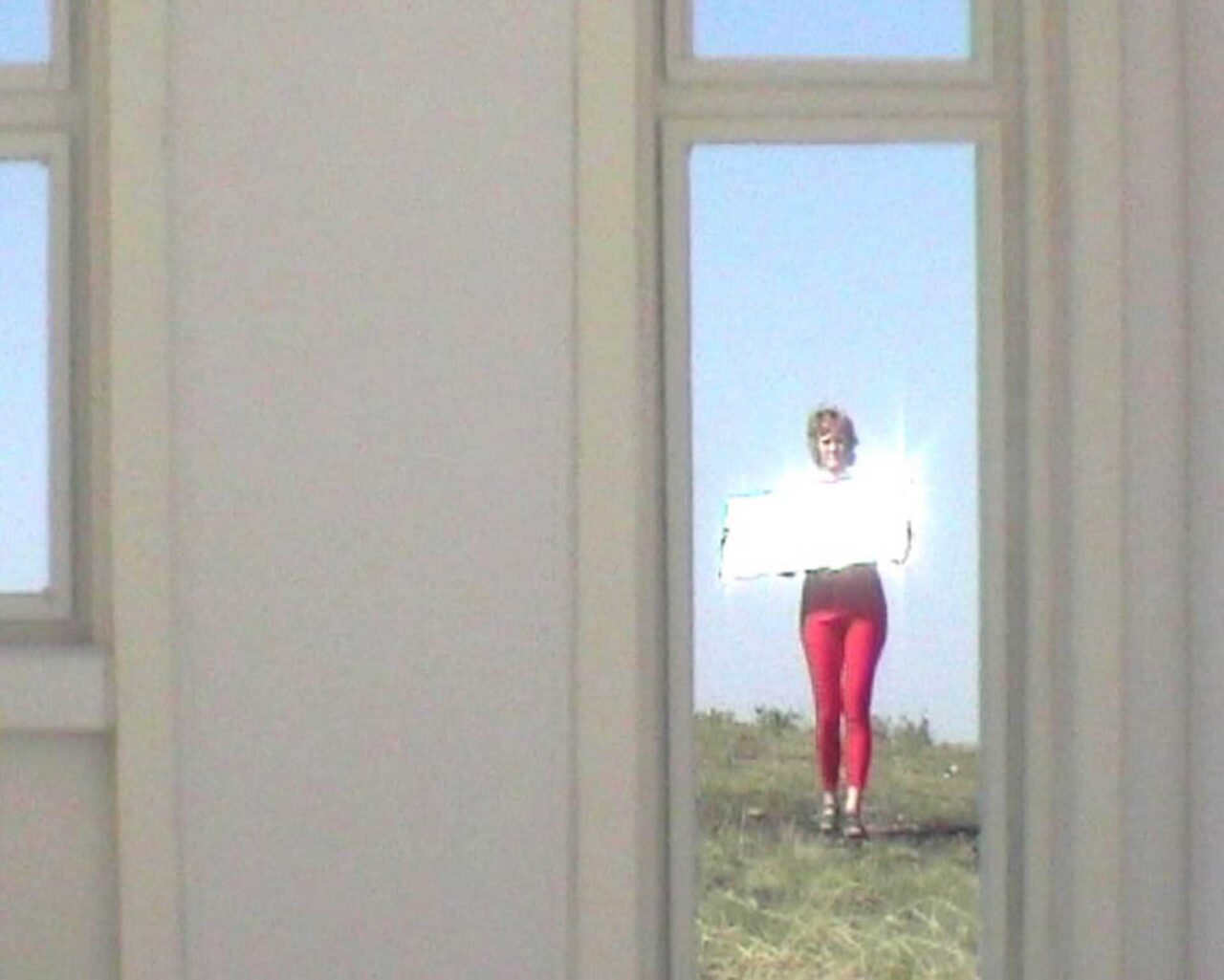
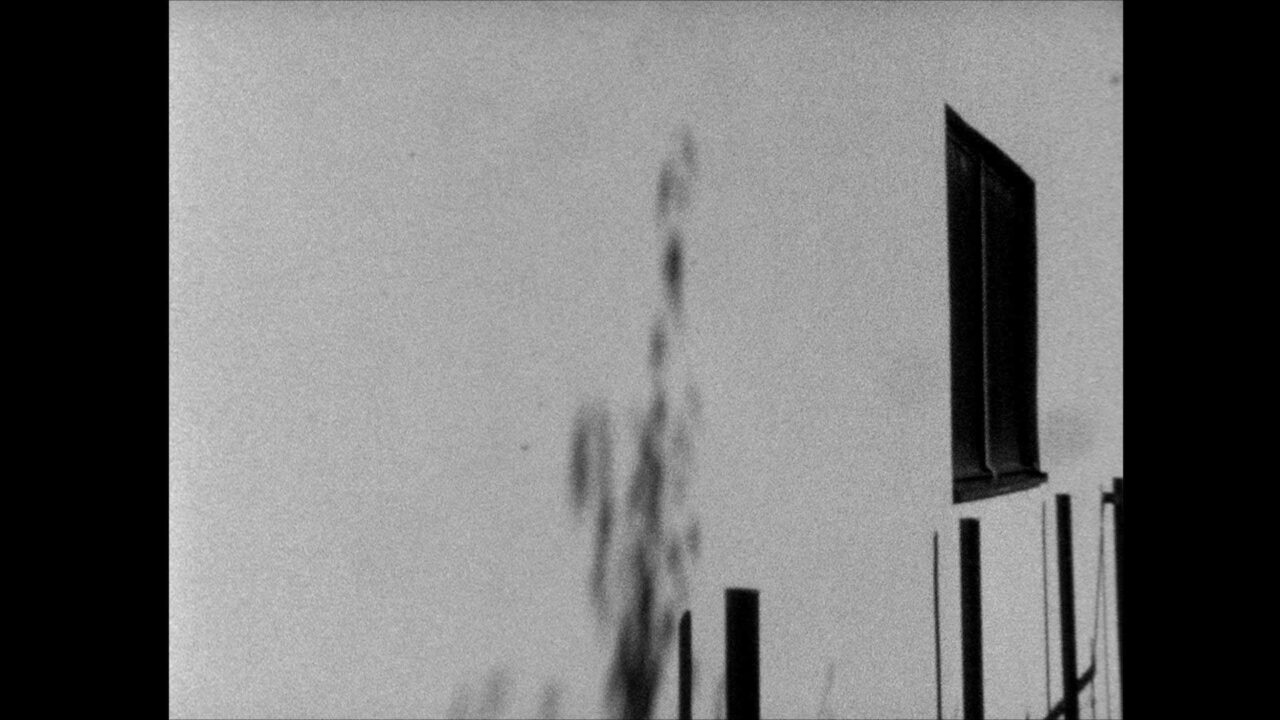
Im Leo shows a figure dressed in red standing in the balcony doorway of the model of a white room and at the same time outside, in the open field. Using a mirror she holds in her hand, Bajtala redirects the sunlight, blinding the camera´s lens and simply obliterating the picture at rhythmic intervals.
Unearthing. In Conversation
Belinda Kazeem-Kamiński
Austria / 2017 / 13 min
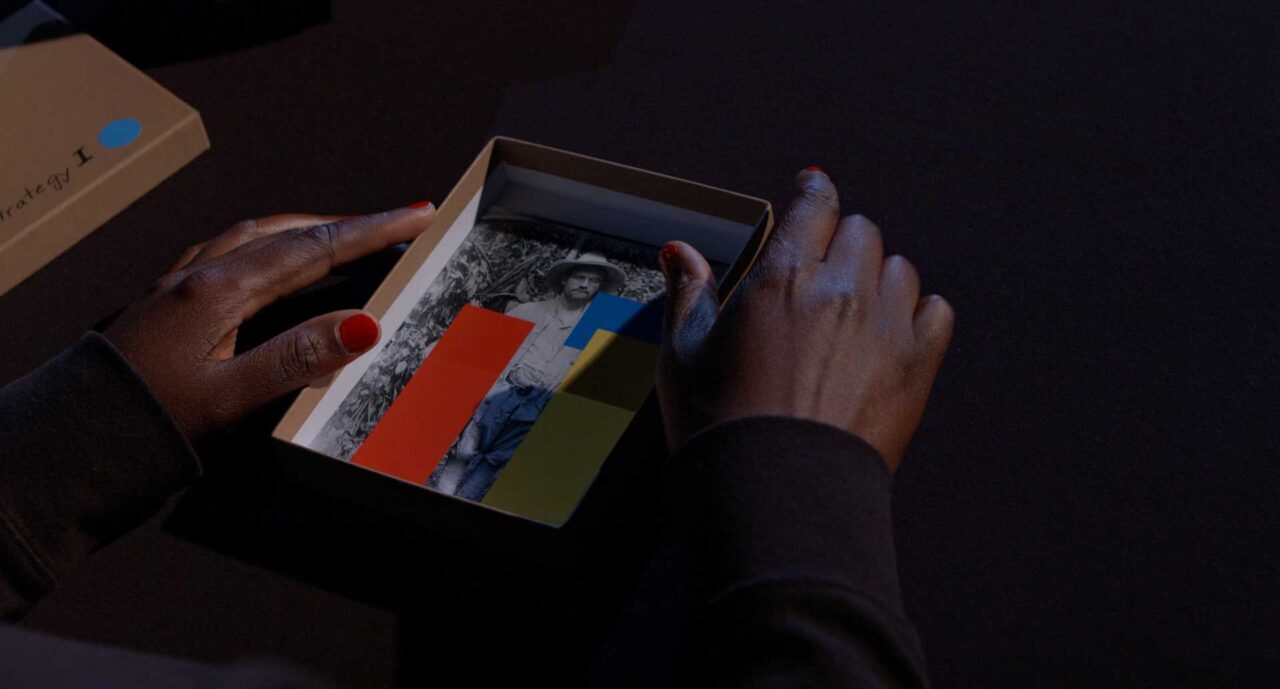
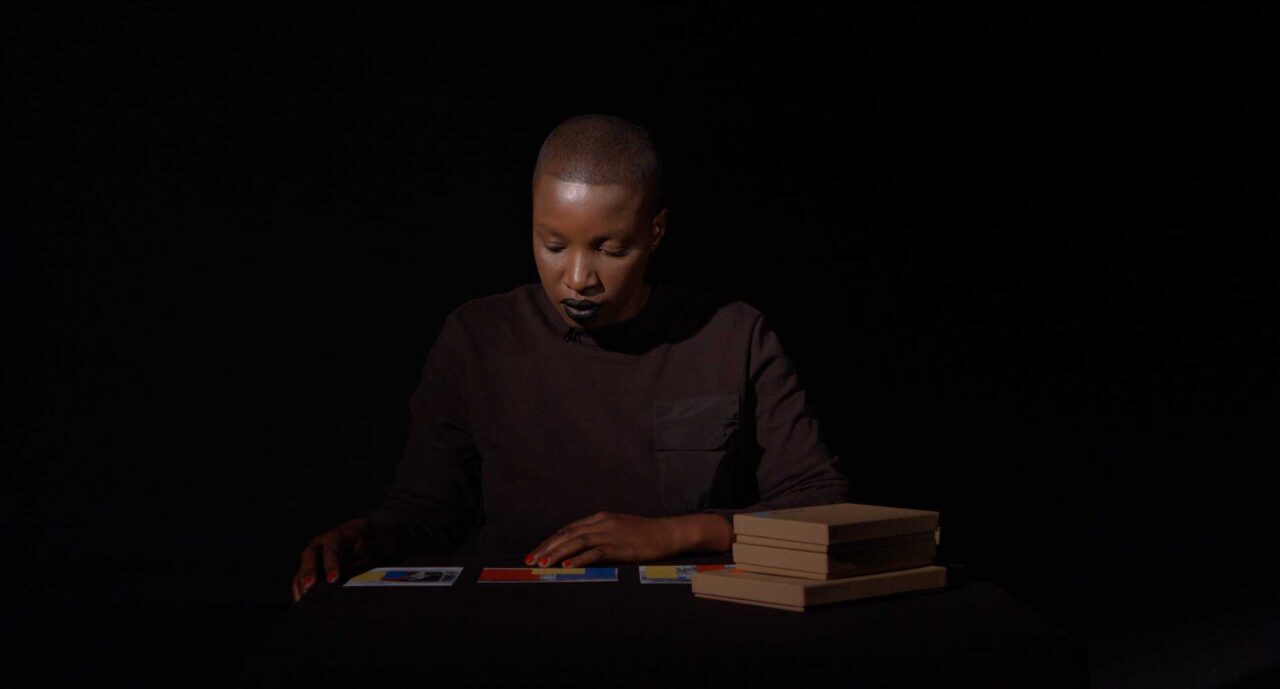
On an empty movie hall stage, Belinda Kazeem-Kamiński uses ethnographic photos to undertake a performative search for presentation strategies capable of resisting the colonial regime of the gaze: self-empowerment via visibility and the opportunity to gaze back — “Until the lion has his or her own storyteller, the hunter will always have the best part of the story”.
We’ll Always Have Paris
Ella Raidel
Austria / 2020 / 4 min
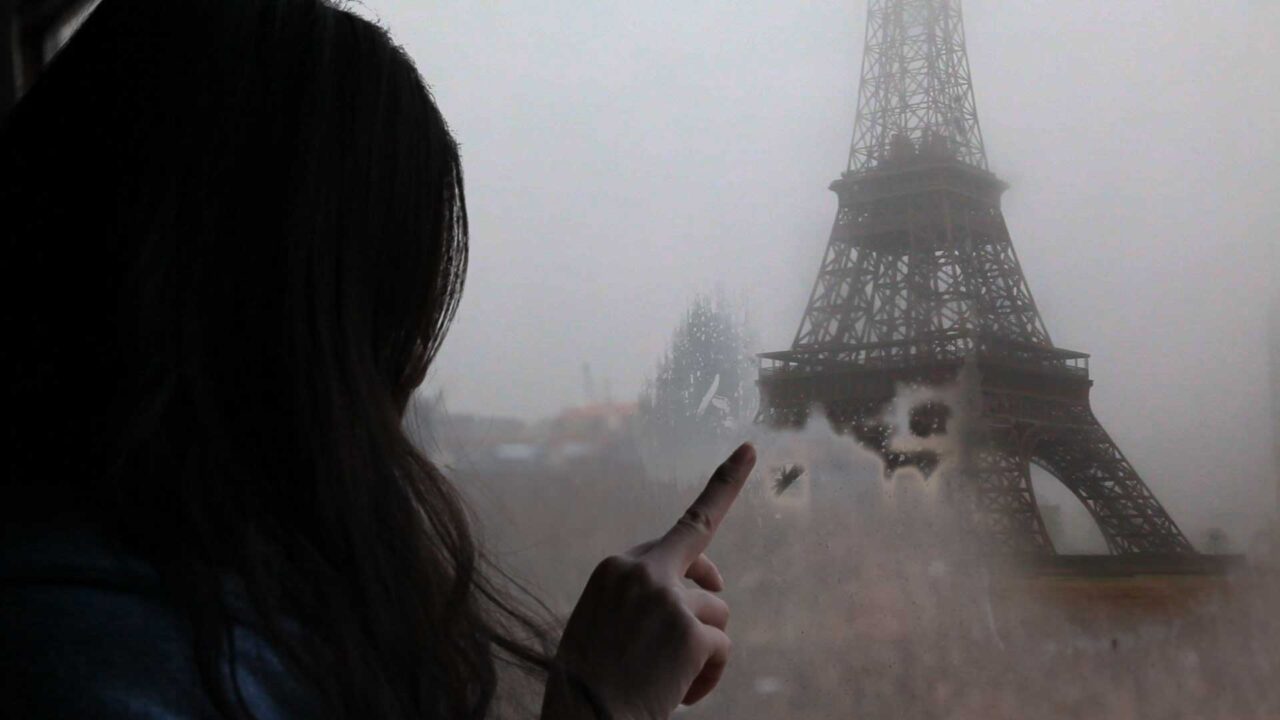
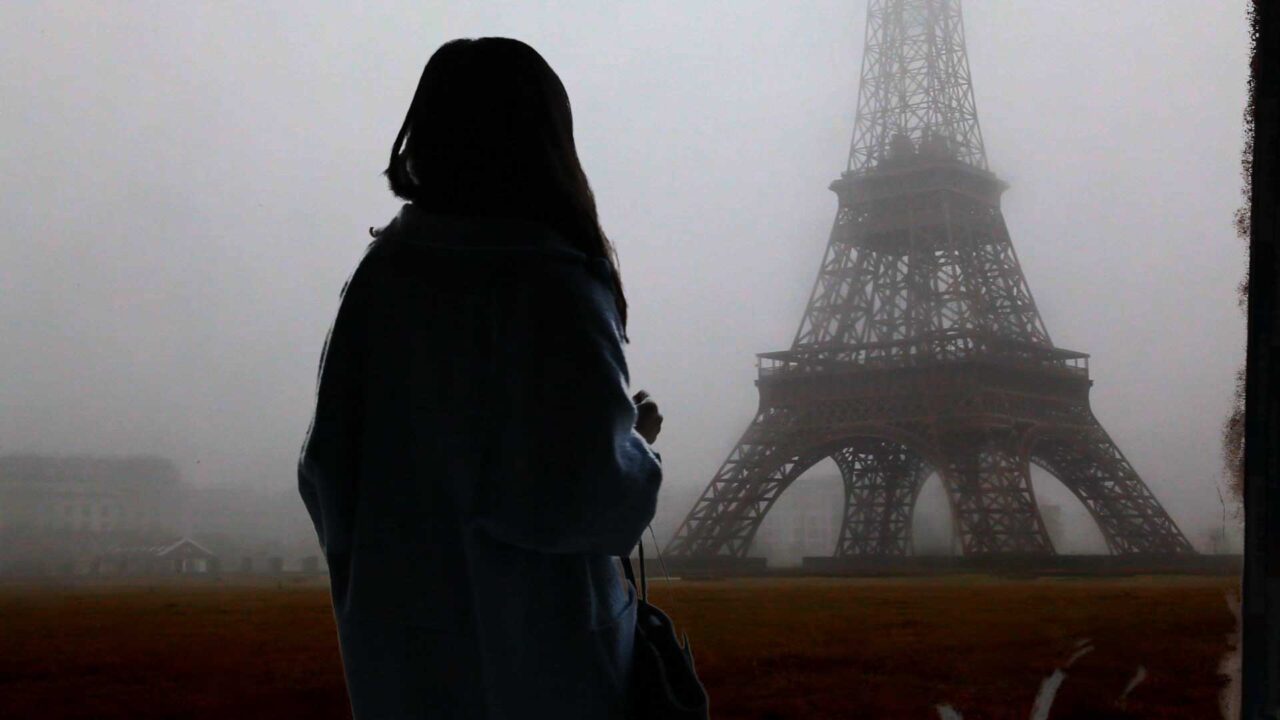
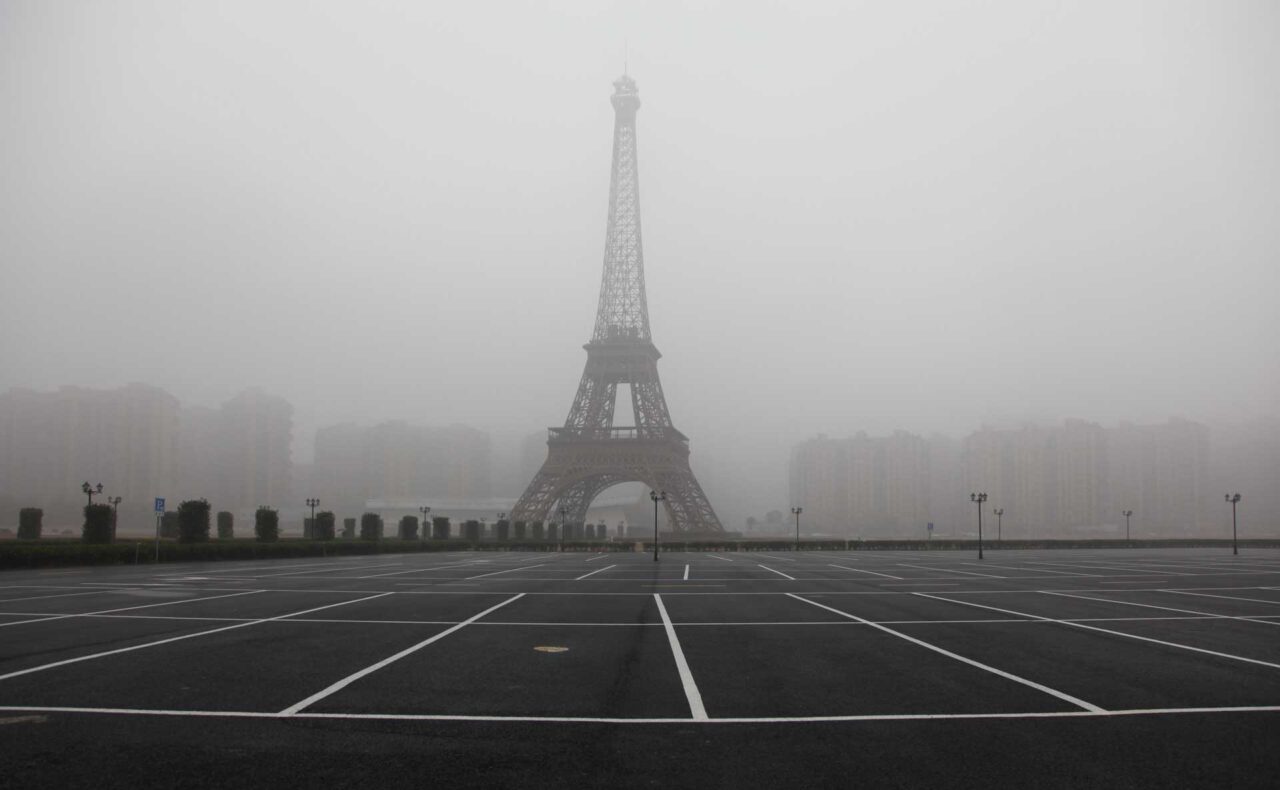
The famous quote that lends the film its title is called into question. Paris is not the obvious choice for the setting of a ghost story. The excess of romance surrounding the French metropolis and its cultural symbols makes them seem almost unsuitable as a backdrop for horror. Not so in Ella Raidel’s work, where the Eiffel Tower, the Champs-Élysées, grand fountains, and neatly trimmed hedges appear as a false Paris, drenched in rain above the Chinese housing complex of Tianducheng. An architectural film, a critique of capitalism, a meditation on representation and simulacrum.
Exhibition Talks
Sasha Pirker, Lotte Schreiber
Austria / 2014 / 9 min
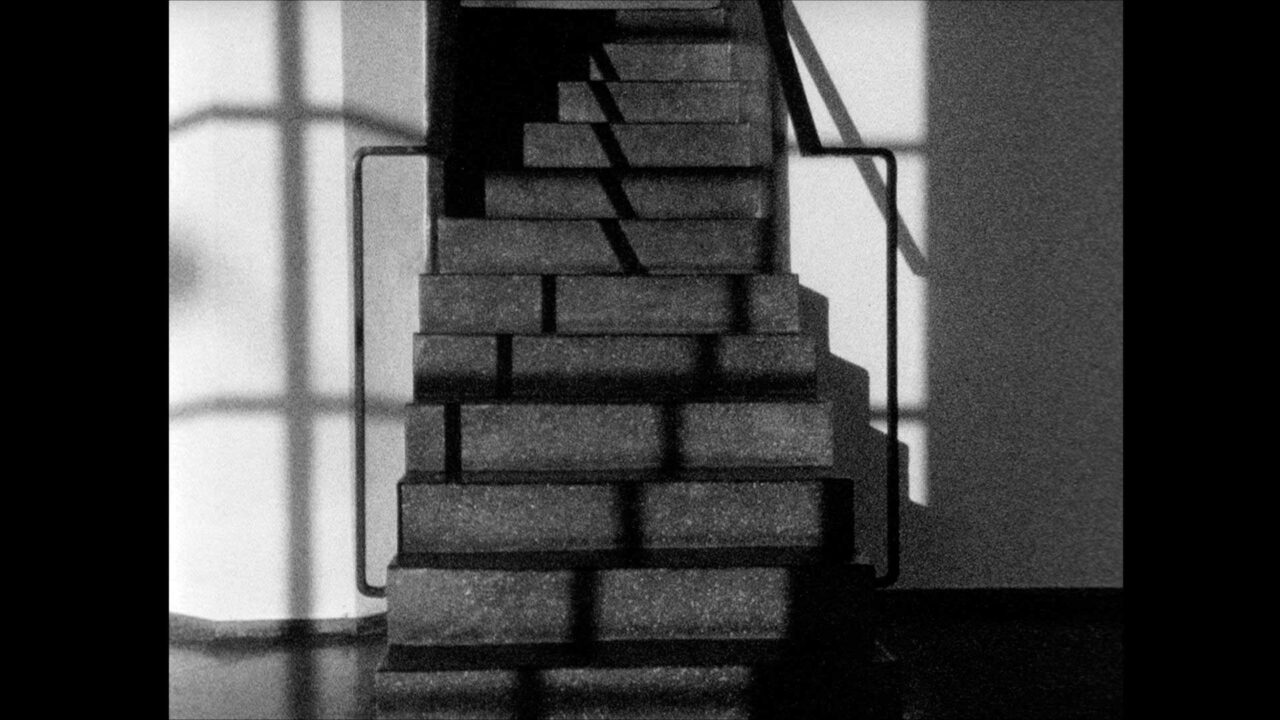
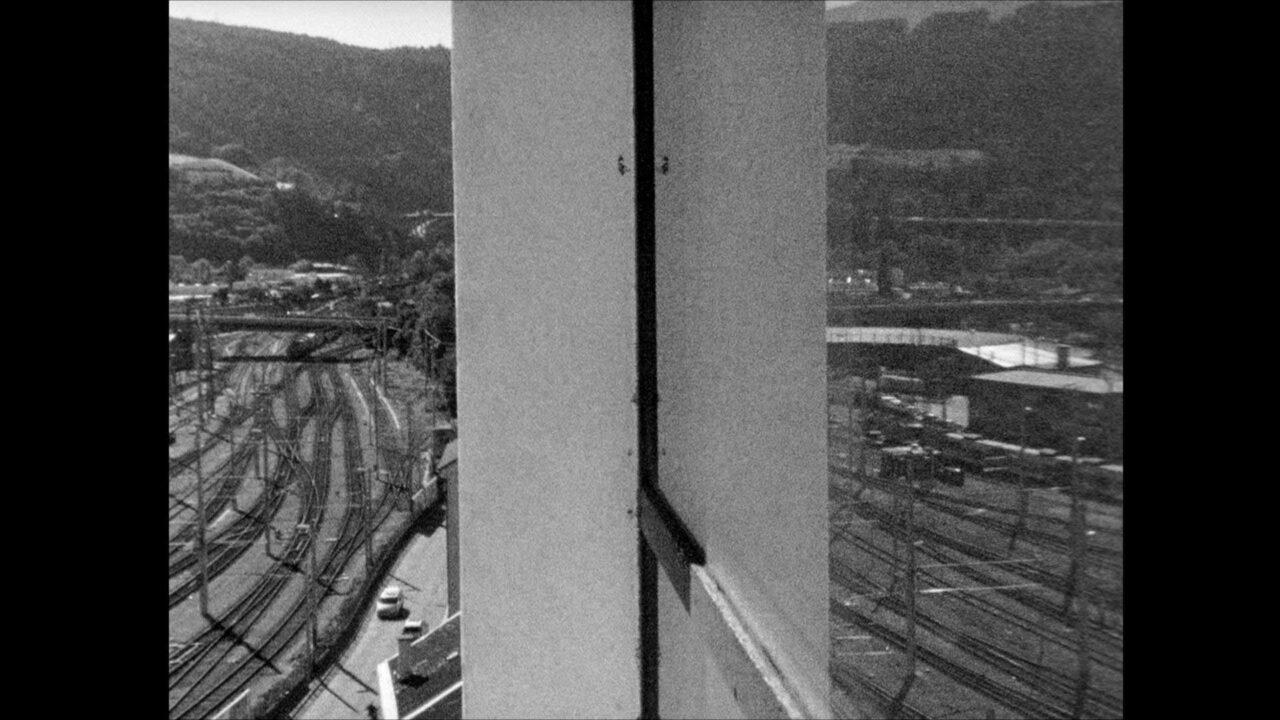
If, as Walter Benjamin claimed, buildings are appropriated in a twofold manner through use and perception; that is, tactically and optically, then Sasha Pirker’s and Lotte Schreiber’s Exhibition Talks can be seen as an attempt to somewhat decouple this mode of reception. While the soundtrack deals with the use of aut, the Tiroler Architekturforum’s exhibition spaces, and the conditions of the individual spaces and possibilities to adapt them for one’s own purposes; the visual track offers fragmentary, static, black-and-white views of the same spaces, which stay in the visual register simply by being linked above the montage to a coherent spatial whole.
I don´t want to be filmed but rather shoot myself
Friedl vom Gröller
Austria / 2023 / 3 min 40 sec
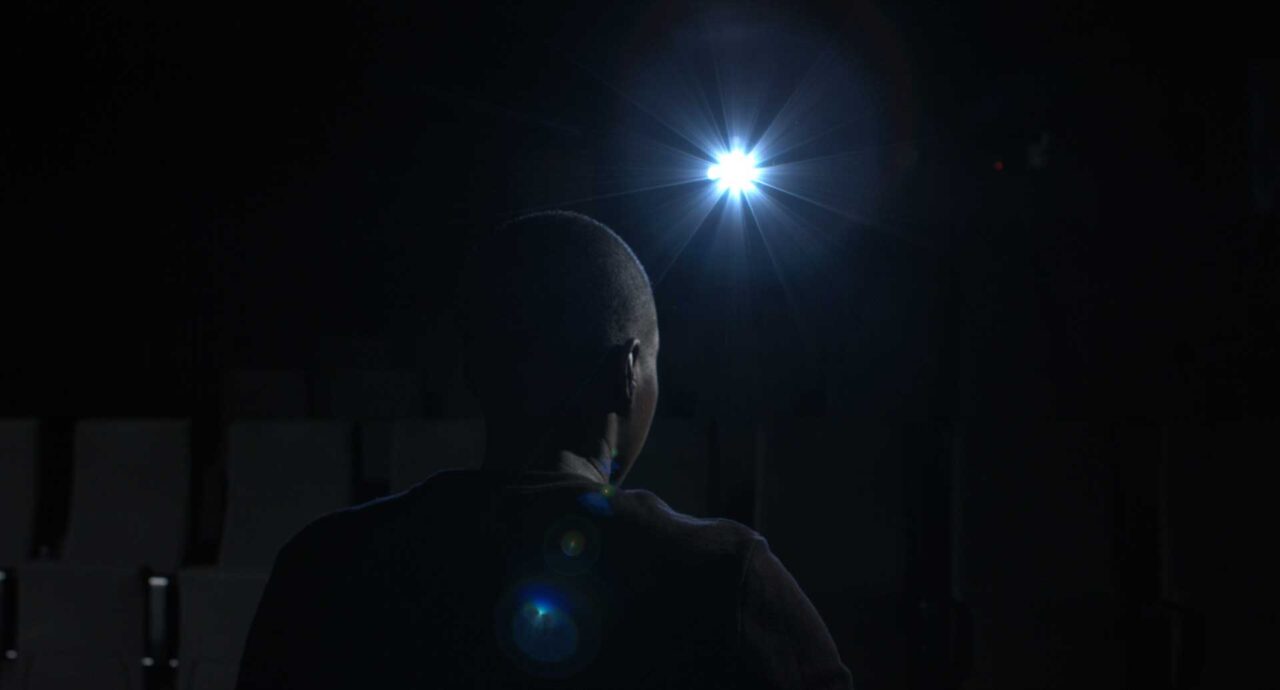
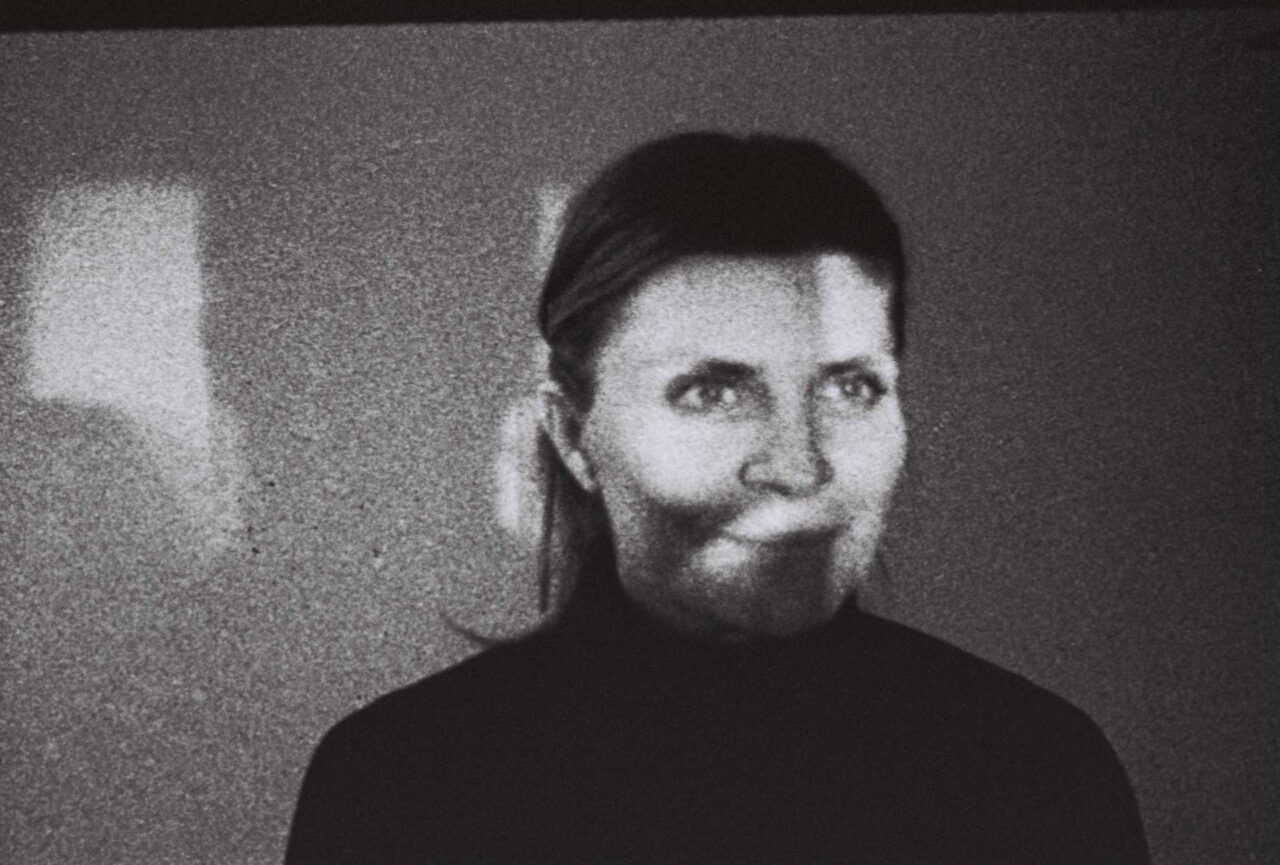
The film is a dialogue and a record of an encounter between two filmmakers who – as becomes immediately clear – share much more than just a common medium. It reveals everything that a portrait can contain beyond the filmed face: a “film of relations” – between the filmer and the filmed, the apparatus of the analogue projector with its glaring light, and the projection of yet another film with yet another face, itself captured while watching. It is an “expanded portrait”: the mirror into which Friedl vom Gröller films and encounters herself filming – an archetypal moment of every self-portrait – opens up the space, as does the projection of her film Max Turnheim (2002–2022), which depicts a young man at different stages of his life.
Egypt
Kathrin Resetarits
Austria / 1997 / 10 min
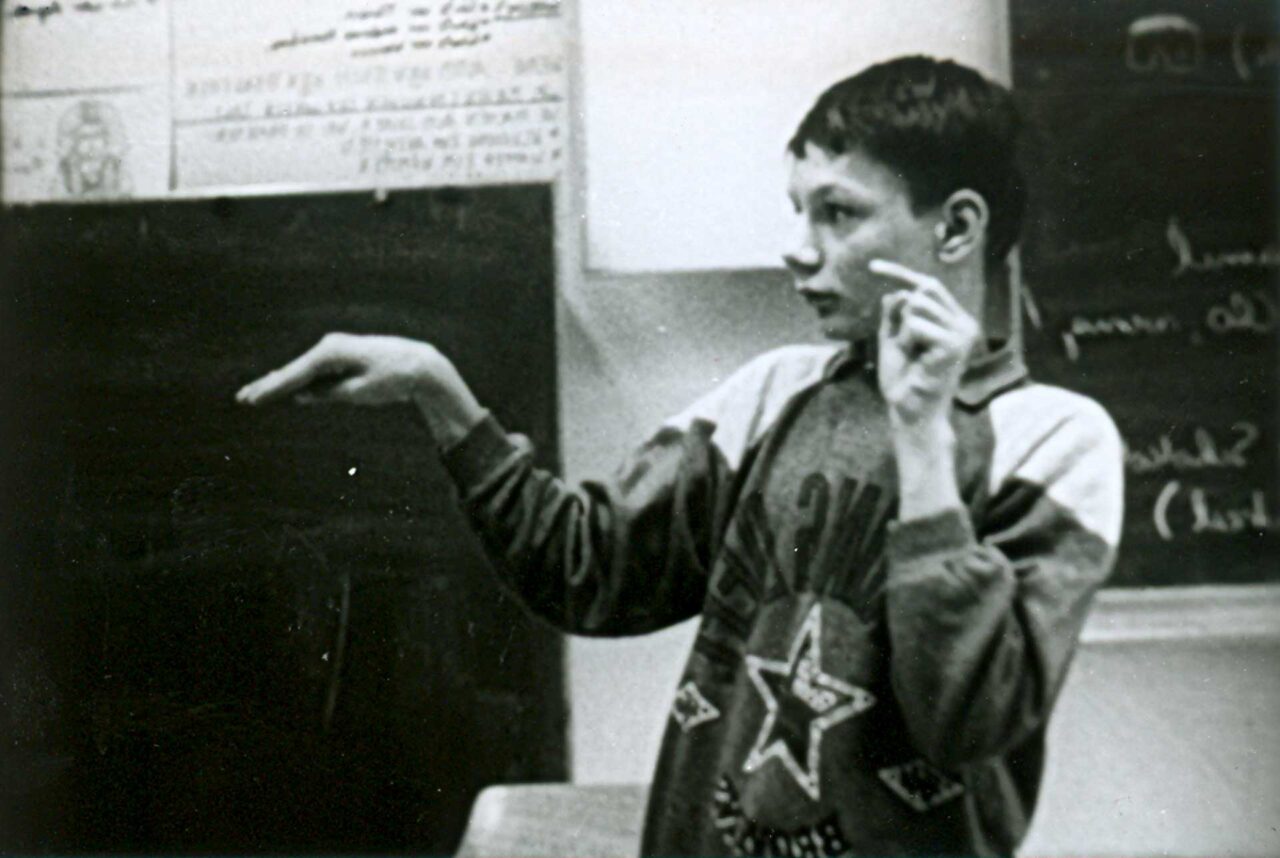
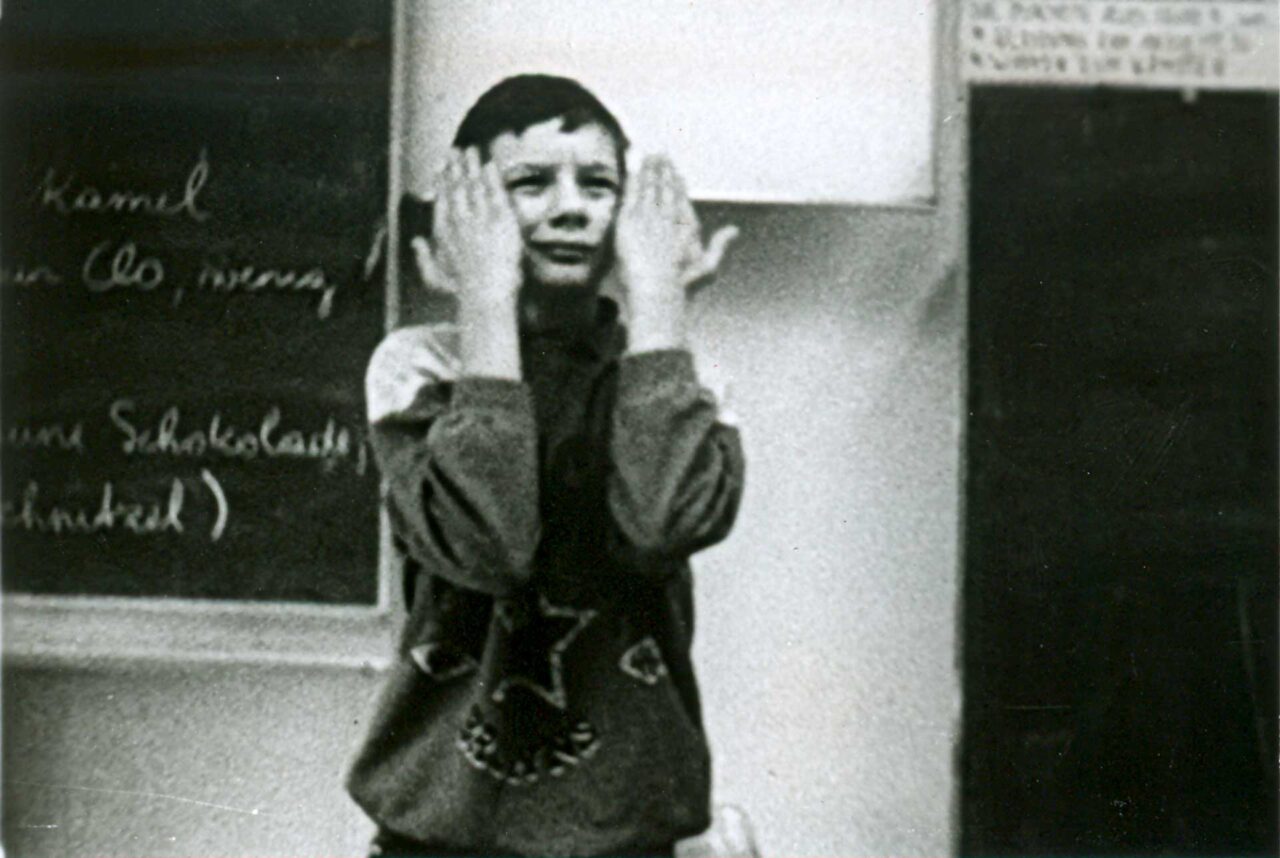
The director has made a very special silent film which consists of rich gestured stories in the sign language. The translation is effected by written words, feature film sequences, voices in off and music. Here there are no extensive explanations, no “relevance justifications” simply something recorded, a successful reminiscence on the expressivity of early cinema. Something which is simultaneously commonplace and, for most people, foreign. Thus Resetarits relativizes the implicit agreement that documentaries are first and foremost concerned with the tristesse of human existence.
Friedl
Christiana Perschon
Austria / 2023 / 2 min 38 sec
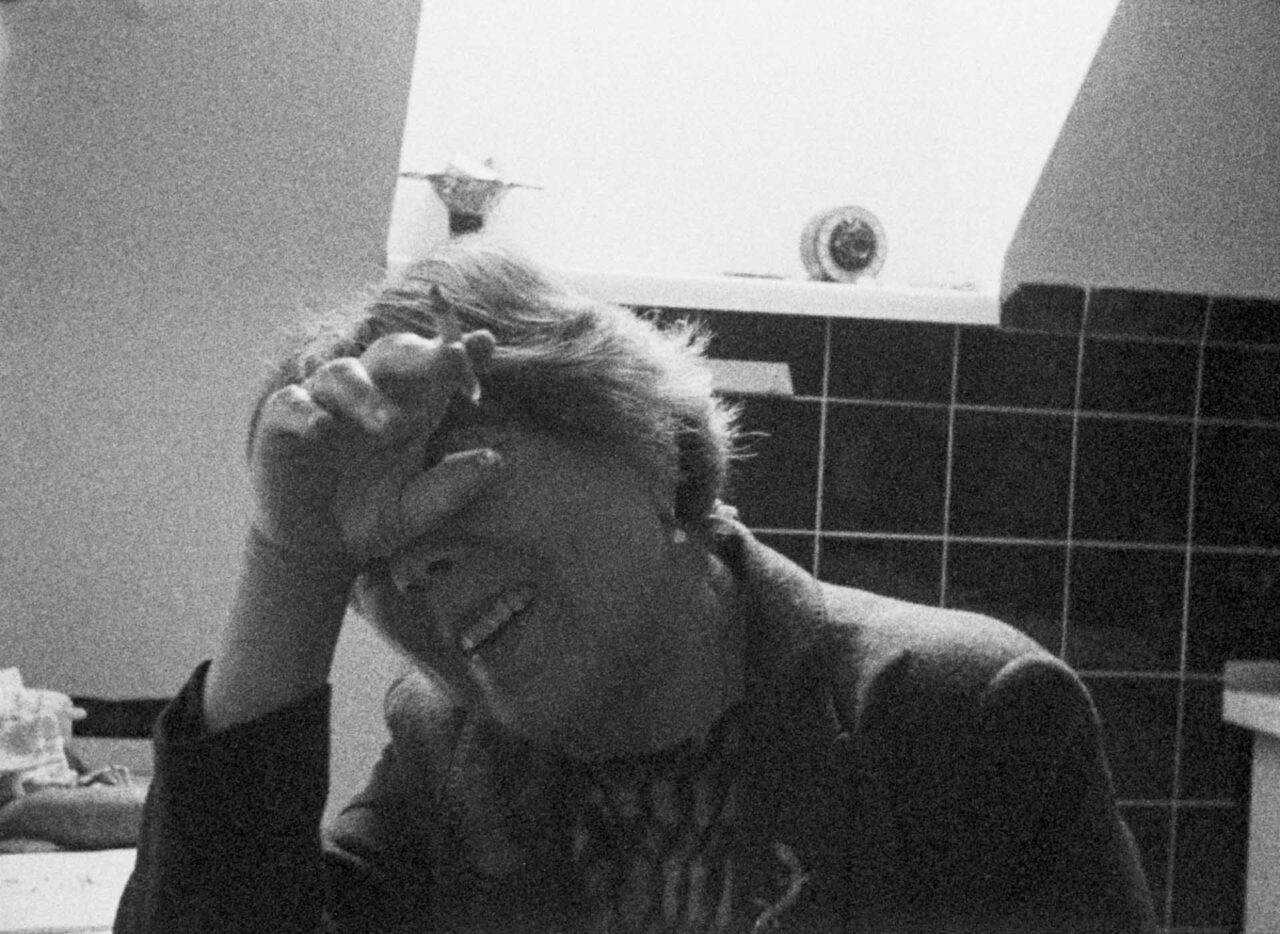
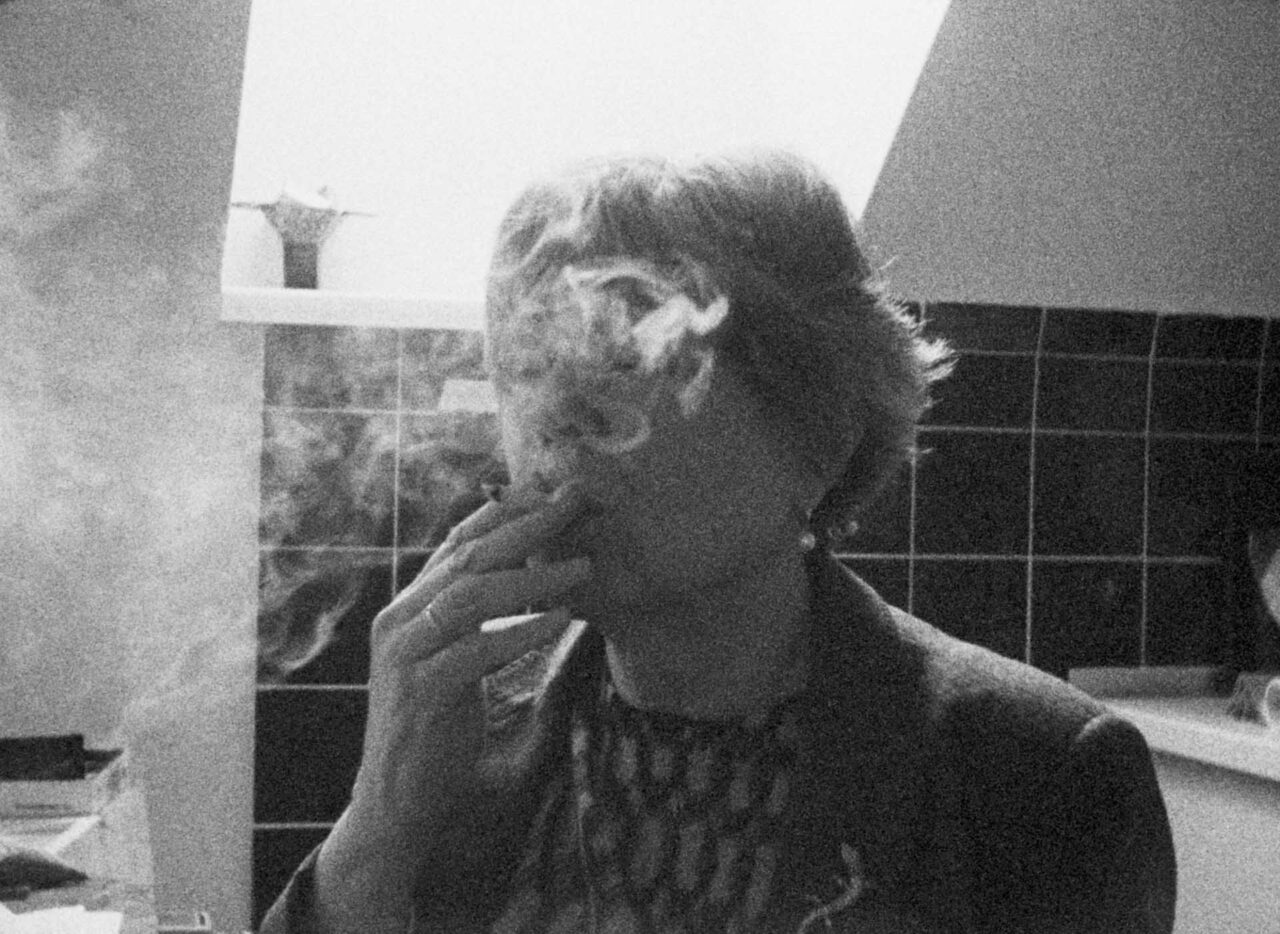
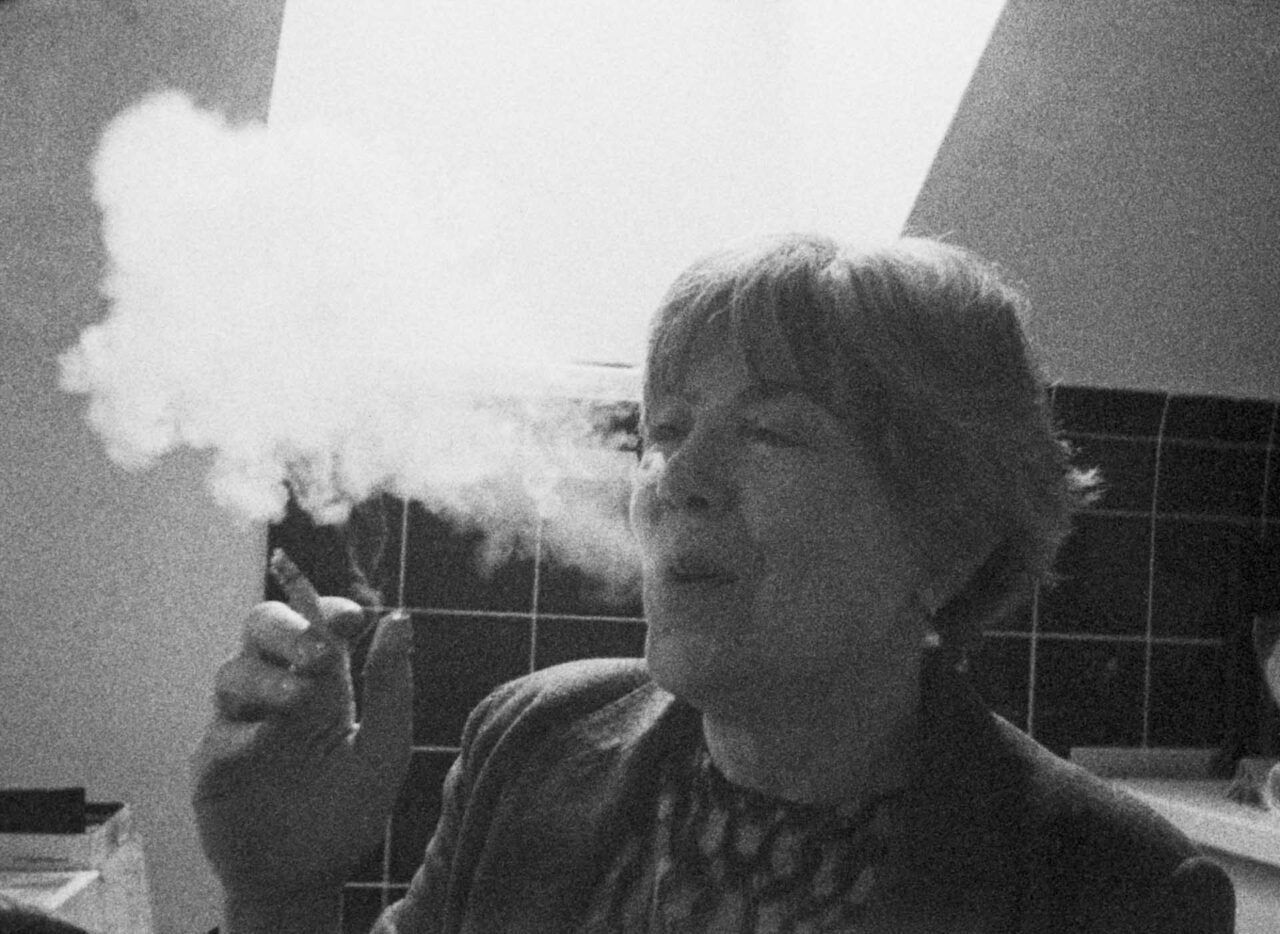
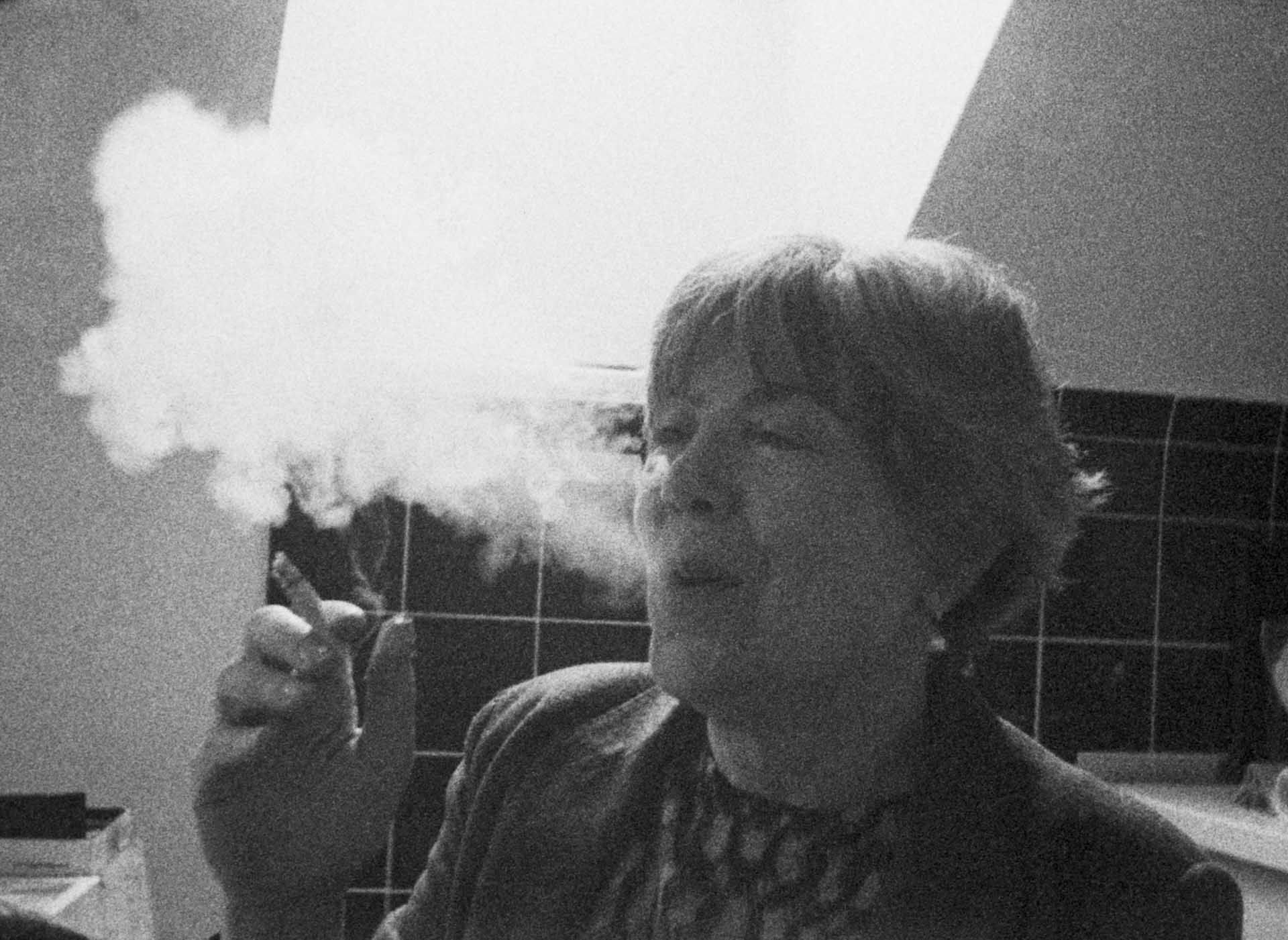
Friedl vom Gröller is the next artist Christiana Perschon films as part of her portrait series. Here, however, it is less about the act of portraiture itself and more about the encounter between two generations of Austrian female filmmakers. The performative exploration of being together animates the seconds captured on film as Gröller smokes a cigarette. It is striking that vom Gröller, who in many of her own films unabashedly places herself at the center of attention, this time seeks to escape the camera’s gaze. Gradually, we perceive how consciously she shapes her own image. This characteristic affirmation of the “I” seen through the eye of another gives Perschon’s film its power and expressiveness.
Passages
Lisl Ponger
Austria / 1996 / 12 min
The director creates an imaginary map of the 20th century on which stories of emigration are engraved like worn traces of Western memory. Photographs taken by attentive tourists appear, in their tense relationship with the soundtrack, as a postcolonial journey. Finally, the magnificent neon signs of “Hotel Edison” and “Radio City” evoke the origins of this form of world appropriation, the era of great expeditions, and the time when technical apparatus and means of transportation fundamentally transformed the perception of modern man. This attentive film demonstrates that, when it comes to images, neither hermetic memory nor immutable innocence exists, and found footage art requires no artificial manipulation to reveal the boundary between privacy and hidden political agendas.
Beaches
Astrid Ofner
Austria / 2019 / 10 min
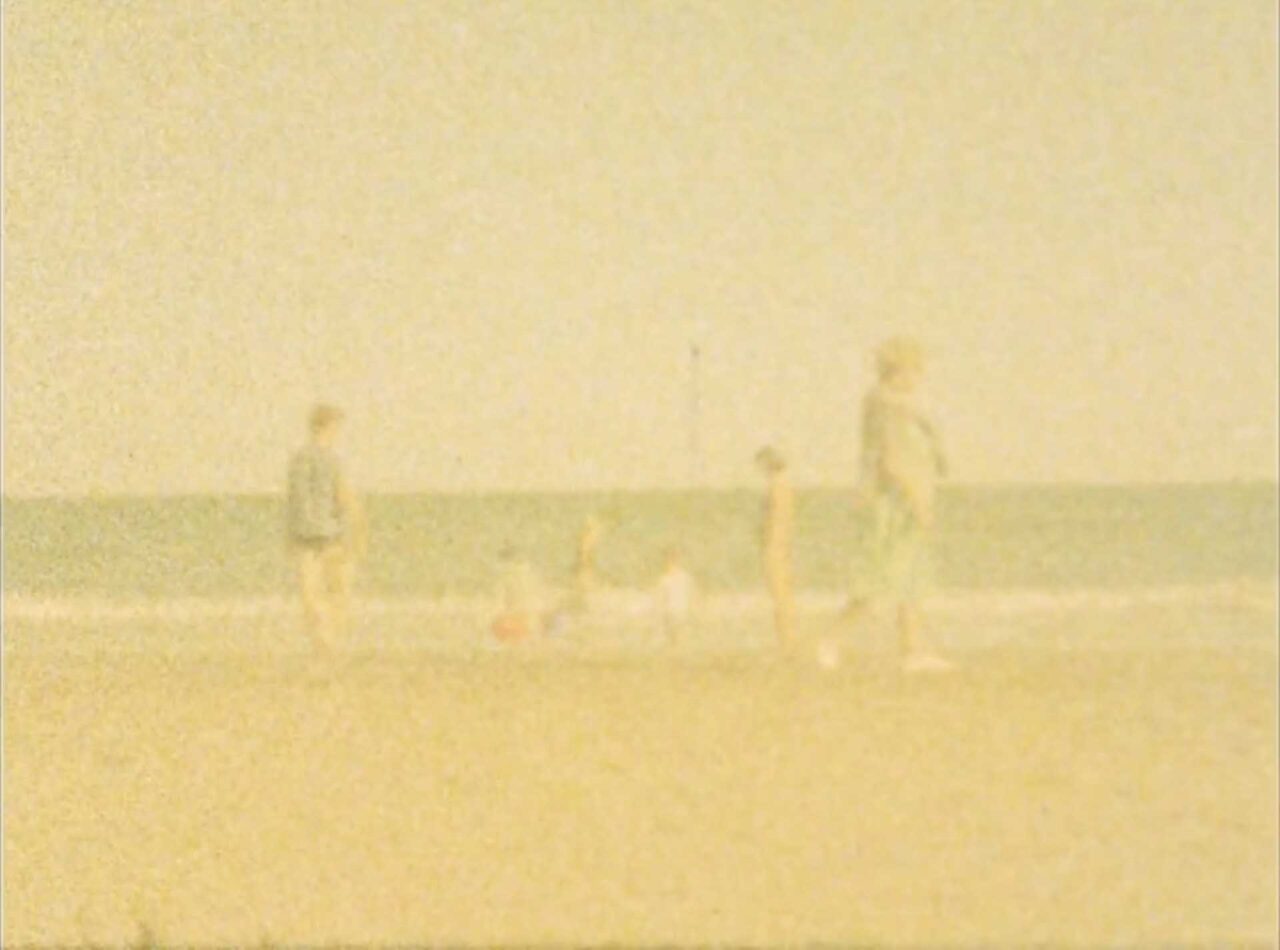
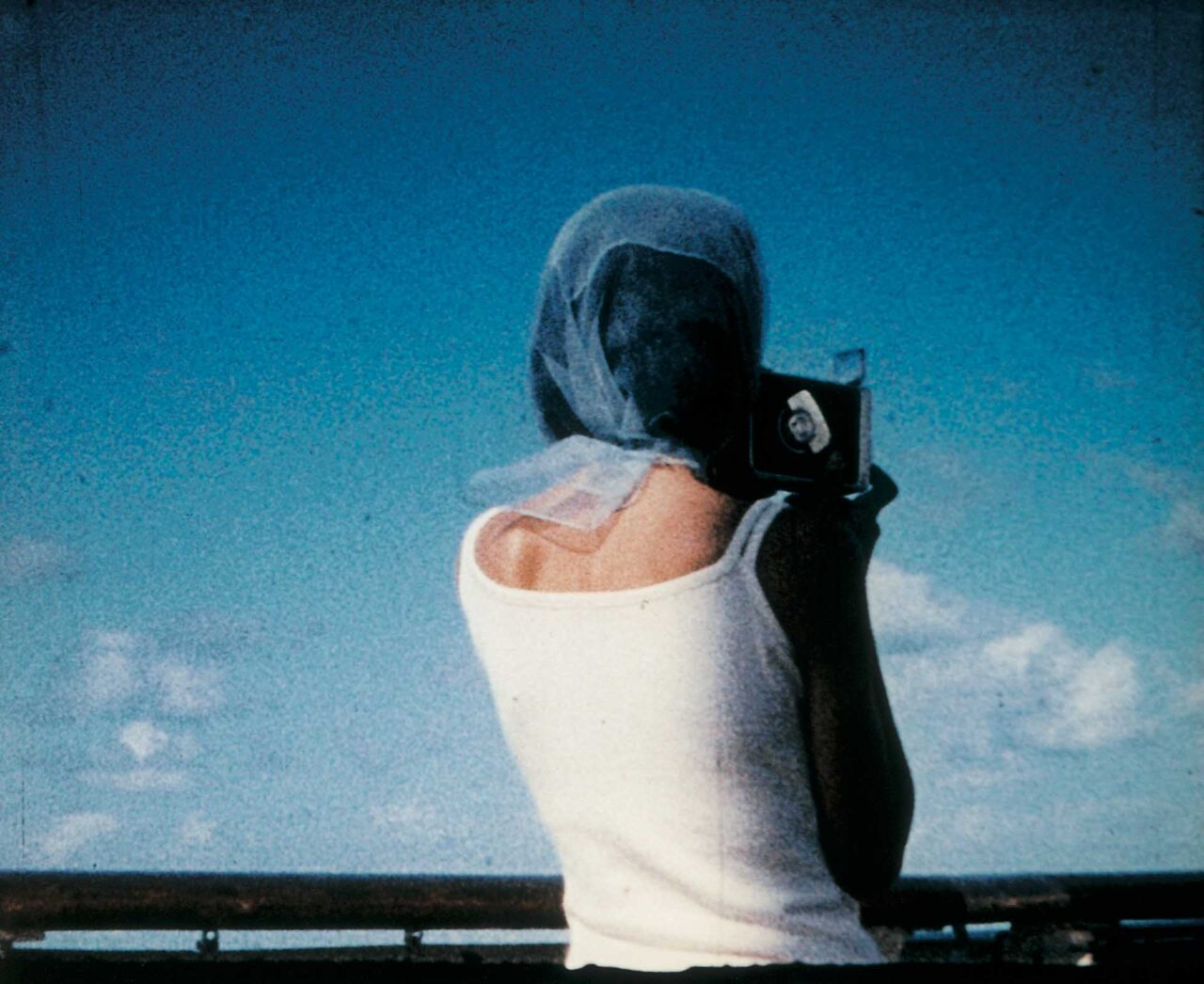
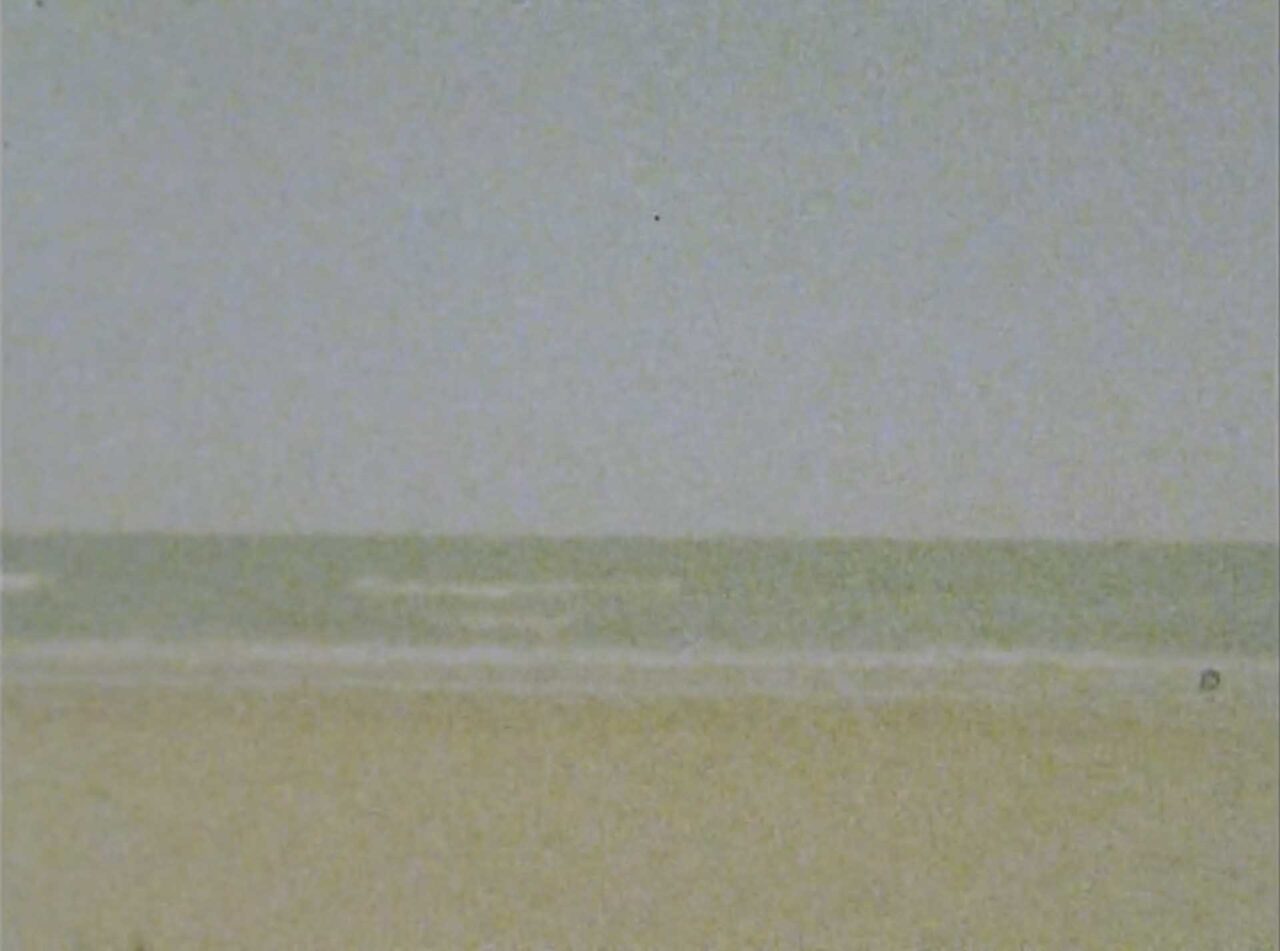
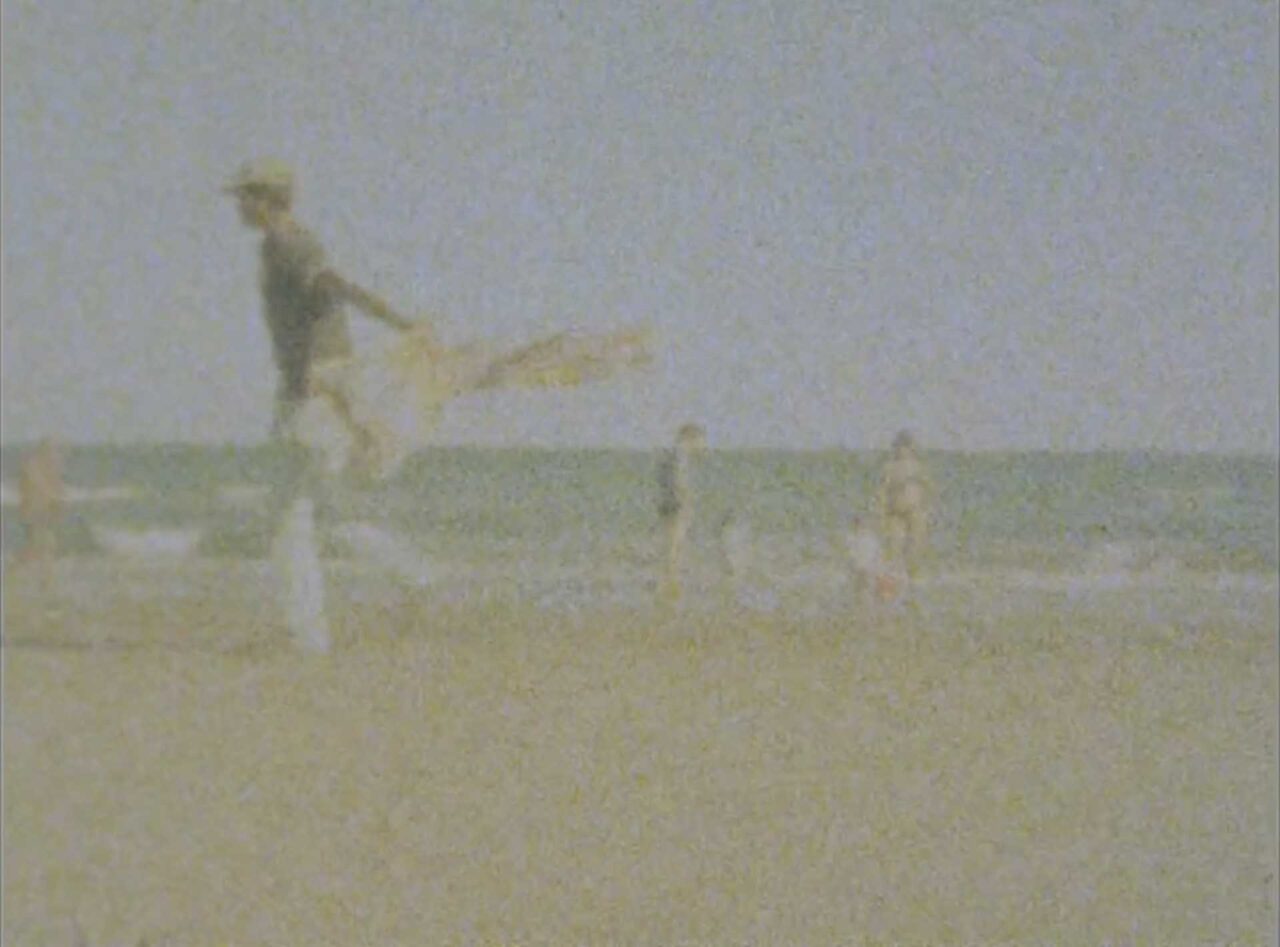
Images of a family vacationing by the sea: in a changing palette of colors, grainy Super 8 footage tells the story of gently foaming waves breaking on the shore of an Adriatic beach. Small children play in the water under the watchful eye of their mother. Soon, their father joins them. An older woman walks by, and later a man flies a kite in the foreground. The images are tinted in soft shades of pink, yellow, and blue. Astrid Ofner’s fragile, analog film footage could convey a longing for summer hours past and tender family bonds, if it weren’t for Sylvie Rohrer’s quick-tempered off-screen narration, attacking the images of the quietly rippling sea from the very beginning.