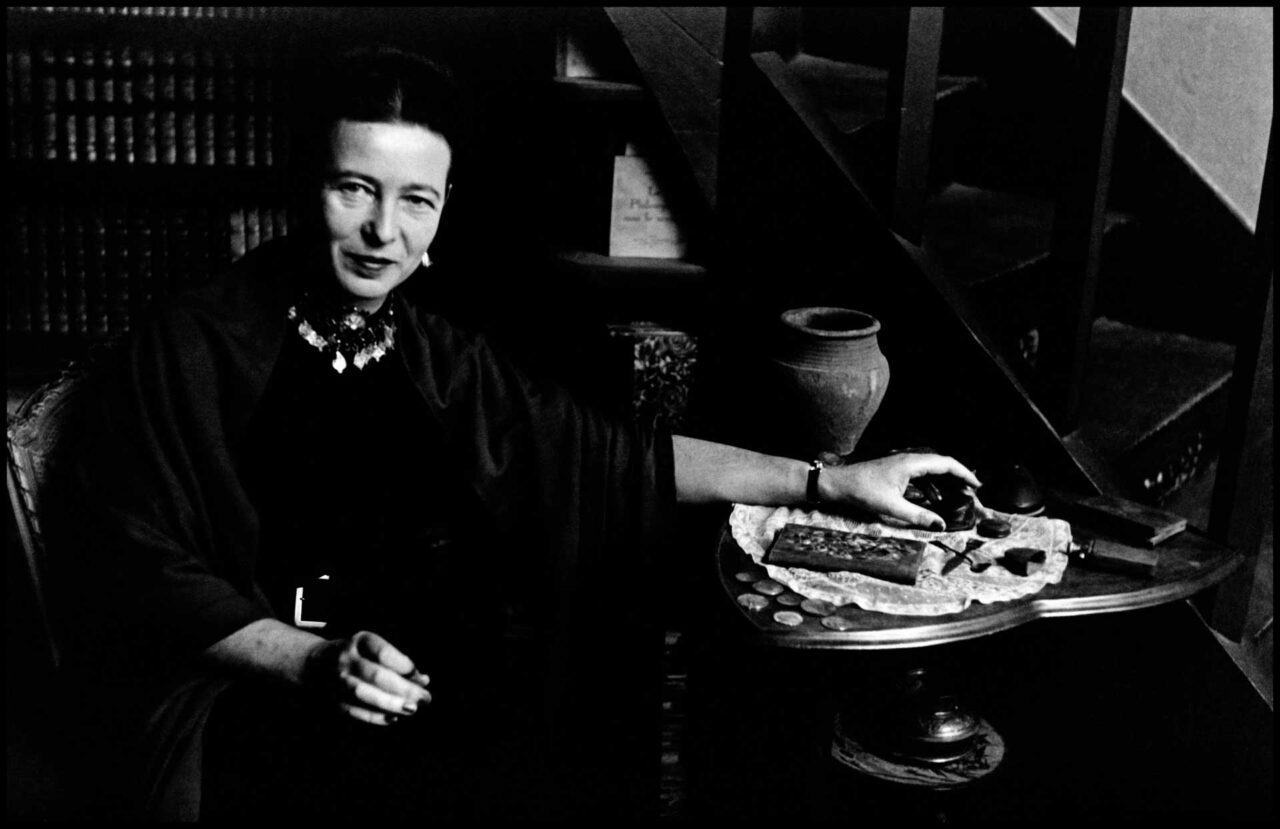
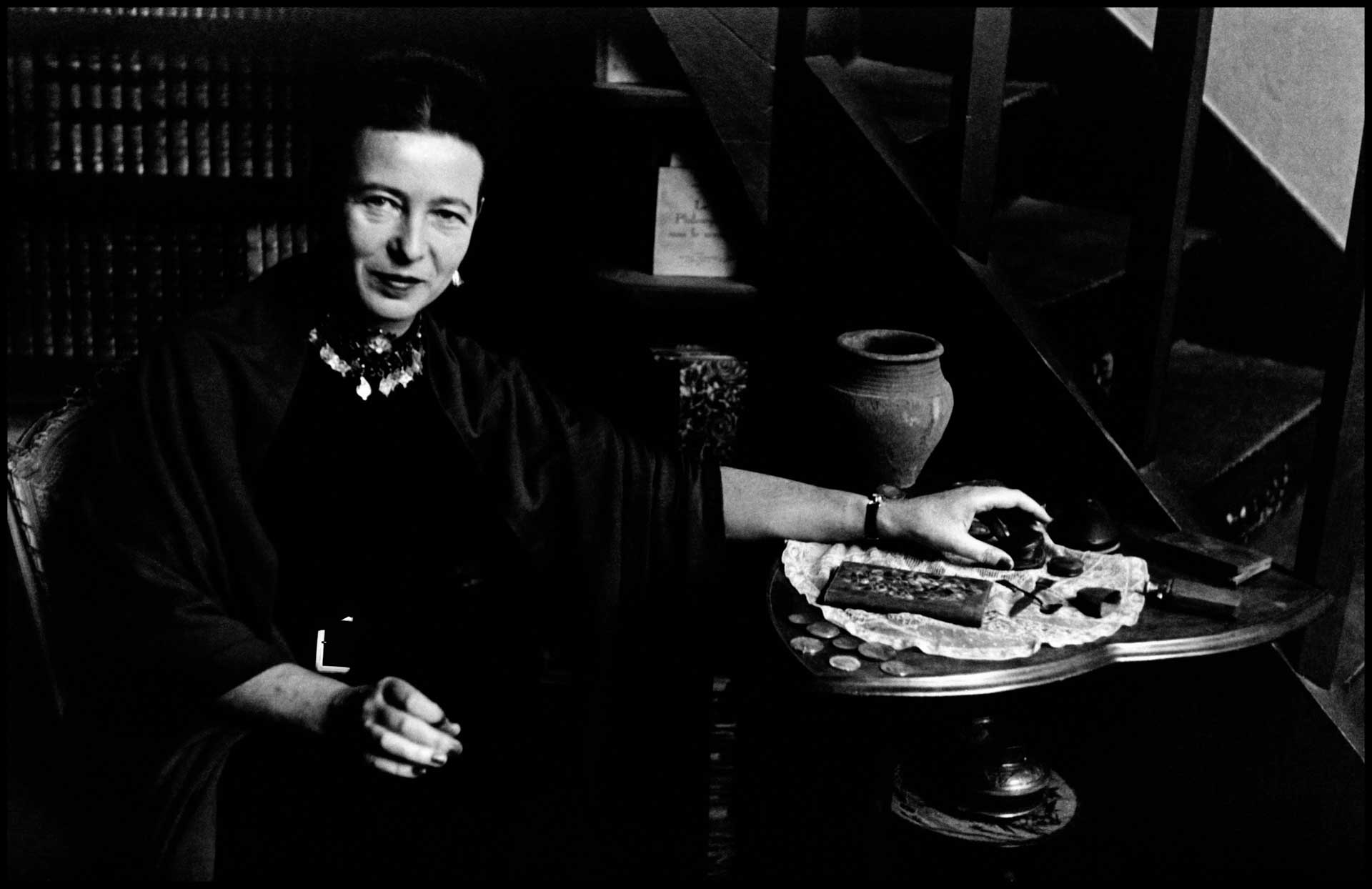
Looking for Simone
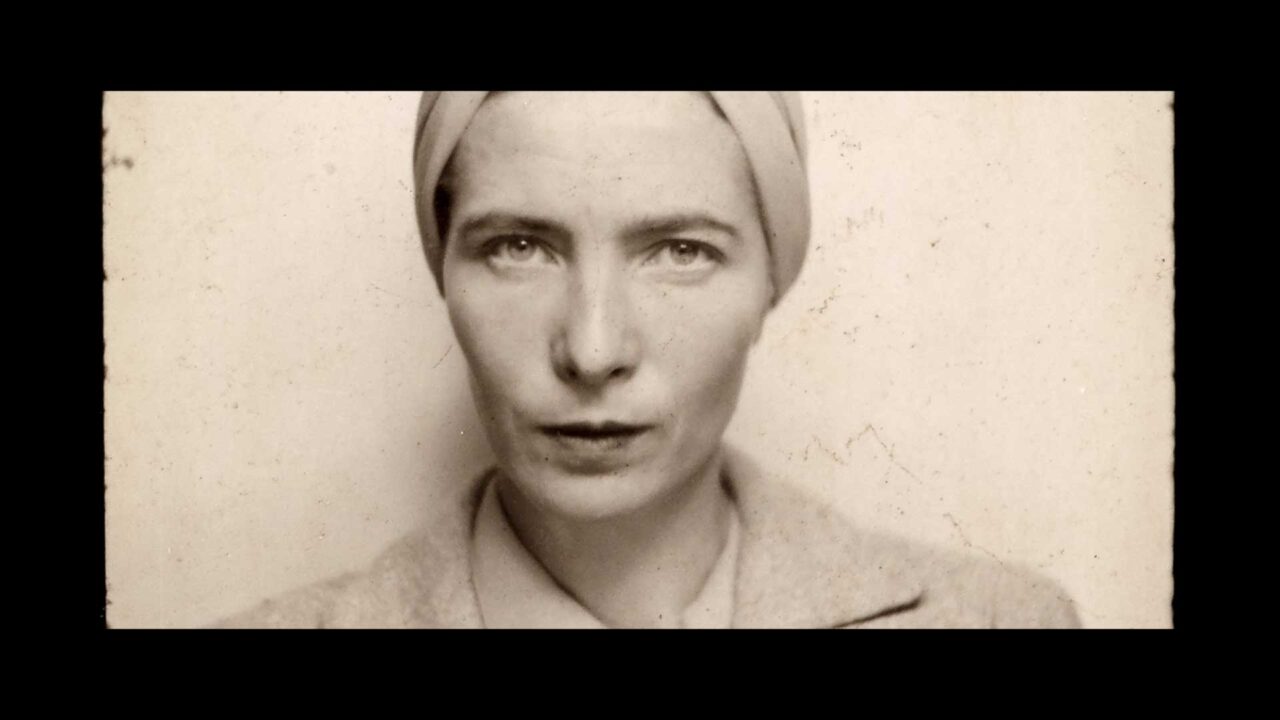
A journey through the United States, where “The Second Sex” first took shape, becomes an opportunity to revisit Simone de Beauvoir’s groundbreaking work, illuminated by reflections from contemporary feminist theorists examining its impact and limitations.
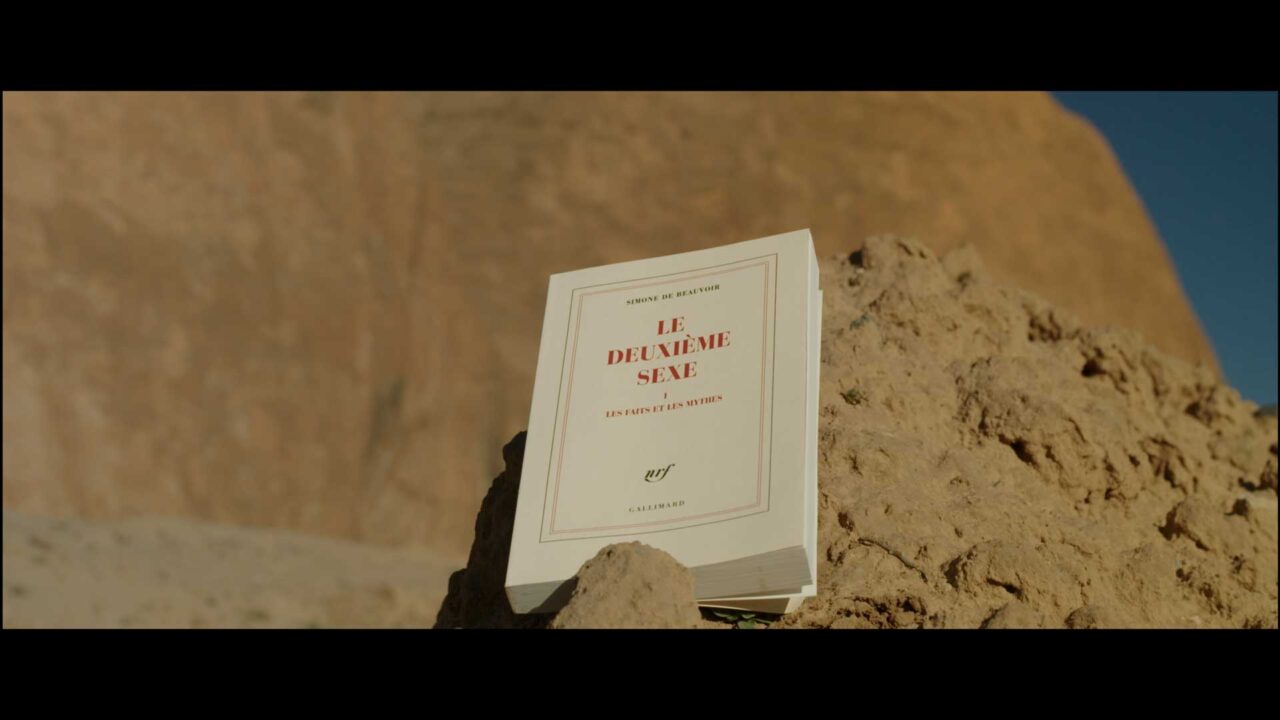
When The Second Sex was published in 1949, it sent shockwaves through society: a thousand-page manifesto advocating gender equality, women’s independence, and liberation from rigid social norms. For the first time, a woman offered such a sharp and unprecedented analysis of the mechanisms of male domination in a postwar world that had yet to recognize the term “patriarchy.” The scandal was immense, and its success, global.
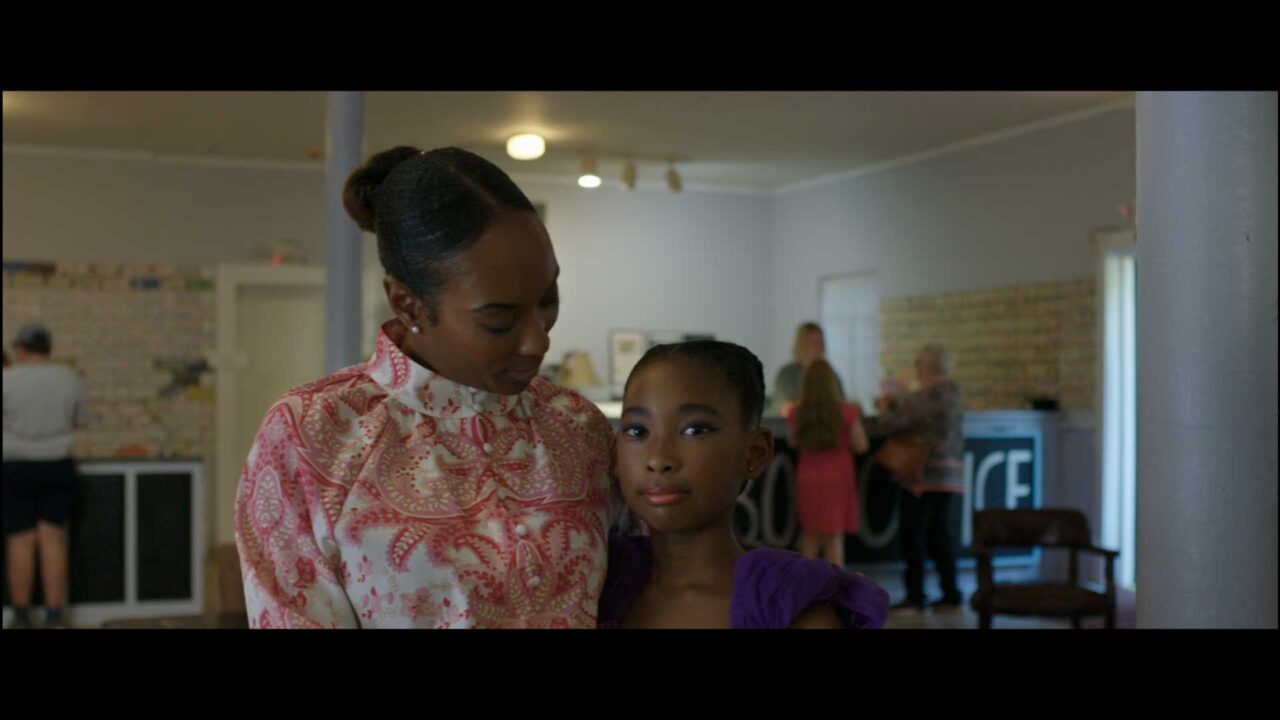
Few people know, however, that the inspiration for The Second Sex originated in the United States, during Simone de Beauvoir’s lecture tour in 1947. Over the course of four months, she observed the country with the keen eye of an entomologist: scrutinizing the behavior of privileged young women, astonished by the rigid expectations imposed on New York women, outraged by the subjugation of wives, and shocked by the brutality of racial segregation in the South.
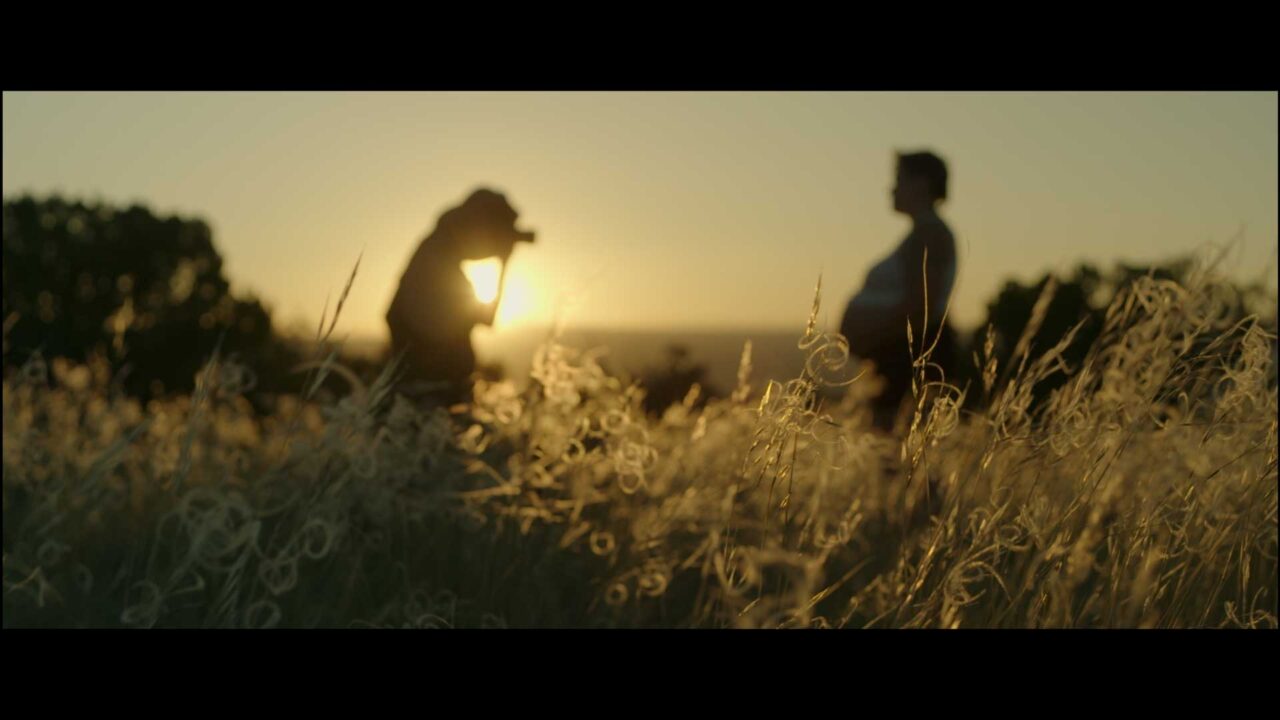
The film by Nathalie Masduraud and Valérie Urrea is conceived as an initiatory journey into the origins of Simone de Beauvoir’s thought—an intimate and political expedition that brings her writings to life, brilliantly interpreted by French actress Noémie Merlant.
At the same time, the film becomes a space for reflection led by some of today’s leading feminist thinkers: Judith Butler, Laure Murat, Silvia Federici, Kellie Carter Jackson, Caitlin Keliiaa, and Françoise Vergès. They examine the revolutionary ideas of The Second Sex, as well as its limitations and blind spots—making the film not only a tribute but also a critical dialogue with one of the most important texts of the twentieth century.

Nathalie Masduraud & Valérie Urréa
Nathalie Masduraud, a graduate of La Fémis, has been active in the film industry since the 1990s. She directs documentaries, particularly artist portraits, including Ella Fitzgerald and Françoise Sagan. Her work also addresses social and historical issues, such as propaganda and collaboration during occupation, as well as living conditions in African communities. Valérie Urréa works in social documentary, exploring topics related to gender identity, ethnic issues, disability, and performing arts. She has also directed films focusing on choreographer Mathilde Monnier. Together, Masduraud and Urréa made their first joint film in 2014, Afrique du Sud – Portraits Chromatiques, a documentary on the South African photography scene, produced for Arte and accompanied by a mini-series. The theme of photography reappears in their next project, Focus Iran, l’audace au premier plan (2017), dedicated to the young Iranian scene and extended through the web series Iran#NoFilter. Their latest collaborative film is Looking for Simone.
Director: Nathalie Masduraud & Valérie Urréa
Producer(s): Julie Guesnon Amarante, Justine Henoschberg
Production: Les Batelières productions
Language: English, French
Subtitles: Polish, English