Short films set by now-iconic feminist artists, as well as younger generations.
Their contributions range from anarchic performances, documentary sketches and queer gems to animations or found footage films. You’ll find complex explorations of repressed political history and structural social exclusion, cinematic reflections on architecture and pointed portraits, as well as elaborate artistic challenges to new technologies, including AI, and more comic relief.
…a car…
Carola Dertnig
Austria / 2010 / 8 min
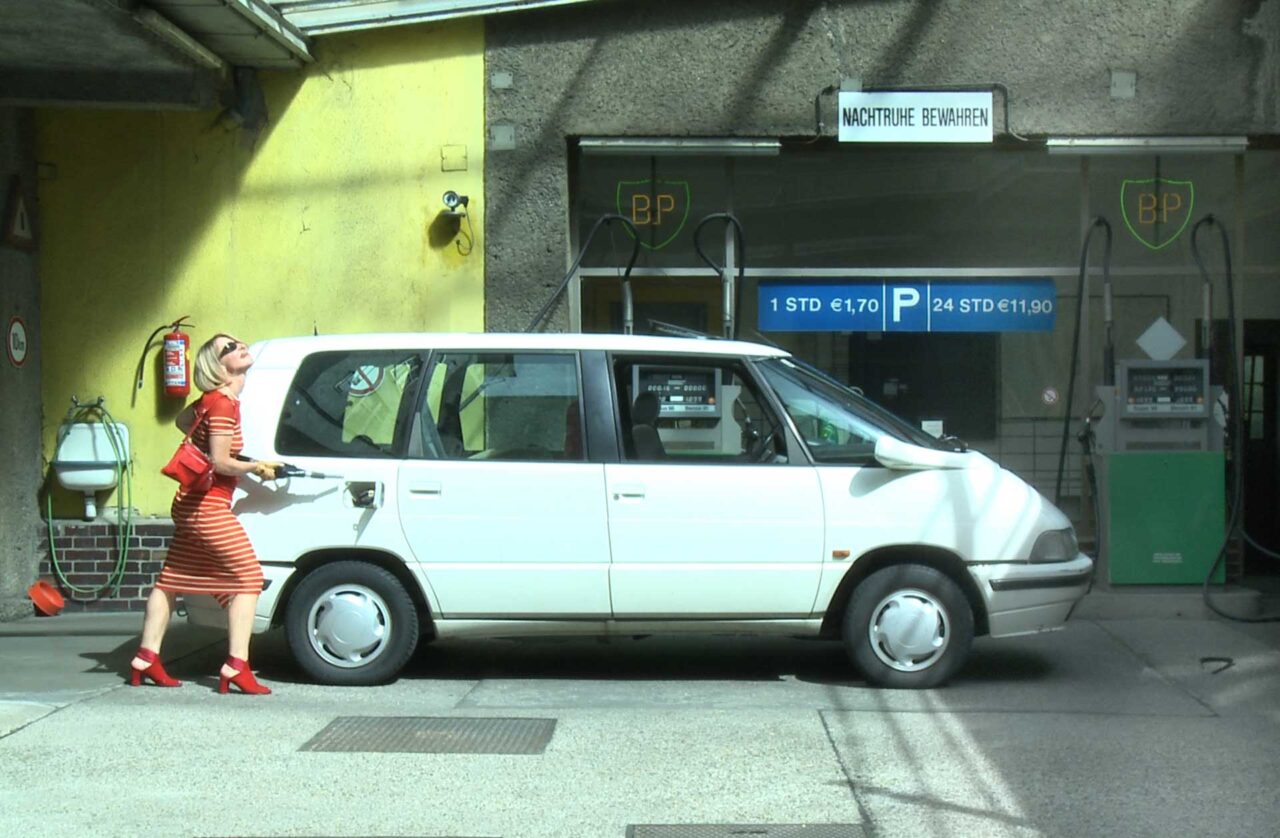
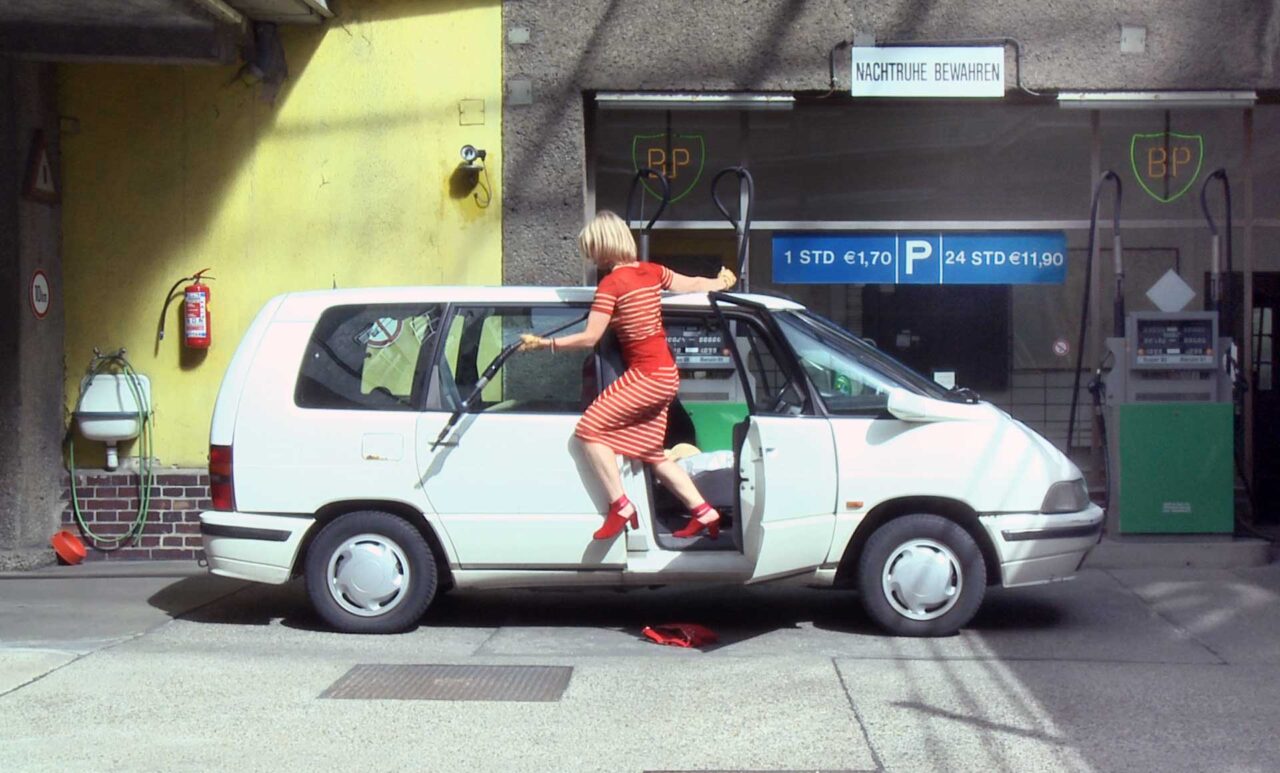
A familiar scenario and an everyday situation: parking a car. Carola Dertnig examines various daily routines for their comic potential, and here it is driving’s turn. Dressed like a “hot chick,” the artist maneuvers and parks her huge car in Vienna’s Apollo Garage, which becomes the stage for her latest slice-of-life comedy.
Carte Noire
Michaela Grill
Austria, Canada / 2014 / 2 min 30 sec
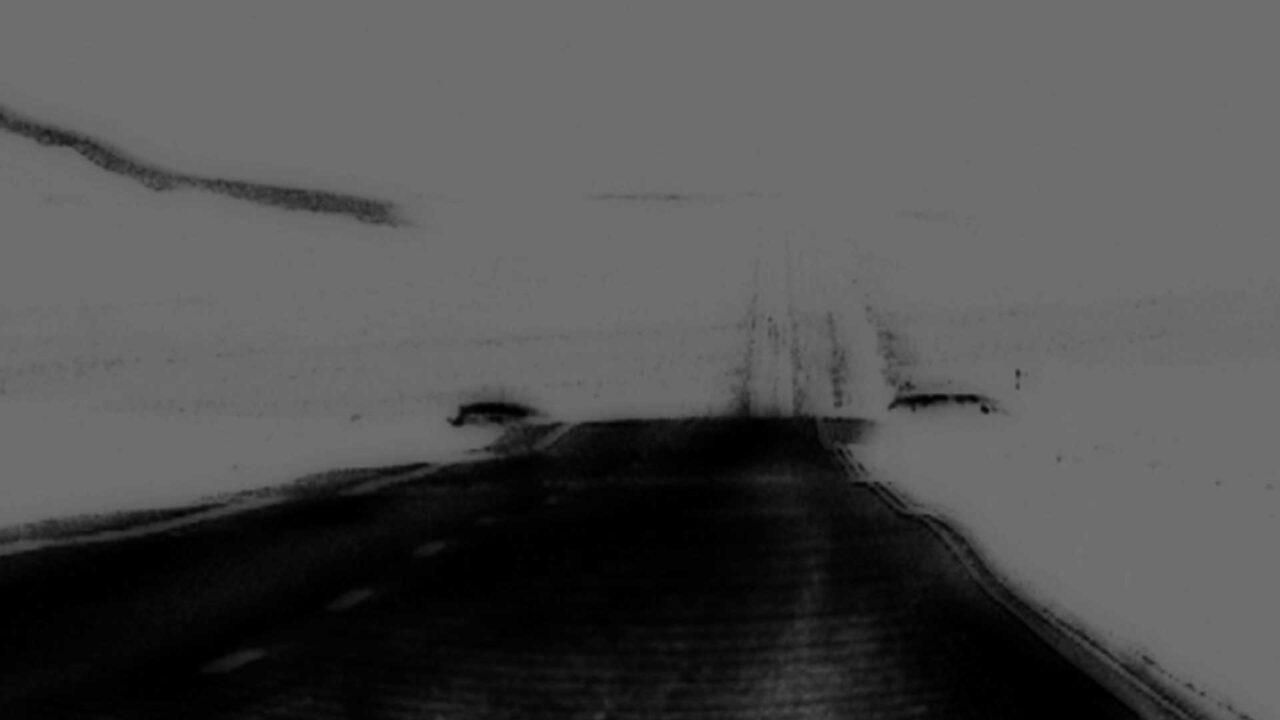
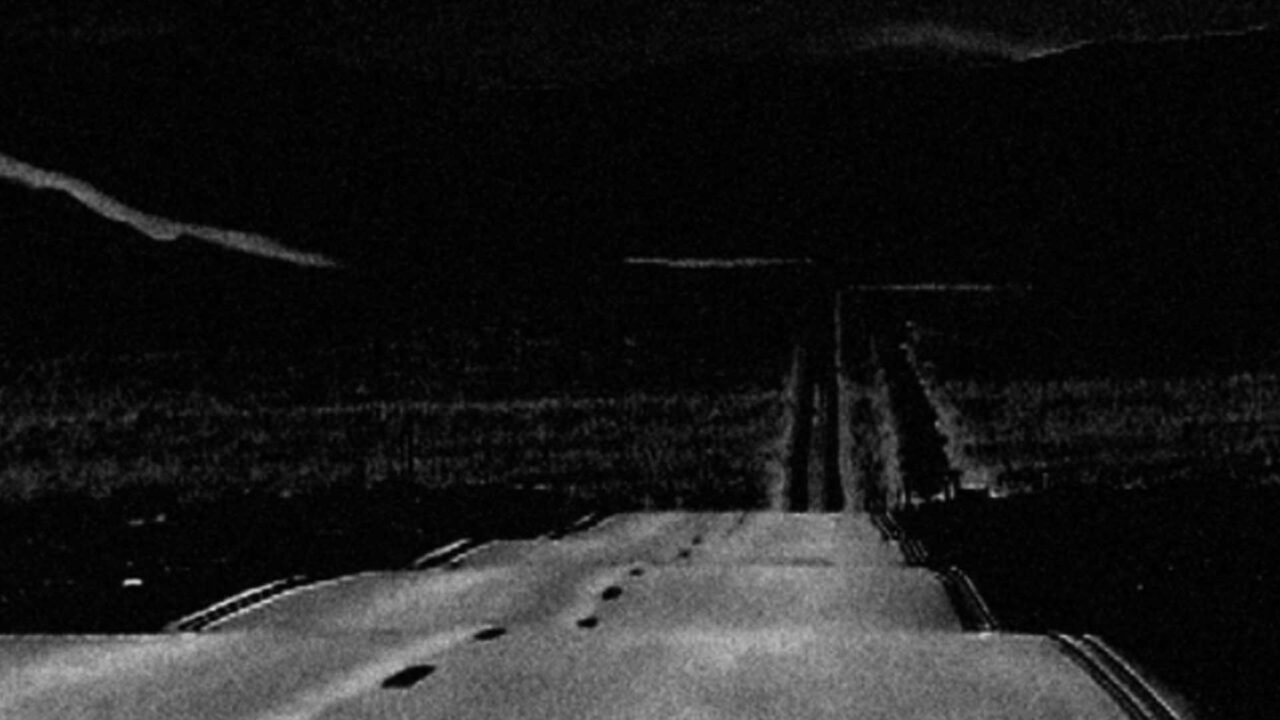
White flashes in the darkness of night. As if etched, as if pasted in. Flickering specters, ghostly visions. A true phantom ride, a film of tension. In carte noire, a dark road movie miniature, the artist continues her cinematic exploration from the abstraction of an object to its alienation. This time, she turns to a classical, highly charged motif from popular culture and cinema: a solitary car ride along an empty country road, which almost automatically evokes cross-genre associations.
Amazon Woman
Anna Vasof
Austria / 2021 / 4 min
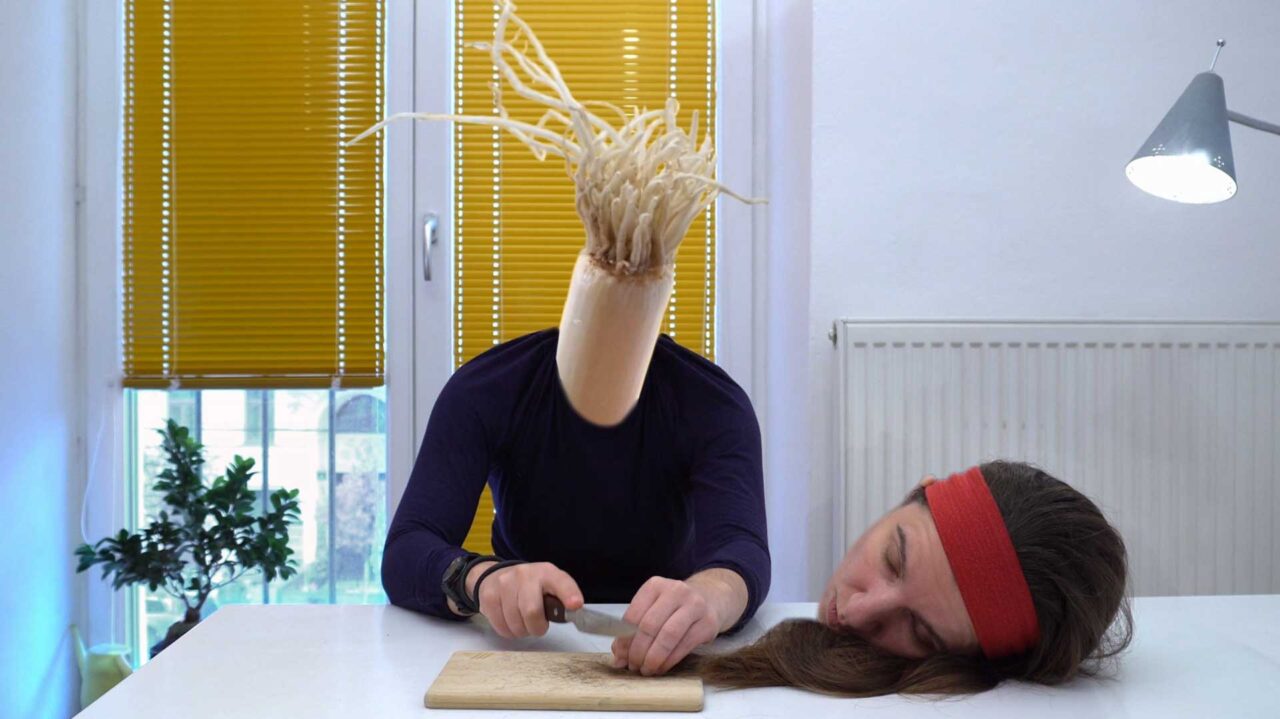
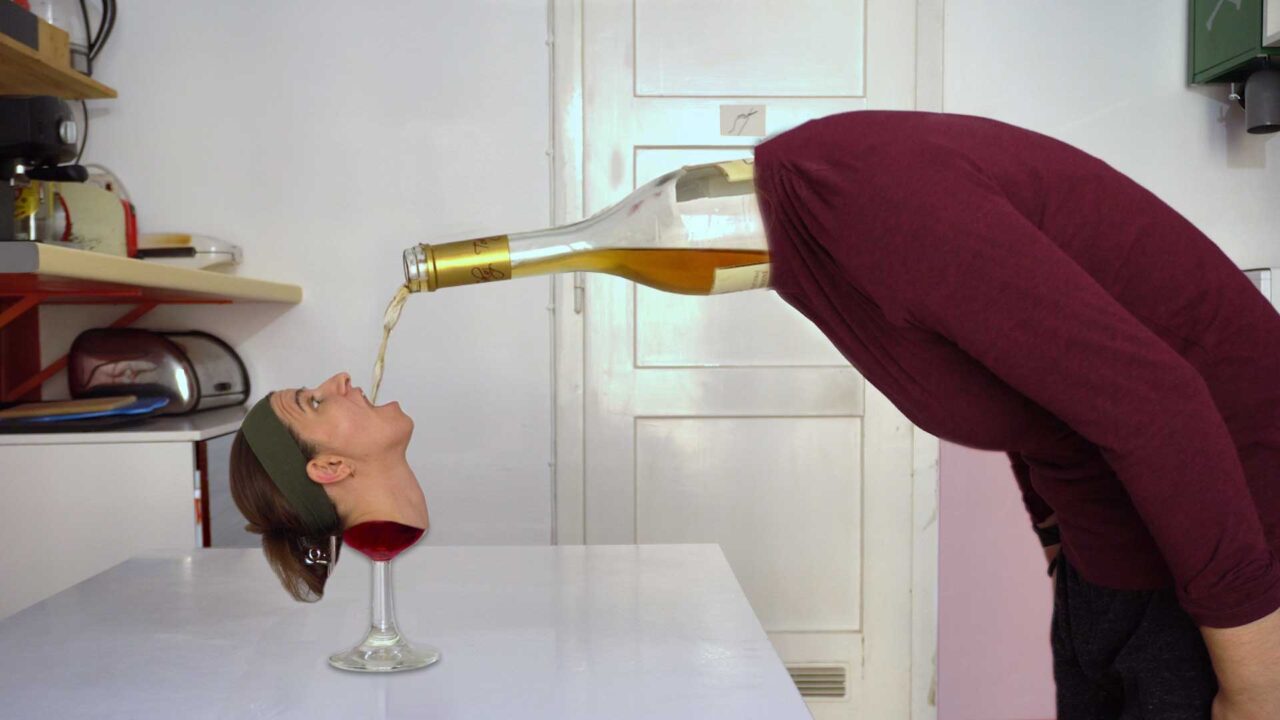
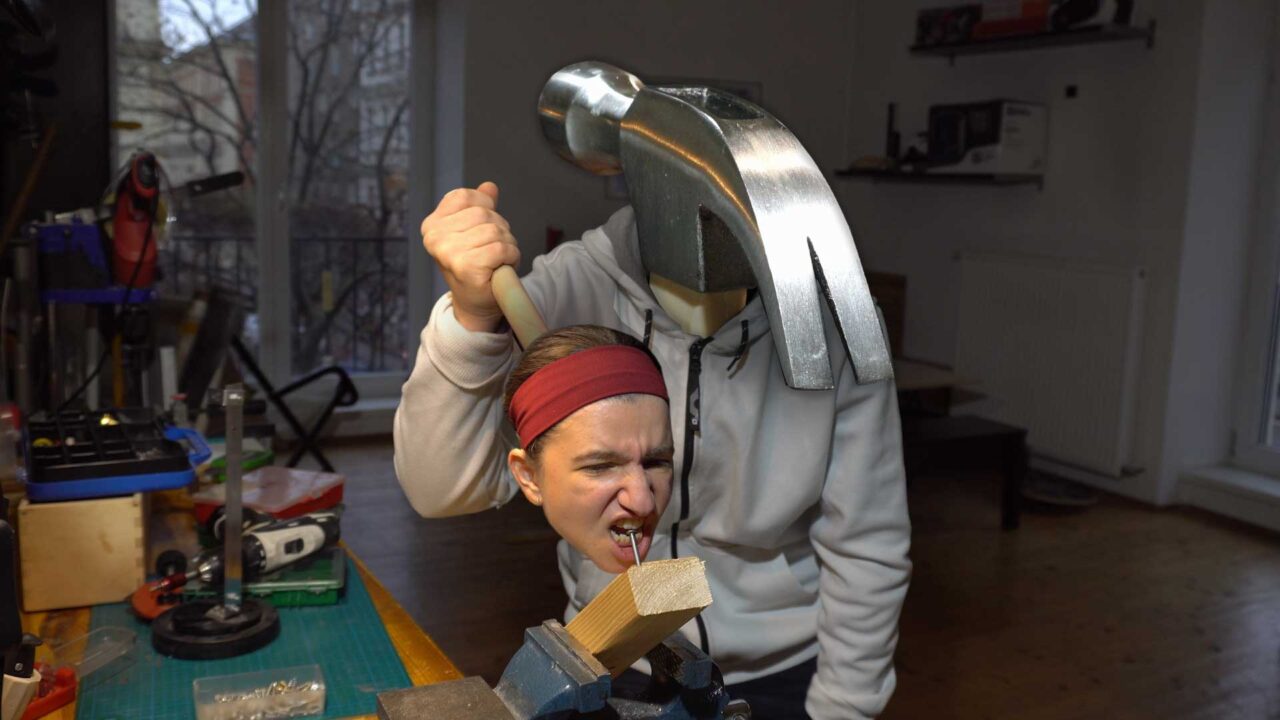
While other body parts perform their specific functions as instruments, the head serves as a multifunctional tool. In 24 ten-second shots, Amazon Woman’s director explores what the head is capable of. Each scene—mostly depicting repetitive routines—presents Vasof’s head in isolation, scaled down and displaced; it acts as an object or tool in the hands of a body that, in place of its own head, possesses this object or tool. What consequences arise from the inception of head and body?
Jet
Michaela Schwentner
Austria / 2003 / 6 min
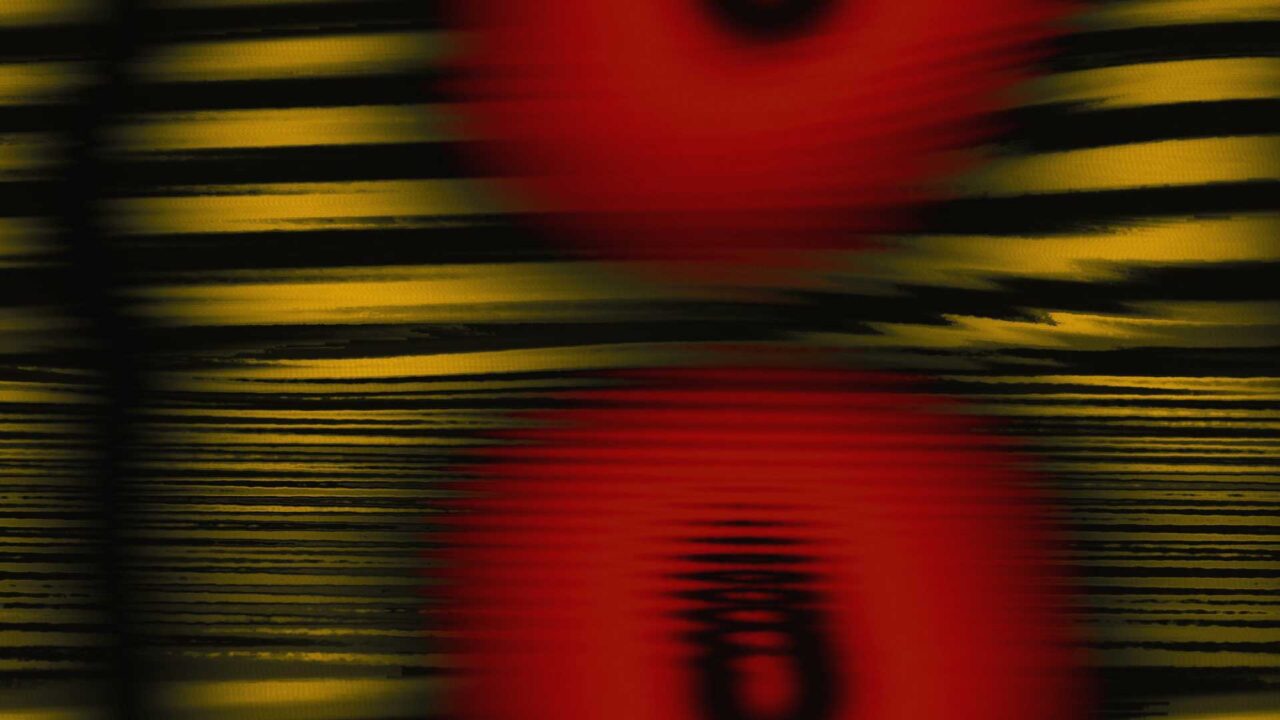
The exhilarating dynamism of this film results from a precisely composed interplay of color and form, which significantly shapes the viewer’s perception. The director employs a method akin to that of electroacoustic sound artists, who use a variety of painterly elements, allowing them to interact, overlap, or contrast. The journey through this landscape of sound and image passes quickly, apparently pausing only when the music becomes exceptionally concentrated. In fact, it stops when the viewer is gently brought back to earth by the landscape scenes at the conclusion.
Lezzieflick
Nana Swiczinsky
Austria / 2008 / 7 min
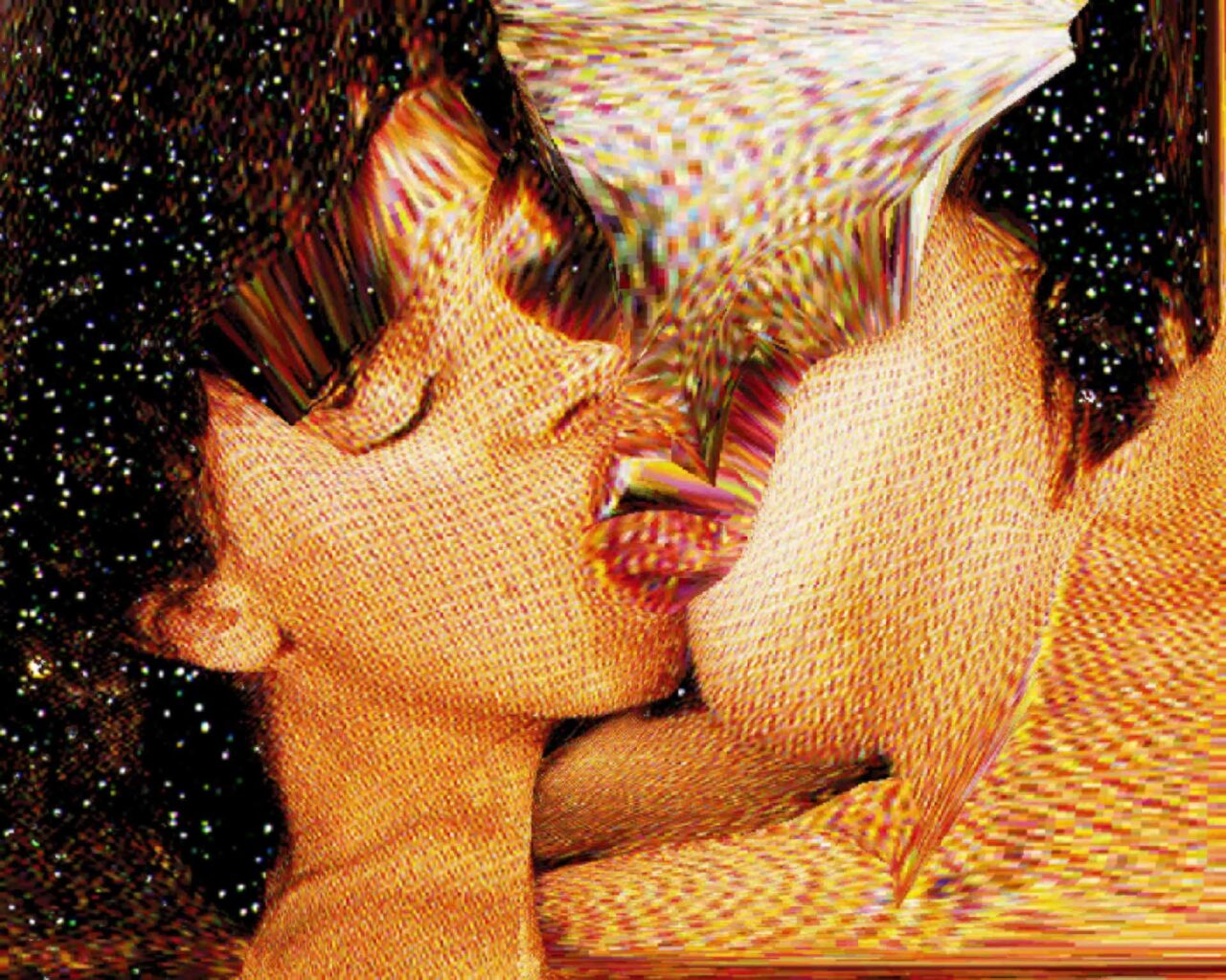
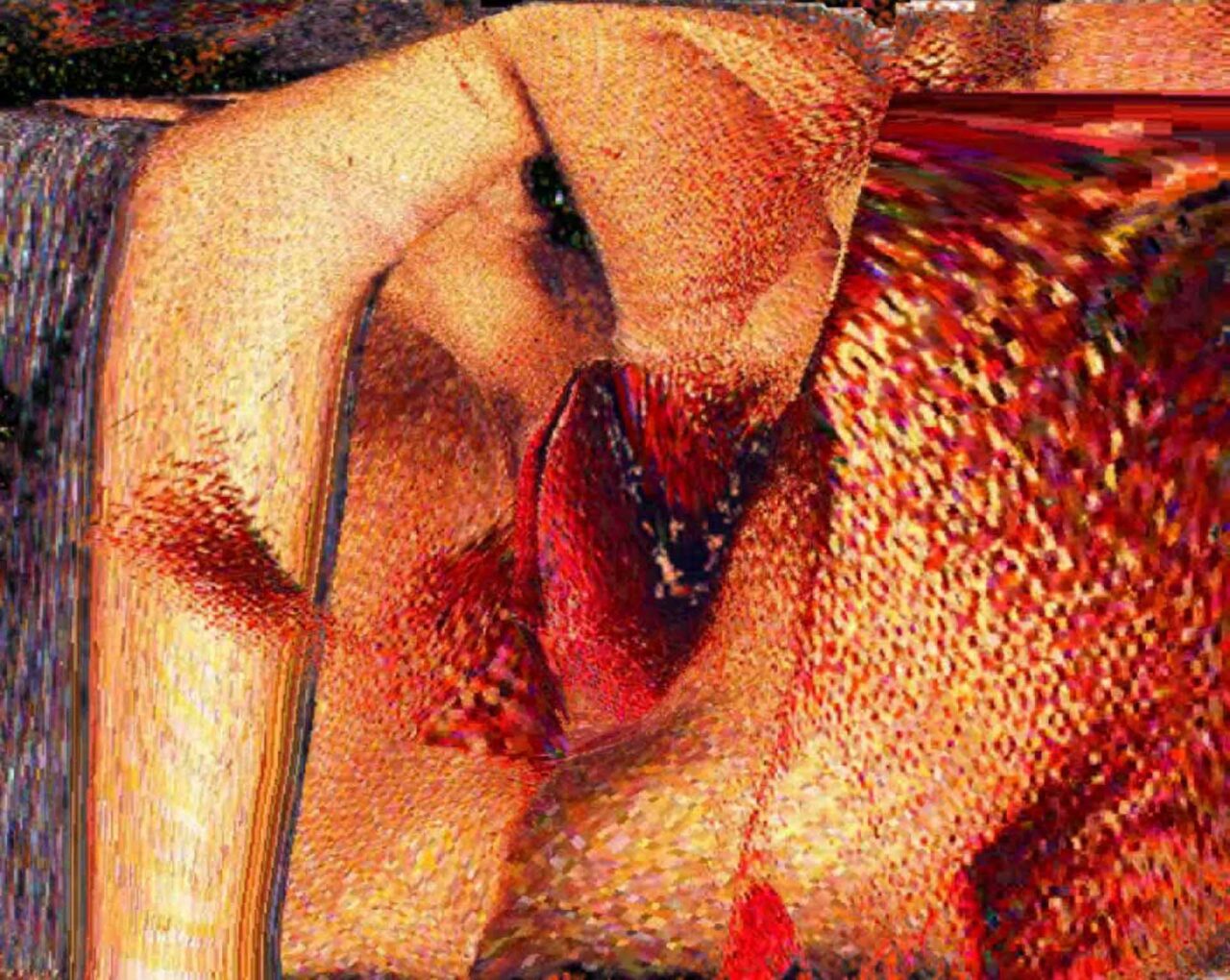
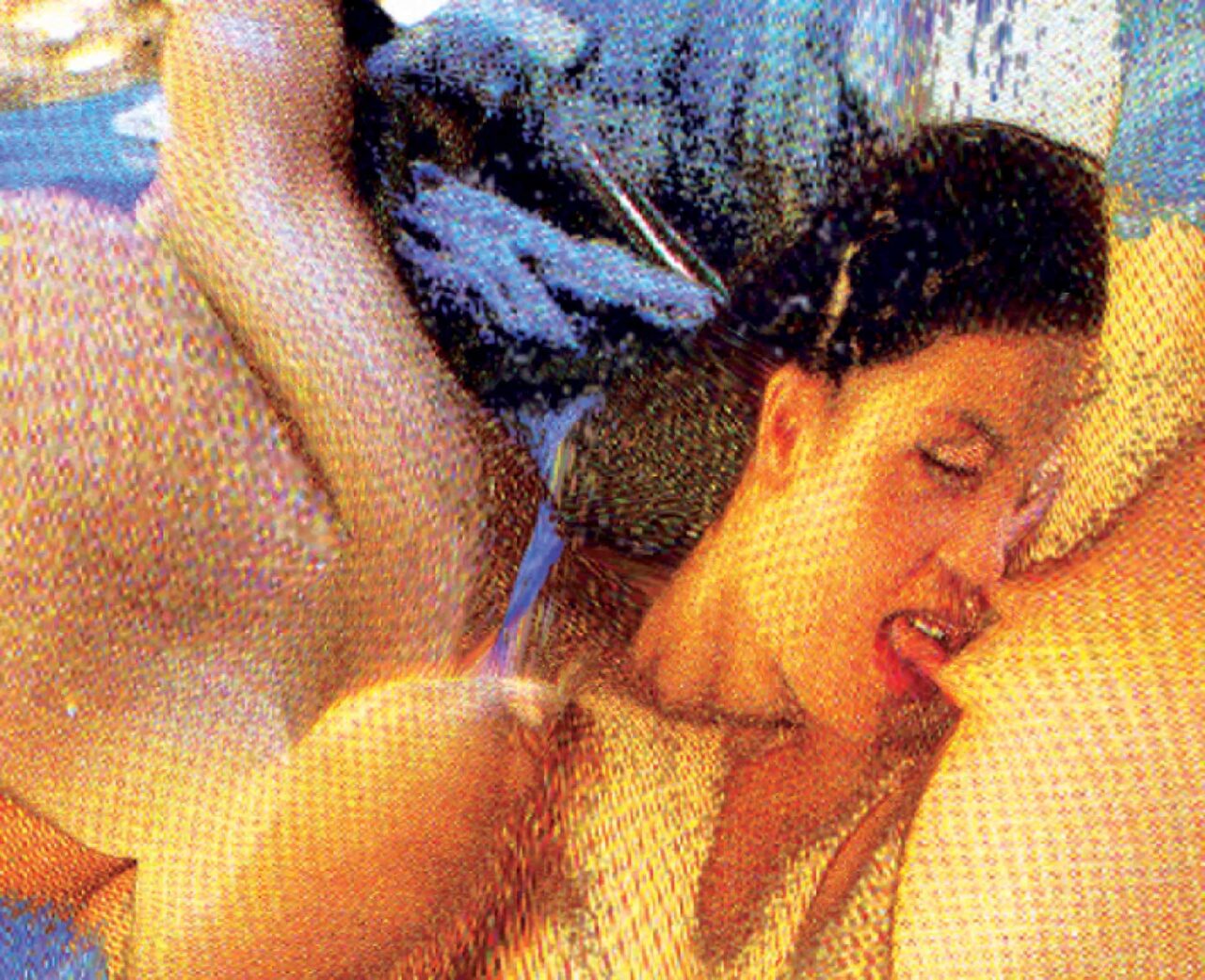
Lezzieflick is a deconstructive remix of stereotypical representations of lesbian sex in heterosexual pornography. Body forms become fluid, constantly changing, and the women no longer appear as passive objects of voyeuristic desire. Both the content of the image and the usual position of the subject are displaced. The filmic material seems to dissolve in satisfaction. Is there such a thing as beautiful “hardcore” camerawork?
sexy
Kurdwin Ayub
Austria / 2013 / 3 min
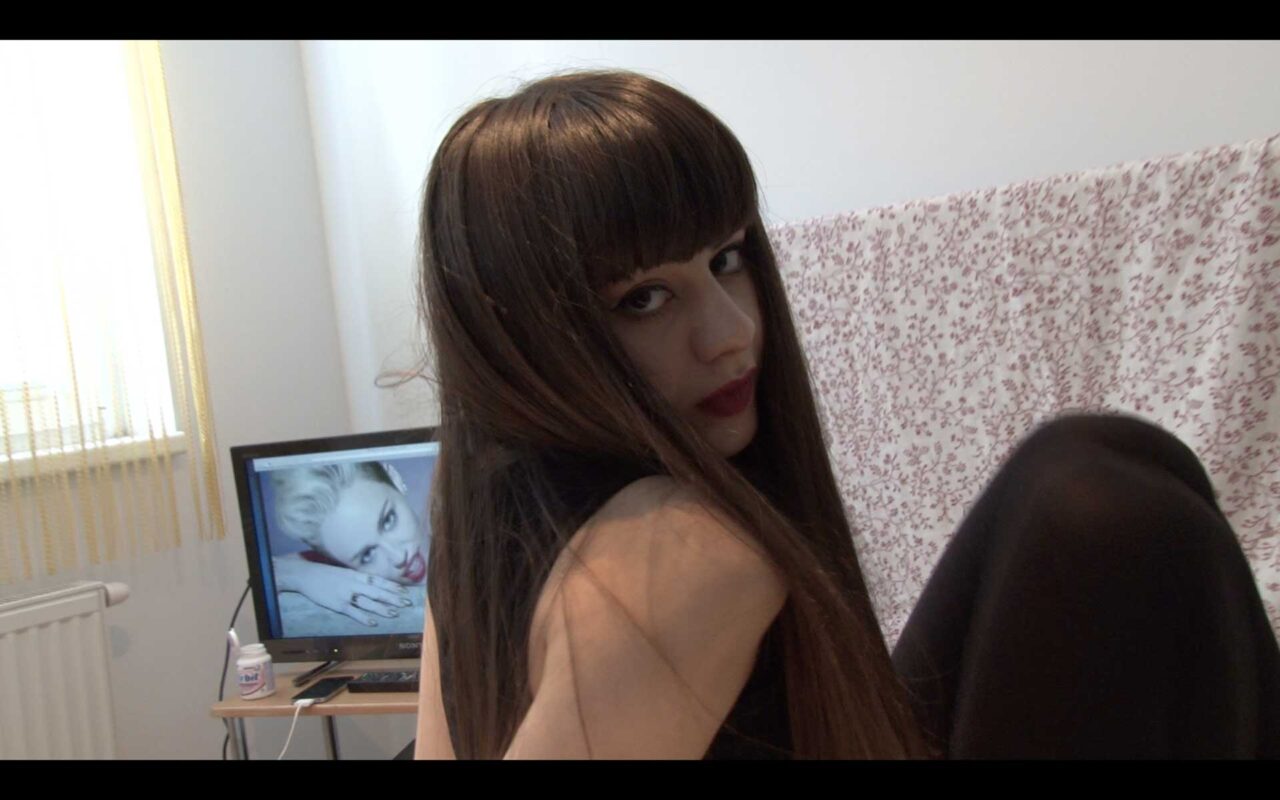
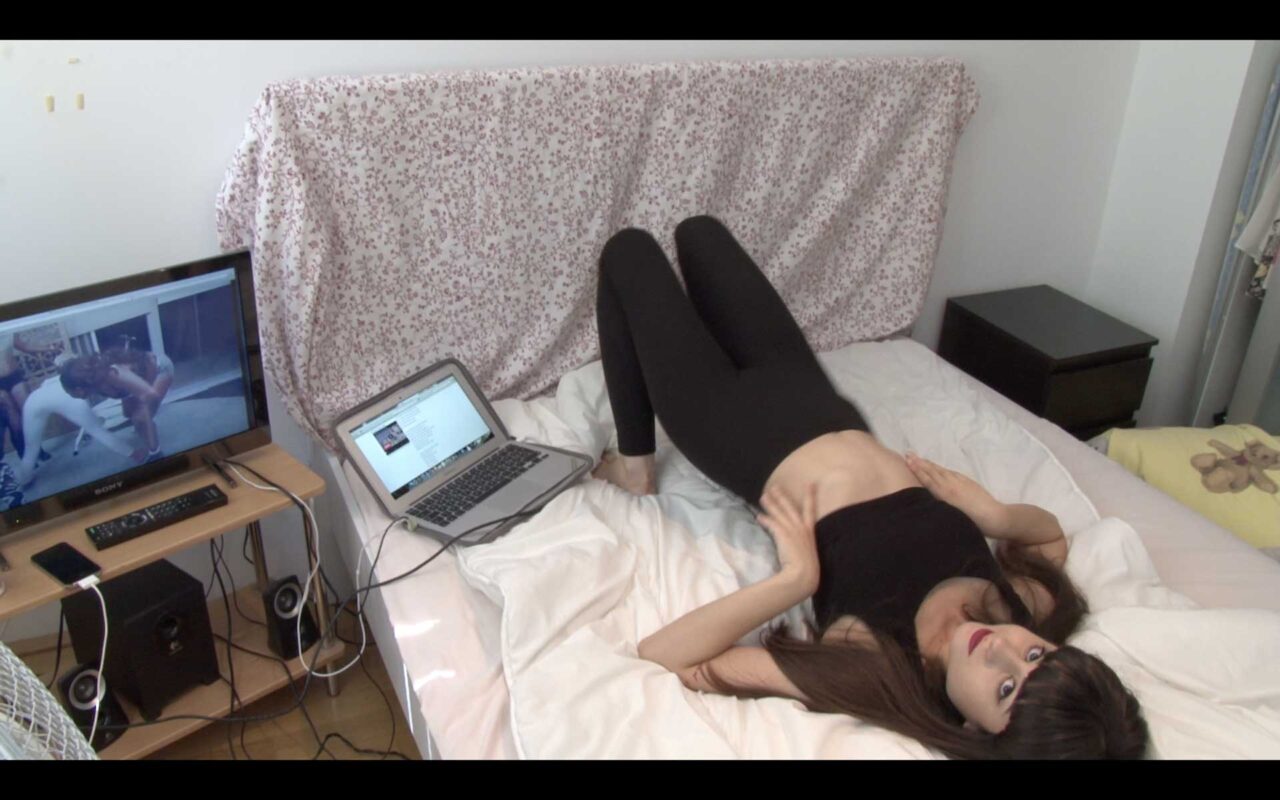
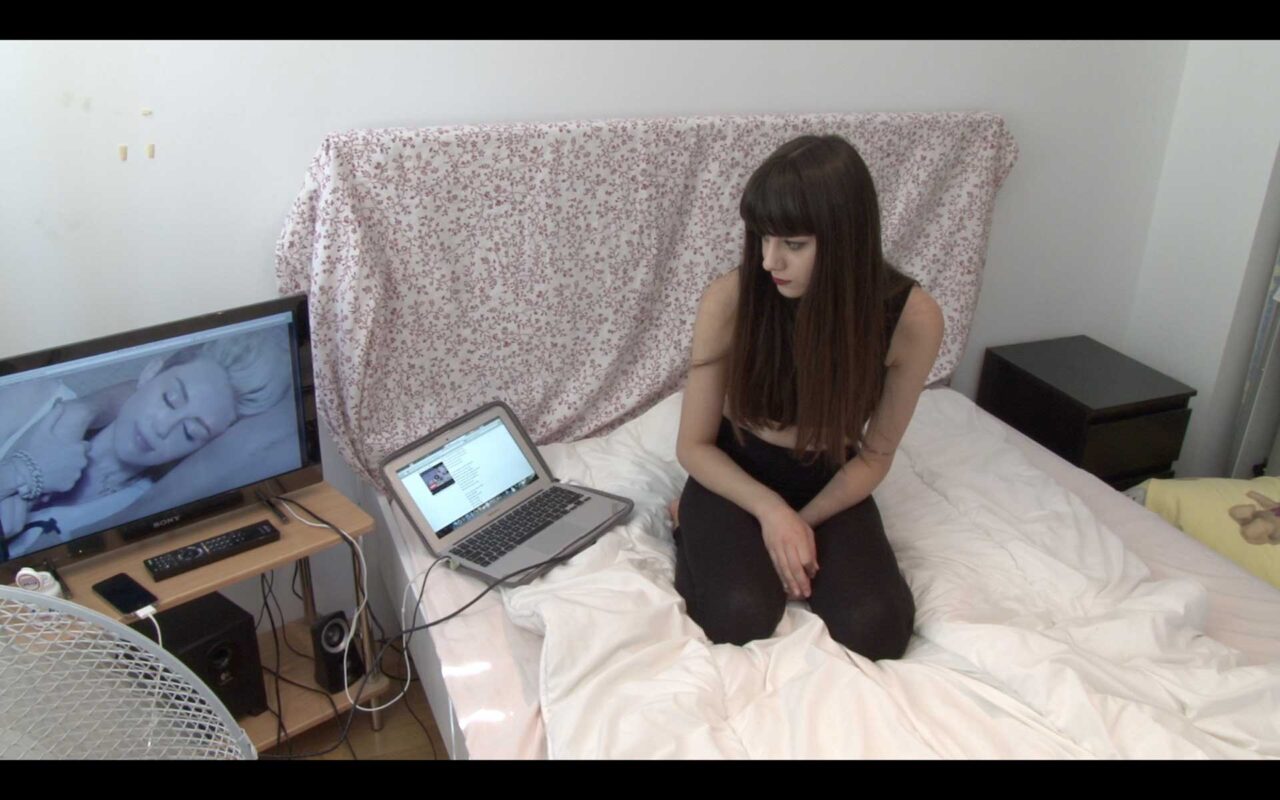
The background story for sexy unfolds on a huge television. Miley Cyrus’s music video “We Can’t Stop” is playing, which the artist Kurdwin Ayub watches, copies, and ultimately interprets. In sexy, both women are engaged in the casual self-empowerment of their bodies. However, Kurdwin Ayub’s protagonist does not have the tools to become an international star. Where Miley Cyrus sells her appeal as a natural feeling of being alive, Kurdwin Ayub’s alter ego is tormented by doubts about the fervor of exhibiting herself.
Distortion
Lydia Nsiah
Austria / 2016 / 5 min
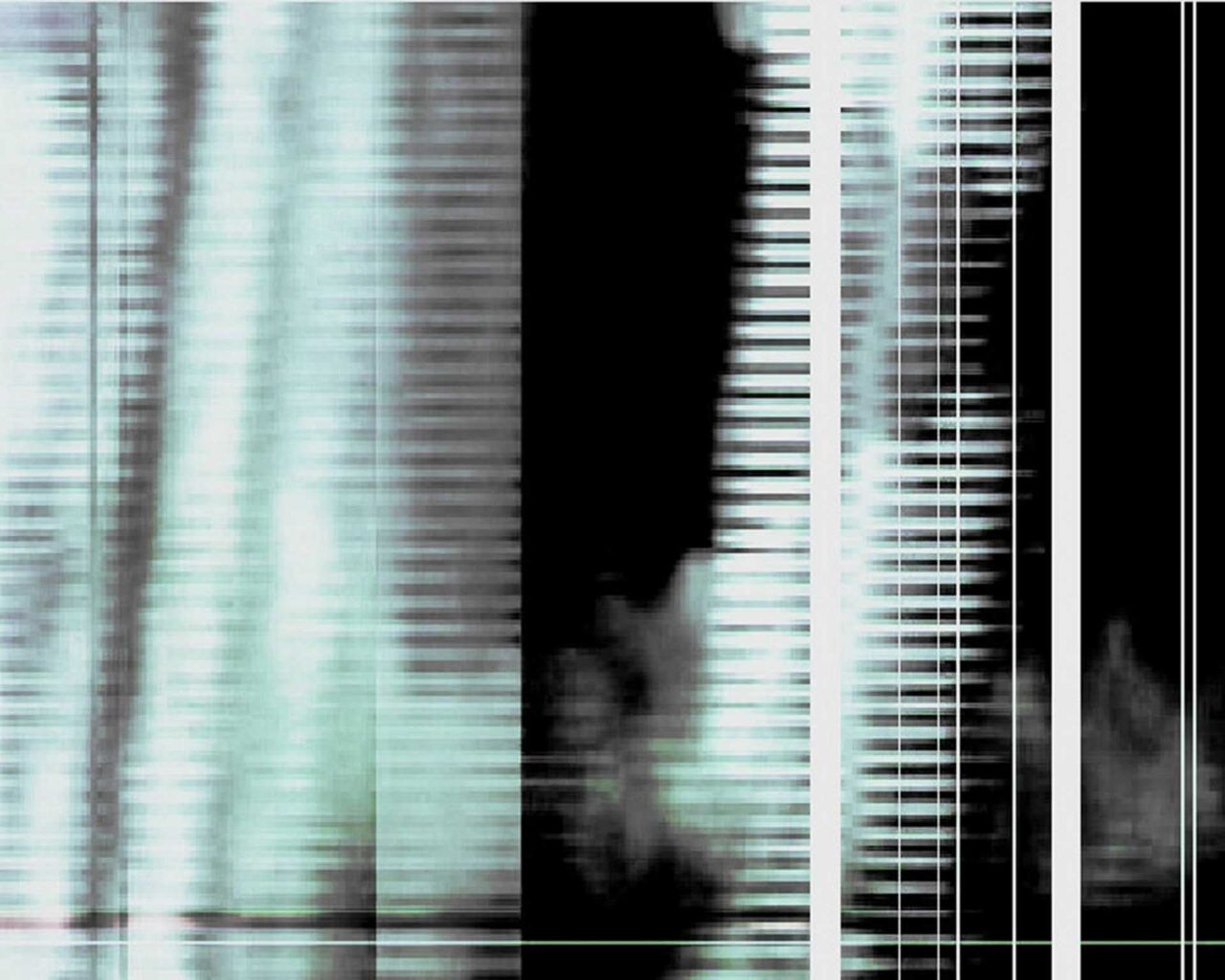
In everyday video file consumption, interference signals usually indicate corrupted data or overloaded computers; here, however, they guide Nsiah’s rhythmic montage and Billy Roisz’s finely modulated soundtrack (distilled from the visual material) back into the avant-garde laboratory. The play with excessive demands becomes a questioning of what is given (both technologically and perceptually) and a design of what is new.
Powder Placenta
Katrina Daschner
Austria / 2015 / 9 min
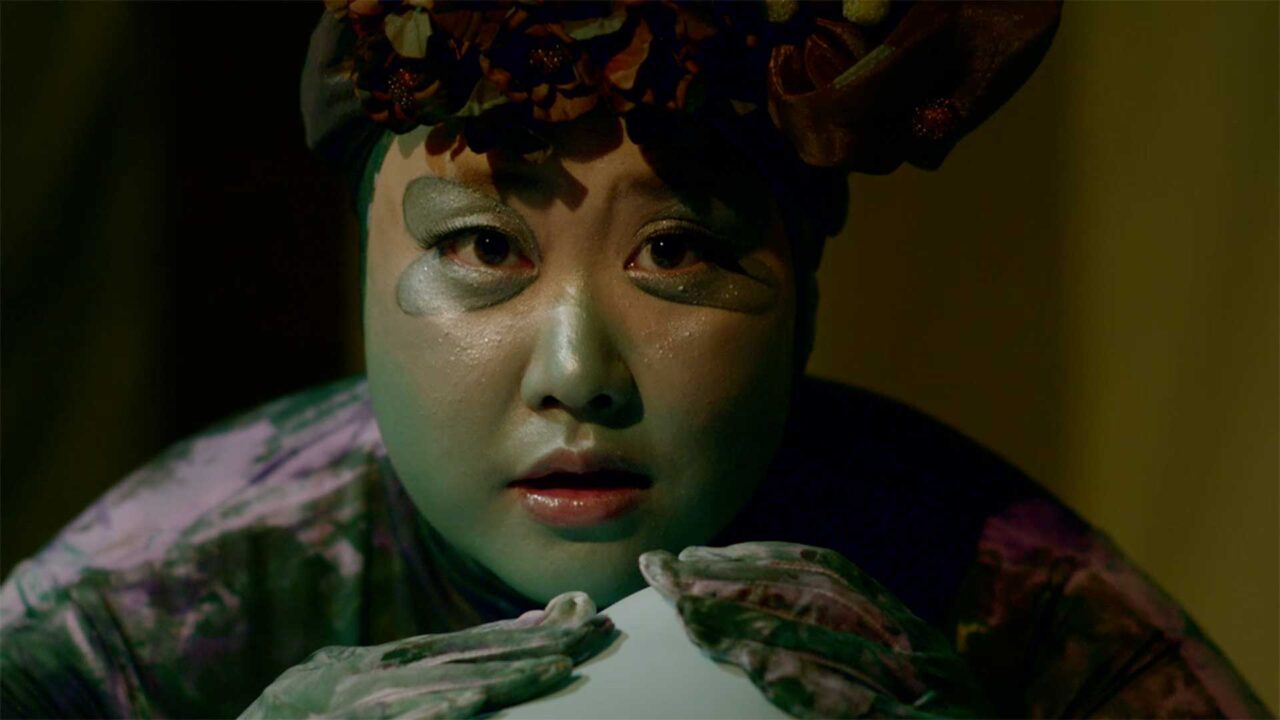
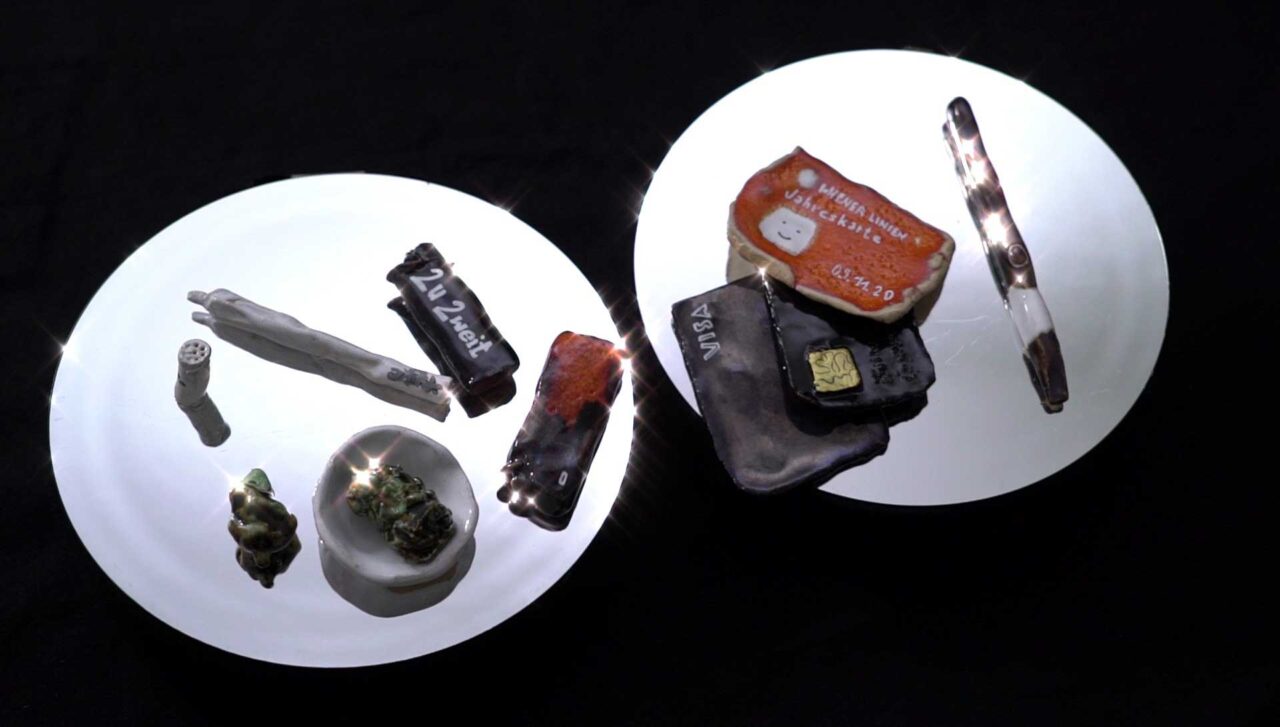
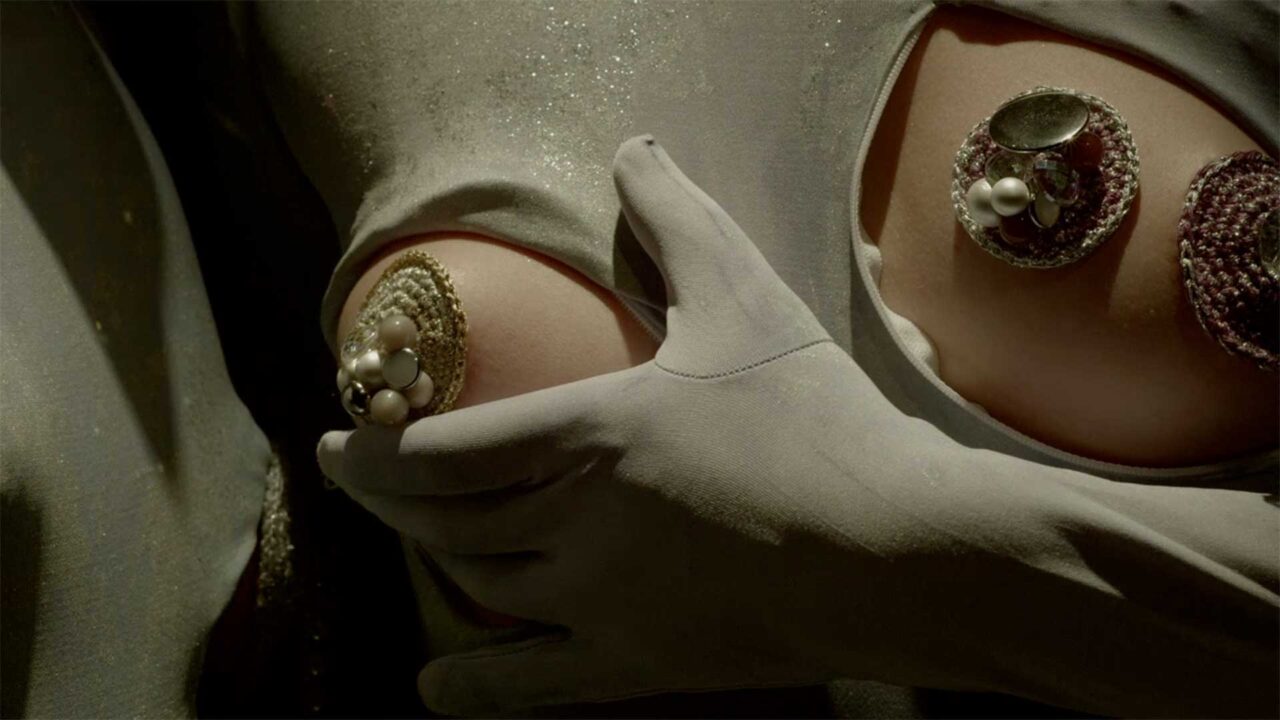
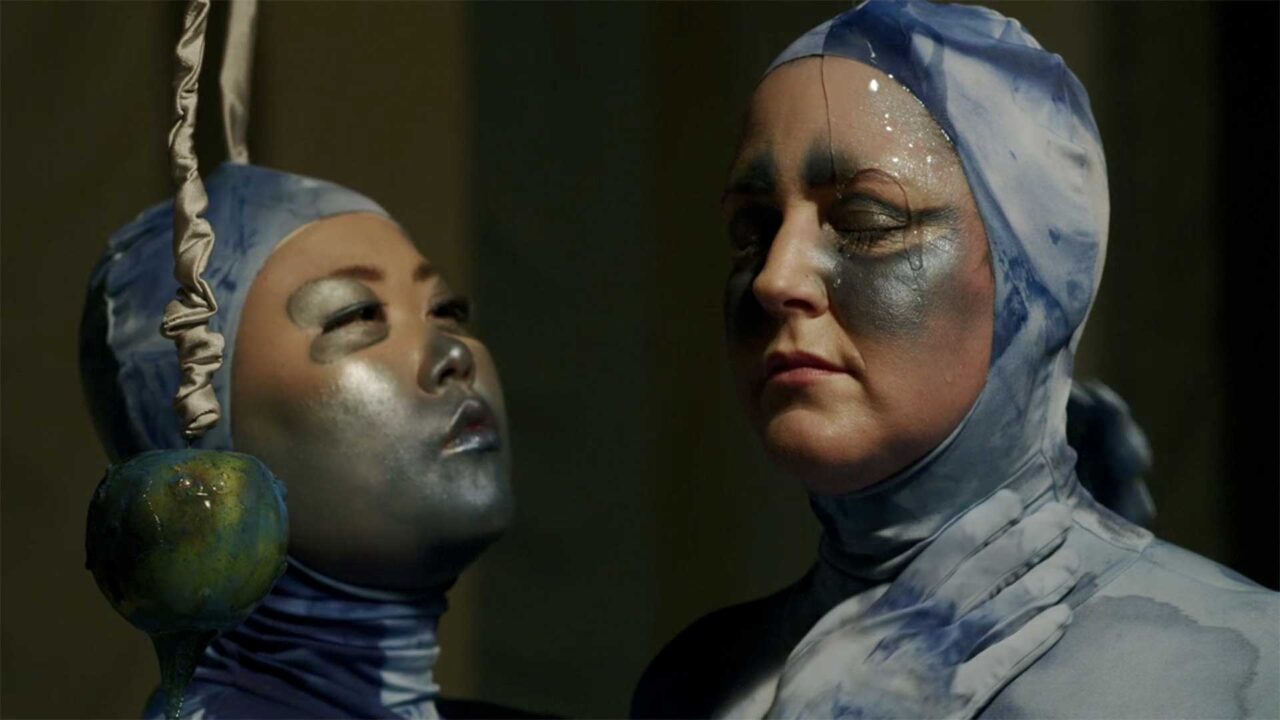
Powder Placenta is a fairytale that narrates the interconnectedness of seemingly separate spaces, spheres and strata, and shows how they desire to be intertwined. Once again and at long last, everything becomes one, no matter how it is normally categorized: artificial or real, two- or three-dimensional, fantasy or reality. This is achieved through the montage, inspired by a vision of life that allows all things to merge together. Longing has come to an end, the celebration of life in all its glory has begun.
Me, Myself and I
Claudia Larcher
Austria / 2022 / 5 min 30 sec
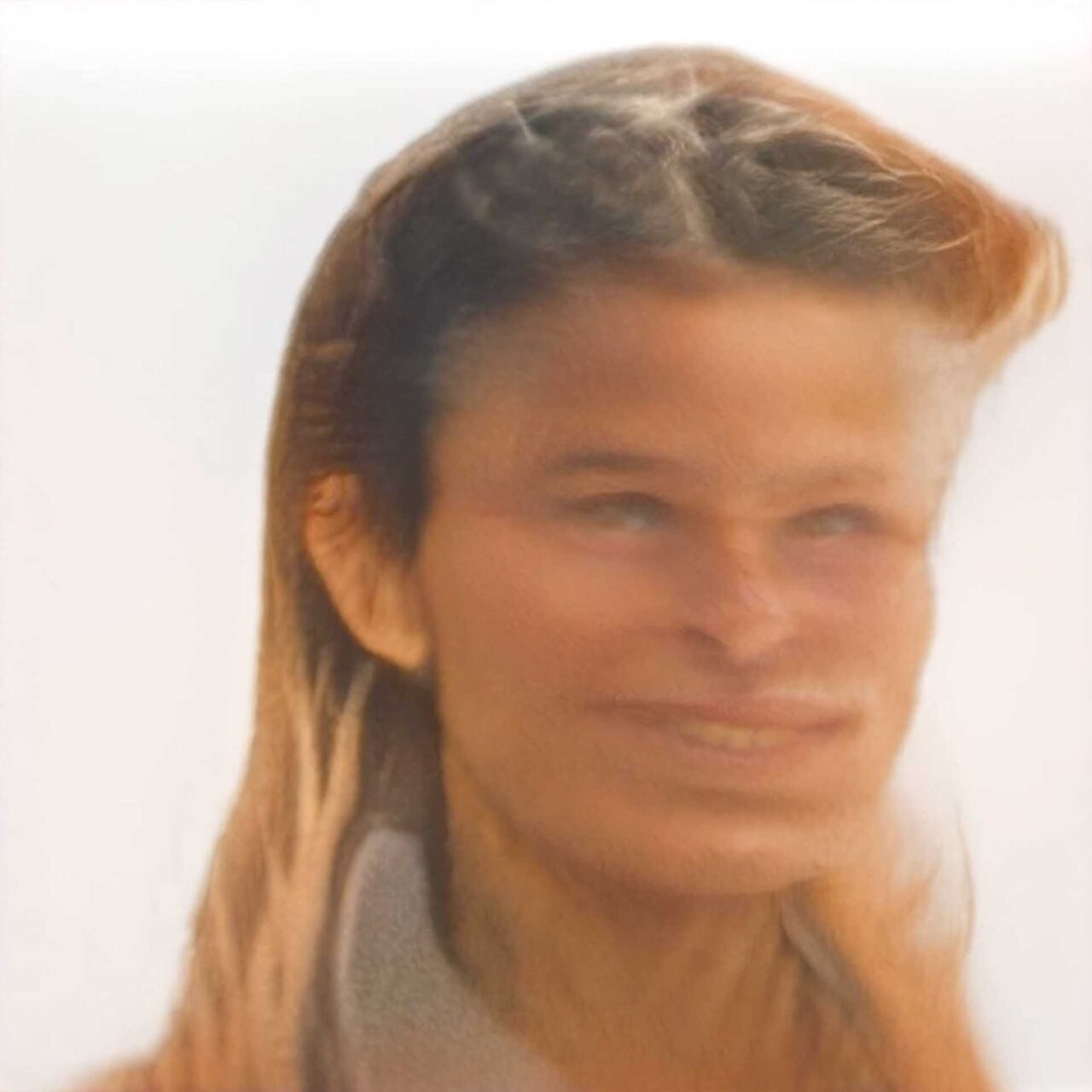
The triplet in the title basically give it away already: identity in the digital age, especially in the face of image production and reproduction processes, is subject to incessant multiplication. Or to put it another way: the ego, what one could also call the “digital subject”, is now subject to a technologically fuelled tendency to splinter, while also being shrouded in a nebulous illusion of unity. Larcher has processed dialogues that she has conducted with various chatbots on the subject of identity and turned them into a script that interconnects fragments of ego perception in a multidirectional manner.
Happy Doom
Billy Roisz
Austria / 2023 / 3 min 30 sec
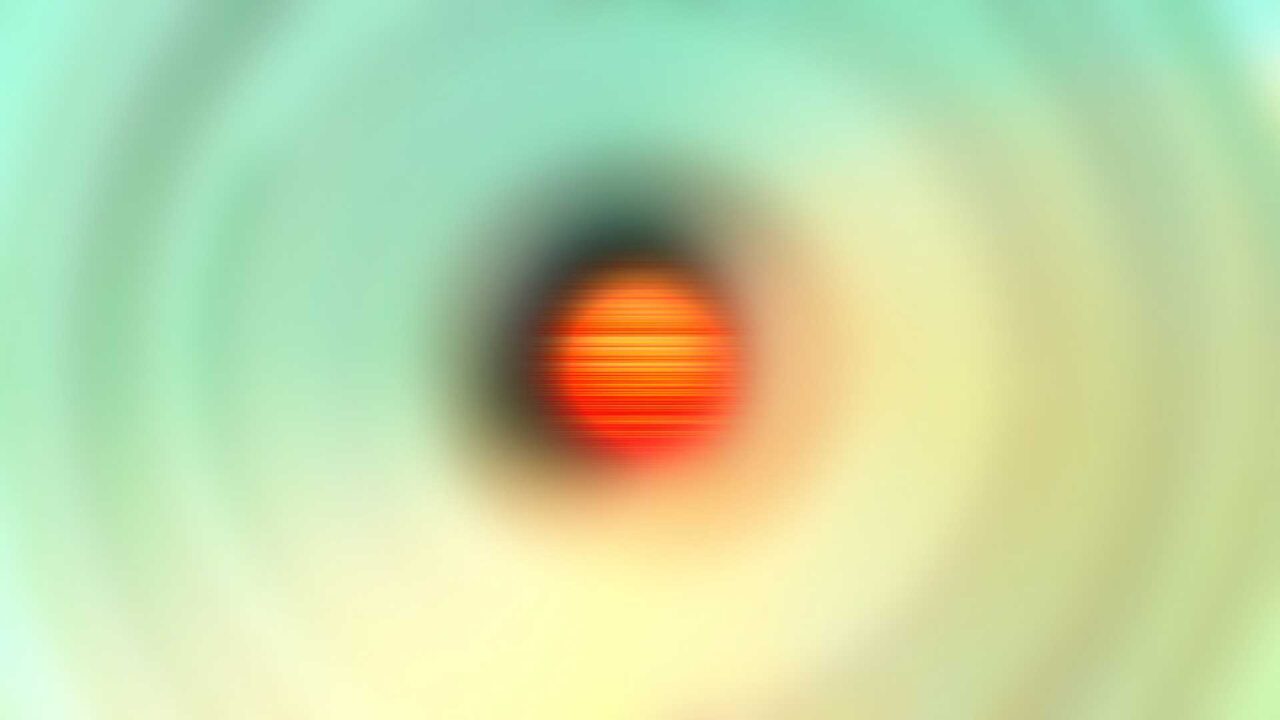
Happy Doom is an audiovisual poem, an ode to color intoxication and vertigo. The screen a vibrating membrane that simultaneously spits and swallows colors and noisy beats – a hypnotic deformed circumpolar psychedelic short trip. The deep sine wave that initially sounds almost like a four-to-the-floor kick drum, increasingly unravels, frays, and is gradually replaced by various hits, stabs and structures of white noise.
Art Education
Maria Lassnig
Austria, USA / 1976 / 8 min
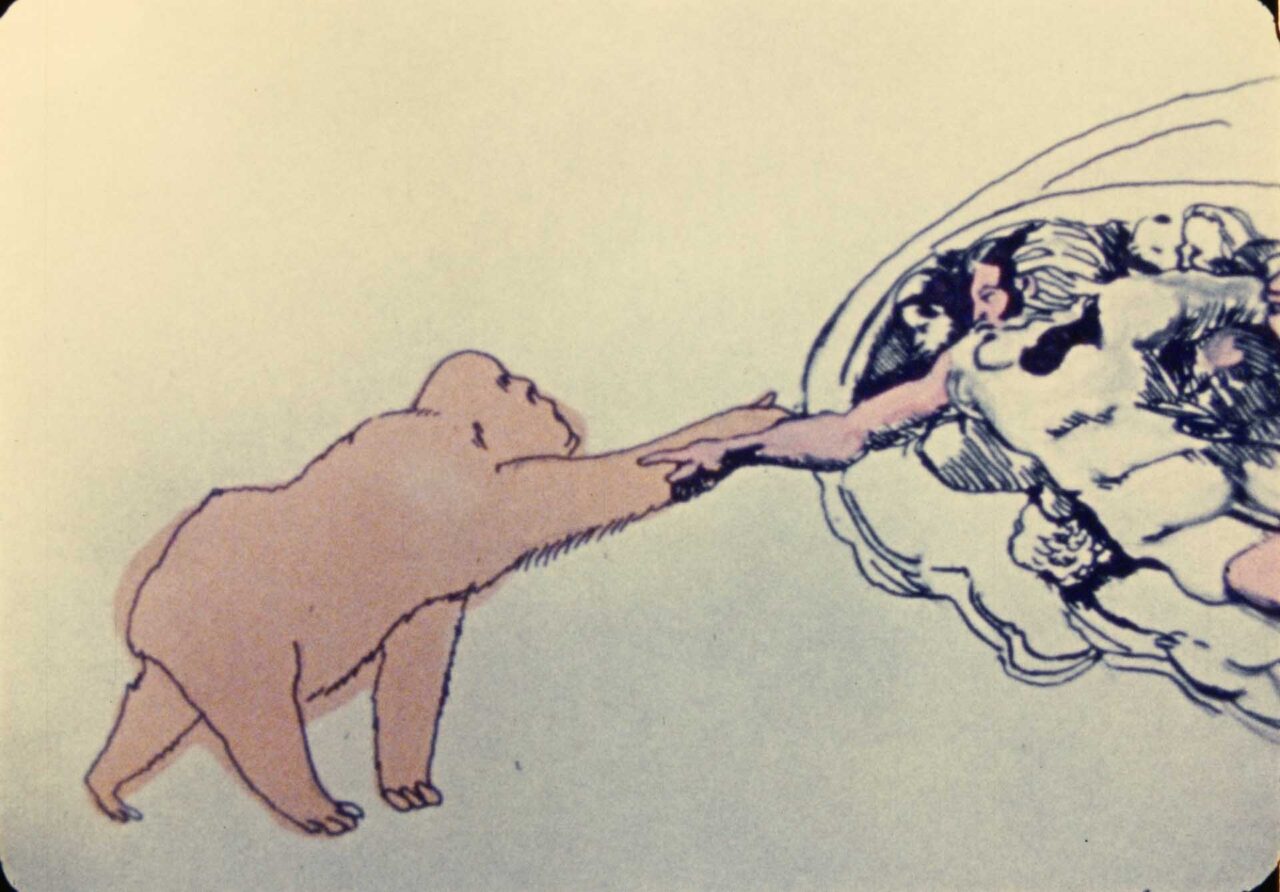
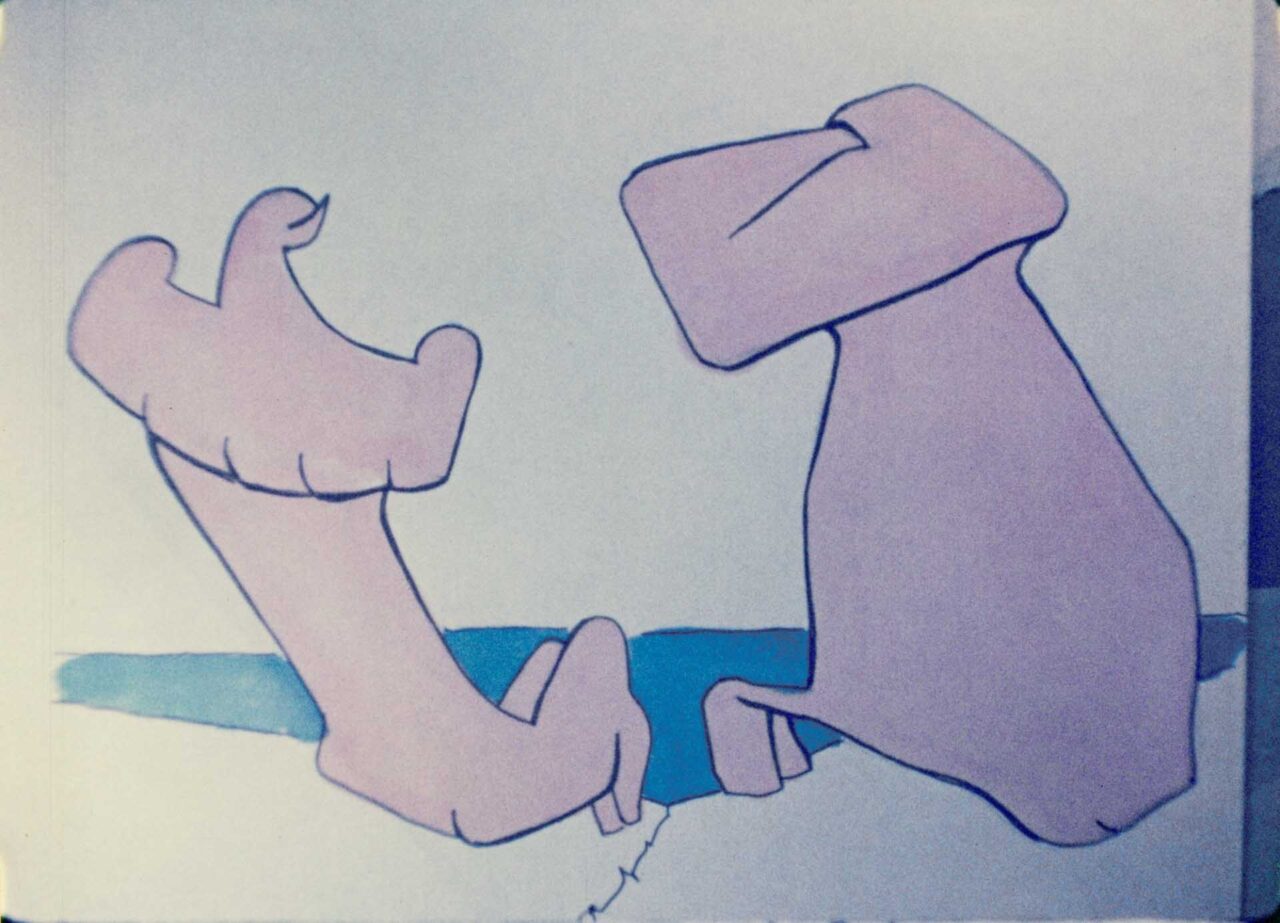
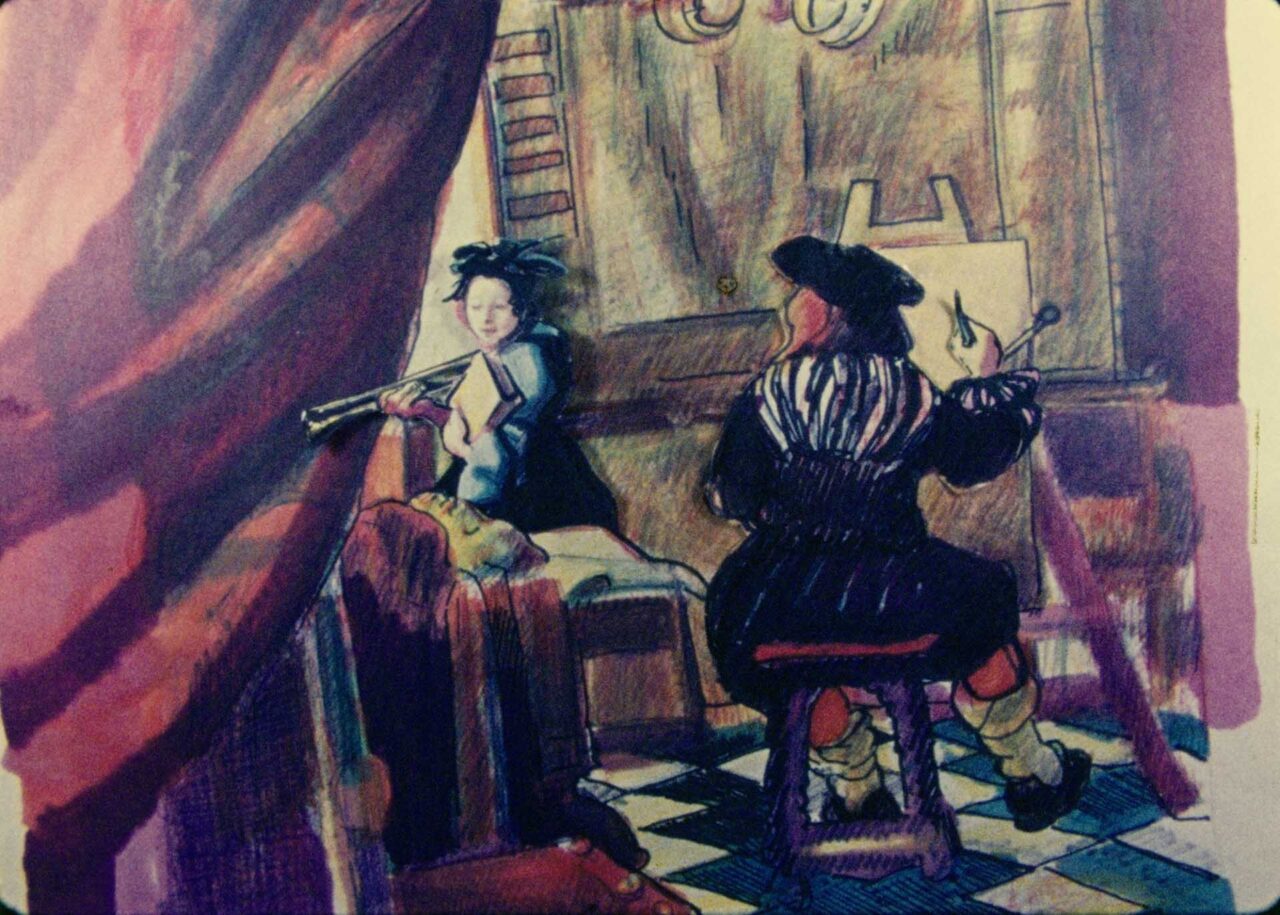
Humorous, feminist interpretations of paintings by Vermeer, Michelangelo, and others. John the Baptist appears as a real talking head in the bowl carried by Judith: “Oh, why did I resist her?”. The director demystifies the cult of masculinity in famous works of art, while also revealing less canonical interpretations of well-known masterpieces.
Klitclique: In Pairs
Klitclique
Austria / 2020 / 2 min
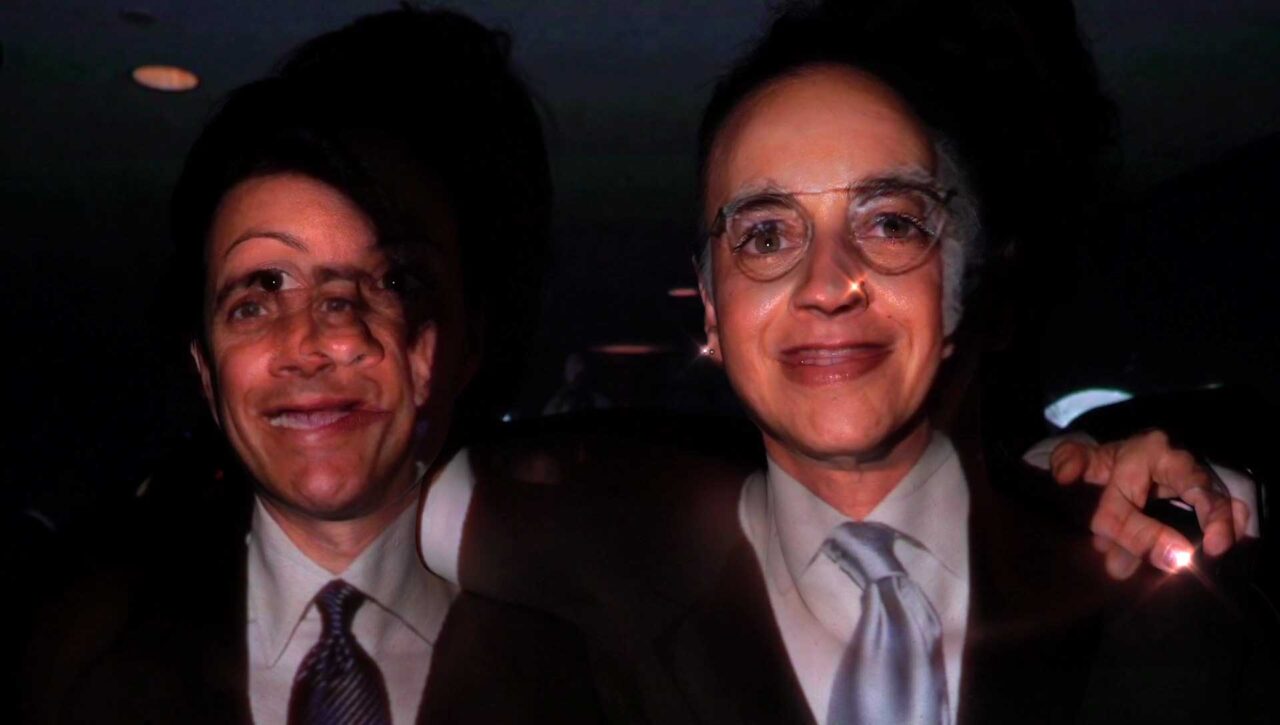
Goethe and Schiller, Marx and Engels, Batman and Robin, or the TV detective and his dog Rex – the list of iconic male duos is endless. But women in pairs? Anna Spanlang’s music video for Klitclique stages male bromances such as Vladimir Putin and Xi Jinping, Jerry Seinfeld and Larry David, or Chip and Dale, while G-udit and $chwanger rap in their melancholic-ironic style about being the last female rap duo. After all, the golden rule of success for women is this: make a name for yourself as a duo or collective, but then achieve real success solo as an “exceptional woman”.