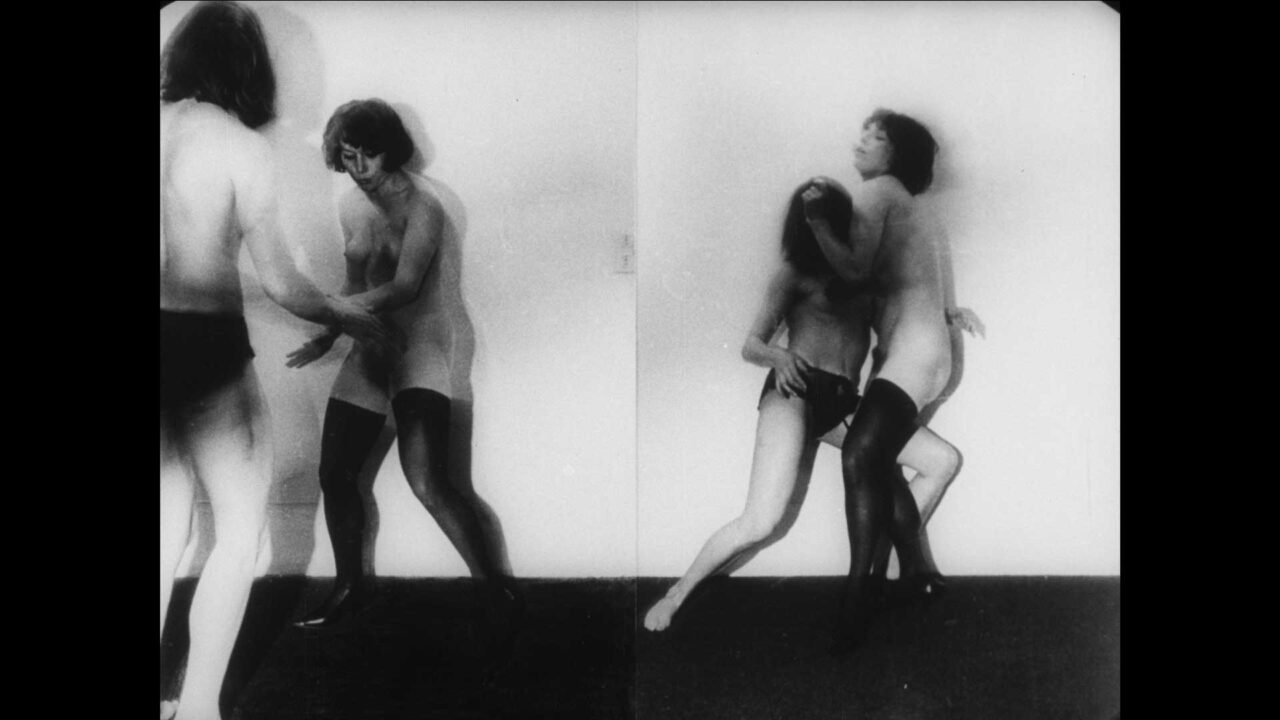

Punk
Short films set by now-iconic feminist artists, as well as younger generations.
Their contributions range from anarchic performances, documentary sketches and queer gems to animations or found footage films. You’ll find complex explorations of repressed political history and structural social exclusion, cinematic reflections on architecture and pointed portraits, as well as elaborate artistic challenges to new technologies, including AI, and more comic relief.
Rouge et Noir
Linda Christanell
Austria / 1993 / 10 min
The scene of events is a table in a room. The table is set; a celebration has taken place. A woman is in the scene. A wild drama full of lust, seduction, irony and violence comes to its end.
Ball-Head
Mara Mattuschka
Austria / 1985 / 6 min
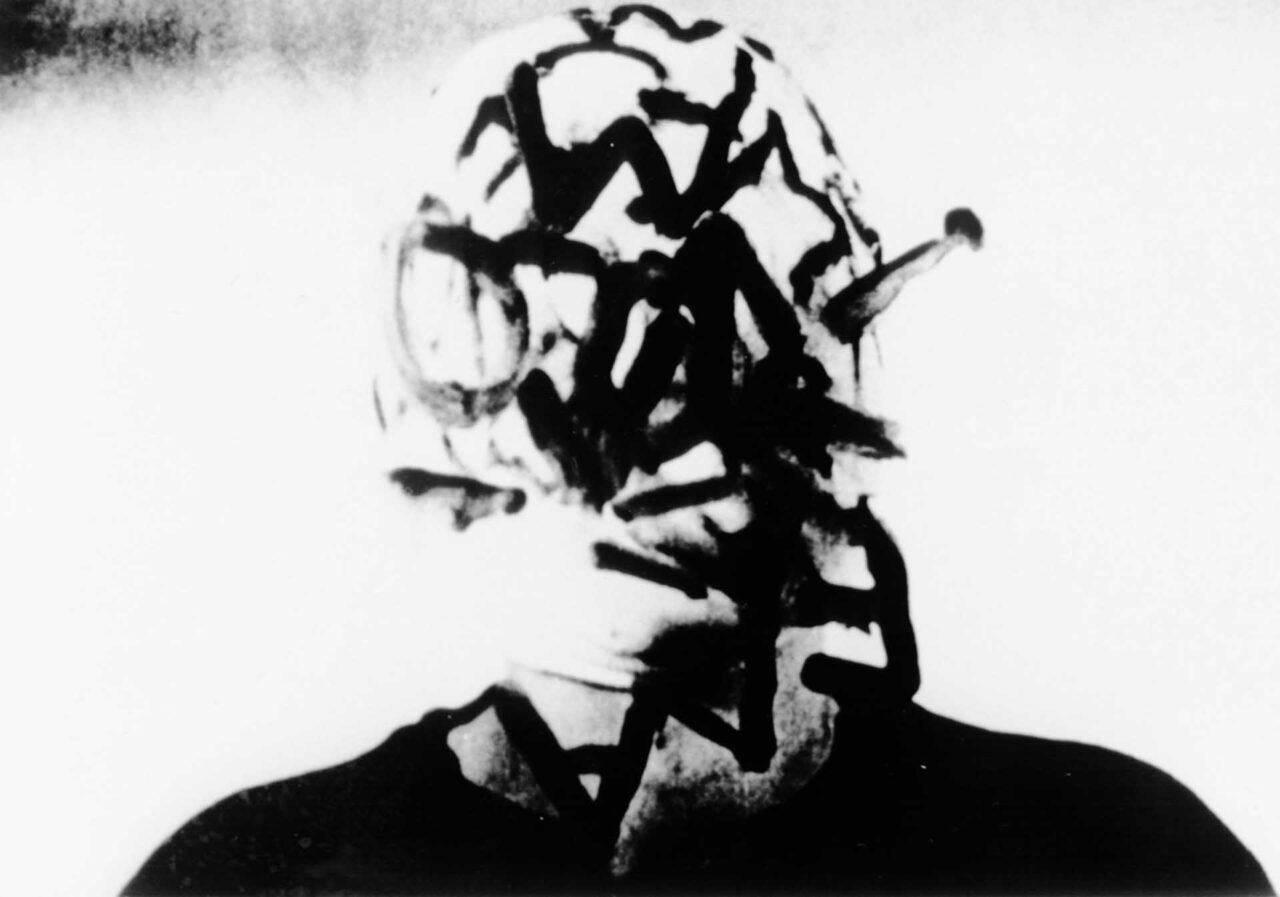
Hands vigorously pull scraps of paper from an old-fashioned printing press, while their owner remains invisible. The shrouded head, wrapped in muslin, reappears, and black paint is smeared across its surface. The body itself is transformed into a machine, the head into a matrix. The shaving of the head becomes a spectacular event.
The Birth of Venus
Moucle Blackout
Austria / 1970-72 / 5 min
The basic material consisted of about 30 photographs depicting some close friends and a dead pig the artist had found on the road. The introductory scene shows Botticelli’s Birth of Venus, with the figures on both sides fading into one another, followed by Venus herself in a symmetrical montage with the pig. Three Beatles songs underscore the performance through their lyrics. The pig is used as a symbol and a metaphor carrying multiple associations.
I Deeply Regret
Karø Goldt
Germany, Austria / 2008 / 2 min
The video i deeply regret is about a failed chance of revenge and satisfaction. It shows the attempt to liberate oneself from the victim´s role by a fantasy of self-empowerment. In other words: after a long, long time someone fights back, while humming the theme song from Rocky.
Finale
Sabine Marte
Austria / 2007 / 4 min
In a wrestling ring, a woman (Sabine Marte) confronts a sand-filled punching bag (Bill). There is something awkward and unsettling about this small “battle video.” The movements seem strangely illogical and discomforting, as if reversed. A reversed fight is not a fight. Instead, equally unsettling, a physical relationship develops between the woman and the slowly moving, greasy-skinned dummy, which gains a sexualized intensity.
Streamlet Sneaking in Shamelessly Thighwetting
Ashley Hans Schiern & Ursula Pürrer
Austria / 1985 / 4 min
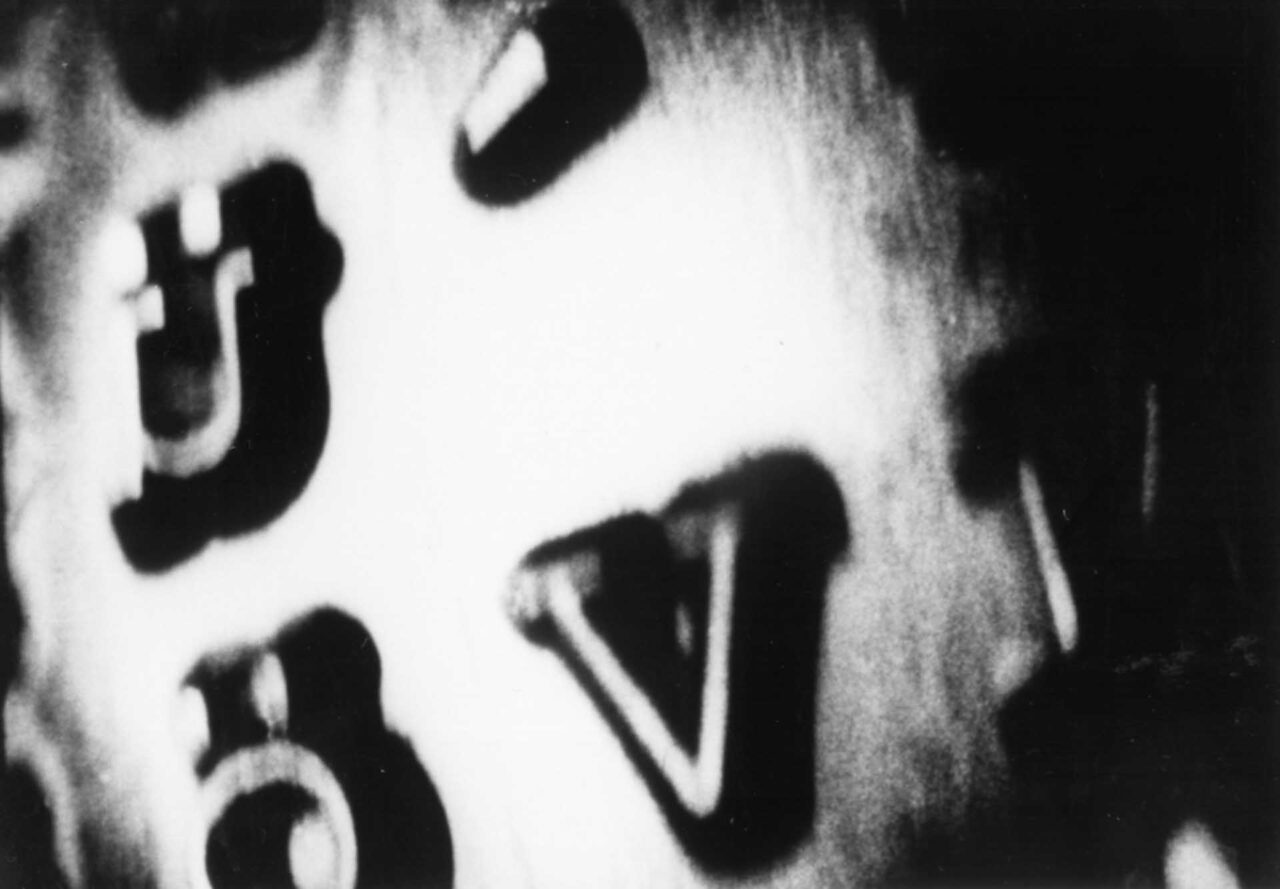
Zigzag streamlet sneaking in shame-
lessly twighwetting.
(…) knees are glowing –
icy fingers are melting now –
(…) mirror-pictures are trembling.
Ruby Skin
Eve Heller
USA / 2005 / 4 min 30 sec
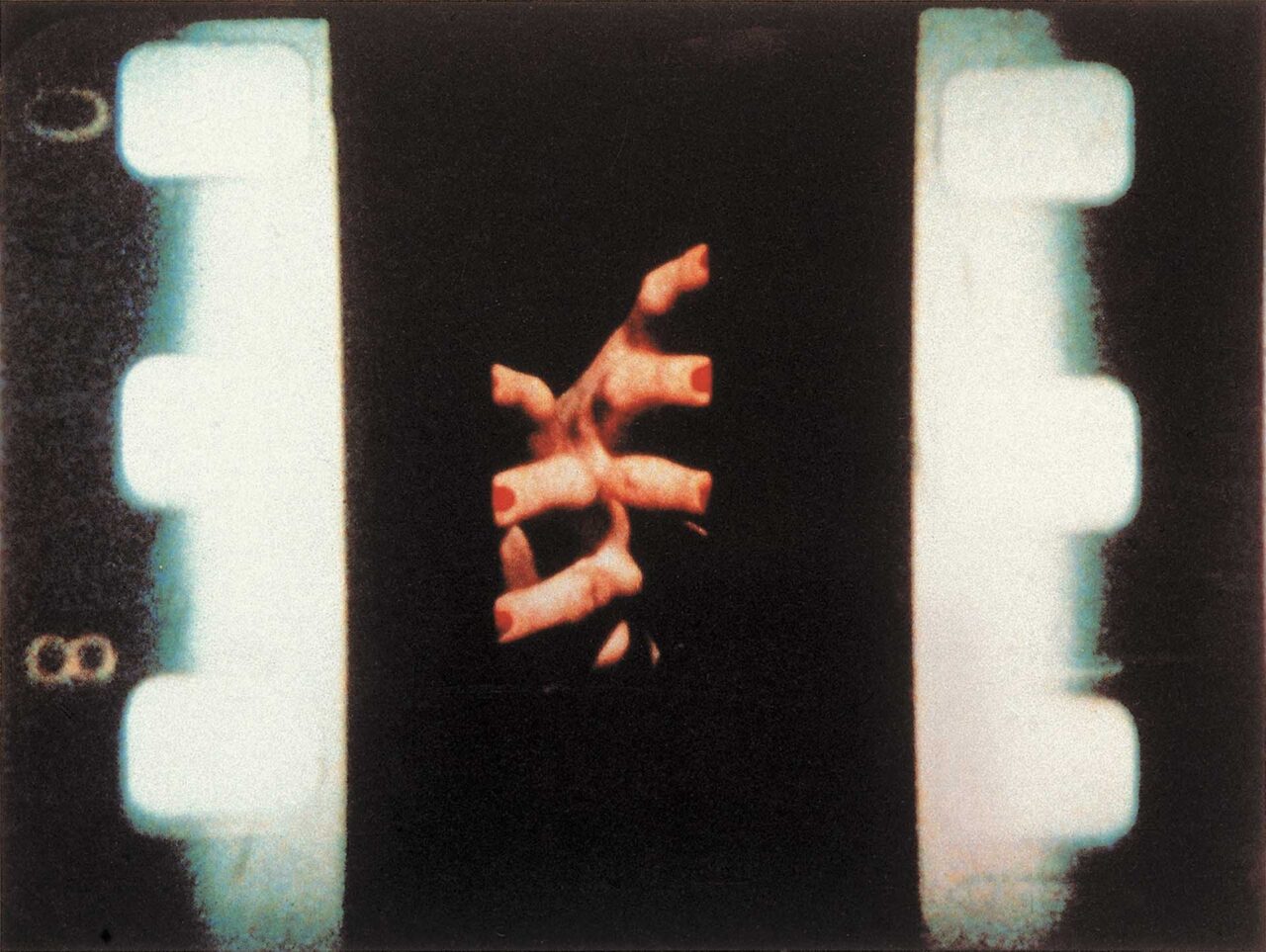
In Ruby Skin (so named for the complexion of the film emulsion found fading into red), mysterious clatter creates a fractured concrete poetry that sticks to us like cling wrap. Is this a language-poetry slasher film? Or the keys to the kingdom? Alarming and sensuous, quizzical yet ultimately intelligible in every sense of the word.
Mensch Maschine Or Putting Parts Together
Adina Camhy
Austria / 2019 / 8 min
The starting point is a true story: instead of the synthesizer she dreams of, the narrator receives a food processor as a gift. Confused, she sets out to find the possible reasons for this. What identities and gender constructions are inscribed in these devices? What are the relationships between people and machines, bodies and devices, the domestic sphere and the artistic field? It is a feminist essayistic film in the form of an audiovisual remix: an experimental collage of sound and image, sketch-like and associative.
Syntagma
Valie Export
Austria / 1984 / 20 min
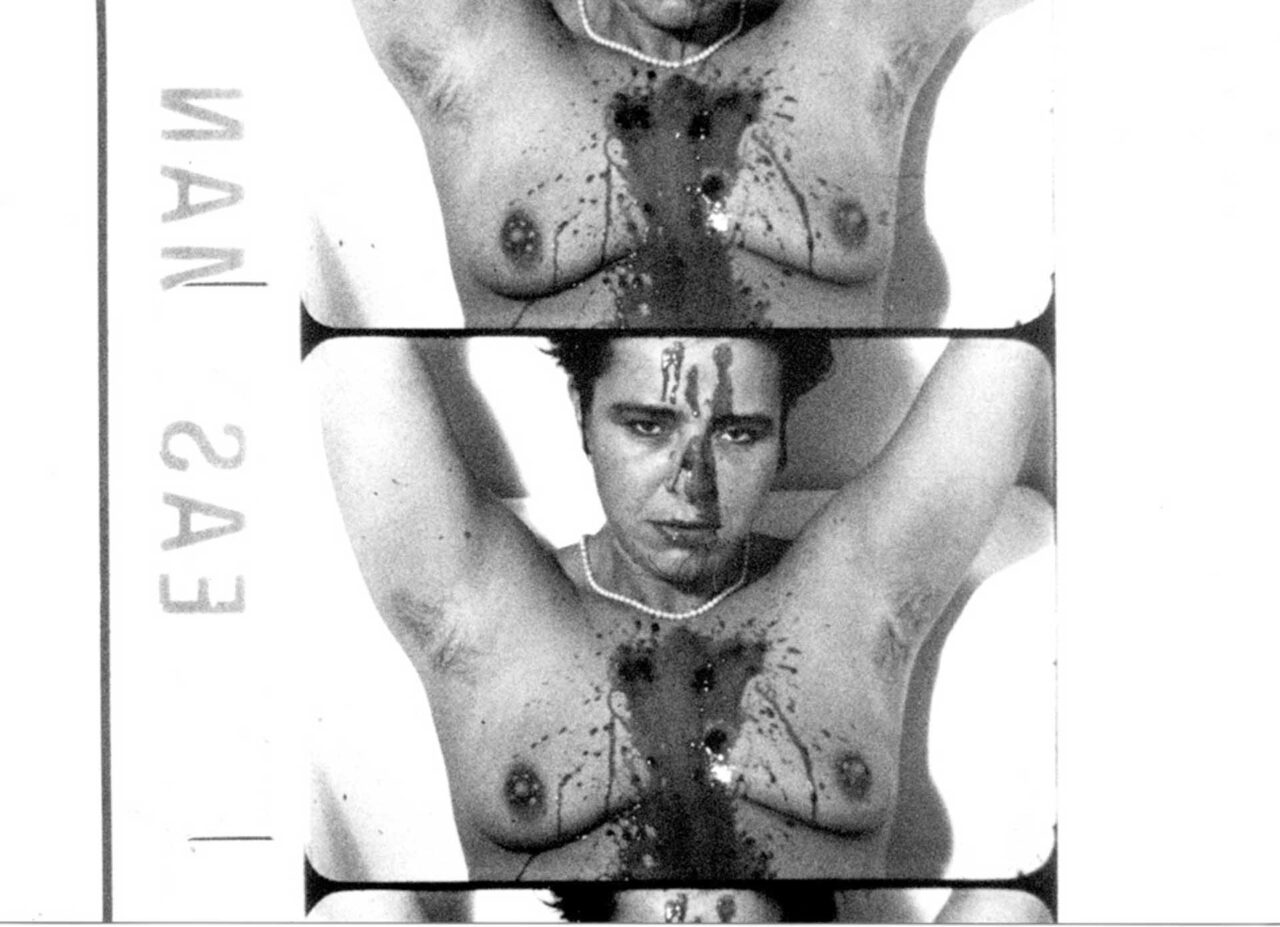
The striking insistence in Syntagma on depicting the fragmented body of the woman, mostly mute, has a twofold and seemingly contradictory effect. Fragmentation initially appears as the repetition of trauma, until finally its frenetic pace transforms into a deliberate composition composed of arms, legs, shoulders, breasts, and faces. A depersonalized review of the “commodity’s” quality emerges. Objectifying women, however, does not mean that they become objects.